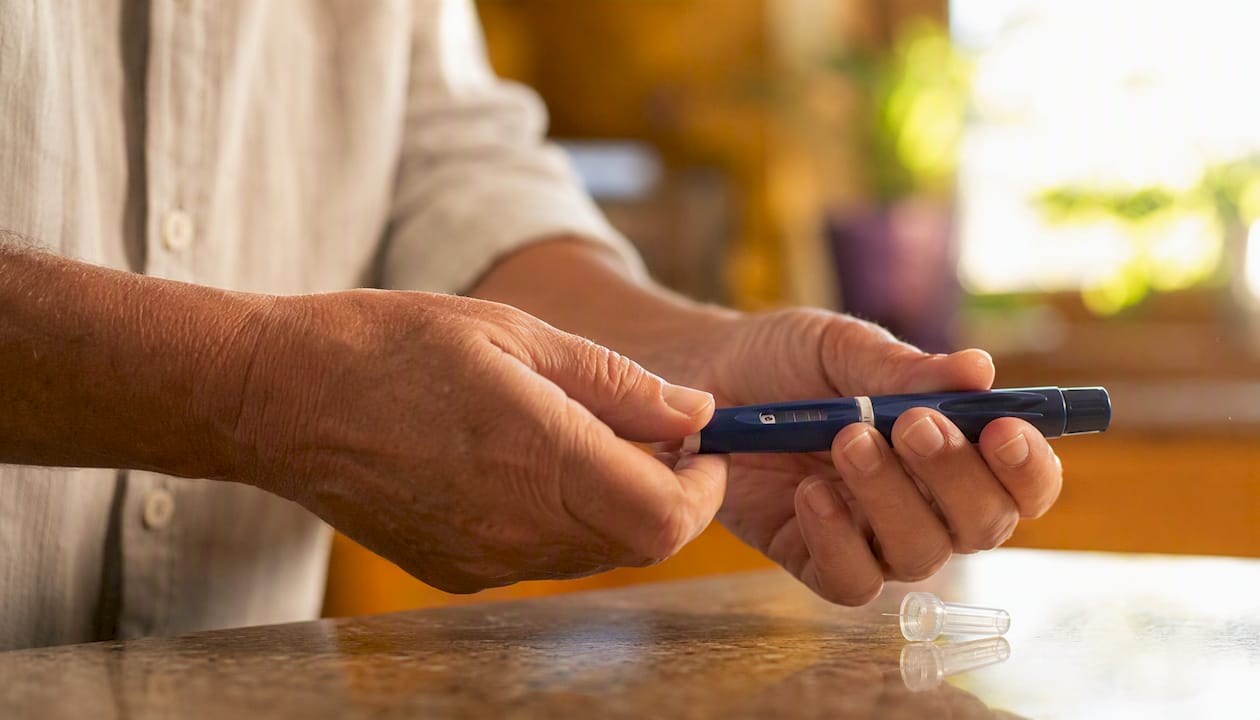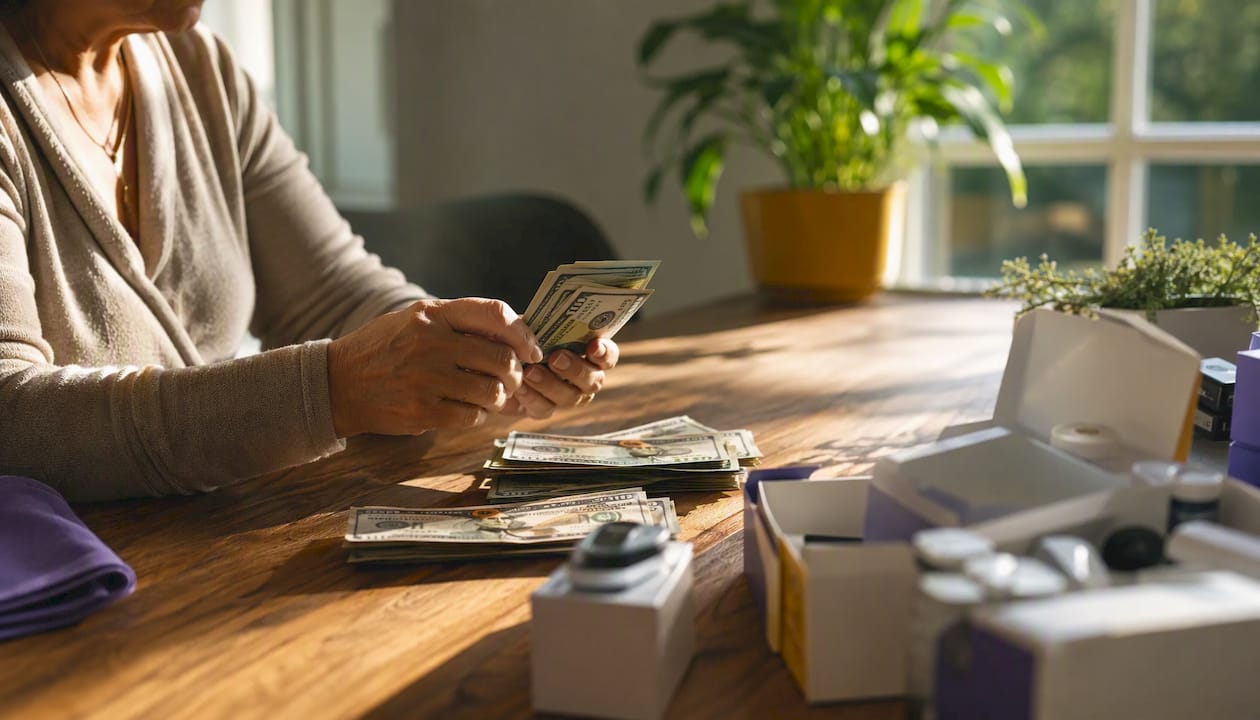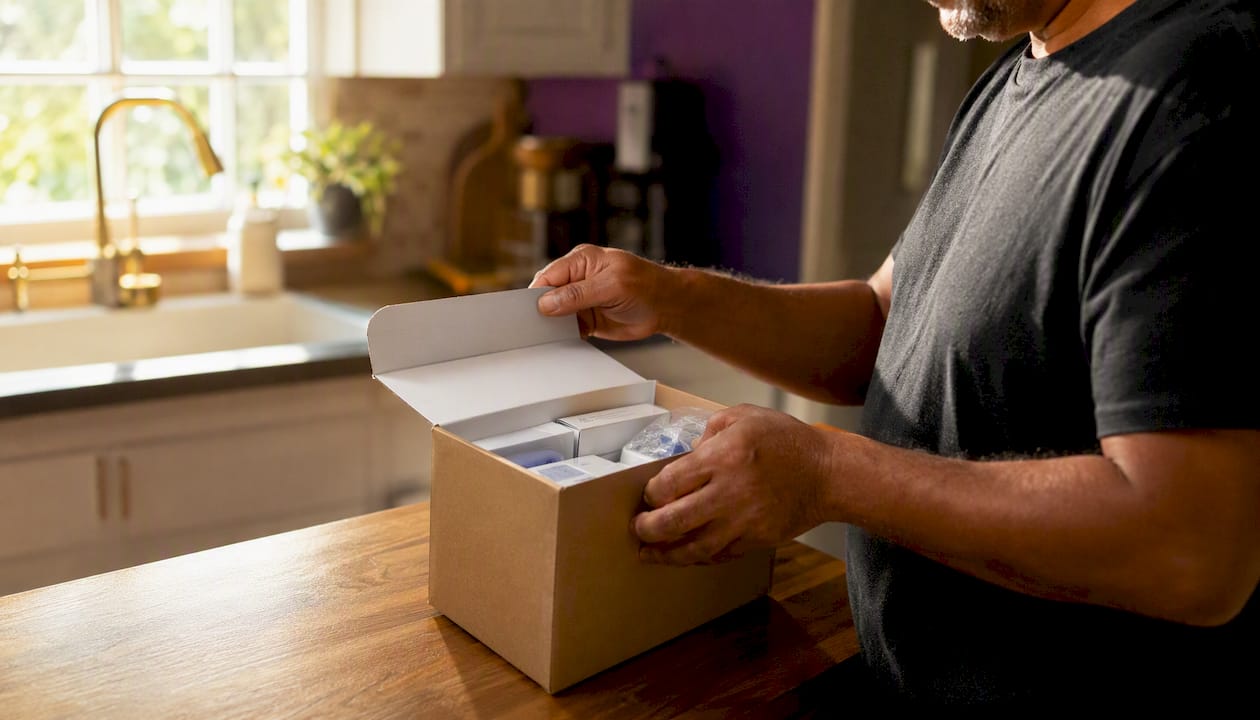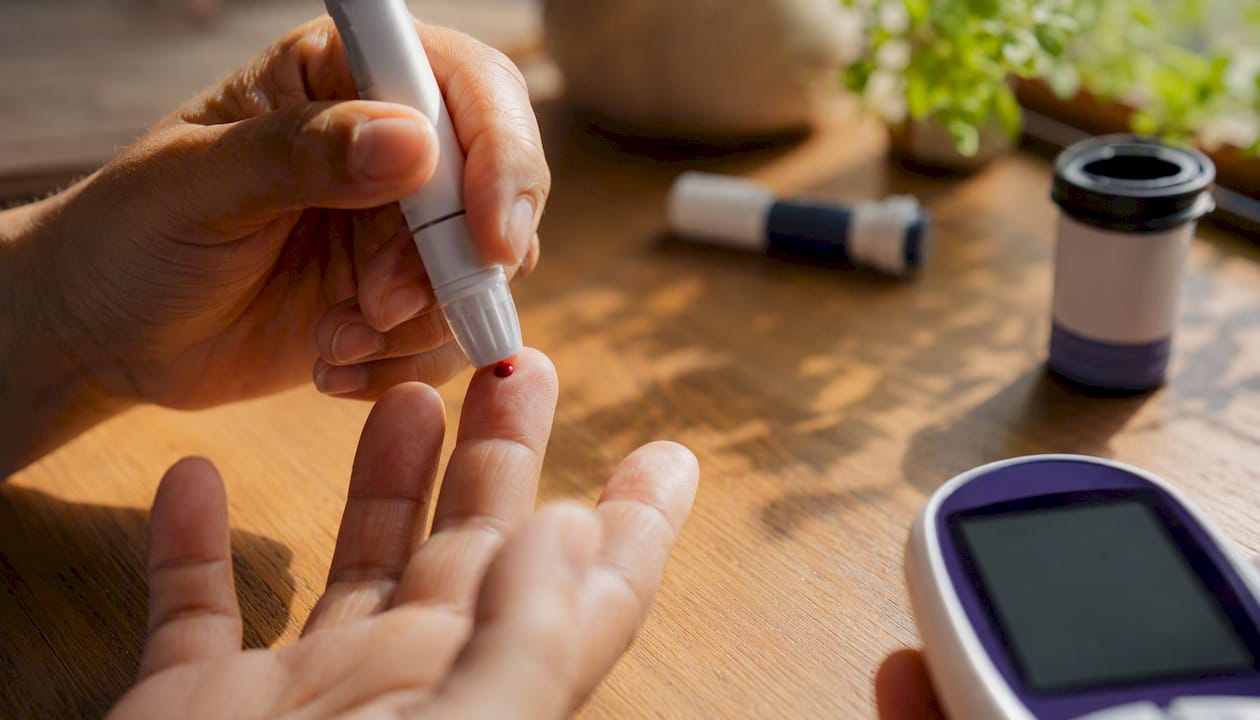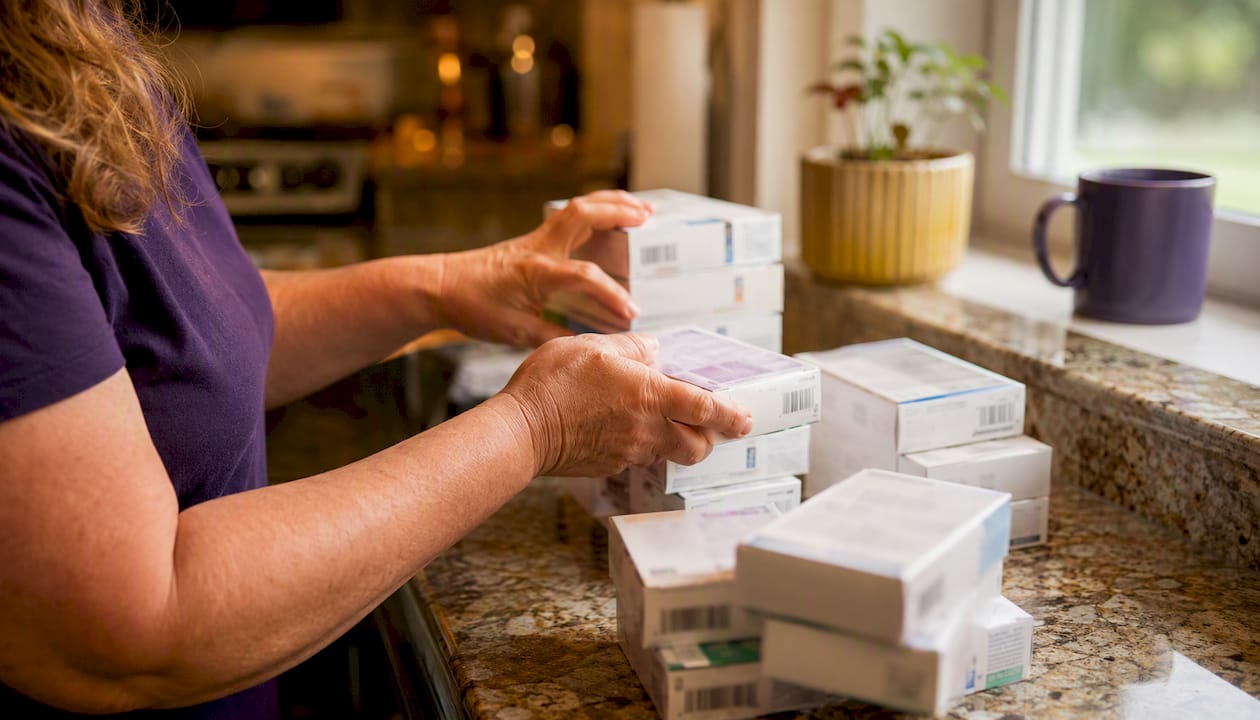
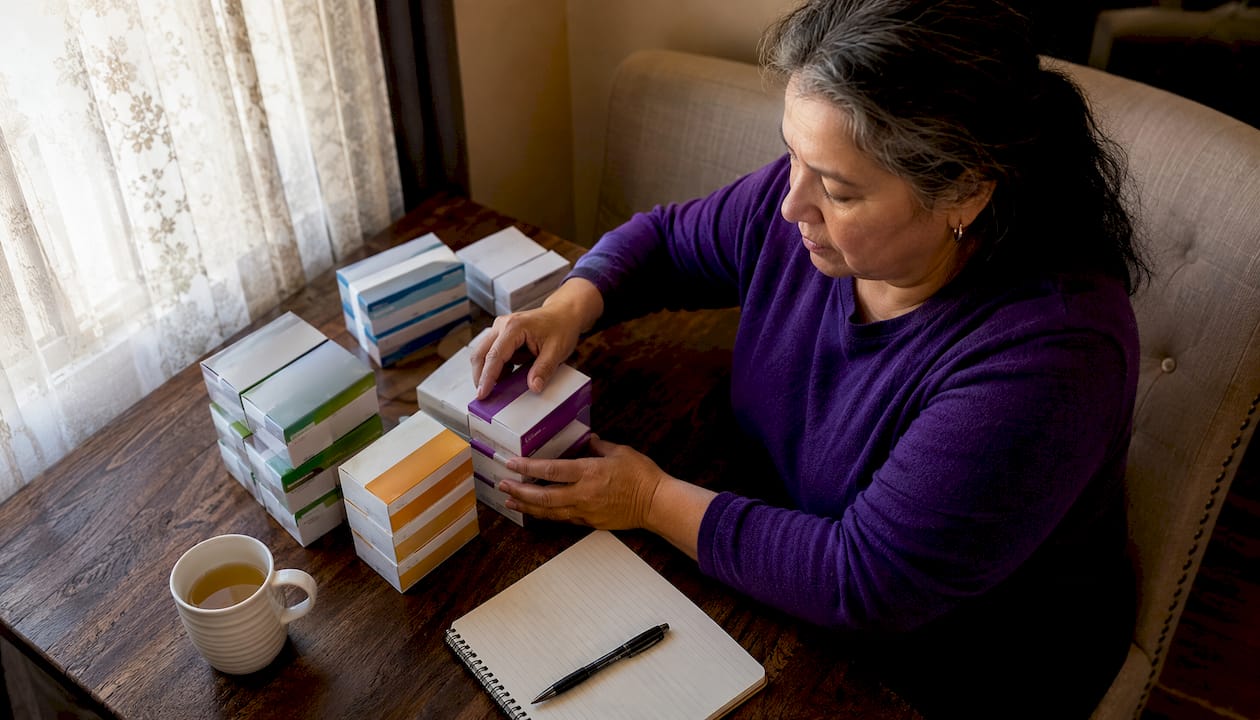
Florida diabetics end up with more sealed, unused supplies than almost anyone else in the country — and the reasons are structural, not accidental. Insurance 90-day auto-refill cycles, mail-order shipping schedules, and frequent therapy or device switches all push more product into homes than patients can use. Pharmacies generally cannot accept returns of dispensed medical supplies, so that sealed inventory has nowhere to go. If you have eligible items sitting in a cabinet right now, you can convert them to same-day cash locally through Orlando Diabetic Supplies Buyback.
Items that most commonly become surplus in Florida households:
- Sealed test strips (major brands, unexpired)
- Lancets (unopened boxes)
- Dexcom G6 and G7 sensors (sealed, unexpired)
- Freestyle Libre sensors (sealed, intact packaging)
- Omnipod pods (sealed boxes, within expiration)
One-line eligibility check: Items must be sealed, unexpired, in original intact packaging, and have a visible lot number and expiration date.
Pro Tip: Keep every item in its original sealed box, photograph the lot number and expiration date before you leave home, and bring those photos to your in-person appointment. It speeds up verification significantly.
Table of Contents
- Why Florida diabetics have more surplus than most states
- How to sell sealed diabetic supplies in Orlando: a step-by-step checklist
- Orlando Diabetic Supplies Buyback: same-day cash, no waiting
- Key Takeaways
Why Florida diabetics have more surplus than most states
Florida’s diabetes prevalence has consistently run above the national average. Adult diagnosed diabetes has remained above the national average in recent years, with millions of Florida residents living with the condition. That volume alone means more supplies are flowing through the state’s insurance and pharmacy systems every single month.
| Metric | Figure | Source |
|---|---|---|
| Florida adult diabetes prevalence (recent years) | higher than national average | 2025 Florida Diabetes Advisory Council |
| Florida residents with diagnosed diabetes | several million | 2025 Florida Diabetes Advisory Council |
| Florida annual diabetes cost estimate | substantial economic burden | BMC Public Health / ADA |
| National diabetes cost burden | Hundreds of billions annually | ADA / TechBullion analysis |
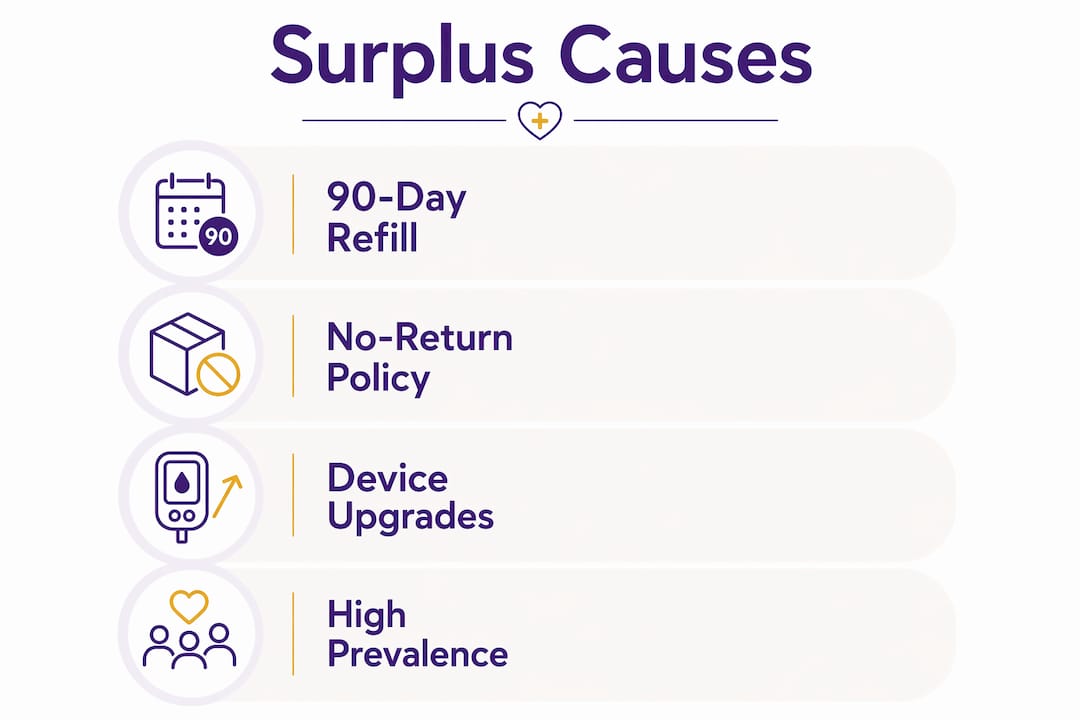
Three structural forces drive the surplus:
1. The 90-day refill cycle. Most chronic-care supplies ship on fixed schedules that do not adjust for actual patient use. If your usage drops or your prescription changes mid-cycle, a full shipment still arrives. That pattern repeats every quarter.
2. No pharmacy return path. Once dispensed, medical supplies cannot legally be returned to a pharmacy. There is no standardized federal recapture program for sealed, consumer-held diabetic supplies either. Buyback and donation channels exist specifically because this gap is real and widespread.
3. Therapy and device transitions. The rapid adoption of GLP-1 therapies and CGM upgrades has left many Florida patients with weeks or months of unneeded supplies. Every major treatment switch creates a fresh cohort of sellers. Caregivers also frequently discover sealed CGM sensors, strips, and lancets after a loved one passes away or enters long-term care — items already paid for by insurance with no return option.
Florida’s position in the Southeast diabetes belt, combined with its large retiree population and high insurance enrollment, amplifies all three of these forces at once. The result is a larger local surplus pool than most other states produce.
How to sell sealed diabetic supplies in Orlando: a step-by-step checklist
Selling is straightforward when your items meet the basic criteria. Here is exactly what to do.
Eligibility checklist before you do anything else:
- Sealed, original packaging with no tears or tampering
- Expiration date at least 30 days out (later dates get better offers)
- Visible lot number on the box
- Accepted product types: test strips, lancets, Dexcom G6/G7 sensors, Freestyle Libre sensors, Omnipod pods
Step-by-step seller flow:
- Inventory your items. Photograph each box showing the lot number, expiration date, and sealed condition.
- Check the accepted-items list. Confirm your specific brand and model are currently accepted before you drive anywhere. Dexcom G7 sensors are among the highest-demand items right now.
- Contact the buyer for a quote or walk in. Orlando Diabetic Supplies Buyback accepts walk-ins for same-day in-person inspection.
- Bring a photo ID and your items. Proof of ownership is standard for any in-person transaction.
- On-site inspection. Expect 10–20 minutes for a buyer to verify seals, lot numbers, and expiration dates.
- Receive immediate payment. Cash or electronic transfer, on the spot.
What affects your offer: Expiration date is the biggest factor. A box expiring in 18 months gets a meaningfully better offer than one expiring in 3. Brand and model demand matters too — Dexcom G7 and Freestyle Libre 3 sensors currently move faster than older models. Condition of the outer box also counts.
Privacy note: Redact your name and address from any photos you share online. For in-person sales, you don’t need to share personal medical history. Get a simple receipt for every transaction.
Pro Tip: Bundle smaller items together. A single box of strips may get a modest offer; three or four sealed boxes of the same brand and lot number often get a noticeably better per-box rate.
Same-day sale timeline: Photograph items at home → drive to buyer → 10–20 minute on-site inspection → walk out with cash or electronic payment the same day.
Orlando Diabetic Supplies Buyback: same-day cash, no waiting
When you have sealed, unexpired supplies and want cash today, Orlando Diabetic Supplies Buyback is the direct local option. No mailing boxes, no waiting for a check, no uncertainty about whether your items arrived safely.
Orlando Diabetic Supplies Buyback purchases Dexcom G6 and G7 sensors, Freestyle Libre sensors, Omnipod pods, and major-brand sealed test strips from sellers in Orlando and surrounding areas. In-person inspection means you know the offer before you commit, and payment is immediate.
What to bring:
- Sealed boxes with visible lot numbers and expiration dates
- Photos of each item (taken at home)
- A valid photo ID
- Any relevant prescription or device documentation (helpful but not always required)
Payment: Cash or electronic transfer, same day. Inspection typically takes 10–20 minutes.
Get started by visiting the how to get cash page or contact Orlando Diabetic Supplies Buyback directly to confirm current acceptance and pricing before you come in.
Key Takeaways
Florida’s surplus of sealed diabetic supplies comes directly from 90-day insurance refill cycles, no-return pharmacy policies, and frequent therapy switches — and sealed, unexpired items can be converted to same-day cash locally in Orlando.
| Point | Details |
|---|---|
| Florida’s surplus is structural | 90-day auto-refill cycles, no pharmacy return path, and device/therapy switches all create recurring sealed inventory. |
| Florida prevalence drives volume | With ~12.2% adult diabetes prevalence and 2.1–2.7 million residents affected, the local supply pool is large. |
| Expiration date sets your offer | Later expiration dates get meaningfully better offers; bring items with at least 30 days remaining. |
| Prepare before you go | Photograph lot numbers and expiration dates at home to speed up in-person verification and get a faster offer. |
| Orlando Diabetic Supplies Buyback | Buys Dexcom G6/G7, Freestyle Libre, Omnipod pods, and sealed test strips with same-day cash payment in Orlando. |
Recommended
- Diabetic Supply Programs for Florida Residents: 2026 Guide
- Cash for Test Strips in Orlando: Sell Unused Diabetic Supplies for Same-Day Payment – Orlando Diabetic Supplies
- Florida Diabetic Assistance Resources List: 2026 Guide
- Where to Sell Diabetic Test Strips for Cash in Orlando – Orlando Diabetic Supplies