Here’s the direct answer: factory-sealed diabetic supplies with plenty of shelf life left earn full payout. Torn boxes, broken seals, or expired dates mean a reduced offer or no payment at all. That’s how supply condition affects payout, in one sentence.
The condition factors that matter most, in order:
- Seal status – factory-sealed and untampered wins every time
- Expiration window – months remaining until the date on the box
- Physical damage – dents, tears, tape, writing, or stains
- Lot and serial clarity – readable barcodes and batch numbers
If you’re bringing items to Orlando Diabetic Supplies Buyback for same-day cash, the fastest path to top dollar is simple: keep your Dexcom G6, Dexcom G7, Freestyle Libre, Omnipod, or test strip boxes sealed, dated well into the future, and in their original packaging.
Quick fact: unopened, factory-sealed diabetic supplies retain stronger resale value because buyers have no way to confirm a product’s integrity once the seal is broken.
Key Takeaways
Sealed packaging and remaining shelf life together determine whether unused diabetic supplies earn full payout, a reduced offer, or no payment at all.
| Point | Details |
|---|---|
| Seal condition comes first | An intact factory seal is the single biggest factor separating full payout from a discounted offer. |
| Expiration windows vary by item | Test strips typically need 9+ months and CGM sensors around 7+ months for full-price offers. |
| Cosmetic damage costs a percentage | Wear, tape, or writing usually reduces price rather than disqualifying the item outright. |
| Contamination and broken seals get rejected | Blood, moisture, or a torn tamper seal typically leads to an automatic refusal. |
| Orlando Diabetic Supplies Buyback pays same day | In-person inspection and instant cash or electronic payment for sealed, unexpired Dexcom, Libre, Omnipod, and test strip items. |
Table of Contents
- How Supply Condition Affects Payout: The Buyer’s Checklist
- What Expiration Dates Mean for Your Payout
- How Damage Changes Your Cash Offer
- How to Prepare Your Supplies for Top Dollar
- What Happens During Your In-Person Inspection?
- What Our Local Buy-Back Team Sees Most Often
- Get Same-Day Cash for Your Diabetic Supplies in Orlando
- Sources
How Supply Condition Affects Payout: The Buyer’s Checklist
Every buyer runs through the same mental checklist before naming a price. Knowing what’s on it lets you self-inspect before you ever walk through the door.
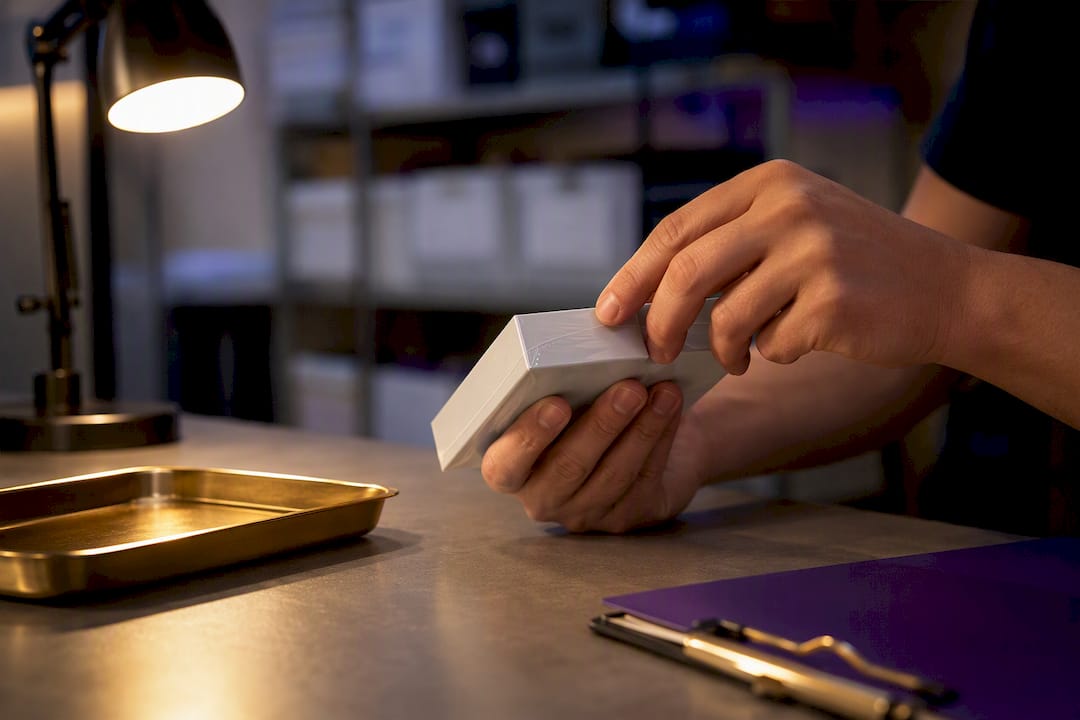
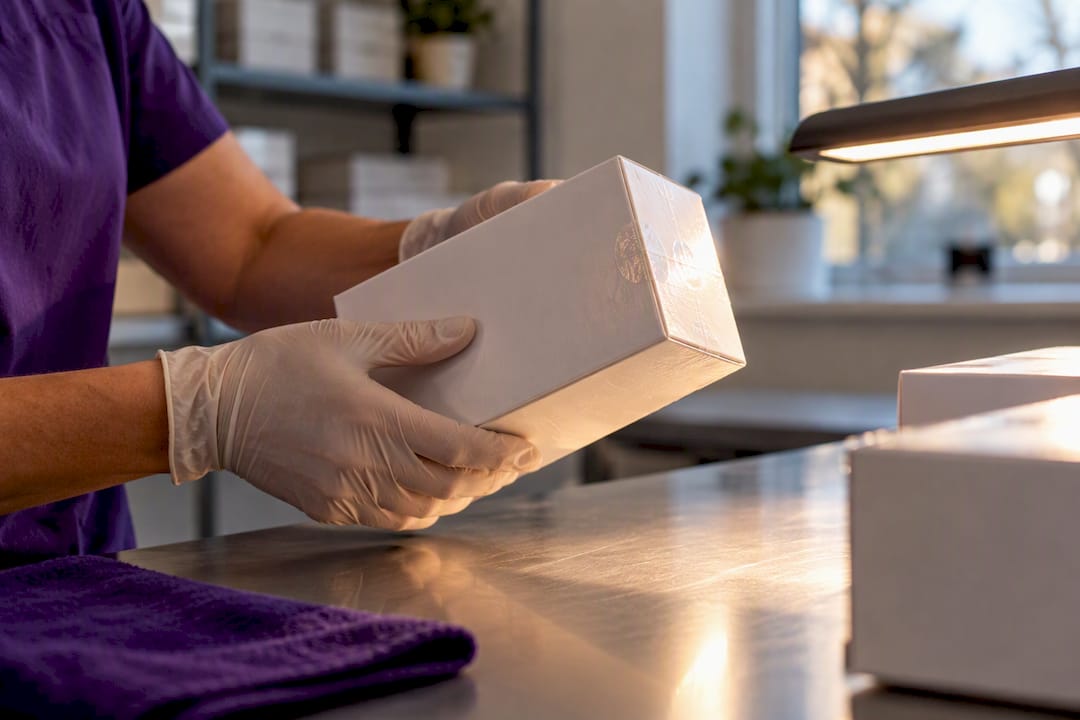
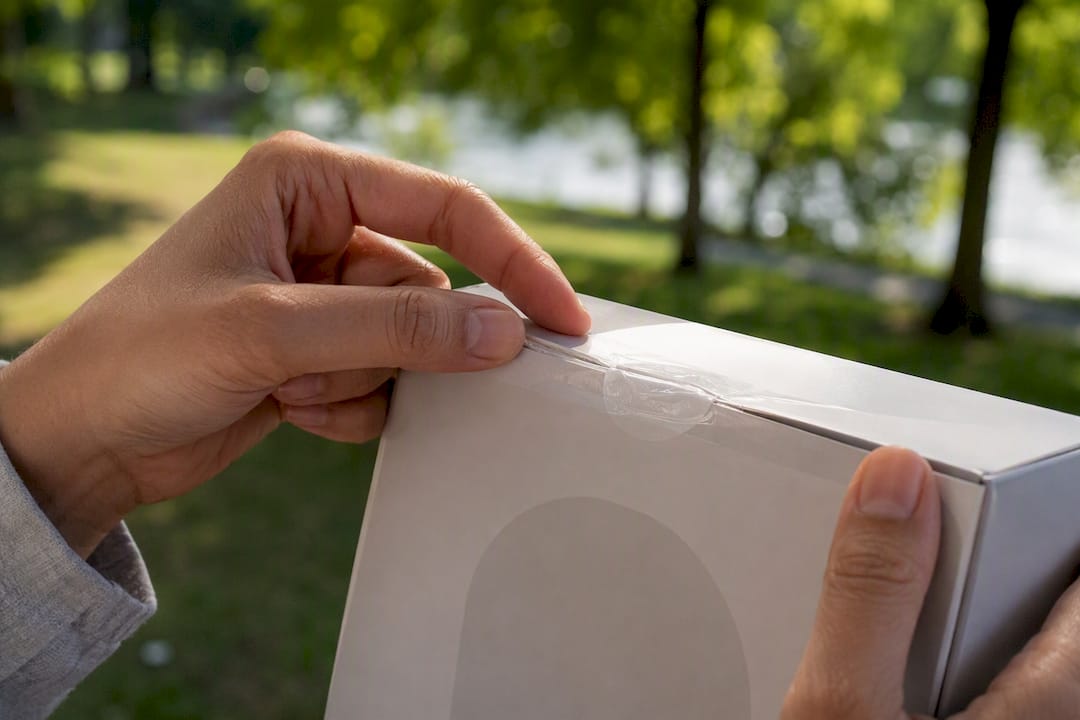
Seal and tamper evidence. A factory seal tells a buyer the product hasn’t been opened, exposed to air, or handled. Once that seal is broken, even if nothing was removed, the item drops into a lower condition tier. Shrink wrap that’s been cut, box flaps that don’t sit flush, or a missing tamper strip all count against you.
Expiration date visibility. The date is usually printed on the side or bottom flap of the box, sometimes on a foil pouch inside. Months-to-expiry is one of the two biggest levers on price, right alongside seal condition.
Packaging integrity. Dents, torn cardboard, tape residue, handwriting on the box, or any staining (including blood) all chip away at value. Some of this is cosmetic and just costs you a percentage. Some of it disqualifies the item outright.
Lot and barcode clarity. Resellers need traceable batch information for accountability and safety compliance. A smudged or torn-off lot number makes an otherwise perfect box harder to place, which usually shows up as a lower offer.
Quantity and pack size. A sealed 100-count box of test strips is worth more per strip than a partial or opened blister pack, because full, intact boxes move faster through resale channels.
Pro Tip: Before you leave the house, take three photos: the expiration date, the seal, and the lot number. That’s exactly what an in-person inspector checks first, and having it ready speeds up your quote.
What Expiration Dates Mean for Your Payout
Expiration timing works differently depending on the item, and it stacks directly on top of condition. A sealed box that’s about to expire won’t earn full price no matter how pristine the packaging looks.
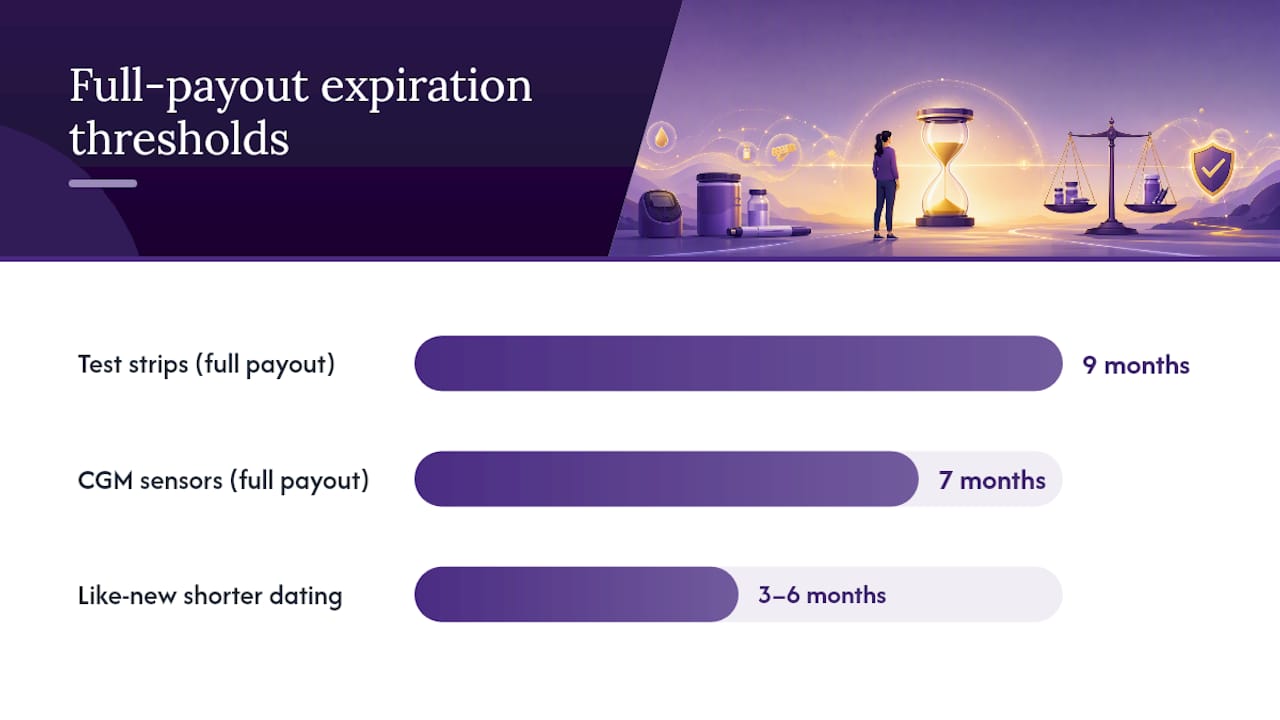
For test strips, the common industry threshold for full-price payout is roughly nine months or more before the printed expiration date. Fall under that window and the offer typically slides down in steps. Once a strip box is actually expired, legitimate buyers won’t purchase it. Expired product carries safety and regulatory concerns, and it has no resale shelf life left to offer a buyer.
CGM sensors like Dexcom and Freestyle Libre often use a shorter runway, sometimes around seven months or more, but the same rule applies: date and seal condition are checked independently, and both need to pass for a top offer.
| Condition Tier | Time to Expiration | Packaging Integrity | Typical Payout Impact |
|---|---|---|---|
| Factory-sealed, like-new | 9 months (strips) / 7 months (CGM) | Intact seal, no marks | Full payout range |
| Like-new, shorter dating | 3–6 months | Intact seal, no marks | Reduced payout |
| Minor cosmetic damage | Any | Tape, writing, or light wear | Discounted payout |
| Opened or broken seal | Any | Seal broken, box opened | Sharply reduced or refused |
| Expired | Past date | Any condition | No payout |
Payout ranges vary by brand, pack size, and current demand, so the numbers above are directional tiers, not fixed prices. Text a photo of your box before you drive over, and you’ll get a much more exact number than any general guide can give you.
How Damage Changes Your Cash Offer
Not all damage is treated the same. A little wear knocks a percentage off your offer. Real damage can zero it out.
Cosmetic damage (light shelf wear, a small sticker, minor box scuffing) usually triggers a modest deduction rather than a rejection. Disqualifying damage is a different story entirely:
- Torn or broken tamper seal → typically rejected
- Handwriting or tape covering the lot number → rejected or heavily discounted
- Visible blood or other contamination → automatically rejected
- Crushed box that’s compromised the contents inside → rejected
- Water or moisture damage → rejected
Small damages like box wear, writing, or tape can materially reduce value, and in cases where the damage crosses into contamination or torn seals, buyers refuse the item entirely rather than risk reselling something they can’t verify. The line between “discount” and “refusal” almost always comes down to whether the buyer can still trust what’s inside the box.
How to Prepare Your Supplies for Top Dollar
A little prep work before you leave home can move you up a whole condition tier. Here’s the order that works best:
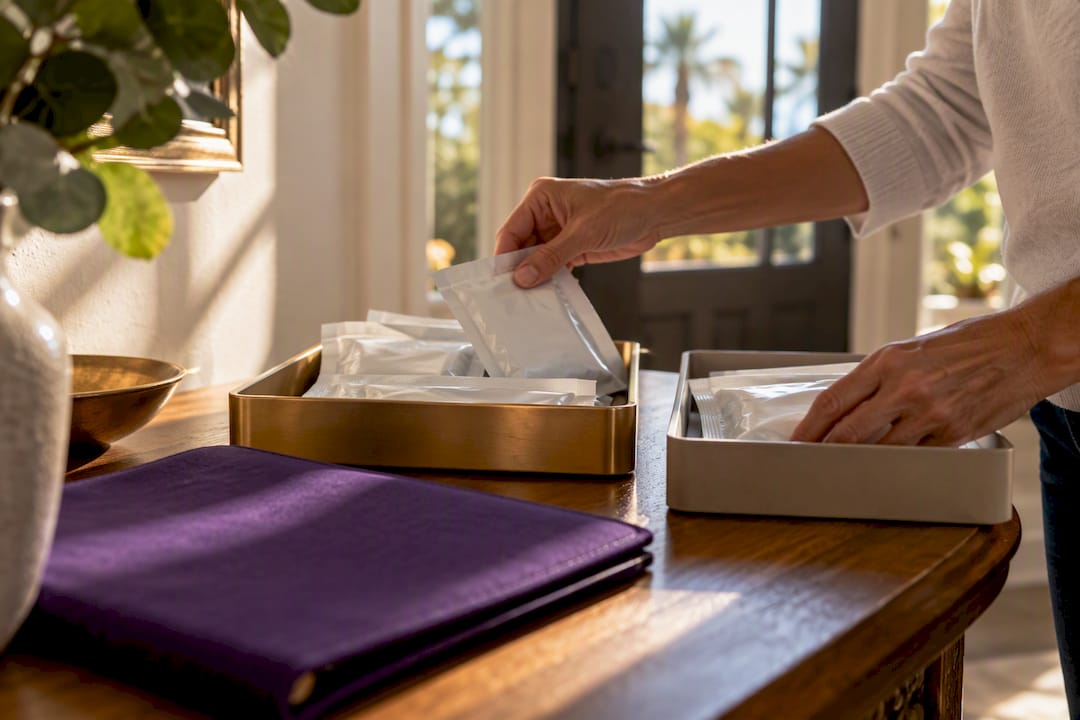
- Gather original boxes. Loose sensors or strips without their packaging are much harder to price fairly.
- Confirm the expiration date on each item and separate anything close to expiring.
- Photograph the lot number on each box in case it gets rubbed or handled during transport.
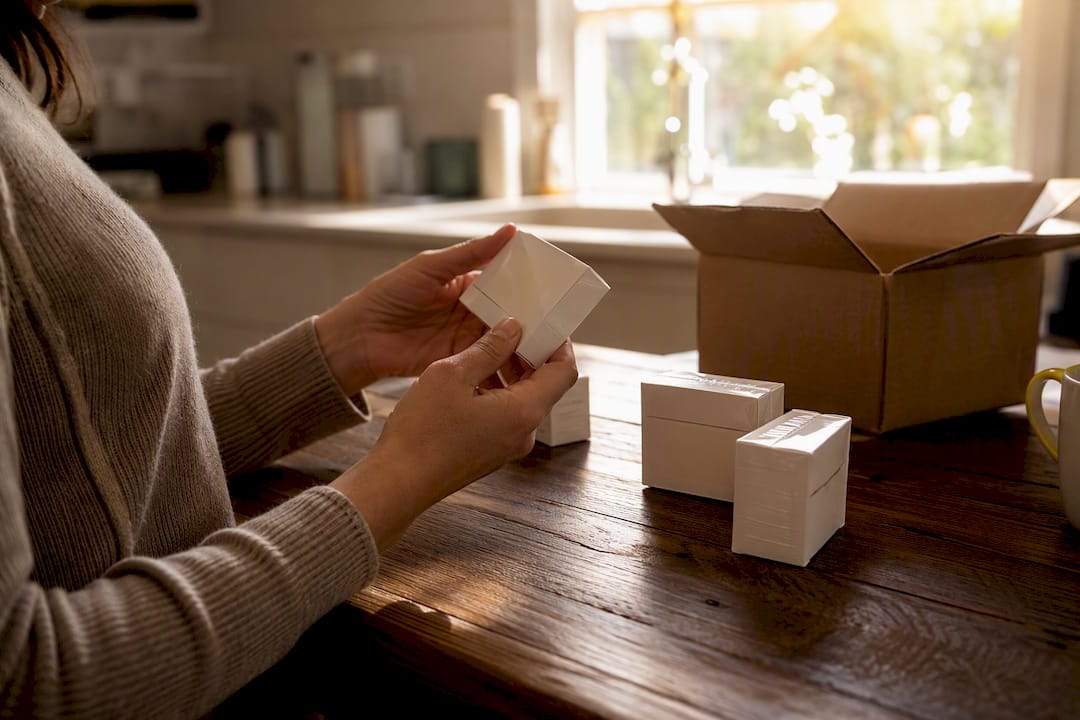
- Repackage carefully in a bag or bin so boxes don’t shift, crush, or tear on the drive over.
- Store supplies at room temperature away from heat or direct sun in the days before your sale.
Skip the cleaning products. Don’t wipe boxes down with anything wet, and never try to “restore” a torn seal with tape, since that reads as tampering rather than repair.
In-person, same-day inspection consistently produces better outcomes than mailing items off, since a buyer can verify seal and lot condition on the spot instead of guessing from a shipped package that may have shifted in transit.
Pro Tip: When you’re ready for a preliminary quote, text three photos: the expiration date, the unbroken seal, and the lot number label. Clear, well-lit shots get you a faster and more accurate number before you even leave home.
What Happens During Your In-Person Inspection?
The inspection itself takes just a few minutes per item. Here’s the sequence:
- Date check – confirming months remaining until expiration
- Seal check – verifying the tamper seal is intact
- Packaging check – looking for dents, tape, writing, or moisture
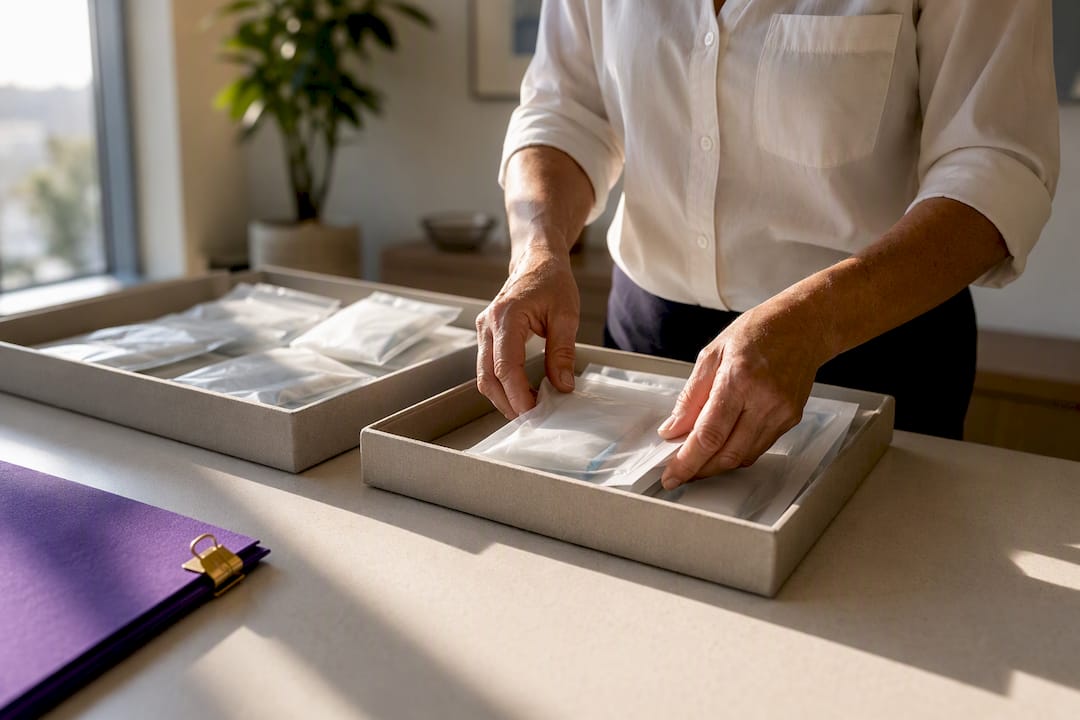
- Lot and barcode verification – confirming the batch number is legible
Once all four checks are done, you get one of three outcomes on the spot: full payout, a reduced offer explained with the specific reason, or a respectful pass if the item doesn’t qualify. Payment for accepted items comes as cash or instant electronic transfer, and you’ll want a photo ID on hand to complete the transaction.
What Our Local Buy-Back Team Sees Most Often
The pattern repeats constantly: sellers lose money on items that were close to expiring, had a seal broken “just to check,” or arrived loose in a grocery bag instead of their original box. None of that is fraud. It’s just avoidable.
Our inspections are transparent. We explain every deduction on the spot, and if you disagree with an assessment, we’ll walk through the specific reason together before any cash changes hands.
Get Same-Day Cash for Your Diabetic Supplies in Orlando
Orlando Diabetic Supplies Buyback pays cash the same day, in person, for sealed and unexpired Dexcom G6 and G7 sensors, Freestyle Libre, Omnipod, and major test strip brands. No shipping labels, no waiting for a check in the mail, no guessing whether your box will pass inspection two states away.
Here’s how it works:
- Text a photo of the box (date, seal, lot number visible) for a preliminary quote
- Book a same-day appointment or walk in during business hours
- Get a quick, transparent inspection using the checklist above
- Walk out with cash or instant electronic payment
If you want the full rundown on eligibility and the process before you come in, read our guide on getting cash for unused diabetic supplies. Orlando-area sellers can also check our local test strip resource if strips make up most of what you’re selling. Reach out today with your photos and get a real number back within minutes.
Sources
- What Makes Unopened Diabetic Supplies Valuable in Secondary Markets
- How Expiration Dates Affect Diabetic Test Strips Value | Test Strips Into Cash
- 5 Ways to Get Maximum Value for Extra Diabetic Supplies