Expired diabetic supplies are defined as products that have passed their manufacturer-guaranteed performance date, meaning their effectiveness can no longer be trusted. For people managing diabetes, this is not a minor technicality. Insulin, blood glucose test strips, and lancets all degrade over time, and using them past expiration risks inaccurate readings, reduced medication potency, and dangerous blood sugar control errors. Understanding what happens to expired diabetic supplies is the first step toward protecting your health and making smarter decisions about your stockpile.
What happens to expired diabetic supplies: the core risks
Expired diabetic supplies pose risk through unreliable results, not toxicity. That distinction matters. You are unlikely to be poisoned by an expired test strip. You are very likely to get a false glucose reading that leads you to take the wrong dose of insulin. The real danger is invisible: your supplies look fine, your meter shows a number, and you act on information that is simply wrong.
The three supplies that expire most critically are insulin, blood glucose test strips, and lancets. Lancets carry the lowest risk when expired since they are mechanical, but dull needles increase pain and skin trauma. Insulin and test strips carry the highest risk because their chemistry degrades in ways you cannot see.
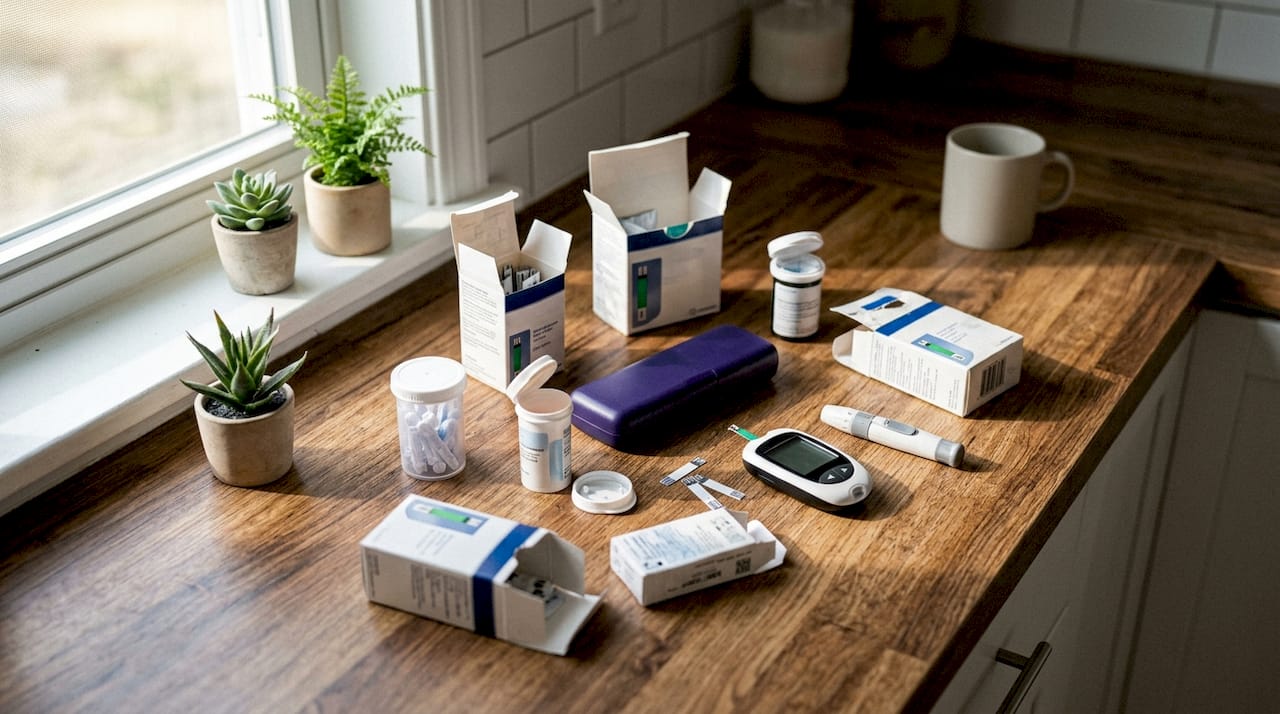
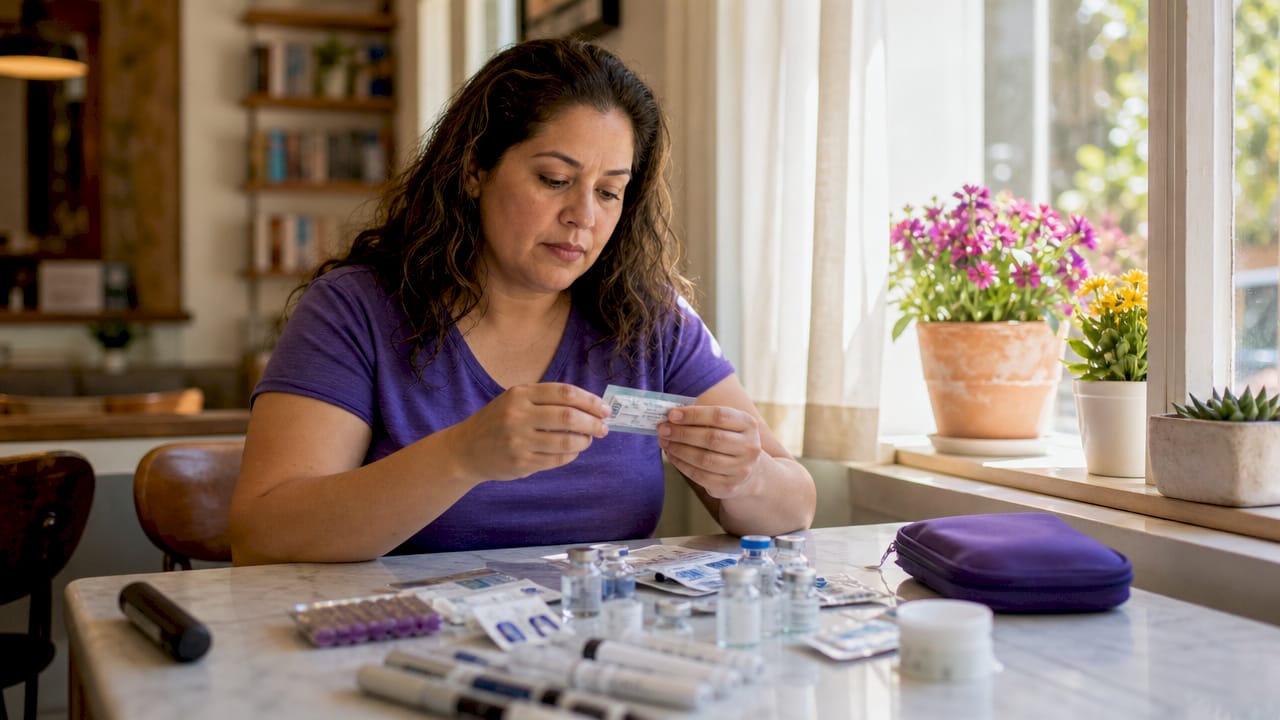
Storage history and vial opening status often shorten actual usability beyond what the printed date shows. A box of test strips stored in a humid bathroom may be unreliable weeks before the printed expiration. An opened insulin vial left at room temperature degrades faster than one kept refrigerated. The printed date assumes ideal, unopened storage conditions.
How does expired insulin affect your health?
Insulin is a protein-based medication, and proteins break down over time. Insulin loses strength even when refrigerated, and that potency loss can cause hyperglycemia with symptoms including excessive thirst, fatigue, and blurry vision. You inject what you believe is a full dose, but your body receives less active insulin than expected.
The difference between opened and unopened insulin matters significantly:
- Unopened insulin stored in a refrigerator generally remains stable until the printed expiration date.
- Opened vials or pens typically have an in-use window of about 28 days, regardless of the printed date on the box.
- Room temperature storage accelerates degradation in both opened and unopened insulin.
- Frozen insulin is damaged and should never be used, even if it looks normal after thawing.
- Discolored or cloudy insulin (when it should be clear) is a sign of degradation and must be discarded.
Expired insulin may look completely normal but still be ineffective. Visual inspection alone does not confirm potency. This is the most dangerous aspect of using expired insulin: there is no reliable way to test it at home.
Pro Tip: Always check the in-use window printed on your insulin packaging, not just the expiration date on the box. When in doubt, ask your pharmacist. They can confirm whether your specific insulin type is still within its reliable use period.
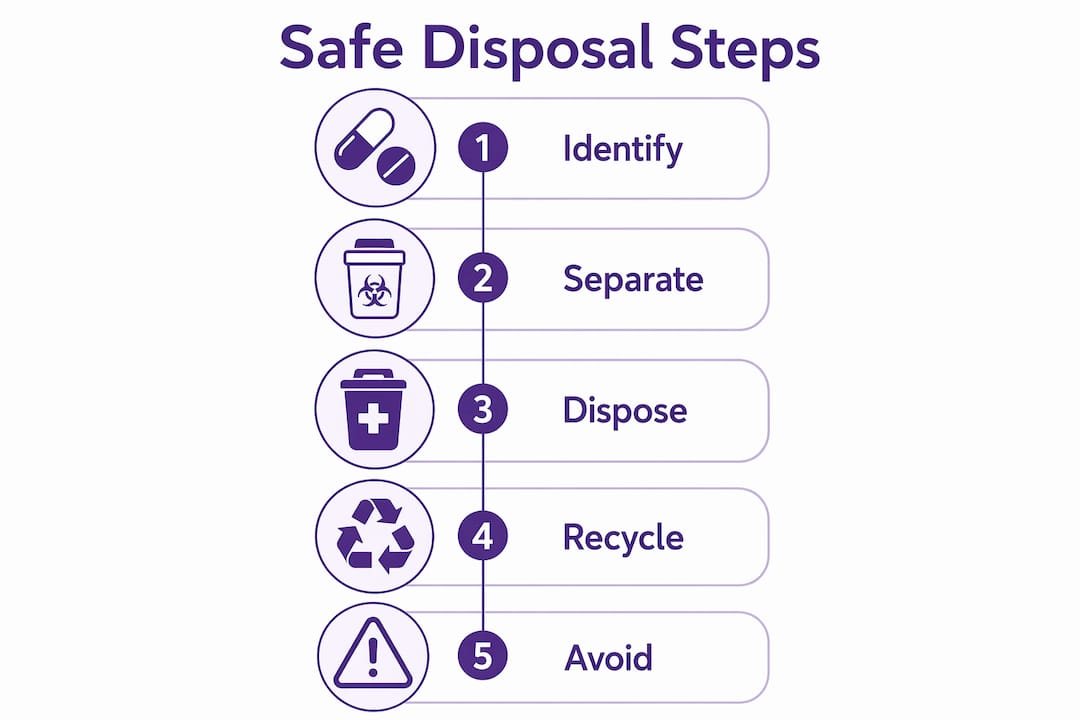
Clinicians evaluate insulin usability by considering both the printed date and the storage and opening history. Sterility and potency degrade invisibly, which is why pharmacist guidance is more reliable than a visual check. If you have been running high blood sugars without a clear reason, expired or degraded insulin is a legitimate suspect.
Do expired test strips give wrong readings?
Expired blood glucose test strips produce unreliable readings because the enzyme and chemical layers inside each strip break down over time. The FDA advises against using expired strips because degraded reagent layers cause false high or false low glucose results. A false low reading can lead you to eat sugar you do not need. A false high can lead you to take insulin you should not take.
Heat and humidity accelerate this degradation significantly. The effects of expired test strips are made worse by poor storage, and most people store their strips in bathrooms or kitchens where temperature and moisture fluctuate daily. The American Diabetes Association recommends keeping strips in a cool, dry place and closing the vial cap immediately after removing a strip.
Common consequences of using degraded test strips include:
- Missing a true hyperglycemia episode because the strip reads falsely normal
- Overcorrecting a falsely high reading with extra insulin, causing hypoglycemia
- Making diet or activity decisions based on inaccurate data
- Losing confidence in your meter when readings seem inconsistent
Pro Tip: If a glucose reading seems wrong for how you feel, retest immediately with a fresh strip from a new vial. Anomalous results are often the first sign that your current strips have degraded.
You can also learn about common strip storage mistakes that shorten strip life well before the printed expiration date. Proper storage is as important as the expiration date itself.
How should you dispose of expired diabetic supplies?
Safe disposal of expired diabetic supplies protects you, your household, and the environment. The method depends on the type of supply: liquid medications like insulin, solid supplies like test strips, and sharps like needles and lancets each require a different approach.
For insulin and liquid medications:
- Check for a local drug take-back program. The DEA sponsors National Prescription Drug Take Back Day events, and many pharmacies including CVS and Walgreens offer year-round drop boxes.
- If no take-back option is available, mix the medication with an unpalatable substance such as coffee grounds or dirt, seal it in a bag, and place it in the household trash.
- Remove or scratch out personal information on the label before disposal.
- Never flush insulin unless the FDA specifically lists it as flushable, which most insulin products are not.
For sharps (needles, lancets, pen needles):
- Place all sharps in an FDA-cleared puncture-resistant sharps container immediately after use.
- Replace the container before it is three-quarters full and seal it completely before disposal.
- Check your local regulations. Many Florida counties including Orange County offer sharps mail-back programs or drop-off sites.
- Never place loose sharps in regular trash or recycling bins. Needle-stick injuries to sanitation workers are a real and preventable risk.
| Supply type | Preferred disposal method | Backup method |
|---|---|---|
| Insulin (unopened) | Drug take-back program | Sealed trash with coffee grounds |
| Insulin (opened) | Drug take-back program | Sealed trash with coffee grounds |
| Test strips | Regular trash (sealed bag) | Regular trash |
| Lancets and needles | Sharps container, then local drop-off | Sealed puncture-resistant container in trash |
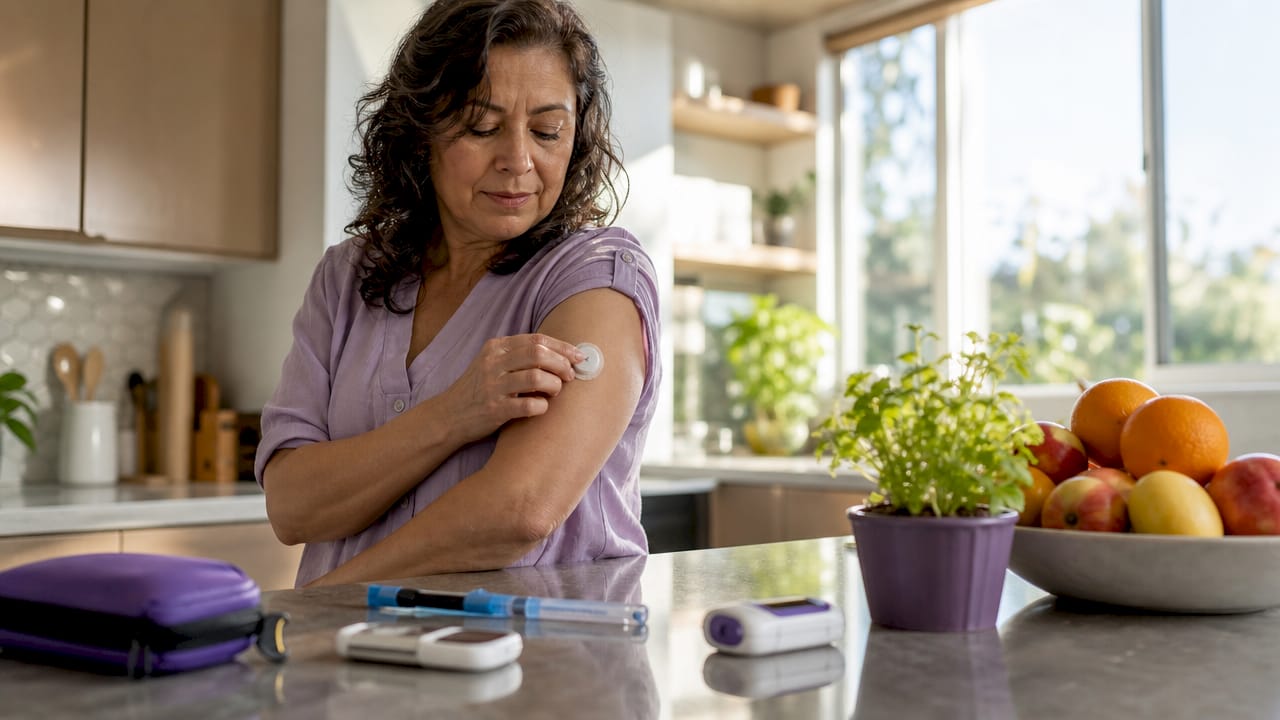
| CGM sensors (Dexcom, Libre) | Manufacturer take-back or regular trash | Regular trash (sealed) |
Mixing sharps with regular trash increases injury risk for anyone who handles that waste downstream. A proper sharps container costs a few dollars at most pharmacies and eliminates that risk entirely.
Managing an expired diabetic supply surplus: what are your options?
An expired diabetic supply stockpile is a common problem. Insurance often ships supplies automatically, and people accumulate more than they use. The best approach depends on whether the supplies are expired or simply unused and still within date.
Using expired supplies should be a short-term stop-gap only. If you are in a shortage and must use an expired strip or older insulin, monitor your blood sugar carefully and confirm any unexpected reading with a fresh supply as soon as possible. Relying on expired supplies long-term risks severe hyperglycemia in insulin-dependent people.
For supplies that are unexpired but unused, you have real options:
- Sell sealed, unexpired supplies. Dexcom G6 and G7 sensors, Freestyle Libre readers, Omnipod pods, and sealed test strips all have resale value when unexpired and in original packaging. Orlando Diabetic Supplies Buyback buys these locally in the Orlando area for same-day cash.
- Donate to charitable programs. Organizations like Insulin Help and local free clinics accept unopened, unexpired supplies for people who cannot afford them.
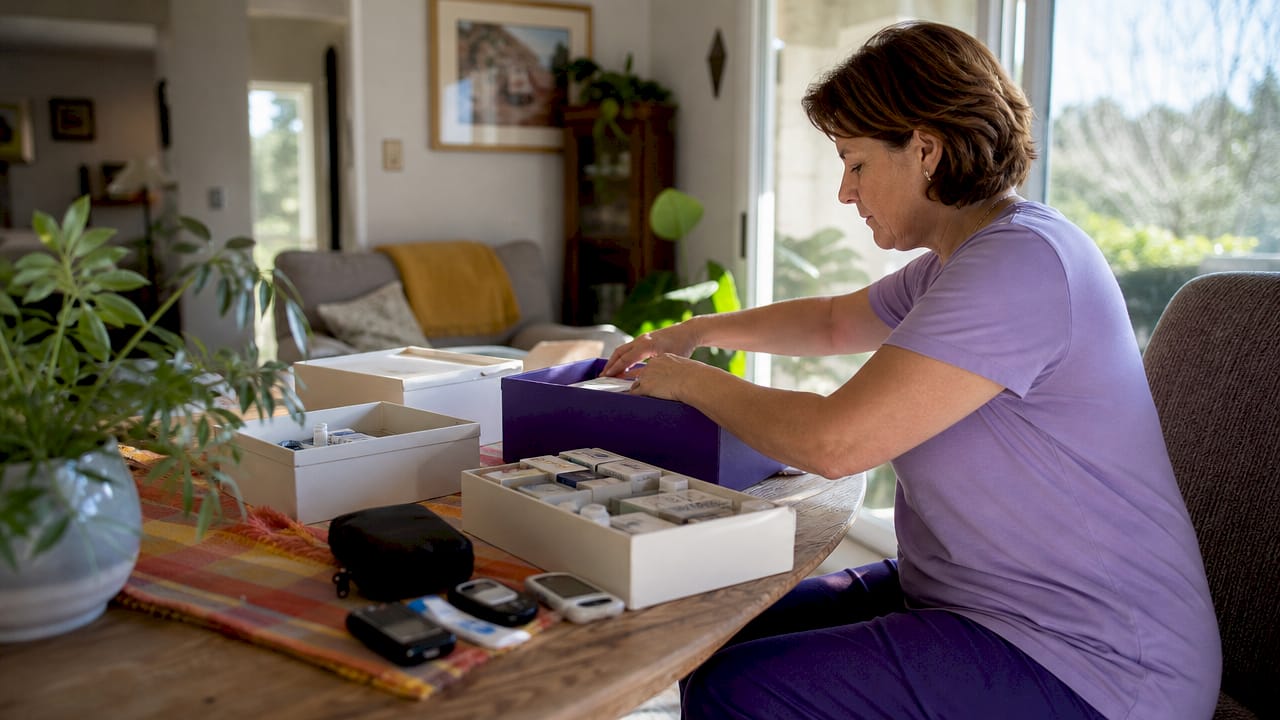
- Organize at home to prevent future waste. Rotate stock so older supplies are used first. Check expiration dates monthly.
| Supply status | Resale value | Best action |
|---|---|---|
| Sealed, unexpired, original packaging | High | Sell or donate |
| Opened but within in-use window | None | Use immediately |
| Expired, any condition | None | Dispose safely |
| Damaged or missing packaging | Low to none | Dispose safely |
Knowing what counts as an unused diabetic supply before you try to sell or donate is worth a few minutes of your time. Expiration status and packaging condition are the two factors that determine value most directly.
Key takeaways
Expired diabetic supplies lose guaranteed performance, not safety in the toxic sense, and that performance loss creates real risk for blood sugar control decisions.
| Point | Details |
|---|---|
| Expiry means unreliable, not toxic | Expired insulin and test strips mislead dosing decisions, not poison you directly. |
| Opened insulin degrades faster | Use opened vials within about 28 days, regardless of the box expiration date. |
| Test strips need proper storage | Heat and humidity degrade strips before the printed date; store in a cool, dry place. |
| Sharps need puncture-proof disposal | Use an FDA-cleared sharps container and seal it before three-quarters full. |
| Unexpired surplus has cash value | Sealed, unexpired Dexcom, Freestyle Libre, and Omnipod supplies can be sold locally. |
What I have learned from years of watching people manage supply expiration
People almost always underestimate how much storage conditions matter. I have seen people carefully track expiration dates on their test strip boxes while storing them in a bathroom cabinet directly above the shower. The printed date becomes meaningless in that environment. Humidity is the silent killer of test strip accuracy, and most people never make the connection when their readings start acting strange.
The other thing I see constantly is the guilt around disposal. People hold onto expired insulin for months because throwing away medication feels wasteful. That hesitation is understandable, but expired insulin sitting in a drawer is not a backup plan. It is a liability. The moment you reach for it in a real shortage, you are making a health decision based on a product that cannot keep its promises.
What actually works is a simple monthly habit: open your supply drawer, check dates, rotate stock, and dispose of anything expired that same day. Pair that with a sharps container kept in a consistent spot, and disposal stops being a decision you have to make under pressure.
The most overlooked opportunity I see is the pile of unexpired, sealed supplies that people have written off as clutter. Dexcom G7 sensors, Freestyle Libre kits, and Omnipod pods in original packaging have real cash value before they expire. Selling them through a local buyer like Orlando Diabetic Supplies Buyback is faster and simpler than most people expect. That cash can go directly toward fresh supplies, which is exactly where it should go.
— Liliana
Turn your unused supplies into cash before they expire
If you have sealed, unexpired diabetic supplies sitting in a drawer, they have real value right now. Orlando Diabetic Supplies Buyback pays same-day cash for Dexcom G6 and G7 sensors, Freestyle Libre kits, Omnipod pods, and sealed test strips in the Orlando, Florida area.
The process is straightforward. You contact Orlando Diabetic Supplies Buyback, get a fair quote, and receive cash the same day. No shipping, no waiting, and no letting good supplies go to waste. If you are ready to sell your unused diabetic supplies or want to know which items qualify, Orlando Diabetic Supplies Buyback makes it easy to find out. You can also check the diabetic supply resale guide to understand exactly what your supplies are worth before you reach out.
FAQ
Can expired diabetic supplies harm you directly?
Expired diabetic supplies are unlikely to cause direct toxicity. The real harm comes from unreliable performance, which leads to incorrect dosing or missed glucose events.
How long can you use insulin after opening?
Opened insulin typically has an in-use window of about 28 days at room temperature. Always check the specific label for your insulin type, since some formulations differ.
Why do test strips expire before the box date?
Heat and humidity degrade the enzyme layers in test strips faster than the printed date assumes. Poor storage conditions can make strips unreliable well before the expiration date on the packaging.
What is the safest way to dispose of expired insulin?
The safest method is a drug take-back program at a pharmacy or DEA-sponsored event. If none is available, mix with an unpalatable substance and seal in a bag before placing in household trash.
Can you sell expired diabetic supplies?
Expired diabetic supplies have no resale value. Only sealed, unexpired supplies in original packaging can be sold. Orlando Diabetic Supplies Buyback accepts unexpired Dexcom, Freestyle Libre, Omnipod, and test strip products for same-day cash in the Orlando area.