
Most people with diabetes assume that having a diagnosis is enough to get their supplies covered. It is not. Understanding what qualifies for diabetic supply payment, formally called diabetic supply reimbursement, requires knowing exactly which supplies are covered, which program pays for them, and what documentation your doctor and supplier need to provide. Whether you are on Medicare, TRICARE, or a private plan here in Florida, the rules differ more than most patients realize. This article walks you through each program’s qualifying criteria, common mistakes to avoid, and practical steps to make sure you get paid.
Table of Contents
- Key Takeaways
- What qualifies for diabetic supply payment
- Medicare Part B and Part D coverage rules
- TRICARE diabetic supply eligibility
- Private insurance and other payment options
- Practical steps for Florida patients
- My take on the real barriers patients face
- Turn unused supplies into same-day cash in Orlando
- FAQ
Key Takeaways
| Point | Details |
|---|---|
| Diagnosis alone is not enough | You need a valid prescription and medical necessity documentation to qualify for reimbursement. |
| Medicare splits coverage between Part B and Part D | Part B covers monitors and pumps; Part D covers insulin and related supplies like syringes. |
| Supplier enrollment matters | Claims must be submitted by Medicare-enrolled suppliers. Patients cannot file their own Medicare claims. |
| TRICARE requires prior authorization for CGMs | Even with medical benefit approval, continuous glucose monitors need a separate authorization step. |
| Unused supplies have cash value | Florida patients can sell sealed, unexpired surplus supplies through local buyback programs. |
What qualifies for diabetic supply payment
The standard term used by payers and providers is diabetic supply reimbursement criteria, and it covers more than just your diagnosis. Medicare coverage requires three things to be in place: a confirmed diabetes diagnosis, a doctor’s prescription for the specific supplies, and a finding of medical necessity. All three must be documented before any claim is processed.
Here are the supplies most commonly covered across insurance programs:
- Blood glucose monitors and test strips
- Lancets and lancing devices
- Insulin pumps (durable medical equipment)
- Continuous glucose monitors (CGMs) such as Dexcom G6, G7, and Freestyle Libre
- Insulin and delivery supplies like syringes, needles, and pen needles
- Therapeutic shoes and inserts for qualifying patients
Coverage rules differ between insulin-dependent and non-insulin-dependent diabetes. Patients who use insulin typically qualify for a broader set of supplies, including insulin pumps and CGMs. Non-insulin users may still receive coverage for glucose monitors and test strips, but with tighter quantity limits.
Most programs also enforce refill windows. You generally cannot reorder supplies before a set number of days have passed since your last shipment. Ordering too early almost always results in a denial. Keeping track of your supply calendar is just as important as getting the prescription right.
Medicare Part B and Part D coverage rules
Medicare is the most common payer for diabetic supplies among Florida seniors, and it is also the most misunderstood. The program splits coverage across two parts, and knowing which part handles which supply is the first step in avoiding claim denials.
Medicare Part B covers durable medical equipment, including blood glucose self-testing equipment, insulin pumps and their supplies, and therapeutic footwear for patients with peripheral neuropathy. Part B also covers therapeutic CGMs when specific criteria are met.
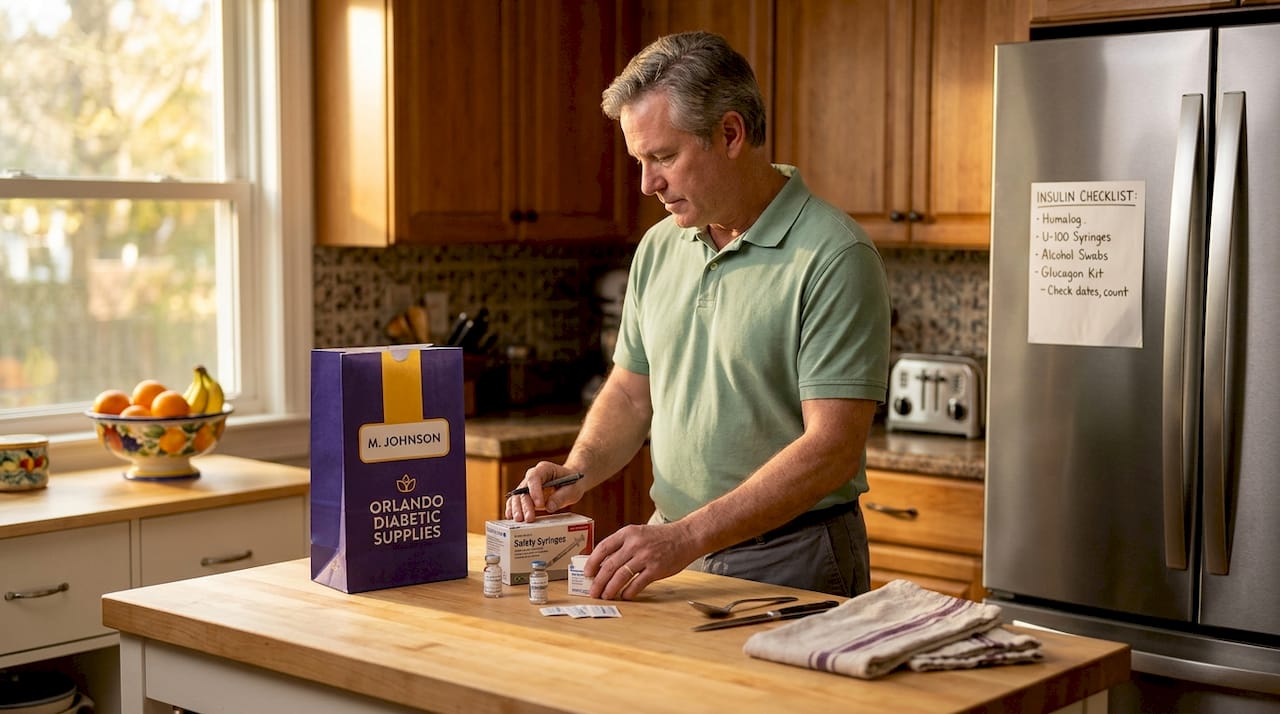
Medicare Part D covers insulin itself, along with syringes, needles, alcohol swabs, and gauze when used with insulin. The distinction matters because coverage depends on which part you are using, and each part carries its own deductible and cost-sharing structure.
For CGMs specifically, qualifying requires checking glucose four or more times daily and using insulin three or more times daily. If your current management plan does not meet both thresholds, Medicare will not cover a CGM under Part B.
Here is what you need to know about Medicare cost-sharing:
- Medicare pays 80% of the approved amount after you meet your Part B deductible
- You pay the remaining 20% coinsurance
- If your supplier does not accept assignment, your out-of-pocket costs can be significantly higher
- Supplier acceptance of assignment directly affects how much you pay at the time of service
Pro Tip: Always confirm that your supplier is Medicare-enrolled and accepts assignment before placing an order. A supplier who does not accept assignment can charge you more than the Medicare-approved amount, and you will be responsible for the difference.
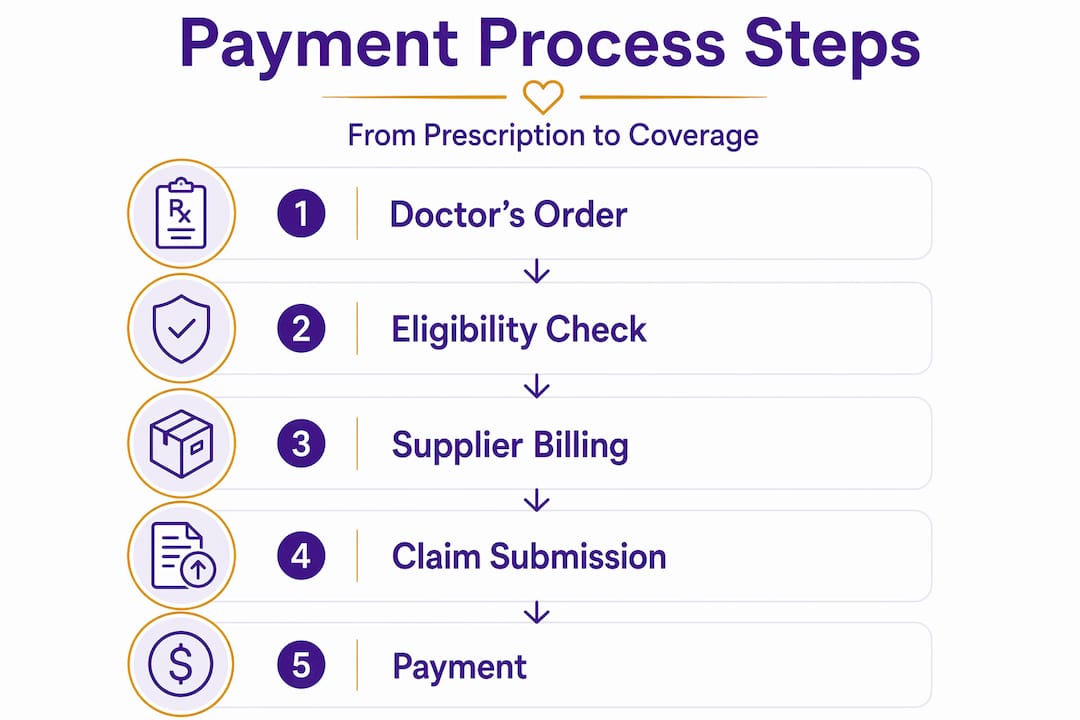
One of the most common mistakes Florida Medicare patients make is trying to submit their own claims. Patients cannot submit claims themselves. Medicare-enrolled pharmacies and durable medical equipment suppliers are required to bill Medicare directly on your behalf. If a supplier asks you to file the claim yourself, that is a red flag.
Understanding HCPCS codes and supplier participation also reduces billing errors. Each supply item has a specific code, and using the wrong one or ordering before your refill window causes denials that can take weeks to resolve.
TRICARE diabetic supply eligibility
If you or a family member receives benefits through TRICARE, the qualifying criteria for diabetic supplies follow a different set of rules. TRICARE covers diabetes supplies through two separate pathways: the pharmacy benefit and the medical benefit. Which pathway applies depends on the type of supply and how it is obtained.
For CGMs and insulin pumps, TRICARE applies stricter standards:
- Documentation of poor glycemic control despite current treatment
- Evidence of self-testing frequency meeting program thresholds
- Completion of a diabetes self-management education program
- Prior authorization, which is required even when the medical benefit is already approved
That last point catches many patients off guard. CGMs require prior authorization as a separate step, even after your doctor has confirmed medical necessity and your plan has given general approval. Skipping this step means your claim will be denied, regardless of how legitimate your need is.
For Florida-based TRICARE beneficiaries enrolled in the US Family Health Plan or receiving care in certain network arrangements, coverage pathways may vary slightly. Always confirm your specific plan’s rules before purchasing supplies.
Pro Tip: Call TRICARE’s beneficiary services line before ordering any CGM or insulin pump supply for the first time. Ask specifically whether prior authorization is required and request the authorization reference number in writing before your supplier ships anything.
Overseas beneficiaries face an additional layer of complexity. Local purchases outside the US require full upfront payment, with reimbursement submitted after the fact. Using military pharmacy channels or home delivery when available avoids that process entirely.
Private insurance and other payment options
Private insurance plans sold through Florida’s marketplace, employer groups, or individual carriers all cover diabetic supplies to some degree. However, the diabetic care payment qualifications and covered supply lists vary more than they do under Medicare or TRICARE. Patients with private insurance should review their plan’s summary of benefits carefully, because what one carrier covers at no cost another may require prior authorization or place on a high-cost formulary tier.
A few consistent steps will help you maximize your coverage regardless of which private plan you hold:
- Request a written list of covered diabetic supplies from your insurer, not just a verbal confirmation
- Ask whether your preferred CGM brand is on formulary or requires a brand exception
- Confirm whether your endocrinologist or primary care physician needs to submit the prescription through a specific process
- Check whether your plan uses a preferred mail-order supplier that offers lower cost-sharing
Beyond insurance, several programs offer financial assistance for diabetes management. The manufacturer patient assistance programs for Dexcom, Abbott, and Insulet (Omnipod’s maker) can significantly reduce out-of-pocket costs for patients who meet income thresholds. Florida also has county-level resources through local health departments and federally qualified health centers that provide supplies on a sliding-fee basis.
For patients who end up with surplus supplies due to mail-order overshipping or a change in treatment, managing your diabetic supply costs through a buyback program is a practical option. Many Florida patients receive more supplies than they use, and those sealed, unexpired extras have real monetary value.
Practical steps for Florida patients
Getting your supplies paid for comes down to execution. The rules exist, but so do the gaps where claims fall through. Here is a numbered checklist to follow every time you need to qualify supplies for payment:
- Get a current, valid prescription from your treating physician. Prescriptions for durable medical equipment often have specific format requirements. Ask your doctor’s office to confirm the prescription matches the payer’s requirements before submitting.
- Confirm your supplier’s enrollment status. For Medicare, use the online supplier directory at medicare.gov to verify that your supplier is enrolled and accepts assignment.
- Request prior authorization in advance for CGMs, insulin pumps, and other equipment that requires it. Do not wait until the order is placed.
- Track your refill windows. Most test strip orders cannot be refilled before 75 to 85 days from the last shipment date. Set a calendar reminder five days before your window opens.
- Document everything. Keep copies of all prescriptions, authorization numbers, and order confirmations. If a claim is denied, this documentation is what you use to appeal.
- Appeal denials promptly. Medicare and TRICARE both have formal appeal processes. Most first-level appeals must be filed within 60 to 120 days of the denial notice.
Here is a quick comparison of key coverage criteria across the three main programs:
| Criteria | Medicare Part B | TRICARE | Private Insurance |
|---|---|---|---|
| Prescription required | Yes | Yes | Yes |
| Prior authorization for CGMs | Not always | Always | Varies by plan |
| Claim filed by | Enrolled supplier | Enrolled provider | Provider or patient |
| Cost-sharing | 20% after deductible | Varies by plan | Varies by plan |
| Overseas coverage | No | Limited | Varies |
Pro Tip: If you are a Florida patient with both Medicare and a Medicaid supplement, your secondary coverage may eliminate the 20% coinsurance entirely. Always run your insurance cards together, not separately, to capture that benefit.
Florida residents who find that diabetic supply benefits go unused often do so simply because they did not follow through on prior authorization or chose a non-enrolled supplier. The fix is almost always procedural, not medical.
My take on the real barriers patients face
I have spent years helping Florida diabetic patients sort through insurance paperwork, and the single biggest pattern I see is this: people assume the system is designed to help them, so they trust it without verifying. That trust gets expensive.
The rule that suppliers must bill Medicare directly sounds straightforward, but I have watched patients buy supplies from non-enrolled vendors because they seemed convenient, then discover too late that no reimbursement was coming. It is not a complicated mistake. It is just an uninformed one.
What actually works is treating your insurance coverage like a contract you need to read, not a promise someone made to you. Know your refill dates. Know your supplier’s enrollment status. Know whether your CGM requires a separate authorization. These are not bureaucratic nuisances. They are the difference between getting paid and paying out of pocket.
The patients I see manage this well are the ones who communicate clearly with their doctors and pharmacies, keep a simple folder of their authorizations, and call their insurer before placing any first-time order. It is not complicated. It is just consistent.
— Liliana
Turn unused supplies into same-day cash in Orlando
If you have been navigating reimbursement rules and still end up with more supplies than you use, you are not alone. Many Florida patients accumulate sealed, unexpired CGM sensors, test strips, and pump supplies due to changing prescriptions or mail-order overshipping.
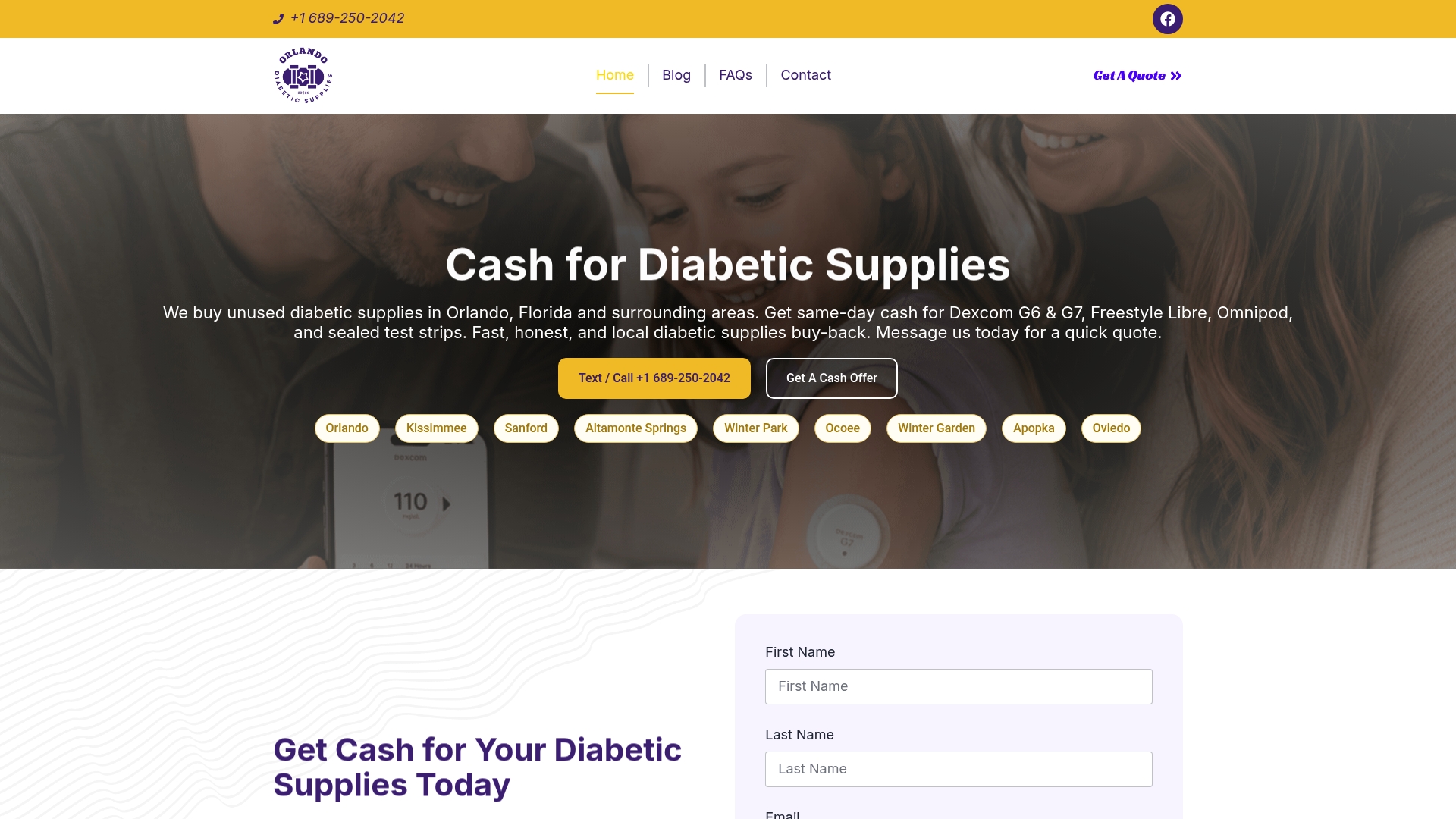
Orlando Diabetic Supplies Buyback offers a fast, local solution. We buy unused Dexcom G6 and G7 sensors, Freestyle Libre, Omnipod pods, and sealed test strips for same-day cash. The process is simple, honest, and local. No shipping required. Learn more about selling your unused supplies or visit Orlando Diabetic Supplies Buyback to see what we accept and get a quote today. You worked hard to manage your care. Those leftover supplies should work for you, too.
FAQ
What three things does Medicare require to cover diabetic supplies?
Medicare requires a confirmed diabetes diagnosis, a valid doctor’s prescription, and documented medical necessity. All three must be in place before a claim is processed.
Can I submit my own Medicare claim for diabetic supplies?
No. Medicare requires suppliers to bill Medicare directly. Patients cannot file their own claims for diabetic equipment or supplies.
Does TRICARE always require prior authorization for CGMs?
Yes. TRICARE requires prior authorization for continuous glucose monitors even when the medical benefit has already been approved. Skipping this step results in a claim denial.
What is the difference between Medicare Part B and Part D for diabetes supplies?
Part B covers durable equipment like glucose monitors and insulin pumps. Part D covers insulin itself and related delivery supplies like syringes and needles.
What can I do with diabetic supplies I cannot use?
Sealed, unexpired diabetic supplies can be sold through local buyback programs. Florida patients can visit Orlando Diabetic Supplies Buyback to compare selling versus donating and find the option that works best for their situation.