Whether you can sell unused, sealed and unexpired lancets depends on the circumstances. Never sell opened or used lancets, or supplies that Medicare or another program paid for. Lancets are sharps, so safety comes first. Check the FDA’s sharps guidance and your Medicare records before you sell, or ask a local buyer whether they accept eligible boxes.
TL;DR:
- Check Medicare statements, pharmacy labels, and supplier records before selling; keep any box whose private purchase cannot be confirmed out of the sale.
- Put used lancets into a sharps container cleared by the FDA or a household container that resists punctures, then follow local disposal rules.
- Photograph expiration dates and lot numbers, and retain original packaging, receipts, and pharmacy labels for a buyer’s inspection.
- Local handoffs avoid shipping risks and let buyers inspect packaging in person, while online platforms may require invoices or authorization letters beyond a receipt.
Table of Contents
- What counts as a lancet and where the selling limits are
- How Medicare and insurance rules affect resale
- Sharps safety: what the FDA says about lancets
- How to prepare unused lancets for sale
- Where to sell unused lancets and what to expect
- Why we push sealed supplies toward a local handoff
- Get same-day cash for eligible supplies in Orlando
- FAQ
- Sources
What counts as a lancet and where the selling limits are
Lancets are small, sharp-tipped devices that prick the fingertip so you can test your blood sugar. Because they pierce skin, they fall into the sharps category, and that shapes every rule below.
Here is how the limits usually work:
- Sealed, unopened, unexpired boxes that you bought yourself may be eligible for resale, but check the rules that apply to your situation.
- Opened boxes or used lancets should not be sold or given away; dispose of used lancets safely.
- Supplies paid for by a government program are typically off limits for resale. That includes items Medicare covered and boxes that arrived through an automatic shipment program.
- Supplies you can’t trace are best kept out of any sale. If you aren’t sure who paid, hold them back until you know.
To confirm where your supplies came from, look at your insurer or Medicare statements, check the pharmacy labels on the boxes, and call your supplier. Not sure if your leftovers qualify? Our guide on what counts as an unused diabetic supply walks through it.
How Medicare and insurance rules affect resale
Medicare Part B can cover lancets and test strips within set limits, and Medicare will not pay for supplies sent without your request. The same guidance says you should question auto-shipment programs that send supplies you never asked for. If a box was billed to Medicare or arrived through one of those programs, selling it can raise questions with your insurer.
Before you sell, run through this short list:
- Review your Medicare statements for the supplies in question.
- Call your supplier or pharmacy and ask how each order was billed.
- Keep any box you can’t document as privately purchased.
- Read the Medicare page on blood sugar control solutions if you need the basics of who can receive supplies.
Insurance limits also explain why so many people end up with extras. Our piece on how insurance quantity limits work for diabetics covers that background.
Sharps safety: what the FDA says about lancets
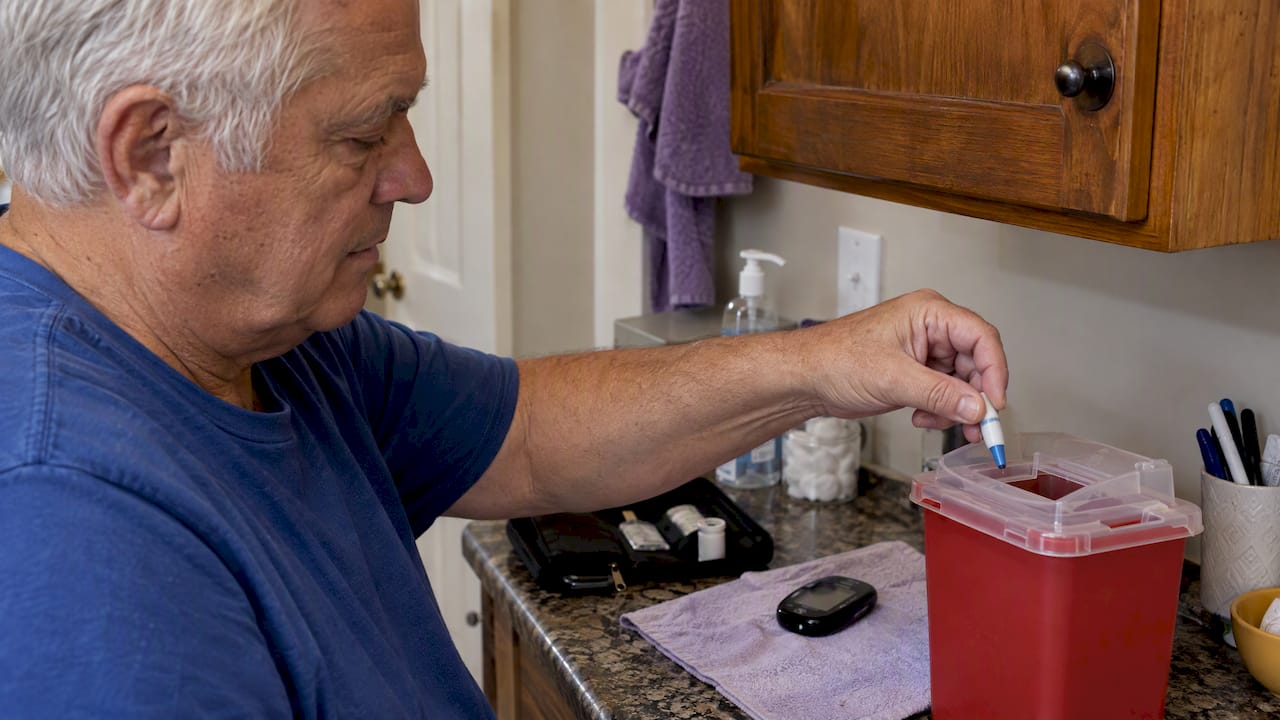
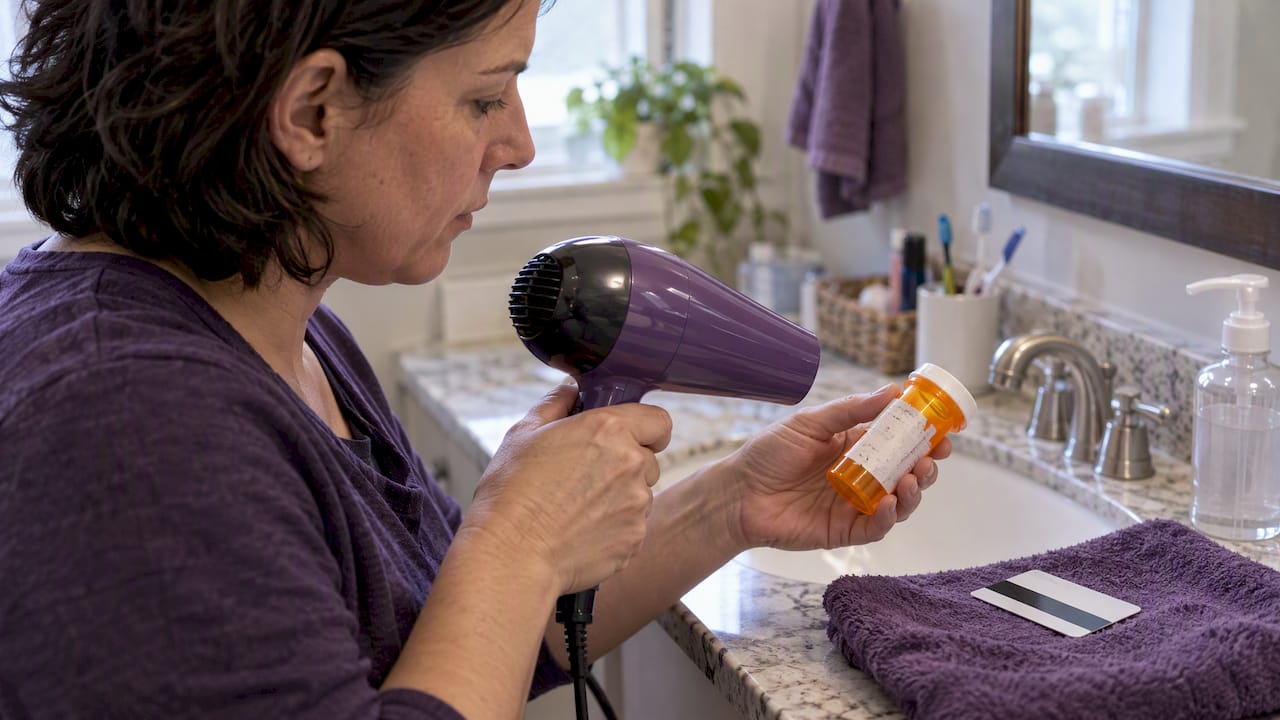
The FDA classifies lancets as sharps. Used ones must never go into household or public trash. They belong in an FDA-cleared sharps container or a suitable puncture-resistant household container, then get disposed of under local community guidelines.
That is why used lancets are never for sale. They pose a risk of accidental needle sticks to anyone who handles them. If you can’t sell your supplies, you still have safe options:
- Use an FDA-cleared sharps container when you can.
- If you don’t have one, use a heavy-duty plastic household container, as the FDA’s DOs and DON’Ts describe.
- Look for a drop-off site, such as a hospital, pharmacy or health department.
- Try a mail-back program or a household hazardous waste collection. The FDA’s guide to getting rid of used sharps says programs vary by location, and Safe Needle Disposal lists state-specific resources.
Pro Tip: Keep used lancets in their container from the first use. Hunting for a safe spot later is how accidental sticks happen.
How to prepare unused lancets for sale
A little prep helps you get a fair payout and keeps the sale lawful. Buyers look for clean, sealed, clearly dated boxes.
- Sell only sealed, unopened boxes. If the seal is broken, keep the box out of the sale.
- Check the expiration date and lot number on every box, and write down what you have.
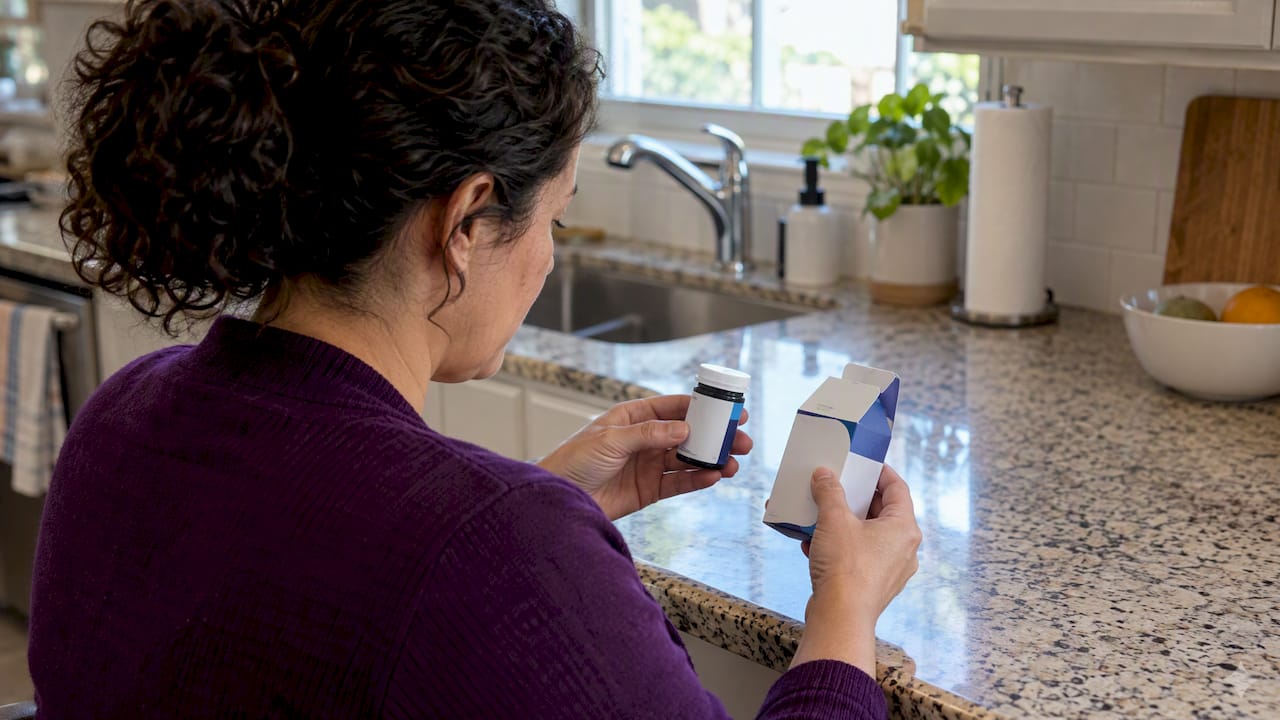
- Keep receipts, pharmacy labels and original packaging. They show where the supplies came from.
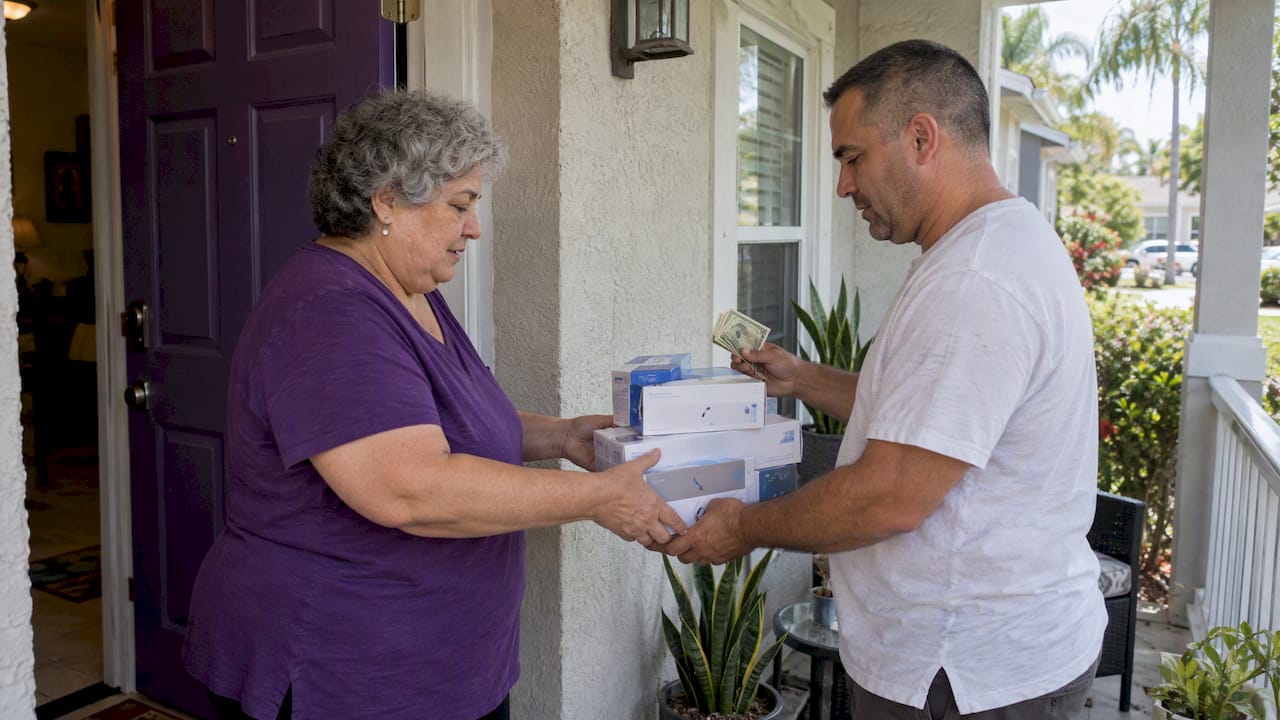
- Hand over boxes in person, intact and in their original packaging.
- Never ship sharps unless a buyer gives you approved packing instructions.
- Set aside anything opened, used, or impossible to prove was not billed to Medicare.
Pro Tip: Lay your boxes out and photograph the dates and lot numbers before you contact anyone. It speeds up the conversation.
Where to sell unused lancets and what to expect
You have a few realistic routes, and each one trades speed against hassle.
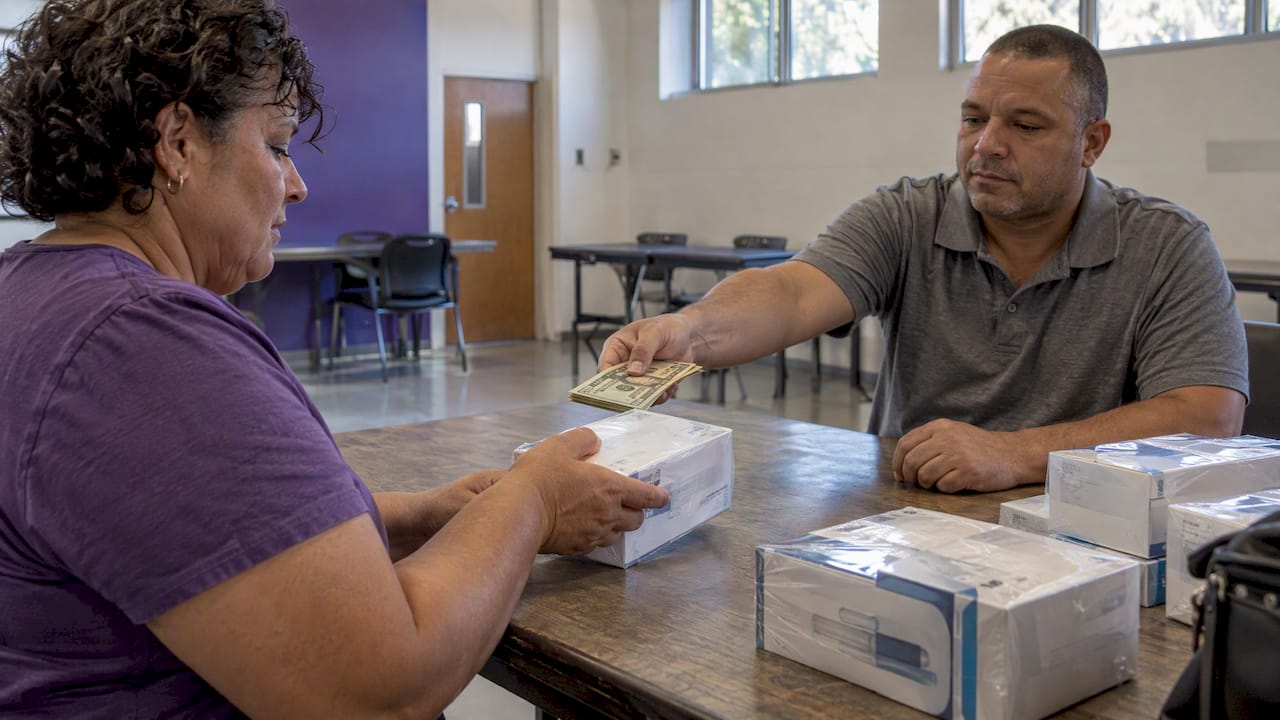
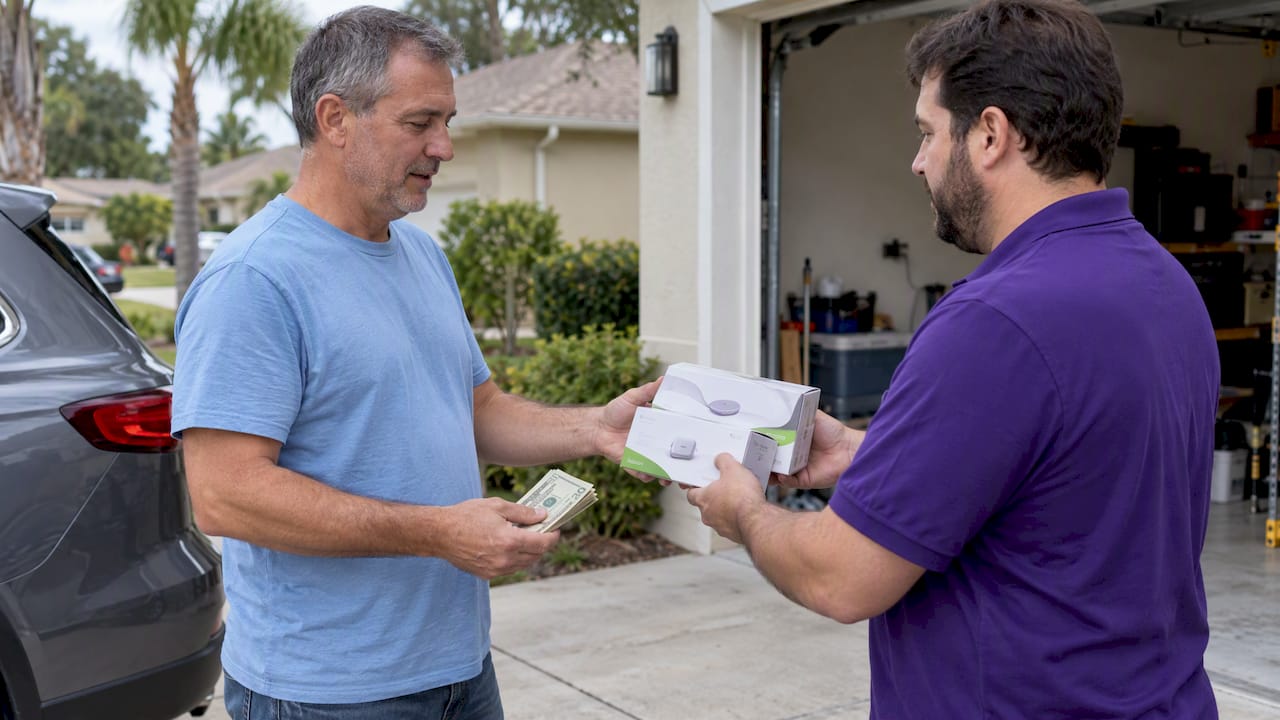
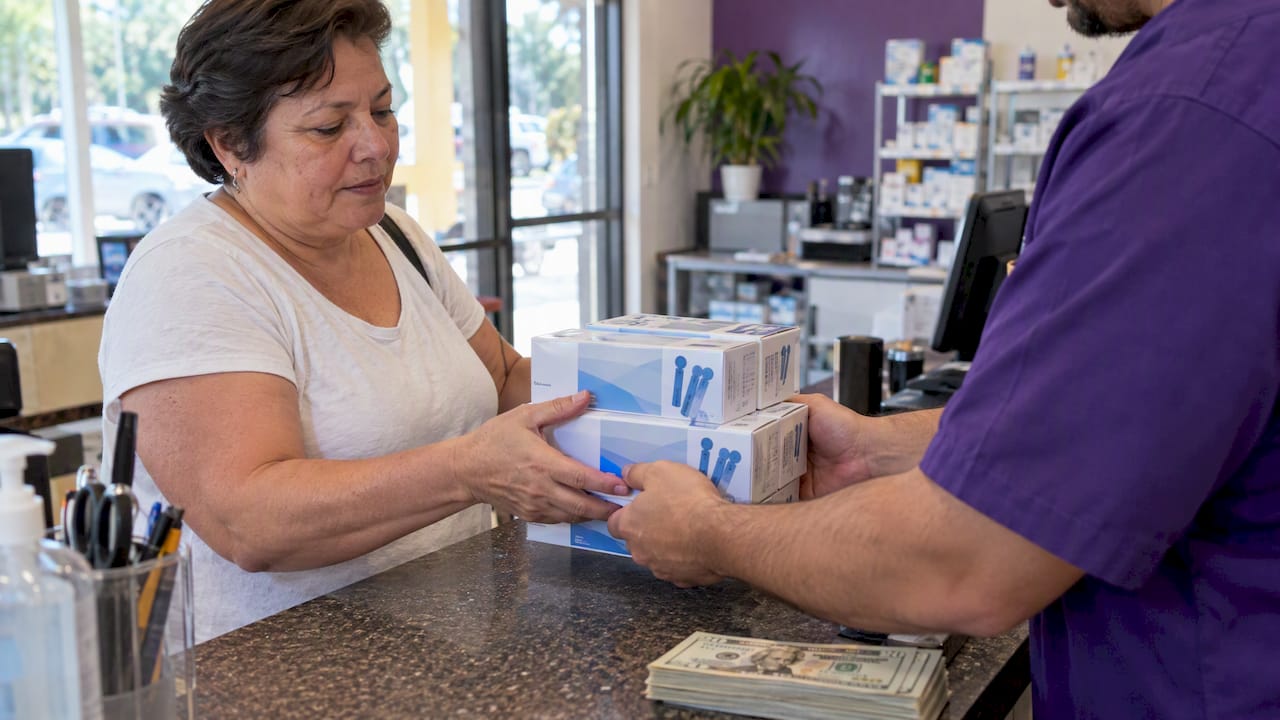
- Local in-person buyback: You meet in person, the buyer inspects the boxes, and payment arrangements depend on the buyer. Expect to show sealed packaging and expiration dates. There is no shipping.
- Online marketplaces and buyback sites: Read the seller policies first. Some platforms ask for invoices or authorization letters, and a plain receipt may not satisfy proof-of-origin rules for health items. Shipping adds delay and cautions of its own.
- Donation: Some groups accept unopened items, but restrictions may apply, so ask before you drop anything off.
Before paying, a buyer may ask to see the packaging, check dates, and confirm the supplies weren’t covered by a government program. Prices for lancets vary by brand and demand. For the full process, see our step-by-step guide to getting cash for unused diabetic supplies.
Why we push sealed supplies toward a local handoff
Most selling mistakes I see come from skipping the paperwork question: who actually paid for these boxes? Getting that answer first protects you from an insurer headache later. I favor a local, in-person handoff for sealed items because you can watch the inspection, skip the shipping risks, and walk away paid. Our buyback pages lay out the next steps.
— Liliana
Get same-day cash for eligible supplies in Orlando
We buy unused, sealed, unexpired diabetic supplies. Contact us to ask about payment arrangements. Our handoffs happen in safe, local public places, so there is no shipping and no waiting.
Bring these to the meetup:
- Sealed packaging, never opened
- Expiration details for each box
- Any receipts or pharmacy labels you have
Selling a Dexcom G7 pack? We pay $70–$90 per pack. FreeStyle Libre 2 sensors bring $15–$20 each. Start at our cash for diabetic supplies page to check your items and set up a meetup.
This article is general information, not a substitute for advice from a qualified doctor. Consult a qualified healthcare professional about your own circumstances before acting on anything here.
FAQ
Is a prescription needed for lancets?
Lancets are generally sold over the counter, so many buyers don’t need a prescription. Medicare Part B, however, covers lancets only under defined limits, so insured patients usually go through a supplier. Check with your pharmacy about your own plan.
Is it legal to sell your unused diabetic supplies?
Whether you can sell unused, sealed, unexpired supplies you bought yourself depends on the rules that apply to your situation. Supplies paid for or sent by Medicare or another program are typically restricted, and used items can never be sold. For your exact case, check with your insurer or a qualified professional.
How do you dispose of diabetes lancets?
Place used lancets straight into an FDA-cleared sharps container or a heavy-duty puncture-resistant household container. Then follow your local guidelines, which may include drop-off sites, mail-back programs or hazardous waste collection.
Can you sell lancets without receipts?
Sometimes, if the boxes are sealed and unexpired. A receipt still helps prove the supplies weren’t billed to Medicare, and some online platforms require more proof than a receipt.
Sources
- Safely Using Sharps (Needles and Syringes) at Home, at Work and on Travel | FDA
- Medicare Coverage of Diabetes Supplies, Services & Prevention Programs