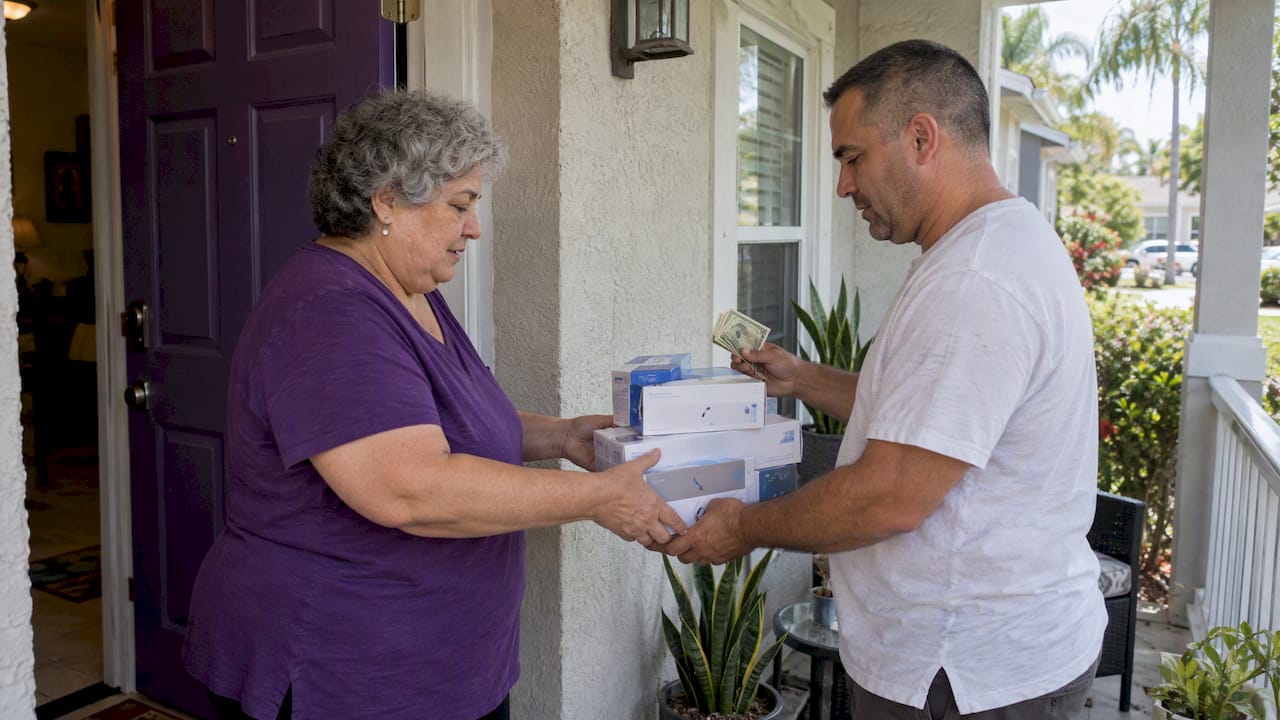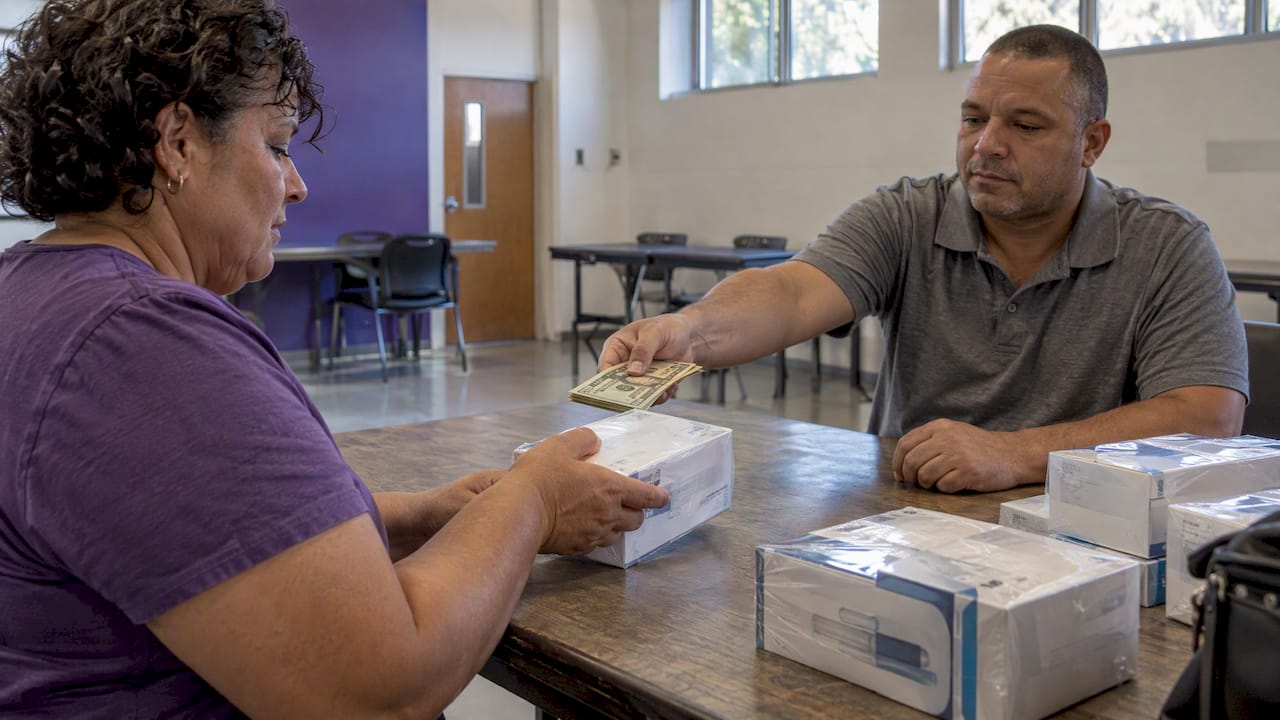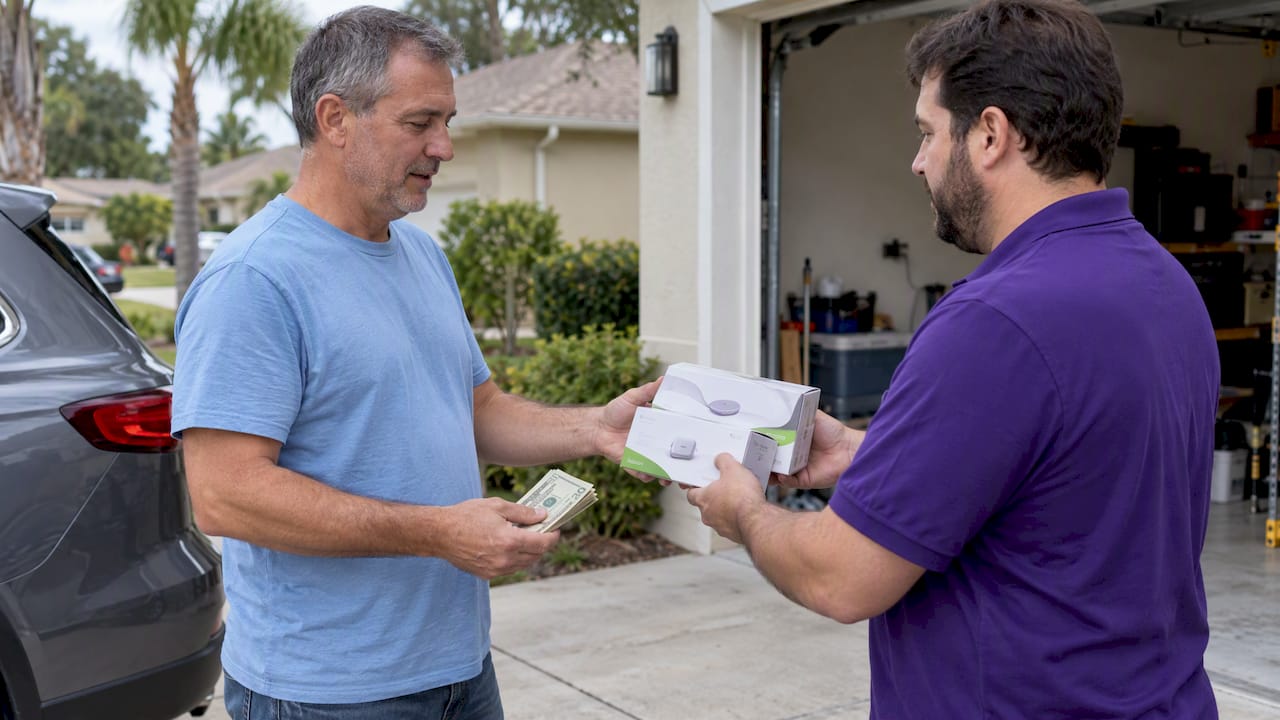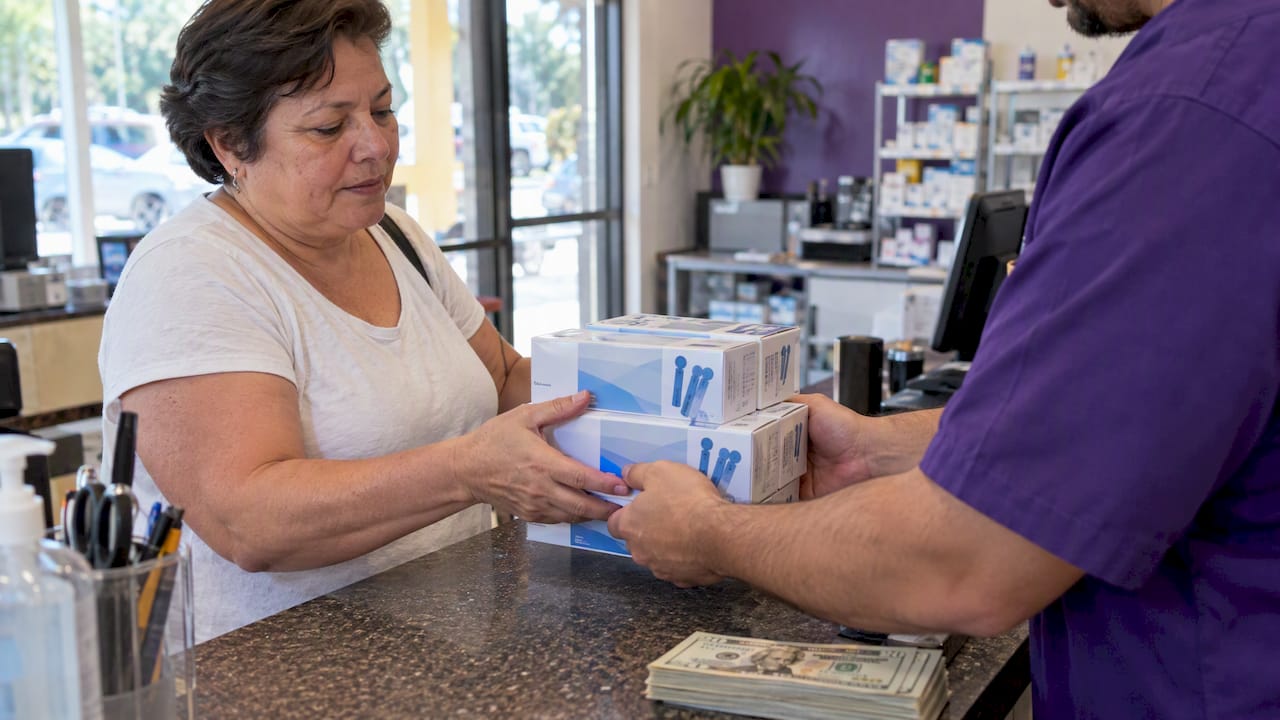
You can get same-day cash in Orlando for sealed, unexpired Dexcom G6/G7 sensors, FreeStyle Libre sensors, Omnipod pods, and sealed test strips. Bring the original packaging with a visible expiration date and lot number. Local buyers inspect each item on the spot, pay you right away, and give you a receipt you should keep for your own records.
TL;DR:
- Items must be sealed, unexpired, and in original packaging, with visible lot numbers and expiration dates for quick verification and higher offers.
- Payment methods usually include cash or instant electronic transfer, but IRS rules mean keeping records for tax purposes remains essential.
- Offers are influenced by remaining shelf life, packaging integrity, lot traceability, brand demand, and storage conditions, with longer shelf life and proper storage increasing value.
- Both selling and donating supplies require careful sorting, documentation, and adherence to safety standards to avoid rejection or safety risks.
- Selling supplies provides same-day cash with no wait, while donations can help local patients but often involve longer arrangements and uncertain timing.
Table of Contents
- What to Bring to a Same-Day Buyback Appointment
- How You’ll Get Paid and What to Know About Taxes
- How Local Buyers Evaluate and Price Unused Supplies
- Step-by-Step Process to Sell Supplies in Orlando
- Why Buyers Reject Expired or Mishandled Supplies
- Who Can Donate Supplies and Are There Limits
- Local Organizations in Orlando That Accept Donations
- How to Prepare Supplies for Donation
- Guidelines and Legal Considerations for Donating Medical Supplies
- Alternatives to Selling: Nonprofit Options and Community Programs
- How Donated Supplies Help Recipients Locally
- What We’ve Seen Sellers Experience Firsthand
- Sell Your Supplies for Same-Day Cash in Orlando
- FAQ
- Sources
What to Bring to a Same-Day Buyback Appointment
A fast appointment starts with the right items in the right condition. Buyers generally accept:
- Sealed, unexpired Dexcom G6 or G7 sensors in original packaging
- Unopened FreeStyle Libre sensors with the box intact
- Unused Omnipod pods still sealed in manufacturer packaging
- Branded, sealed test strip boxes (not generic or store-brand)
Keep boxes in their original state. Don’t tape over the expiration date or lot number since buyers need both visible to verify the item quickly. If you still have the pharmacy receipt or manufacturer paperwork, bring it along. It speeds up the inspection and can support a stronger offer.
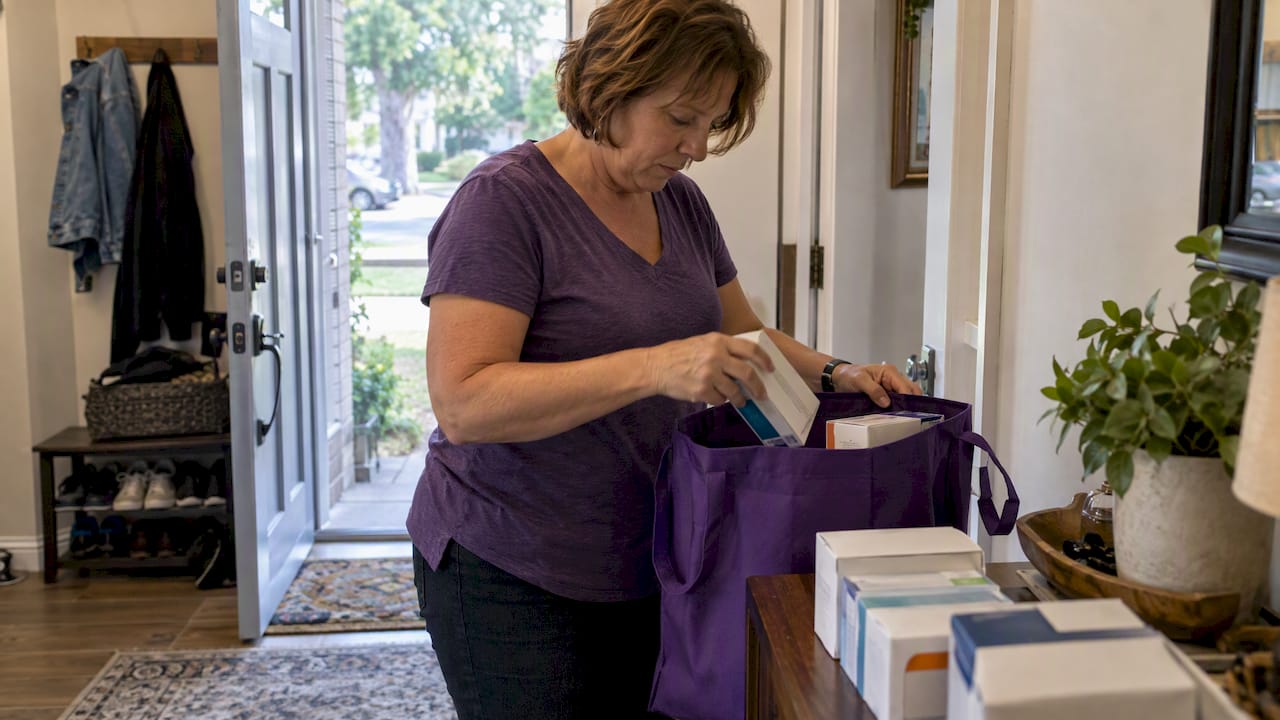
Organize multiple boxes by lot number before you arrive. When several boxes share a lot, a buyer can verify them as a batch instead of checking each one individually, which saves everyone time.
Pro Tip: Take a quick photo of each box (front, back, and the panel showing expiration and lot number) before your appointment. It gives you a backup record and helps if any question comes up later.
How You’ll Get Paid and What to Know About Taxes
Most local buyback appointments in Orlando offer a choice between cash and instant electronic transfer. Confirm which method a buyer uses before you schedule the meetup, since not every buyer offers both.
Getting paid in cash doesn’t mean the transaction disappears from a tax standpoint. The IRS explains that receiving a Form 1099-K from a payment app or platform doesn’t automatically mean you owe tax on that amount. It’s an information form, not a tax bill, but it does mean you should keep records of what you sold and for how much.
- Save a written receipt for every transaction, including the date, items, and amount paid
- Note your original purchase price if you still have it, since that helps establish whether you had a gain or a loss
- Keep records for at least a few years in case questions come up later
A separate point worth knowing: Florida’s Department of Revenue lists glucose test kits, reagent strips, and related diagnostic supplies as exempt from sales tax under form DR-46NT. That exemption is about retail sales tax classification. It doesn’t decide whether your personal sale needs to be reported as income, which is a separate federal question.
How Local Buyers Evaluate and Price Unused Supplies
Offers vary because several factors stack on top of each other. Here’s what typically moves the number:
- Remaining shelf life. A box with eight months left on the expiration date is worth more than one expiring next week.
- Packaging integrity. Dented boxes, missing flaps, or tampered seals lower or eliminate value.
- Lot traceability. Boxes with a clearly visible lot number process faster and often earn a cleaner offer.
- Brand and model demand. Current-generation devices like Dexcom G7 or FreeStyle Libre sensors typically move faster than older models.
- Storage history. Items kept in a closet at room temperature hold value better than items left in a car or near a window.
The FDA ties product dating directly to labeled storage conditions, which is why two boxes of the same brand can carry different value depending on how long is left and how they were stored. A box with six unopened sensors and a long shelf life, kept in a cool, dry spot, usually commands a stronger offer than a single box nearing its expiration date with a bent corner.
Pro Tip: If you have multiple boxes from the same lot, keep them together. Verifying one lot number for a batch of boxes is faster than treating each box as a separate check.
Step-by-Step Process to Sell Supplies in Orlando
Getting paid the same day comes down to preparation and picking a legitimate buyer. Here’s the sequence that works:
- Inventory everything. List each sealed item and photograph the expiration date and lot number on every box.
- Confirm eligibility. Items need to be sealed, unexpired, and in original packaging. Set aside anything opened or damaged.
- Contact a local buyer and schedule a visit. Ask where the meetup happens and confirm it’s a safe, public location.
- Bring ID and any original purchase paperwork. This isn’t always required, but it helps if a buyer asks questions about where the supplies came from.
- Complete the inspection, accept payment, and get a written receipt. Keep that receipt with your other transaction records.
A few red flags are worth knowing before you go:
- A buyer who asks you to alter, cover, or relabel the expiration date or lot number
- A buyer who insists on shipping items with no verifiable local presence or business identity
- A buyer who won’t meet in a public place or refuses to provide a receipt
Why Buyers Reject Expired or Mishandled Supplies
Inspection rules exist for a real reason. The FDA has warned about risks tied to pre-owned or improperly handled glucose test strips, including adverse-event reports connected to expired or compromised products. That’s why a legitimate buyer checks more than just the box label.
Here’s what typically gets reviewed during inspection:
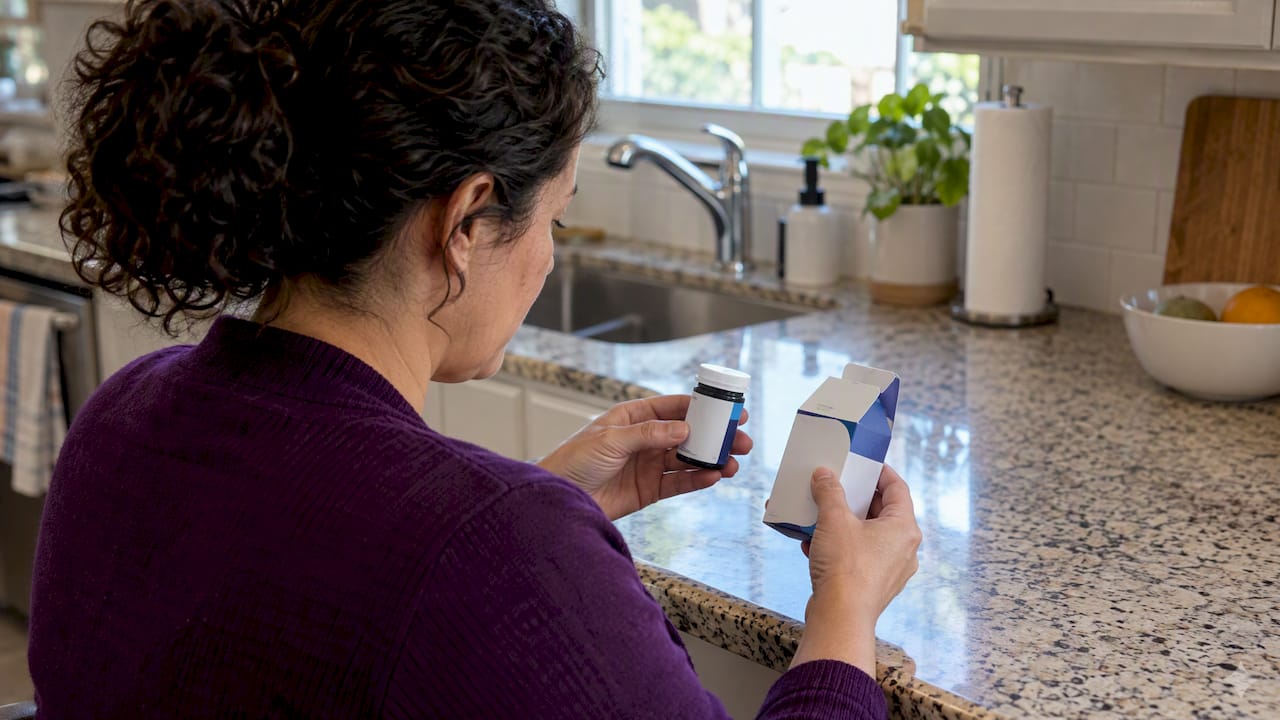
- Expiration date, checked against the labeled shelf life for that specific device
- Lot number, confirmed against the packaging to rule out tampering
- Package integrity, looking for any sign the seal has been broken
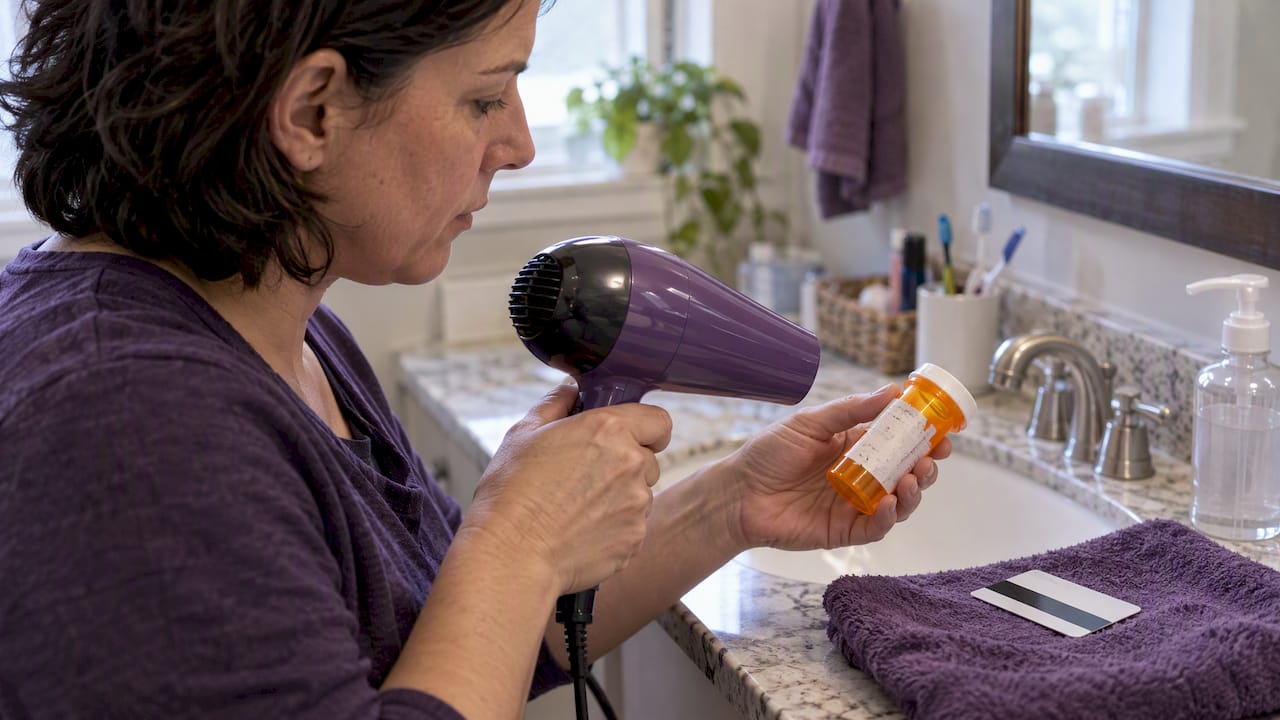
- Signs of temperature or moisture damage, since heat and humidity can affect test strip accuracy and sensor reliability
Different devices carry different approved storage windows, which is one reason a buyer can’t simply glance at a box and assume it qualifies. Each product’s labeled conditions determine whether it’s still usable, and that’s the standard a careful buyer applies before paying for anything.
Who Can Donate Supplies and Are There Limits
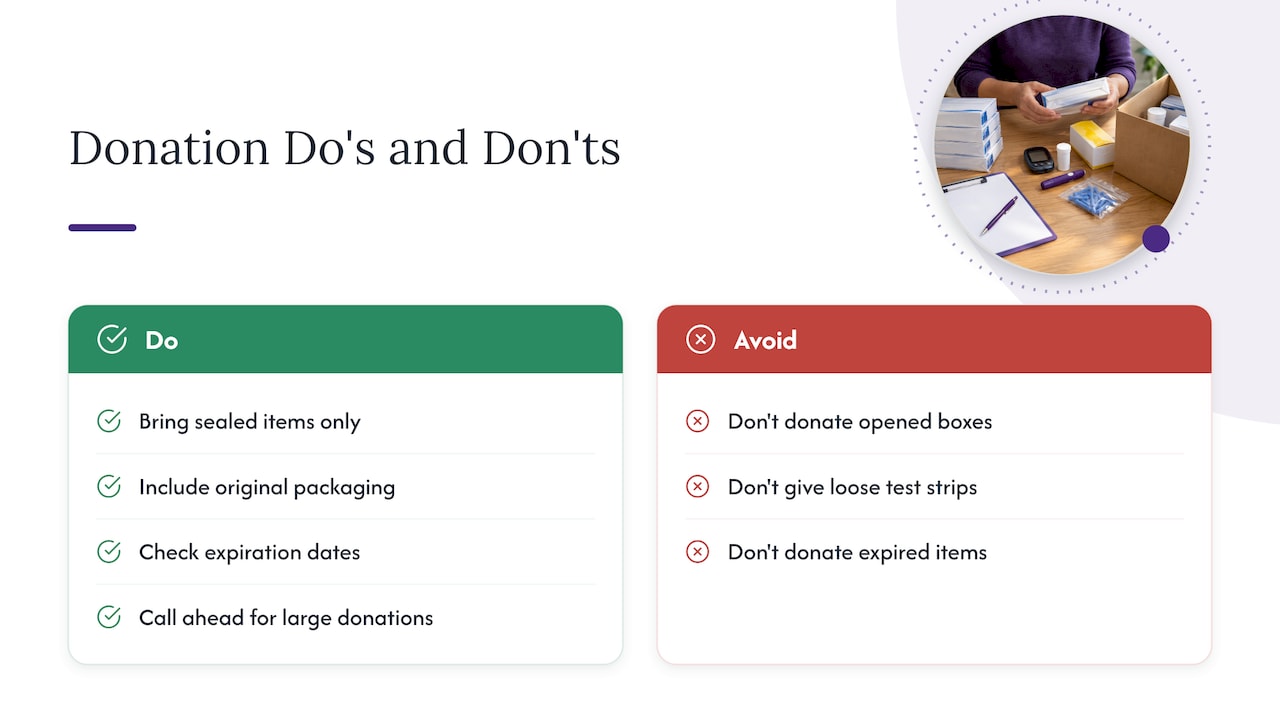
If your goal is giving supplies away rather than selling them, most local programs that accept donated diabetic supplies ask for the same baseline: items must be sealed, unexpired, and in original packaging. Programs generally don’t accept opened boxes, loose test strips, or anything past its labeled date, for the same safety reasons a cash buyer would decline them.
Donation limits tend to be practical rather than formal. A program might ask that you call ahead if you’re bringing a large quantity, simply so staff can plan for intake and storage space. Individuals donating a personal supply of excess sensors, pods, or strips rarely run into a cap, but a household or caregiver clearing out a larger stockpile should expect to coordinate timing with whichever organization they’re giving to.
Eligibility to donate typically isn’t restrictive. Anyone with legitimately obtained, unused supplies can usually give them, whether the surplus came from an insurance change, a device upgrade, or a prescription that didn’t get used before a new one was issued. The common thread across most intake processes is condition, not the donor’s background: sealed packaging and a valid expiration date matter more than who’s dropping the box off.
Local Organizations in Orlando That Accept Donations
Orlando has several avenues for donating unused diabetic supplies, though acceptance policies and current needs shift over time, so a quick call ahead is always worth the few minutes it takes. National diabetes organizations with a presence in Central Florida sometimes run supply donation or exchange programs, as do some local clinics and community health centers that serve uninsured or underinsured patients.
Houses of worship and community health outreach groups in the Orlando area occasionally collect diabetic supplies as part of broader medical donation drives, particularly around back-to-school or holiday giving seasons. Independent pharmacies and some endocrinology practices may also know of patients in need who could use donated sensors, pods, or strips directly.
Because availability and intake rules change, the most reliable approach is to call ahead and ask three things: what conditions they require, whether there’s a size or quantity limit, and how they prefer items delivered. If a sealed box sits past its expiration before you find a taker, that window closes fast, which is part of why many Orlando residents facing unused supplies choose the same-day cash route instead of waiting on a donation match.
How to Prepare Supplies for Donation
Preparing supplies for donation looks a lot like preparing them for a buyback appointment, since both routes depend on the same basic condition standards. Start by sorting everything into sealed, unopened items and anything that’s been opened or is past its expiration date. Only the first group is generally usable by a donation program or a buyer.
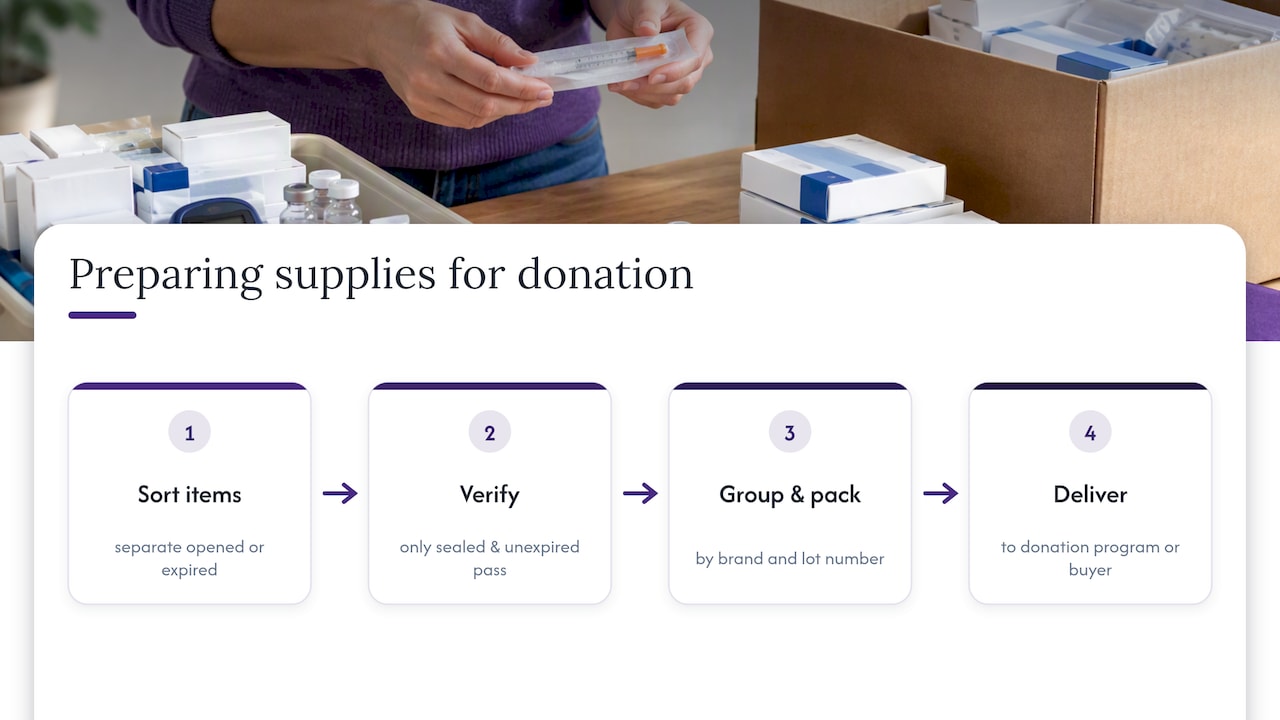
Keep boxes in their original packaging and avoid writing on them or covering the lot number and expiration date. If you have the original pharmacy receipt or any paperwork showing when the item was purchased, set it aside with the supplies. It’s not always required, but it answers questions faster if anyone intake-checks the donation.
Group items by brand and lot number so whoever receives them can verify everything in batches rather than one box at a time. If you’re mailing or dropping off a donation rather than handing it over in person, pack it so boxes won’t get crushed in transit since damaged packaging can disqualify an otherwise good item.
A simple written list, even just a few lines noting what’s in the box and the expiration dates, helps the receiving organization process your donation faster and gives you a personal record of what you gave away.
Guidelines and Legal Considerations for Donating Medical Supplies
Donating medical supplies isn’t heavily regulated at the individual level, but a few practical guidelines matter. Items should be sealed and unexpired, since giving away expired or opened medical supplies, even with good intentions, can create a safety problem for whoever eventually uses them. The FDA’s safety guidance on expired or improperly handled test strips applies whether supplies change hands through a sale or a donation.
If you’re donating to a registered nonprofit, you may be able to claim a noncash charitable deduction, though the rules around valuing and documenting that kind of gift are specific. A donor’s guide to noncash charitable contributions walks through what receipts and documentation a donor typically needs to support a deduction claim.
There’s no federal law preventing a private individual from giving away unused, sealed diabetic supplies, but organizations accepting donations often have their own intake policies shaped by liability concerns. That’s why most ask for original packaging and visible dating, not because of a specific regulation, but because it protects both the donor and the recipient from the same safety risks the FDA has flagged.
Alternatives to Selling: Nonprofit Options and Community Programs
Selling for same-day cash isn’t the only path if your sealed, unexpired supplies don’t need to become immediate money. Community health centers in the Orlando area sometimes maintain informal supply-sharing networks for uninsured patients managing diabetes. Diabetes-focused nonprofits may run periodic collection drives, particularly tied to awareness months or local health fairs.
Some endocrinology and primary care practices keep a small reserve of donated sensors or pods for patients between insurance approvals. Asking your own provider’s office, or a nearby clinic, whether they accept or know of a donation pathway can connect your surplus to someone who needs it without going through a formal nonprofit.
The tradeoff is timing. A donation match can take longer to arrange than a same-day buyback appointment, and if your supplies are approaching their expiration date, that delay can mean the window closes before a match is found. For sellers who want certainty and speed, a local cash buyback remains the more predictable option, while donation suits those with more flexible timing or a personal preference for giving rather than selling.
How Donated Supplies Help Recipients Locally
Diabetes management is expensive even with insurance, and sensors, pods, and test strips add up fast for someone paying out of pocket or managing a high deductible. A donated box of sealed, unexpired supplies can cover weeks of monitoring for someone who would otherwise have to ration test strips or delay replacing a sensor past its intended wear time.
For uninsured or underinsured patients in the Orlando area, a single donated Dexcom sensor or Omnipod pod can mean the difference between consistent glucose monitoring and going without for a stretch. Community health centers that serve this population often stretch limited supply budgets, so a donated box goes directly toward a patient who needs it rather than sitting in inventory.
The impact scales with condition. A sealed box with months of shelf life left gives a recipient real runway, while a near-expired item offers only a short-term bridge before it needs replacing again. That’s part of why the same packaging and dating standards that matter to a cash buyer also matter to a donation recipient: a usable product helps someone manage a chronic condition, while a compromised one creates risk for a population that’s often already stretched thin.
What We’ve Seen Sellers Experience Firsthand
Sealed, unexpired Dexcom G6 and G7 sensors, FreeStyle Libre sensors, Omnipod pods, and sealed test strips can be sold by individuals in the Orlando area. The sellers who move fastest through an appointment are the ones who show up with original packaging, visible lot numbers, and a quick note on how supplies were stored. Meetups happen in safe, public locations, and payment comes with a written receipt every time.
— Liliana
Sell Your Supplies for Same-Day Cash in Orlando
If you’d rather get paid today than wait on a donation match, we make that simple. Dexcom G6 and G7 sensors, FreeStyle Libre sensors, Omnipod pods, and sealed test strips can be sold locally in Orlando, with payment offered at the same appointment where items are inspected.
Booking a meetup is straightforward:
- Reach out through our main buyback page to get started
- Bring sealed, unexpired items in original packaging to a safe, public meetup spot
- Get your items inspected on the spot and walk away with cash or an instant transfer
Pricing depends on the item. Our Dexcom G7 buyback page lists $70 to $90 per pack for qualifying sensors, and our FreeStyle Libre 2 buyback page lists $15 to $20 per sensor. No shipping, no waiting on a match, and no guessing whether your supplies will find a home before they expire. Check your items against our eligibility list and reach out today to schedule a same-day appointment.
FAQ
Can I really get paid the same day for diabetic supplies in Orlando?
Yes, local buyback appointments typically pay on the spot once your sealed, unexpired items pass inspection. You’ll want original packaging with a visible expiration date and lot number to keep the process quick.
Do I have to report cash from selling diabetic supplies on my taxes?
Receiving a Form 1099-K doesn’t automatically mean you owe tax on the amount, but you should keep a receipt and your original purchase information in case questions come up. Tax treatment depends on your specific situation, so check with a tax professional if you’re unsure.
What diabetic supplies can I sell for cash in Orlando?
Buyers generally accept sealed, unexpired Dexcom G6 and G7 sensors, FreeStyle Libre sensors, Omnipod pods, and branded, sealed test strip boxes. Opened, expired, or damaged packaging typically disqualifies an item.
Why would a buyer refuse my test strips or sensors?
Buyers reject items that are expired, opened, or show signs of temperature or moisture damage, partly because the FDA has flagged safety risks tied to improperly handled test strips. Packaging integrity and a visible lot number are what make an item verifiable and safe to resell.
Is donating diabetic supplies better than selling them for cash?
It depends on your priorities: donating can help a local patient in need but may take longer to arrange, while selling gets you same-day cash with no waiting on a match. If your supplies are close to their expiration date, selling avoids the risk of that window closing before a donation recipient is found.
Sources
- Expiration dating and stability testing — FDA
- Nontaxable Medical Items and General Grocery List — Florida Department of Revenue (DR‑46NT)
- What to do with Form 1099‑K — IRS