Yes, you can sell unopened, unexpired diabetic supplies in Florida for same-day cash, as long as the items are sealed, in date, and free of any prescription drug content. Dexcom sensors, FreeStyle Libre boxes, Omnipod pods, and sealed test strips all qualify with the right buyer. Local buyers handle these in-person transactions regularly, and the rest of this guide walks through exactly how to prepare, what to avoid, and what fair pricing looks like.
TL;DR:
- Only sealed, unexpired, and unmarked diabetic supplies qualify for resale; opened, expired, or prescription drugs are immediately disqualified.
- Pricing varies by brand and shelf life, with Dexcom G7 sensors fetching $70 to $90 per pack and FreeStyle Libre 2 sensors around $15 to $20 each.
- Sellers must prepare clear photos of expiration dates, lot numbers, and keep detailed records to ensure a smooth inspection and fair transaction.
- Local transactions require in-person meetups, government ID, signed receipts, and immediate payment via cash or bank transfer, with supplies kept in original packaging.
- Verify buyer legitimacy by checking local reputation, clear communication, and avoiding vague or pressured meeting arrangements to prevent scams or disputes.
Table of Contents
- Is Buying Supplies Legal in Florida? What Qualifies
- How Do You Sell Diabetic Supplies for Same-Day Cash?
- What Florida Laws Apply to Selling Diabetic Supplies?
- How Much Are Diabetic Supplies Worth?
- What Happens During Inspection and Payment?
- What If a Buyer Refuses Your Items After Payment?
- How Do You Verify a Buyer Is Legitimate?
- How Do You Safely Transport Your Supplies?
- How Should You Document the Transaction?
- Why Florida Sellers End Up With Surplus Supplies
- Get Same-Day Cash for Your Unused Diabetic Supplies
- Sources
- FAQ
Is Buying Supplies Legal in Florida? What Qualifies
Buying supplies legal in Florida hinges on one simple rule: the item has to be sealed, unexpired, and free of any controlled substance. That’s the line between a legitimate cash sale and a legal headache. Here’s what typically clears that bar and what doesn’t.
Items that usually qualify:
- Dexcom G6 and G7 sensors, still sealed in the manufacturer box
- FreeStyle Libre sensors, unopened and within the printed expiration window
- Omnipod pods, sealed in original packaging
- Test strips from major brands, sealed boxes only, not loose or repackaged
Condition requirements buyers check first:
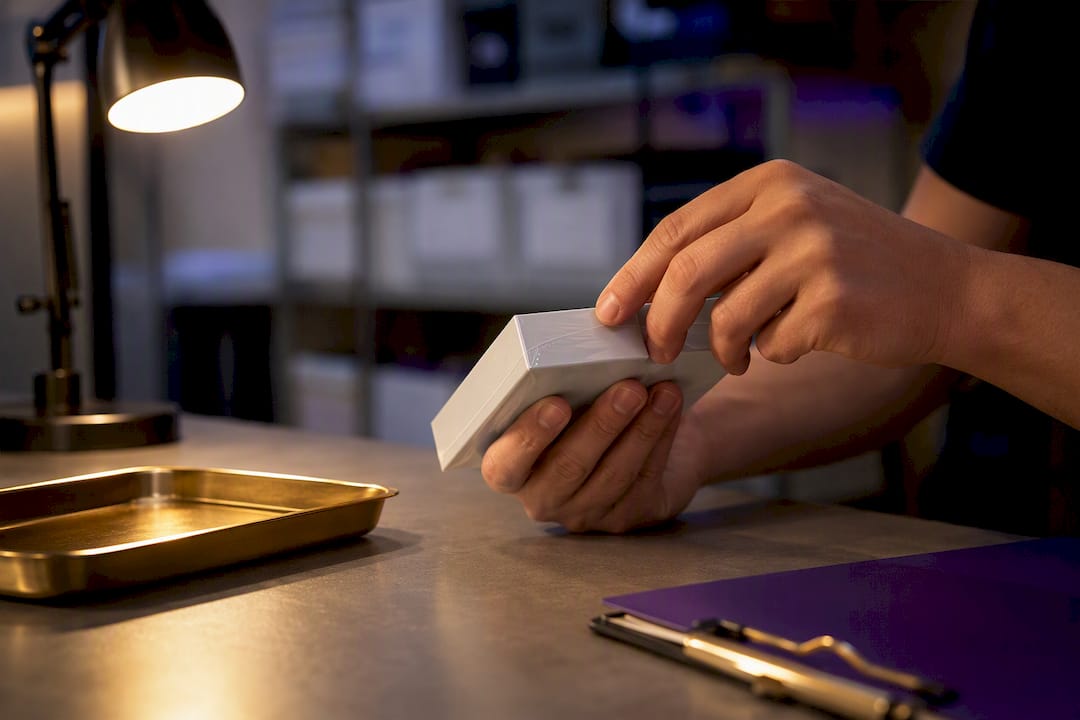
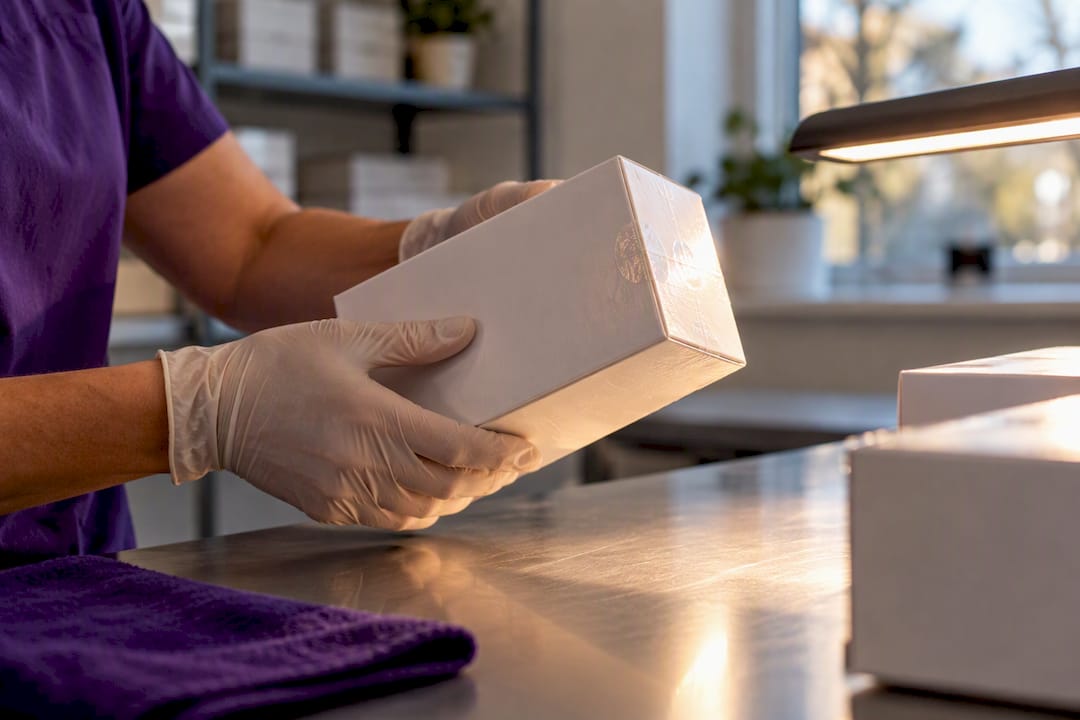
- Factory seal intact, no tampering with the box or foil pouch
- Expiration date clearly visible and at least a few weeks out, ideally longer
- Lot number and serial information still legible on the box
- Original packaging present, not a Maggie or unmarked container
What disqualifies an item immediately:
- Anything opened, used, or missing its factory seal
- Expired stock, even by a few days
- Prescription drugs, including opened insulin vials or pens
- Items marked as “drug samples,” which Florida law treats as a separate, restricted category
Before you contact anyone, take clear photos of the expiration date and lot number on each box, and pull together any pharmacy receipts you still have. That paperwork speeds up inspection and helps you avoid Medicaid fraud risk tied to unclear item origin.
How Do You Sell Diabetic Supplies for Same-Day Cash?
Selling locally is a five-step process, and most sellers finish start to finish within a day.
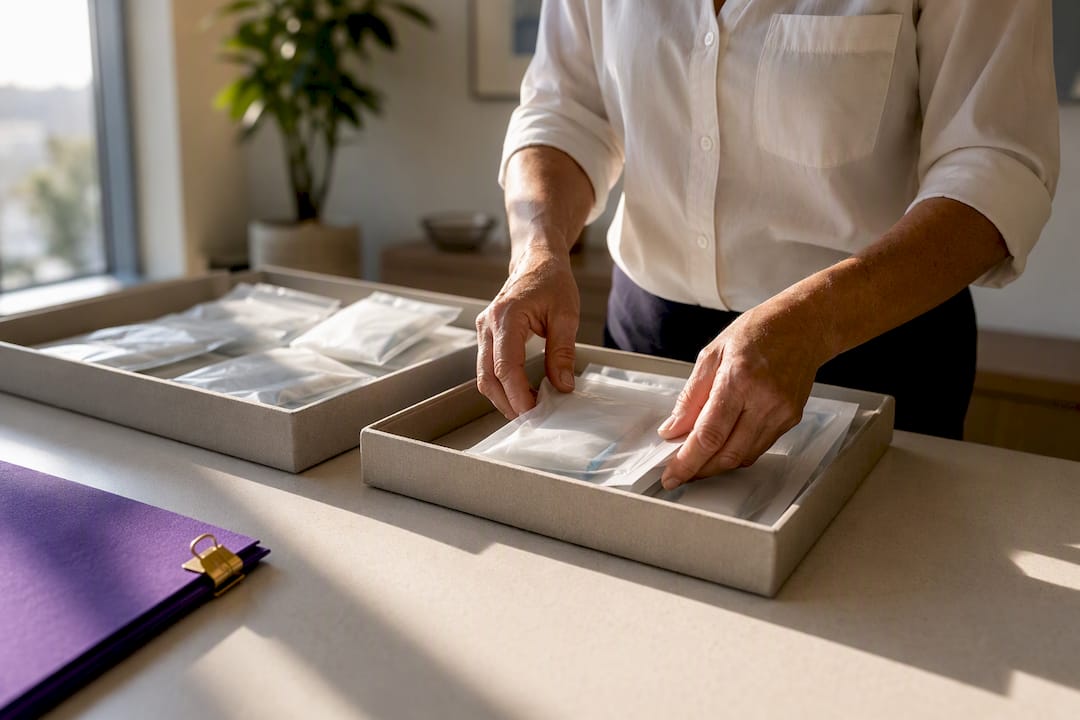
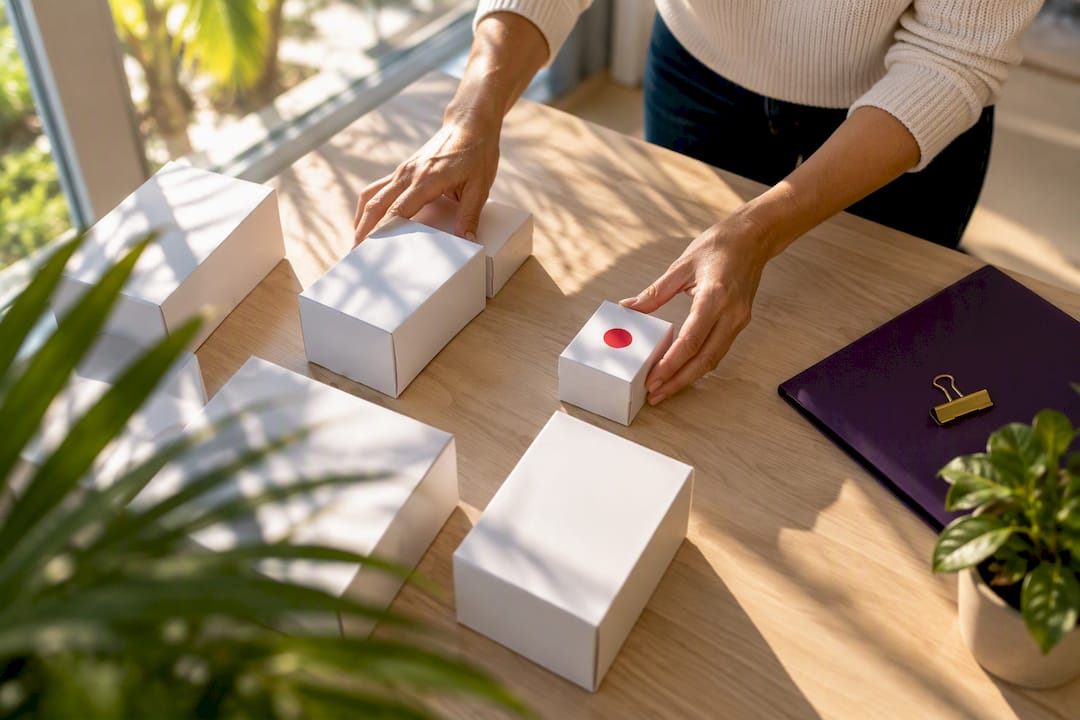
- Inventory everything first. Photograph each box with the expiration date and lot number visible, then count units by type. A simple spreadsheet or even a notes app list with quantities, brands, and dates saves time when a buyer asks for details.
- Contact a buyer and ask direct questions. Ask how they price items, whether they inspect in person, and how payment works. Avoid posting your full inventory publicly on marketplace apps, since that invites scammers who target sellers with valuable medical supplies.
- Set up a public meetup or an office visit. Agree on location, time, and payment method before you leave the house. Bring government-issued ID, since proper identification is standard practice for these transactions.
- Get paid on the spot. Cash or instant bank transfer are the safest options. Write a simple receipt listing item names, quantities, price paid, and the date, and have both parties sign it.
- Have a fallback plan. If a buyer declines an item, take it to a pharmacy for possible donation or store it safely at home rather than trying to force a sale.
Pro Tip: Photograph your supplies against a plain background with the expiration date in focus. Buyers move faster on clear photos, and you avoid a back-and-forth over blurry lot numbers.
What Florida Laws Apply to Selling Diabetic Supplies?
This is general information, not legal advice, but a few Florida statutes shape what’s safe to sell.
Florida statute 499.005 lists prohibited acts around the sale, purchase, or possession of certain drugs and devices. It’s the backbone of why sealed, over-the-counter items like test strips are fine to resell, while prescription-only products are not.
Florida statute 499.028 specifically defines “drug samples” and restricts their sale or trade. If a box is marked as a sample, don’t sell it, no matter how well-sealed it looks.
Florida’s administrative rule 12A-1.020 adds another wrinkle: some medical products dispensed under a practitioner’s order or intended for single-patient use get treated differently under state rules than plain retail goods.
A quick statistic worth knowing: national reporting has documented an active resale market for unused diabetes test strips across the country, which explains why demand for sealed, unexpired supplies stays steady.
Practical red flags to avoid:
- Never sell opened insulin or any prescription drug, even if unused
- Never misrepresent where your supplies came from
- Never let a buyer submit your sold items for insurance reimbursement
- When in doubt about a specific item’s status, ask a lawyer before selling
How Much Are Diabetic Supplies Worth?
Pricing comes down to four factors: brand, remaining shelf life, packaging condition, and pack size. A sealed box with eight months left on the expiration date is worth more than one expiring next week, even if both are the same brand.
Buyers typically price per sensor or per strip, then adjust for bulk. A FreeStyle Libre 2 sensor generally runs $15 to $20 per sensor, while unused Dexcom G7 sensors bring $70 to $90 per pack. Near-expiry stock or partial boxes usually get a lower offer.
To estimate your total haul before reaching out:
- Count units by brand and type separately
- Check each expiration date and flag anything expiring within 60 days
- Multiply unit counts against realistic per-item ranges, not the highest number you saw online
- Keep expectations grounded. A buyer offering a price far above market norms is a warning sign, not a bonus.
What Happens During Inspection and Payment?
Inspection is quick once your paperwork is in order. Buyers typically check the factory seal, verify the expiration date, photograph the lot or serial number, and count units against what you told them beforehand.
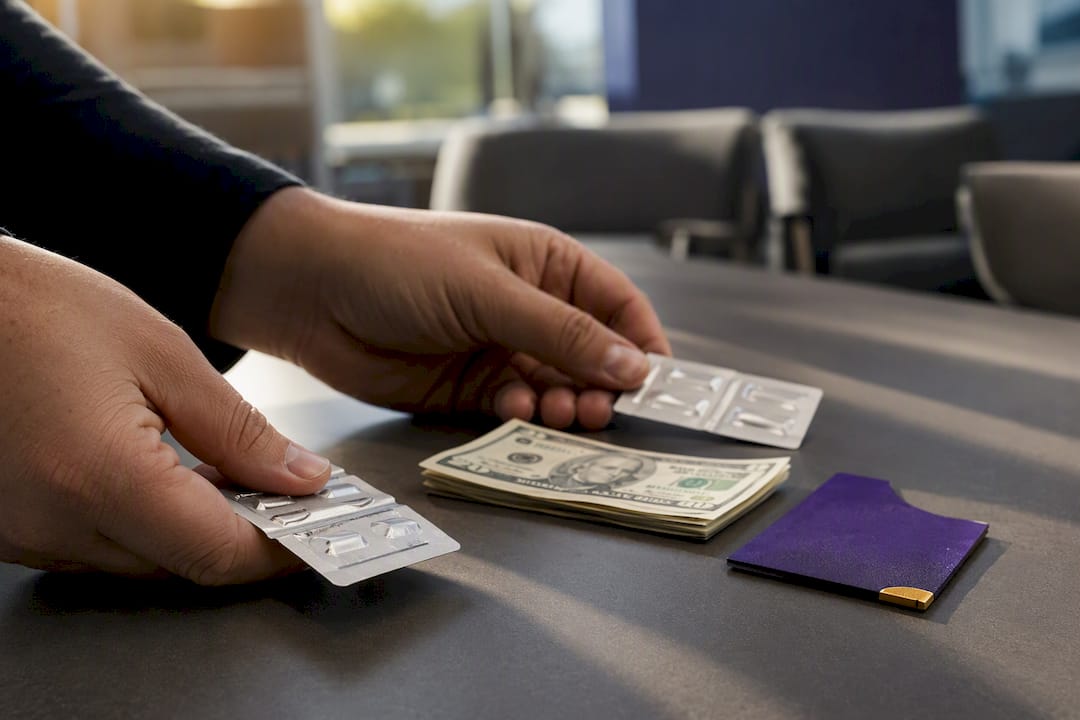
Expect a request for the original box and a photo ID, both standard steps that protect everyone in the transaction. A legitimate local buyer pays through cash or instant bank transfer on the spot, and you should walk away with a signed receipt listing item names, quantities, and the amount paid.
Seller checklist before you leave home:
- Items sorted and counted by brand and type
- Expiration dates double-checked
- Government ID in hand
- A blank receipt template ready to fill in
Pro Tip: Never ship supplies before payment clears, and skip any buyer who insists on slow, unverifiable payment methods like personal checks or delayed wire transfers. Same-day cash deals should feel exactly that: same day.
What If a Buyer Refuses Your Items After Payment?
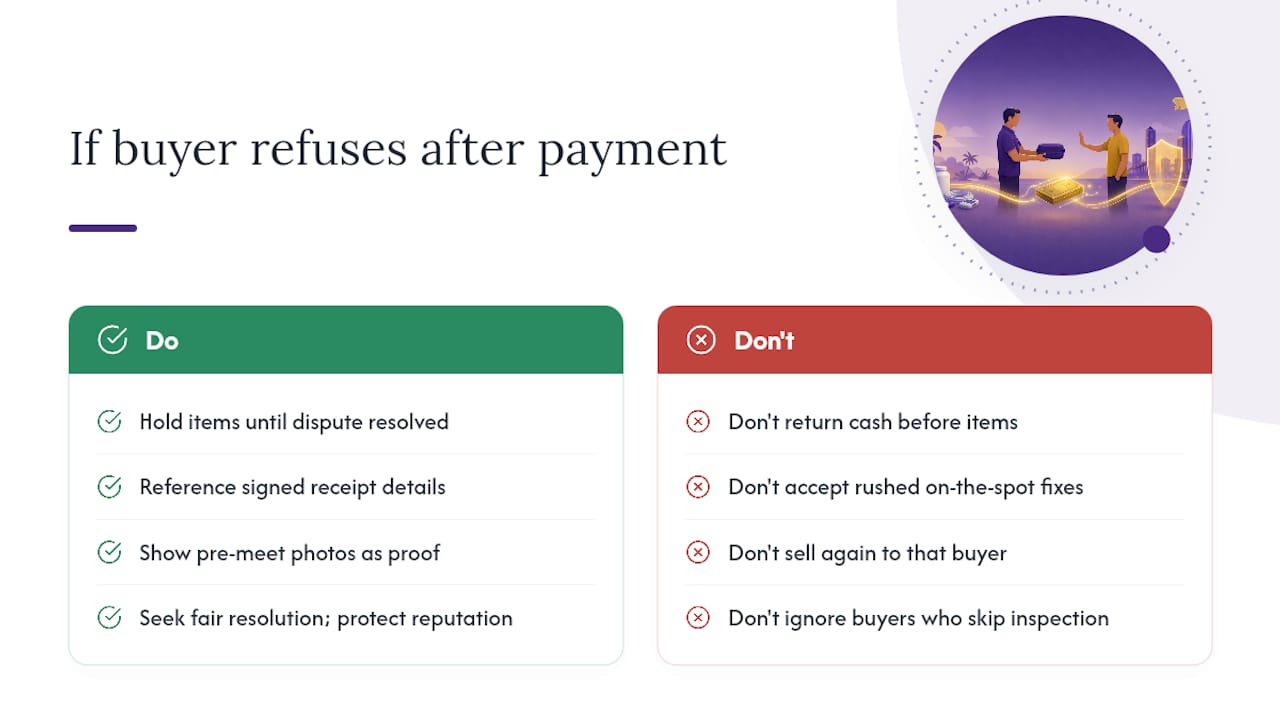
This situation is rare with a straightforward local transaction, but it’s worth knowing how to handle it. If a buyer pays you and then tries to back out or claims the items don’t meet their standards, your signed receipt becomes your strongest protection.
Hold onto the items until the dispute is resolved. Don’t return cash without getting your supplies back in the same condition you handed them over, and don’t let a buyer pressure you into a rushed resolution on the spot. A reputable buyer inspects thoroughly before paying, which is exactly why the inspection step matters so much. If a buyer skips inspection and pays first, that’s unusual, and it raises the odds of a dispute later.
Should a disagreement happen, stay calm and reference the receipt details: item names, quantities, condition noted at the time of sale, and the amount exchanged. If you photographed your supplies before the meetup, those images serve as a timestamp showing the condition matched what you described.
Most local buyers who specialize in diabetic supplies want to repeat sellers and a good reputation, so they have every incentive to resolve issues fairly rather than create a public dispute. If a buyer refuses to honor a completed transaction after inspecting and paying, that’s a strong signal to avoid that buyer going forward and to mention the experience if you leave a review anywhere online.
How Do You Verify a Buyer Is Legitimate?
A driver’s license tells you who someone is. It doesn’t tell you whether they run a real, honest buying operation. Before you agree to meet anyone, dig a little deeper.
Check for a real business presence: a working website, a physical address you can find independently, and reviews from other sellers, not just a phone number in a classified ad. Ask how long they’ve operated locally and whether they specialize in diabetic supplies specifically, since a buyer familiar with Dexcom, Libre, and Omnipod products will ask informed questions about lot numbers and expiration windows without prompting.
Pay attention to how they communicate. A legitimate buyer answers questions about pricing and inspection clearly and doesn’t pressure you to meet somewhere unusual or outside business hours. Vague answers about how payment works, or reluctance to meet in a public location, are signals to walk away.
Questions worth asking before you agree to a meetup:
- How long have you been buying diabetic supplies in this area?
- Where do you typically meet sellers?
- How do you determine pricing, and will you explain it at inspection?
- What payment method do you use, and can I get a receipt?
A buyer who answers all four without hesitation, and who has some kind of verifiable local footprint, is a far safer bet than a name and number with nothing else attached.
How Do You Safely Transport Your Supplies?
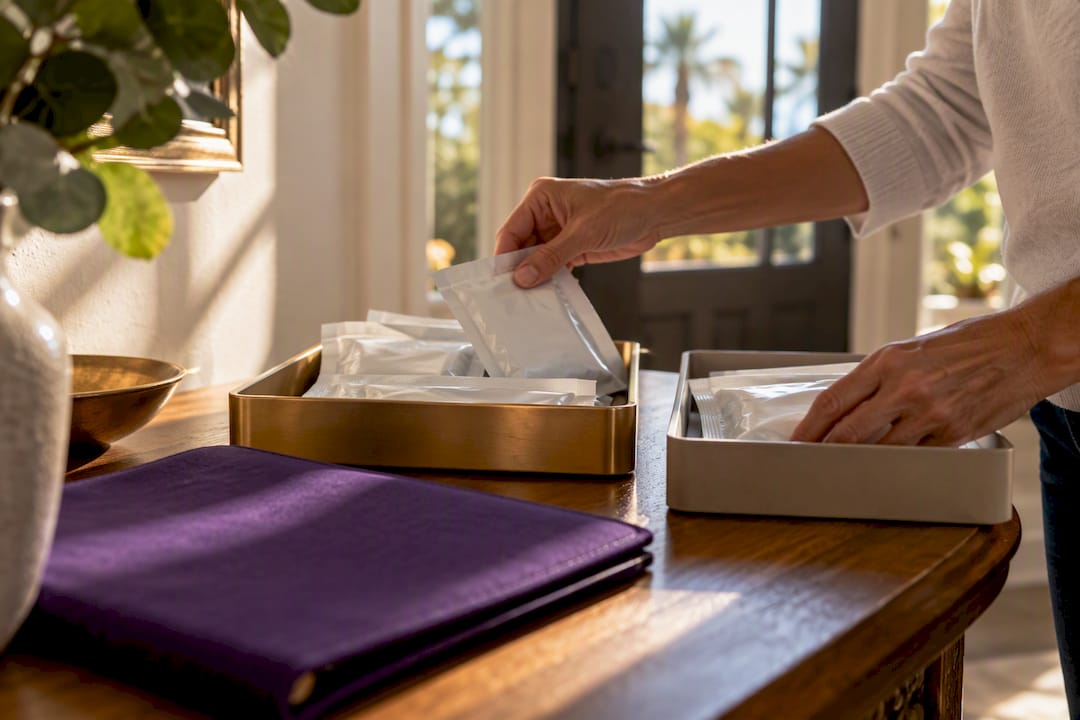
Getting your supplies to the meetup matters more than most sellers expect. Keep everything in its original packaging inside a plain bag or box, not a branded pharmacy bag that advertises what you’re carrying.
Avoid leaving supplies visible in your car, even for a short errand stop before the meetup. If you’re carrying a higher-value haul, like several sealed Dexcom G7 boxes, split it across more than one bag rather than one obvious container. Keep temperature in mind too: Florida heat can degrade sensors and test strips left in a hot car, so don’t let supplies sit in direct sun or a closed vehicle for more than a few minutes.
Bring only what you’ve already photographed and counted. Showing up with an unsorted mix of items slows down inspection and makes it harder to confirm quantities match what you discussed beforehand. If your meetup location involves a short walk from parking, a soft insulated bag protects boxes from bumps and keeps the contents out of sight until you’re face to face with the buyer.
How Should You Document the Transaction?
Documentation is what protects you if any question comes up later, and it takes just a few minutes to do right.
Photograph every item before the meetup, with expiration dates and lot numbers visible. Save any text messages or emails where you and the buyer discussed pricing or logistics, since that record shows good faith on both sides. At the meetup itself, write a simple receipt that lists item names, quantities, condition, price paid, and the date, and get both parties to sign it.
Keep a copy of everything, even a photo of the signed receipt on your phone, for at least a few months after the sale. If you used a bank transfer instead of cash, save the transaction confirmation alongside your other records. None of this needs to be complicated. A folder of photos, a signed receipt, and a saved message thread is enough to answer almost any question that comes up later.
Why Florida Sellers End Up With Surplus Supplies
Most sellers we talk to end up with extra supplies for one of three reasons: they switched devices, their insurance changed coverage, or a prescription update left them with a stockpile of something they no longer use. That’s not a mistake. It’s just how diabetes device upgrades tend to work.
The mistakes that cost sellers money are avoidable: blurry photos that hide expiration dates, missing lot numbers, or trying to sell opened boxes because “they’re basically full.” Fix those before you contact anyone, and you’ll get a faster, fairer offer. Sort your inventory, photograph clearly, and check every date twice.
— Liliana
Get Same-Day Cash for Your Unused Diabetic Supplies
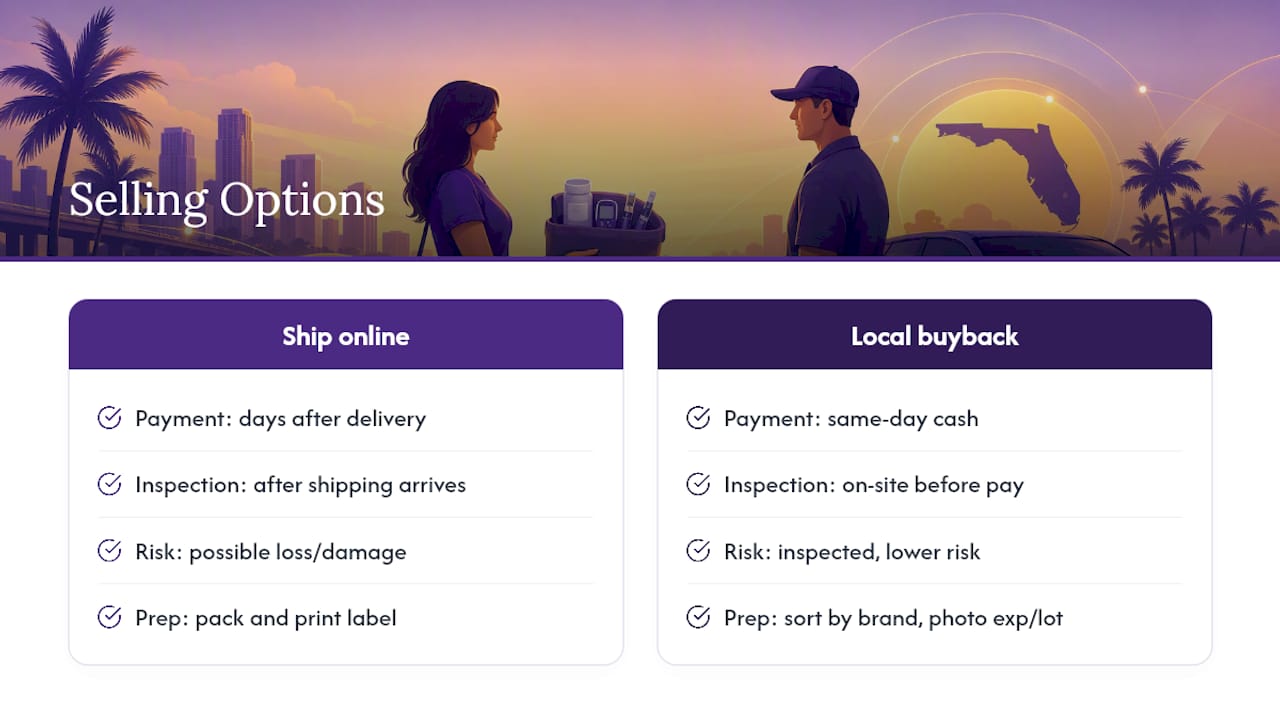
Shipping supplies to an online buyer means waiting days for payment and hoping the package arrives intact. With local buyback services, you meet locally, get your items inspected on the spot, and walk away with cash the same day, no waiting on a check to clear or a shipping label to scan.
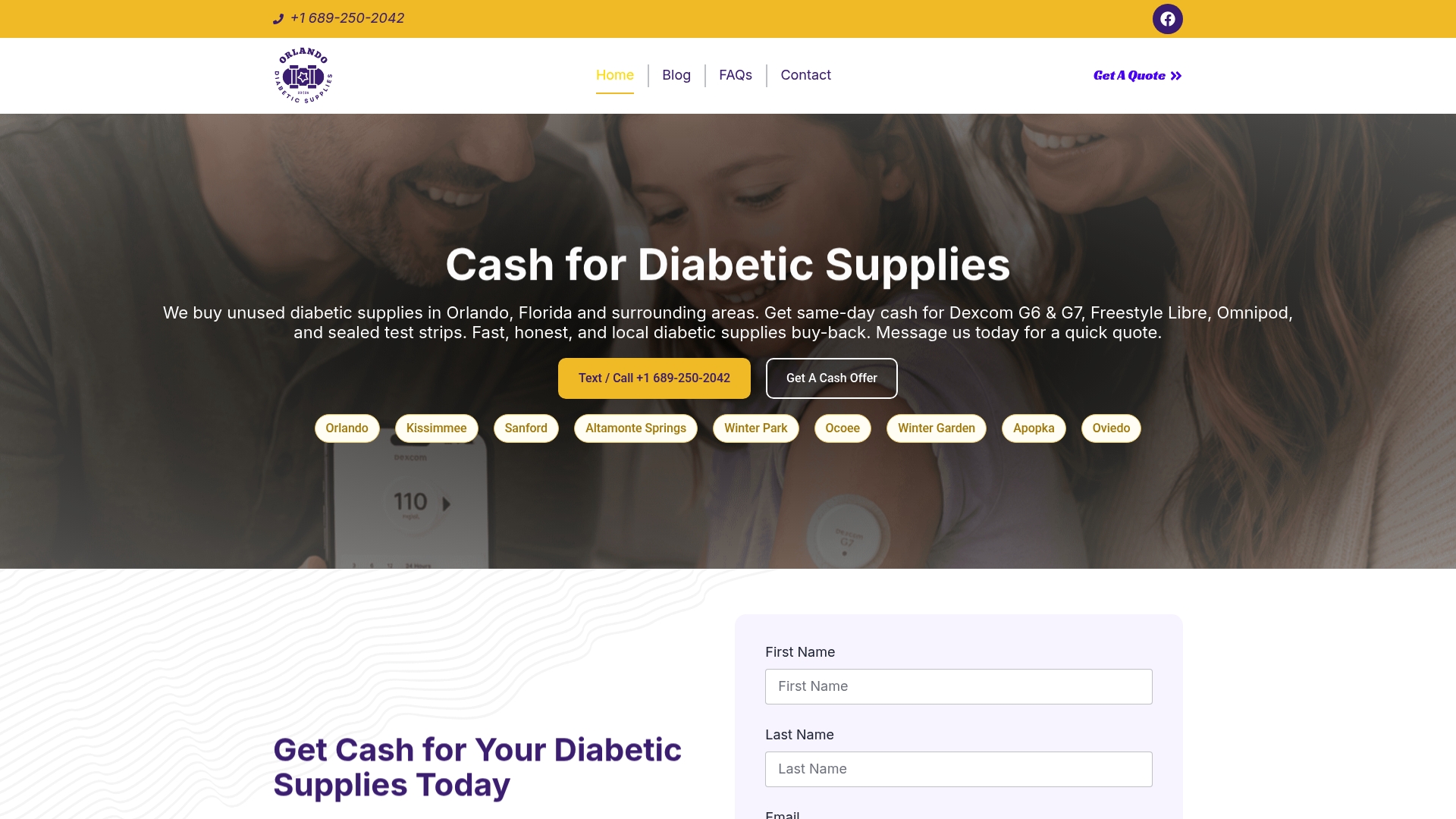
Local buyers purchase sealed, unexpired Dexcom G6 and G7 sensors, FreeStyle Libre sensors, Omnipod pods, and major-brand test strips in Orlando and nearby areas. Getting started is simple: sort your supplies by brand, photograph the expiration dates and lot numbers, then reach out to schedule a safe, public meetup. Bring your ID and your items, and you’ll know your offer before you leave.
If you’ve got Dexcom G7 sensors sitting in a drawer, check current Dexcom G7 buyback pricing before you reach out. FreeStyle Libre 2 owners can do the same on our FreeStyle Libre 2 pricing page. For everything else, including test strips and pods, visit our main buyback page to start the conversation today.
This article is general information, not a substitute for advice from a qualified lawyer. Consult a qualified legal professional about your own circumstances before acting on anything here.
Sources
- The Strange Marketplace for Diabetes Test Strips — The New York Times
- Chapter 499 Section 005 – 2022 Florida Statutes – The Florida Senate
- 12A-1.020. Licensed Practitioners; Drugs, Medical Products and Supplies, Florida Administrative Code
FAQ
Is It Legal to Sell Unopened Diabetic Supplies in Florida?
Yes, selling sealed, unexpired, over-the-counter diabetic supplies like test strips and CGM sensors is generally legal in Florida under standard consumer resale practices. The exceptions are prescription drugs, opened insulin, and items classified as “drug samples” under Florida statute 499.028, which are restricted from sale.
How Much Cash Can I Get for Unused Test Strips or Sensors?
Pricing depends on brand, shelf life, and packaging condition. FreeStyle Libre 2 sensors typically run $15 to $20 per sensor, while Dexcom G7 packs generally bring $70 to $90 per pack.
Can I Sell Opened Insulin or Prescription Diabetic Drugs?
No. Opened insulin and other prescription drugs fall outside what’s legally resellable under Florida law, regardless of how much product remains in the vial or pen. Stick to sealed, over-the-counter items like test strips, sensors, and pods.
What Should I Bring to a Same-Day Cash Meetup?
Bring your sealed items sorted by brand, a government-issued photo ID, and any receipts or lot number photos you’ve already taken. Orlando Diabetic Supplies Buyback lists current pricing and next steps on its buyback page for sellers ready to schedule a meetup.
What If My Supplies Are Close to Expiring?
Items nearing expiration usually get a lower offer, and anything already expired won’t qualify for resale in most cases. Try to sell within a few months of the printed date, and check each box’s expiration before reaching out to a buyer.