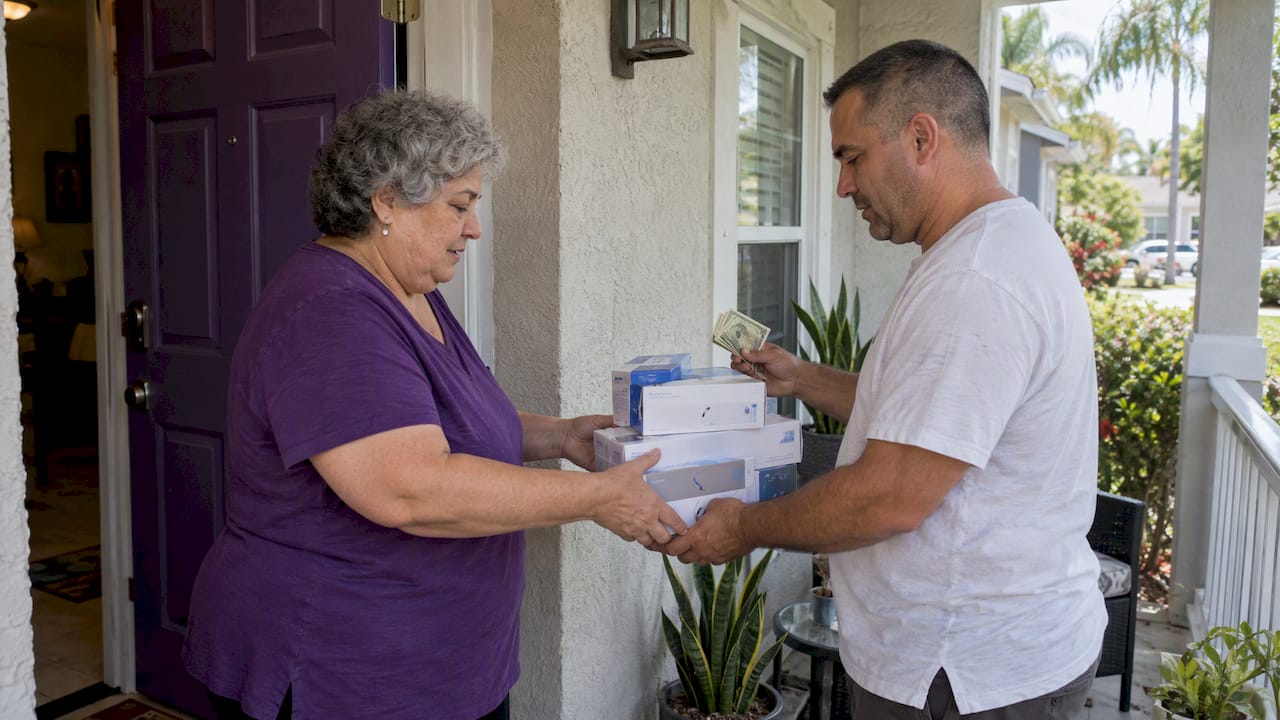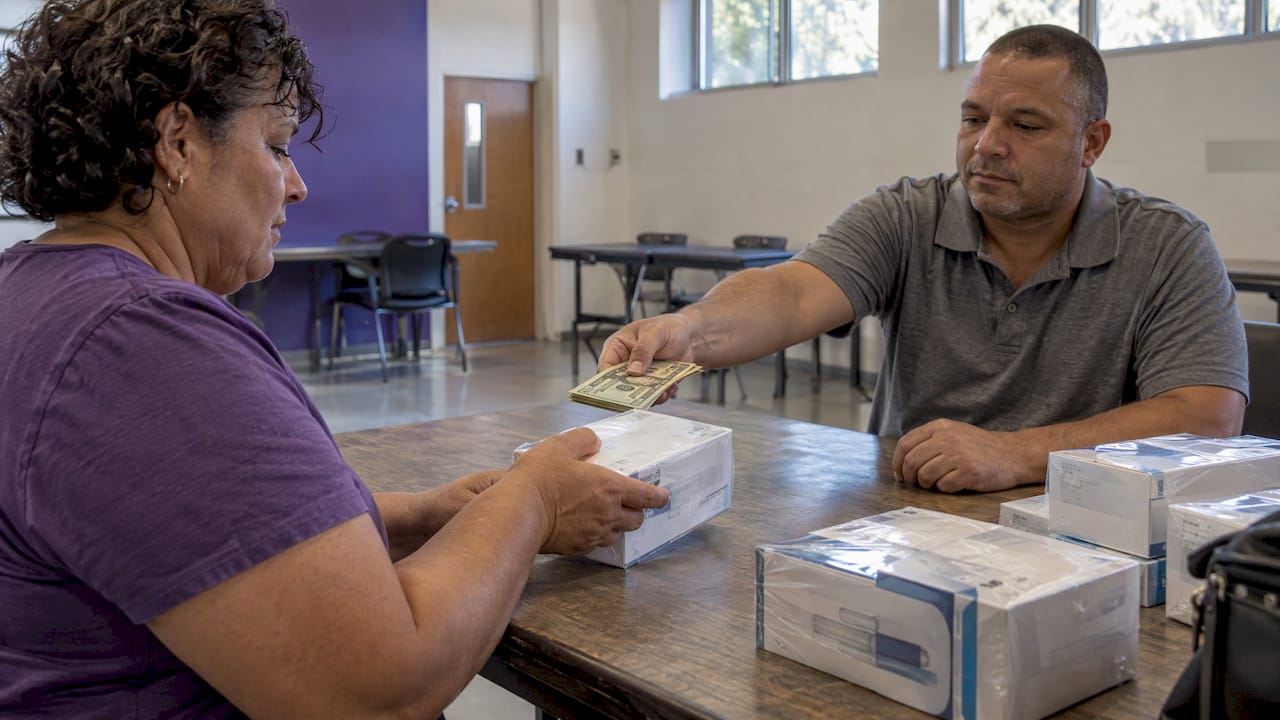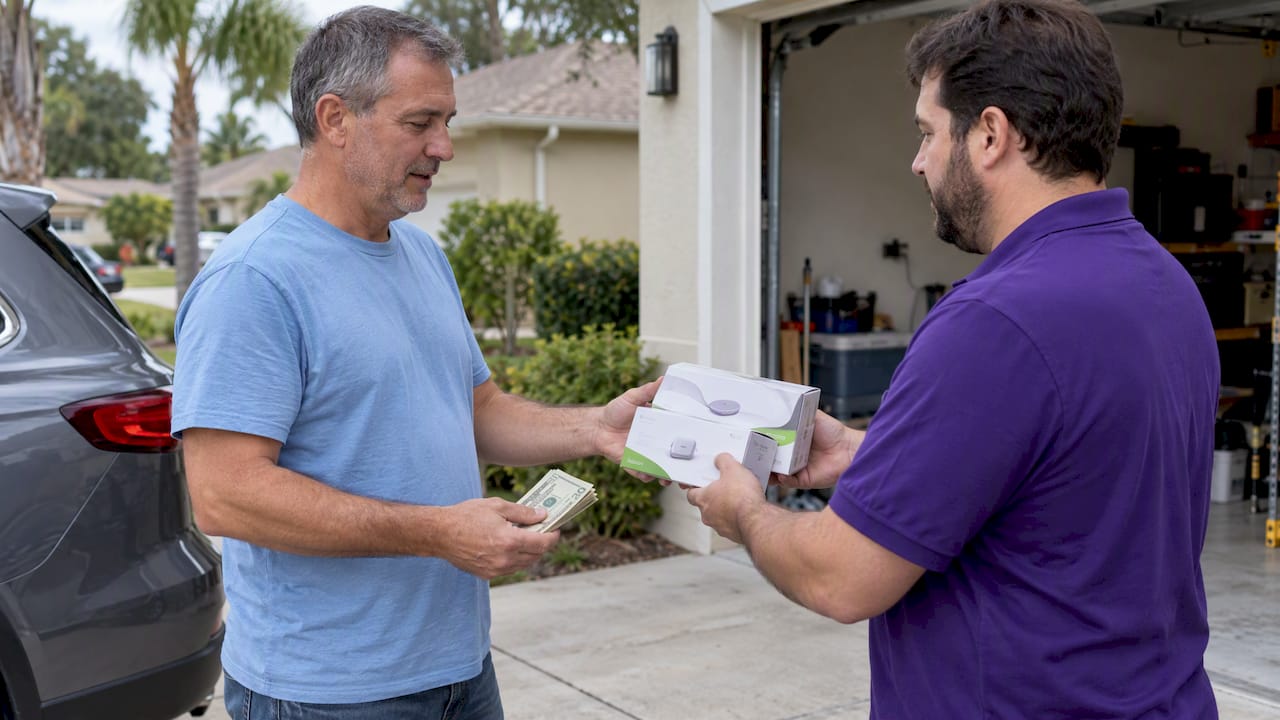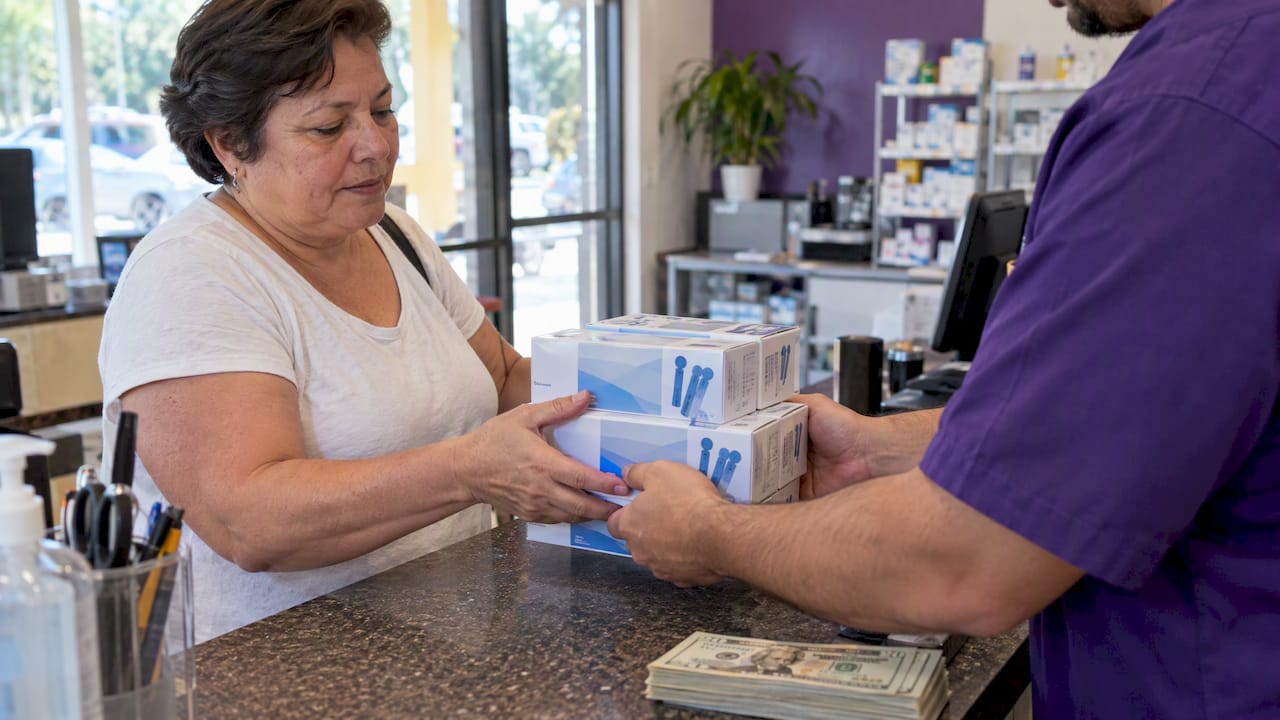
Remaining shelf life is the single biggest factor in how much cash you get for unused diabetic supplies. The more months left before expiration, the higher your offer, because buyers can resell your Dexcom G6, Dexcom G7, Freestyle Libre, Omnipod, or sealed test strips before they become unusable. As a rule of thumb, supplies with a longer remaining shelf life typically bring the strongest offers, while those close to expiration often get discounted sharply or declined.
Three things to do right now.
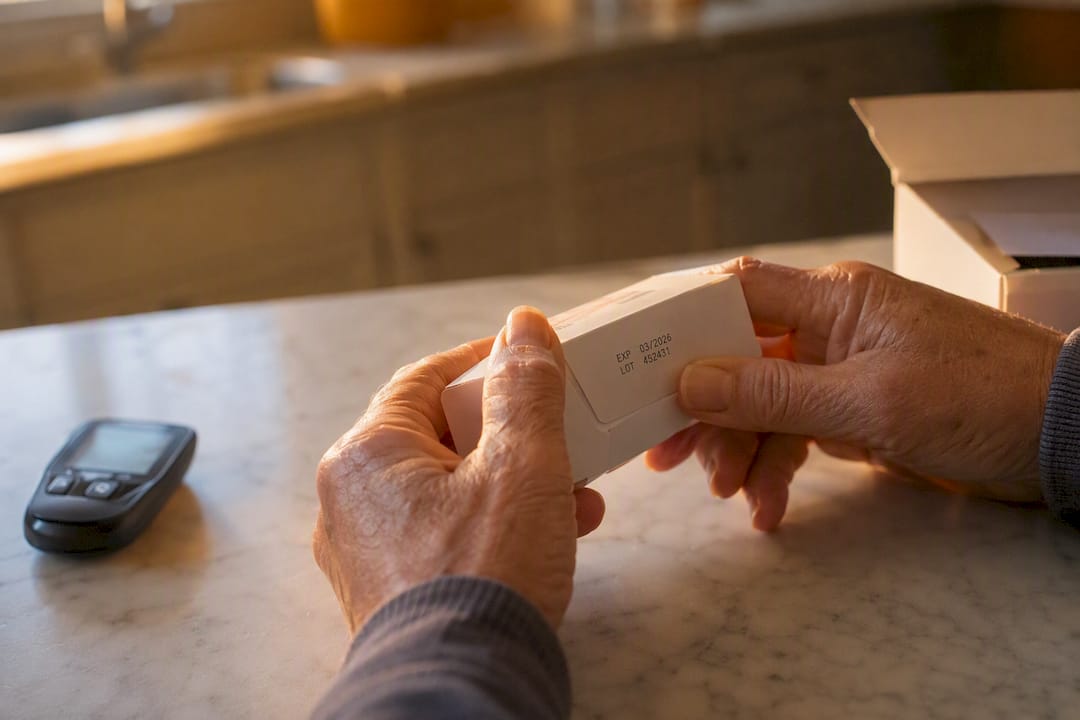
- Check the expiration date and lot number on every box.
- Take clear photos of the sealed packaging, expiration date, and quantity.
- Decide whether to sell today or hold, based on how many months you have left.
- More months remaining = higher cash offer
- Sealed, undamaged boxes protect your price
- Buyers reject or heavily discount expired items
Key Takeaways
Remaining shelf life determines most of your buyback price, and sealed, well-documented packaging with 12 or more months left earns the strongest cash offers.
| Point | Details |
|---|---|
| Shelf life drives price | Items with 12+ months remaining get the highest offers; anything under 3 months is heavily discounted or declined. |
| Product type matters | CGM sensors like Dexcom G7 have shorter usable windows than sealed test strips at the same expiration distance. |
| Documentation speeds evaluation | Clear photos of expiration dates, lot numbers, and sealed boxes prevent unnecessary price cuts. |
| Expired items rarely sell | Manufacturer return or donation programs are better options once an item has passed its printed date. |
| Local option available | Orlando Diabetic Supplies Buyback offers same-day cash after in-person inspection for sealed, unexpired Dexcom G6/G7, Freestyle Libre, Omnipod, and test strips. |
This article is general information, not a substitute for advice from a qualified doctor. Consult a qualified healthcare professional about your own circumstances before acting on anything here.
Table of Contents
- Why Expiration Date Affects Buyback Price
- What Discount Should You Expect Based on Months Left?
- What Do Buyers Check Before Making an Offer?
- How Do You Document Your Supplies Before Selling?
- Can You Sell Expired Diabetic Supplies?
- When Is the Best Time to Sell Your Supplies?
- What Local Buyers See Most Often
- Get a Fast, Fair Cash Offer for Your Unused Supplies
- Sources
Why Expiration Date Affects Buyback Price
Buyers like Orlando Diabetic Supplies Buyback aren’t being difficult when they ask about your expiration date. It’s math. Every unused supply we buy has to move through a resale window before it expires, and a shorter window means more risk on our end.
Three practical factors drive the discount:
- Resale window: A sensor with 10 months left can reach a new user with plenty of time to spare. One with six weeks left is a much harder sell.
- Downstream acceptance: Wholesalers and second buyers often set their own minimum shelf life requirements, so a near-expiry item may not qualify for resale at all.
- Inventory turnover risk: Supplies that sit too long become dead stock, and that risk gets priced into your offer.
Costs matter too. Verifying a sealed box, checking the lot number against recall databases, and moving inventory quickly all cost time and money. According to Simply Healths, the expiration date printed on the box plays one of the largest roles in how test strips get priced, since strips with more remaining shelf life carry more resale usability.
The window looks different by product, too. CGM sensors like the Dexcom G6 and G7 tend to have a shorter usable window once they reach you, because manufacturing dates eat into the shelf life before you even open the box. Sealed test strips, by contrast, generally carry longer expiration windows and hold value more steadily over time.
What Discount Should You Expect Based on Months Left?
Here’s how remaining shelf life typically maps to your offer. These are general bands, not guarantees, but they reflect how most local buyback pricing works.
- More than half a year remaining: Little to no discount, close to top offers.
- Mid-range remaining shelf life: Modest discount, still sellable but with some reduction from top pricing.
- Approaching expiration: Meaningful discount as buyers manage resale risk.
- Near expiration: Steep discount, some buyers may decline entirely.
- Expired: Typically not accepted for resale at all.
Product type changes how far these bands swing. A box of Freestyle Libre sensors with 4 months left might see a bigger cut than sealed test strips at the same 4 month mark, simply because sensors have a narrower resale window to begin with. Omnipod pods sit somewhere in between, since they’re bulkier to move quickly but still carry good demand when sealed and current.
Market conditions widen or narrow these bands. Brand demand, an active manufacturer recall, and local supply and demand in your area can all shift where your item lands. Orlando Diabetic Supplies Buyback’s own guide to test strip expiration and resale value walks through how these bands play out for test strips specifically, and it’s worth a read before you set expectations.
What Do Buyers Check Before Making an Offer?
Before any cash changes hands, buyers look at a short list of physical and paperwork details. Get these right and you’ll avoid a lower offer or an outright rejection.
- Sealed, intact original manufacturer packaging with no tears or resealed tape
- Visible expiration date and lot number printed clearly on the box
- Matching quantities between what you claim and what’s inside
- Proof of authenticity, like intact brand labeling and box inserts
Certain issues cause steep discounts or a flat no: broken seals, missing or scratched-off lot numbers, opened boxes even if unused, or visible signs of heat or moisture damage. A legitimate local buyer will also run a quick lot and recall check and offer same-day cash once everything checks out, backed by a clear, upfront acceptance policy.
Pro Tip: Keep original boxes stored flat, out of direct sunlight, and away from your car or garage. Heat exposure alone can make a buyer question shelf life even when the printed date still looks fine.

How Do You Document Your Supplies Before Selling?
A little prep work speeds up your evaluation and protects your price. Here’s the order that works best:
- Locate the expiration date and lot number on each box.
- Confirm every package is sealed and untouched.
- Count and record exact quantities per item.
- Note the brand and model, such as Dexcom G7 or Freestyle Libre.
- Take clear, well-lit photos of the box front, expiration date, and lot number.
A simple spreadsheet keeps this organized. Use columns for brand or SKU, quantity, expiration date, lot number, and a link to each photo. This mirrors the kind of prep outlined in an organizational checklist for excess supply preparation, and it makes a real difference in how fast your quote gets finalized.
Name your photo files clearly, like “DexcomG7_exp0327_lot4521.jpg.” Missing or blurry documentation is one of the most common reasons offers come in lower than sellers expect.
Can You Sell Expired Diabetic Supplies?
Don’t assume an expired item is worthless, but don’t expect a local cash buyer to take it either. Manufacturer return programs, training programs, or research donation channels sometimes accept expired supplies that local buyback services can’t.
What most local buyers won’t take: expired CGM sensors, expired pods, and expired test strips. This isn’t arbitrary. Expired diabetic supplies carry real safety risk if they end up back in patient use, and most buyback businesses have policies against reselling anything past its printed date.
- Do: Contact the manufacturer about return or donation programs
- Do: Check with local health programs about accepting near-expiry stock
- Don’t: Use expired supplies for your own or anyone else’s care
- Don’t: Expect cash value once an item has passed its expiration date
For more on what happens after expiration, Orlando Diabetic Supplies Buyback’s safety guide covers disposal and donation paths in more detail.
When Is the Best Time to Sell Your Supplies?
Timing comes down to your expiration band, and how badly you need the cash now versus later. If you’re sitting on 12+ months of shelf life, there’s little urgency, but anything under six months should move sooner rather than later.
To protect your value when you’re ready to sell:
- Pull your documented expiration dates and lot numbers together first.
- Ask for an itemized quote, not just a lump sum.
- Get a same-day cash offer or a written firm offer before you commit.
- Compare offers from more than one local buyer if you have time.
A few tactics help beyond that. Bundle similar items, like multiple boxes of the same test strip brand, since buyers often move in volume more efficiently. Sell your higher-value brands, like Dexcom or Freestyle Libre sensors, before lower-turnover items. And always disclose your expiration dates upfront. Buyers who catch a hidden issue after inspection will lower their offer more than one who had the full picture from the start.
What Local Buyers See Most Often
We see the same patterns over and over. Sellers who bring in mixed-lot boxes, blurry phone photos, or opened packaging almost always get a lower offer than they expected, and it’s usually an easy fix.
The sellers who do best keep boxes sorted by expiration date, snap clear photos ahead of time, and never break a seal before their appointment. That preparation alone often makes the difference between a quick same-day payout and a longer back-and-forth over documentation.
Get a Fast, Fair Cash Offer for Your Unused Supplies
Orlando Diabetic Supplies Buyback pays same-day cash after a quick, in-person inspection, no shipping labels, no waiting weeks for a check in the mail. We buy Dexcom G6 and G7 sensors, Freestyle Libre, Omnipod pods, and sealed major-brand test strips throughout the Orlando area.
Our acceptance criteria follow the same logic covered above: sealed packaging, a visible expiration date and lot number, and enough remaining shelf life to make resale realistic. Items with 12 or more months left typically see our best offers, while anything close to expiration gets a more conservative quote or a respectful pass. Before you bring items in, run through the checklist in our guide on checking expiration before selling so your inspection goes as fast as possible.
Ready to find out what your supplies are worth? Visit our guide to getting cash for unused diabetic supplies to request a pre-check or set up a time to bring your items in for same-day payment.
Sources
- Factors That Influence the Price of Unused Diabetic Test Strips – Simply Healths