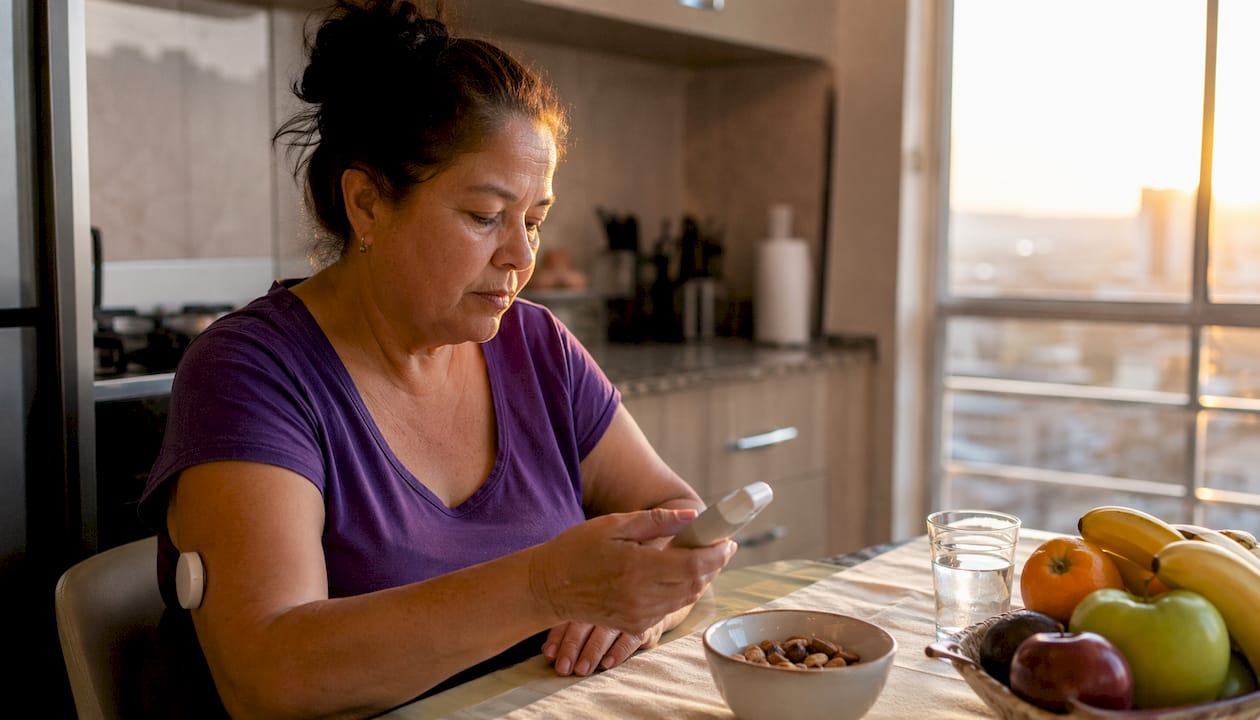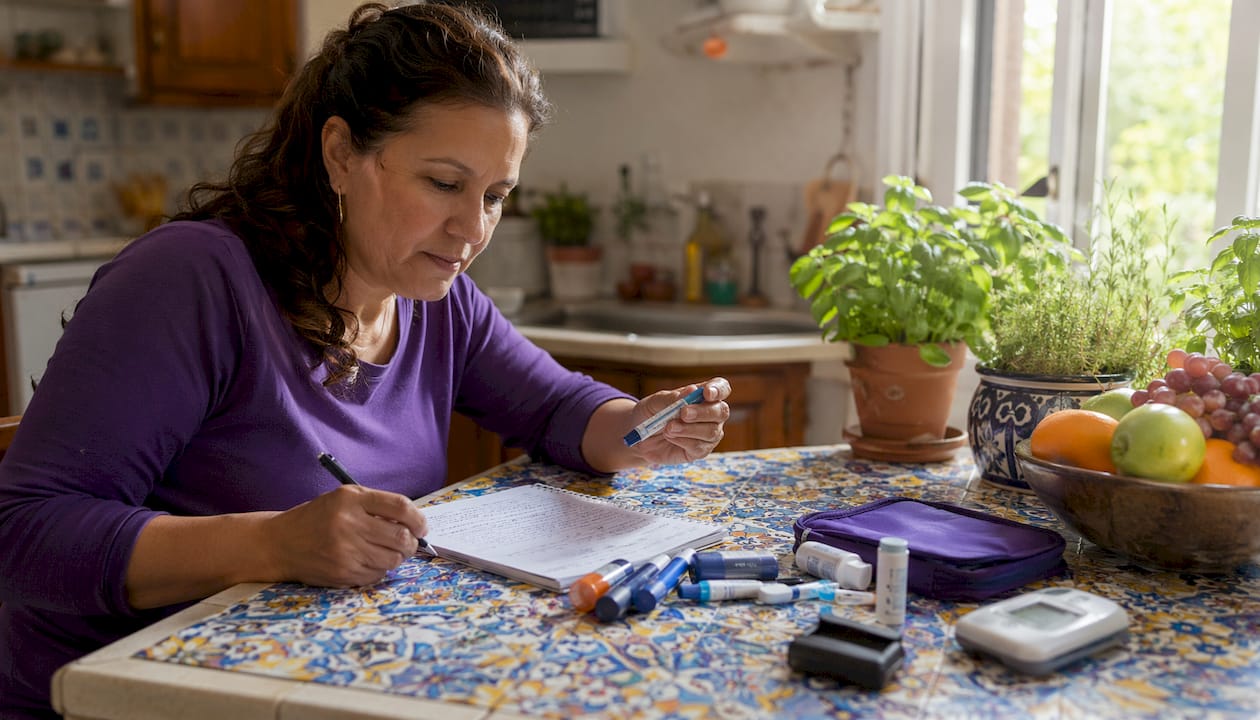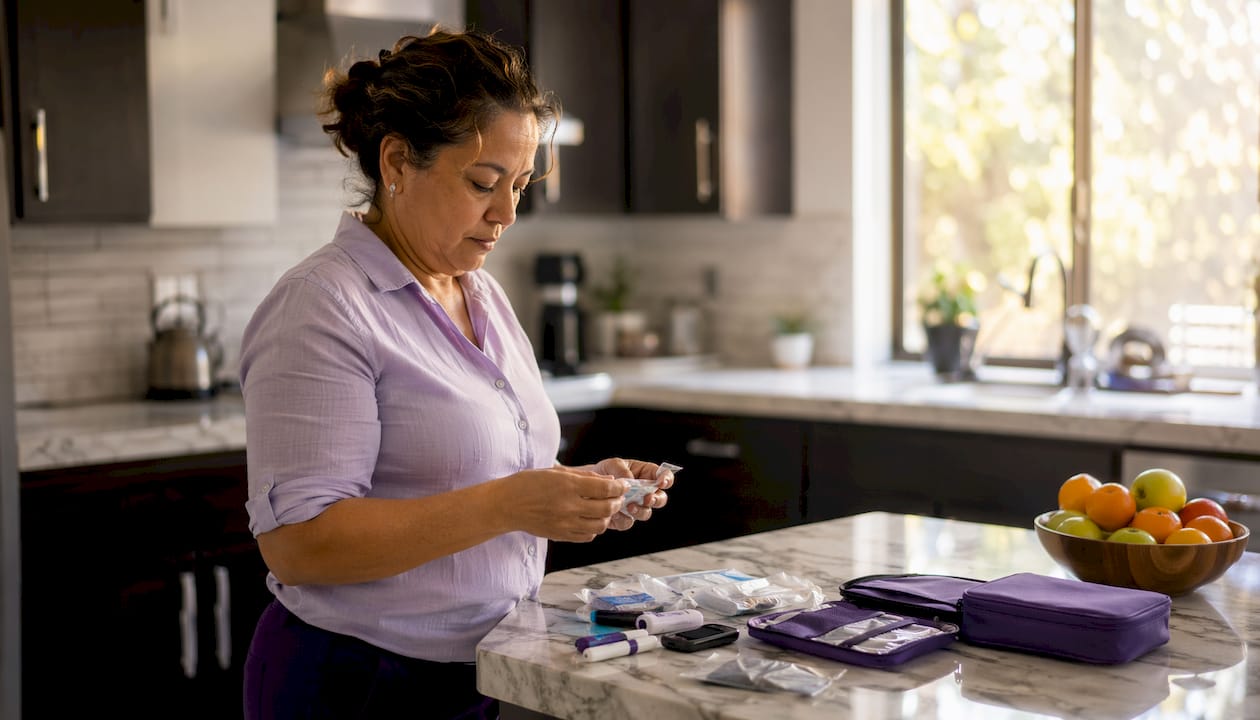
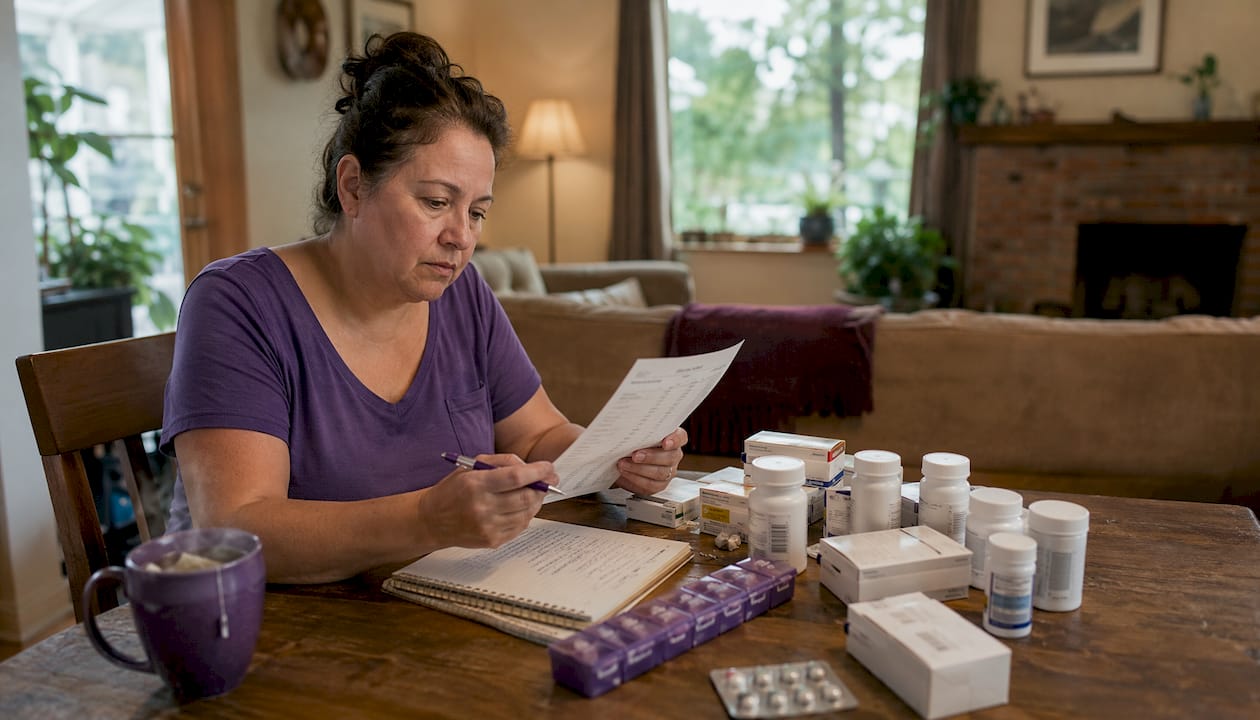
The fastest way to handle excess diabetes medication is to act on four fronts at once: coordinate your refills, talk to your care team, explore safe donation or resale options, and dispose of anything expired the right way. Letting supplies pile up is not just a storage problem. Accumulated oversupply raises your risk of taking the wrong medication, increases health care costs, and has been linked to higher hospitalization rates in adults with diabetes.

How to manage overstock diabetes medications: four starting points
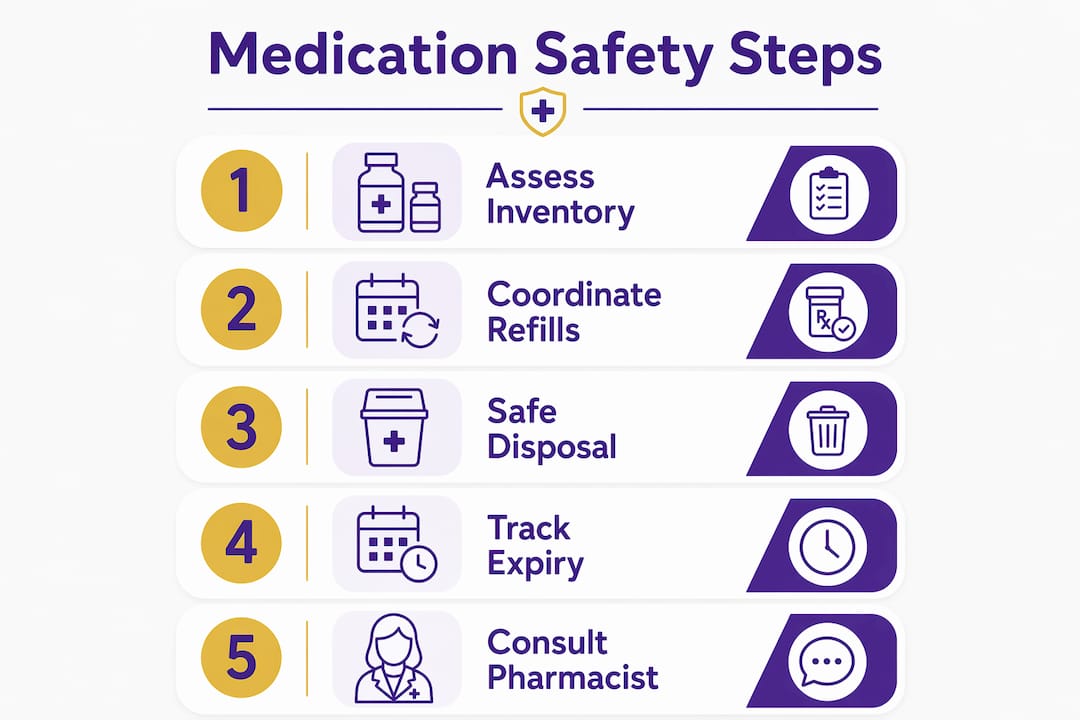
Getting a handle on your diabetes medication inventory control starts with a clear plan. These four approaches cover the most common causes of surplus and give you a practical path forward.
- Coordinate your refills. Talk to your pharmacy before your next auto-refill ships. If you still have a 30-day supply on hand, ask to delay the next fill by two or three weeks. Small adjustments like this prevent the slow buildup that creates a stockpile over months.
- Consult your healthcare provider. When your doctor changes your dose or switches your medication, you may be left with a full 90-day supply of the old drug. The CDC recommends talking to your pharmacist regularly to reconcile your medication list, catch unnecessary prescriptions, and prevent drug interactions.
- Explore safe resale or donation. Sealed, unexpired supplies like Dexcom G6 and G7 sensors, Freestyle Libre readers, Omnipod pods, and test strips can often be sold or redirected. Check your state’s rules on medication donation programs, as laws vary. Resale of sealed, over-the-counter supplies is generally permitted.
- Dispose of expired medications properly. The FDA recommends using a community drug take-back location or a prepaid mail-back envelope as your first choice. If neither is available, mix medications with coffee grounds or cat litter, seal the mixture in a bag, remove your personal information from the label, and discard it in the household trash.
Pro Tip: The DEA’s website lets you search by zip code for the nearest year-round drug take-back location. Many local pharmacies and police stations accept drop-offs with no ID required.
Cost-saving resources that reduce medication overstock
Overstock often starts with affordability. When a medication feels too expensive to skip a refill, people fill it even when they don’t need it yet. Addressing the cost side directly reduces that pressure.
- Patient assistance programs. Most major pharmaceutical manufacturers offer programs for patients who meet income requirements. The National Institute of Diabetes and Digestive and Kidney Diseases (NIDDK) maintains a resource list of financial help options for diabetes care, including manufacturer programs and nonprofit assistance.
- Pharmaceutical co-pay coupons. Brand-name diabetes drugs often come with co-pay cards that cap your out-of-pocket cost per fill. These are available directly from the manufacturer’s website or through your pharmacist.
- Drug discount cards. Cards like GoodRx or NeedyMeds can reduce the cash price of generic diabetes medications at most major pharmacies. Your pharmacist can run a comparison on the spot.
- Check your formulary. Your health plan’s formulary lists which drugs are covered and at what tier. Asking your doctor to prescribe a lower-tier generic or a therapeutically equivalent alternative can cut your monthly cost and reduce the temptation to over-refill.
- 90-day supply programs: use with caution. These programs reduce trips to the pharmacy and lower per-unit costs, but they carry a real tradeoff. Research published in PMC found that patients using 90-day refills had meaningfully higher odds of accumulating oversupply compared to those on 30-day fills, particularly when a medication change happened mid-supply.
Pro Tip: Ask your pharmacist whether switching to a 30-day fill schedule during a medication transition makes sense. The per-fill cost may be slightly higher, but you avoid ending up with a 60-day surplus of a drug you no longer take.
Best practices to prevent medication waste and manage inventory
The shift from hoarding to managing starts with a simple physical system. Organizing supplies by expiration date, labeling clearly, and checking regularly changes how you interact with your stockpile entirely.
- Label everything with the open date and expiration date. Use a permanent marker directly on the box or bottle. This takes 10 seconds and eliminates the guesswork that leads to using expired supplies.
- Color-code by urgency. Green labels for newly opened items, yellow for those nearing expiration, and red for supplies that need to be used or replaced soon. This system works especially well when multiple people help with your care.
- Run a quick inventory check every 2–3 months. A monthly or quarterly review catches near-expiry items before they become waste. Annual reviews miss too much.
- Know your shelf life. Diabetes test strips typically expire within 1–2 years. Insulin pens often expire about one year after opening, regardless of the printed date on the box. Expired supplies can give inaccurate readings or lose potency, both of which carry real health consequences.
- Store supplies where you can see them. A clear bin on a shelf beats a drawer. Out of sight often means out of mind, and that is how supplies expire unnoticed. Avoid bathrooms and cars, where temperature and humidity fluctuate.
- Watch for leftover supplies after medication changes. Patients frequently accumulate overstock when switching medications or doses shortly after a 90-day refill ships. If your doctor changes your regimen, flag it to your pharmacy immediately so you can pause or adjust the next fill.
For a detailed checklist on monitoring expiration dates across your full supply kit, the diabetes supply expiration guide covers each item type with specific timelines.
Pro Tip: Barcode scanner apps can log lot numbers and expiration dates automatically, cutting down on manual tracking errors and making long-term supply monitoring far more consistent.

Tools and techniques to stay on track with your medication schedule
Staying consistent with your medication schedule is the single best way to prevent accidental oversupply. When you take what you’re prescribed, on time, refills align with actual need.
- Medication management apps. Medisafe and Stash Diabetes both offer dose reminders, refill alerts, and caregiver sharing features. Medisafe also flags potential drug interactions when you add a new medication to your list.
- Calendar reminders. A simple phone alarm set for the same time each day works for many people. Pair it with a weekly calendar event to check your supply levels so you catch a growing stockpile early.
- Labeled bins and over-the-door organizers. Physical organization matters as much as digital tools. A labeled bin for each medication type, sorted by expiration date, makes it easy to grab the right item and spot when something is running low or piling up.
- A “go kit” for emergencies. Keep a small, separate pouch with a one-week supply of your most critical medications and supplies. Store it apart from your daily-use items. This prevents you from dipping into your main supply during travel or unexpected delays, which can throw off your refill timing.
- Talk to your care team before every refill. A quick message through your patient portal or a two-minute call to your pharmacist before each refill ships can prevent a month of unnecessary surplus. Ask specifically whether your current supply count warrants a delay.
For practical ideas on organizing your supplies at home, the unused diabetes equipment guide walks through room-by-room storage setups that work for most households.
What research says about overstock risks and safe disposal
The clinical picture on diabetes medication surplus is clearer than most people realize. A study published in PMC found that 10% of adults with diabetes experienced medication oversupply, and Medicare Part D enrollees had odds ratios ranging from 2.51 to 5.73 compared to privately insured patients. Patients with any 90-day refill in a given quarter had an odds ratio of 2.64 for oversupply compared to those with no 90-day fills. Two studies cited in that same research found that patients with more than 120% of their needed annual medication supply were more likely to be hospitalized.
Key stat: Medicare Part D enrollees aged 65 and older in dual Medicare/Medicaid coverage had odds of oversupply 5.73 times higher than privately insured patients in the same study.
Safe disposal is the right endpoint for anything expired or no longer needed. The FDA’s guidance is straightforward:
- First choice: A drug take-back location (pharmacy, police station, or DEA-sponsored Take Back Day) or a prepaid mail-back envelope.
- If no take-back is available: Mix medications with coffee grounds or cat litter, seal in a bag, scratch out personal information from the label, and discard in household trash.
- Flush list only: Only flush medications that appear on the FDA’s flush list. Most diabetes medications are not on it.
Sharps, including lancets and pen needles, require a separate process. Use a sharps container and check with your local pharmacy or fire department for accepted drop-off locations. Never mix sharps with regular household trash.
For supplies that are still sealed and within their expiration date, resale is a practical alternative to disposal. Selling unused diabetic supplies keeps usable products in circulation and puts money back in your pocket.
Turn your surplus into cash with Orlando Diabetic Supplies Buyback

If you have sealed, unexpired supplies sitting in a drawer, Orlando Diabetic Supplies Buyback offers same-day cash for Dexcom G6 and G7 sensors, Freestyle Libre, Omnipod pods, and sealed test strips. The process is local, fast, and straightforward. No shipping, no waiting, no hassle.
Ready to clear out your surplus and get paid fairly for it? Visit the sell unused diabetic supplies page to see exactly what we buy and how the process works. You can also learn how selling insurance-covered overstock works if your supplies came through your health plan.
Key Takeaways
Managing your diabetes medication surplus safely requires consistent inventory habits, proactive communication with your care team, and a clear plan for disposal or resale of what you no longer need.
| Point | Details |
|---|---|
| Oversupply is common and risky | 10% of adults with diabetes experience medication oversupply, but the risk is especially high among Medicare Part D enrollees, who face odds ratios ranging from 2.51 to 5.73 compared to privately insured patients. |
| 90-day refills increase surplus risk | Patients with any 90-day refill in a quarter had 2.64 times higher odds of oversupply than those on 30-day fills. |
| Shelf life varies by supply type | Test strips typically expire within 1–2 years; insulin pens often expire about one year after opening. |
| Safe disposal has a clear order | Use a take-back program first, then household trash with coffee grounds or cat litter if no program is available. |
| Inventory checks prevent waste | Reviewing supplies every 2–3 months catches near-expiry items before they become a safety risk or a loss. |