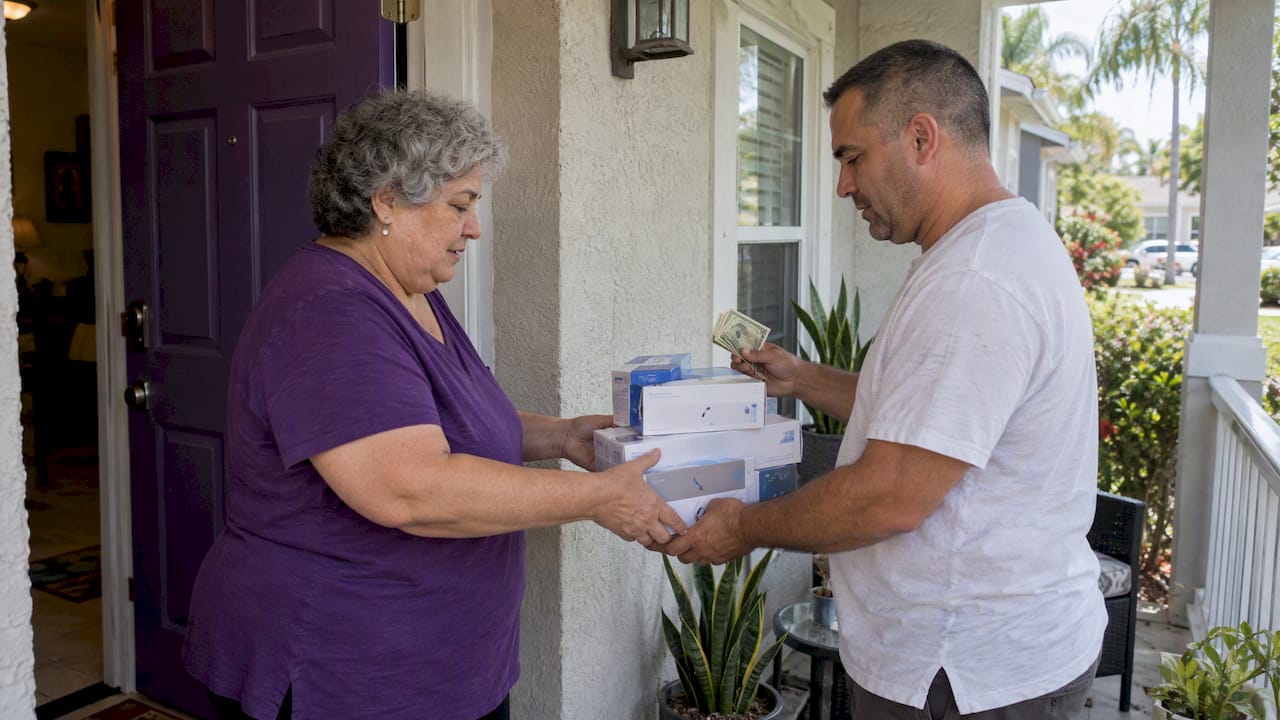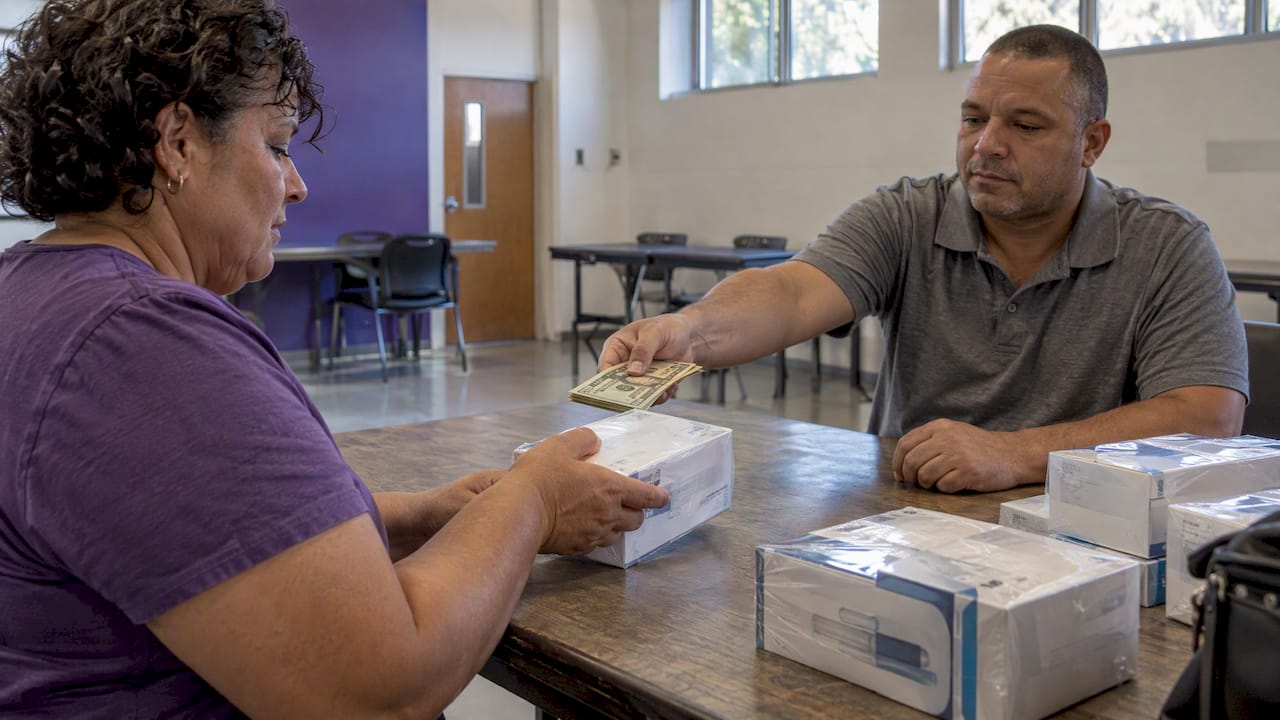
You have four realistic options for leftover Dexcom sensors: return them, donate them, keep them as backups, or sell them for cash. Before you choose, check the expiration date and the lot or serial number for recalls or signs of diversion, and confirm the sensors were never billed to Medicare or Medicaid. Once that check is clear, you can donate, sell, or safely store what you have left.
TL;DR:
- Only sell or donate sealed, unexpired Dexcom sensors after verifying they are not subject to recalls or theft reports, especially given potential lot issues in 2026.
- Resale values vary widely, with sealed Dexcom G6 boxes typically fetching $20 to $75 depending on condition and demand.
- Properly prepare sensors by recording serial numbers, keeping seals intact, and confirming non-billed sources to ensure legal and safe transactions.
- Never donate used sensors due to biohazard risks; only donate unopened, unexpired boxes from trusted nonprofits or clinics that verify billing history.
- Local buyers offer same-day cash for sealed, unused sensors, with prices around $70 to $90 for G7 models, provided they pass all safety and authenticity checks.
Table of Contents
- Your four options explained: return, donate, keep as backup, or sell
- How to prepare sensors for sale or donation (step-by-step checklist)
- Safety and legal context: why resale and diversion matter
- How to donate or recycle leftover Dexcom sensors safely
- Storing leftover sensors as backups: best practices
- A local, direct option for turning sealed Dexcom sensors into cash
- FAQ
- Sources
Your four options explained: return, donate, keep as backup, or sell
Each path fits a different situation, and the right one depends on how fresh your sensors are and how fast you want a result.
- Return: Pharmacies and Dexcom itself rarely accept returns once a box is opened, so this only works for very recent, unopened purchases with a receipt.
- Donate: Some clinics, diabetes nonprofits, and grassroots mutual-aid groups accept sealed, unexpired supplies, though many ask for proof the item was never billed to insurance.
- Keep: Holding sensors as backups makes sense if they are well within their expiration window and stored properly, but shelf life is limited.
- Sell: Local or online buyers purchase sealed, unexpired Dexcom G6 and G7 sensors, with payouts that vary by model and demand.
Reporting on the broader market for unused diabetic supplies notes that sealed, in-demand items hold resale value, though exact payouts vary widely by model and condition. A sealed Dexcom G6 box, for instance, commonly draws $20 to $75 depending on condition, while newer G7 sensors tend to bring more because of higher demand. Selling only makes sense when the box is factory sealed, the expiration date has not passed, and the lot number clears a recall check. If any of those three things fail, donation or safe disposal is the better route.
How to prepare sensors for sale or donation (step-by-step checklist)
A little prep work protects you legally and gets you a fair offer, whether you are selling or donating.
- Record the details. Write down the model, lot and serial numbers, expiration date, and quantity of boxes you have.
- Keep the seals intact. Leave factory seals and original boxes untouched, and take clear photos for any resale listing or donation inquiry.
- Run a recall check. Confirm your Dexcom G7 lot number is not on the theft and recall list before offering it to anyone.
- Confirm the billing source. Make sure the supplies were purchased out of pocket or through private insurance, not obtained through Medicare or Medicaid.
- Choose a safe transaction method. For local sales, meet in a public, well-lit location or use a service that offers an in-person appointment; for mail-in options, use tracked shipping.
Pro Tip: Photograph the lot number next to the expiration date on the box before you list or donate anything, it saves time if a buyer or recipient asks for verification.
Safety and legal context: why resale and diversion matter
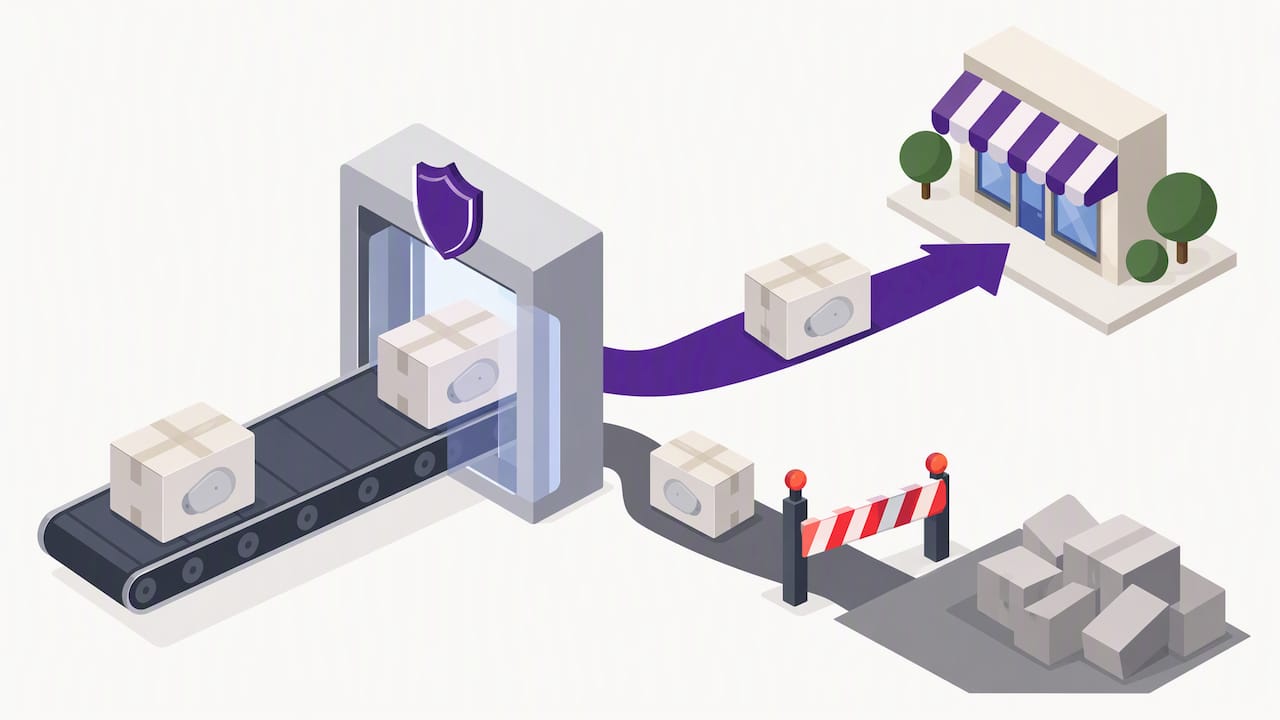
The market for secondhand diabetic supplies carries real legal weight. The Centers for Medicare & Medicaid Services has documented widespread fraud among durable medical equipment suppliers, including a scheme valued at $3.4 billion, and continuing glucose monitors have been part of that enforcement focus. Selling supplies that were billed to a federal program, even unknowingly, can expose both the seller and the buyer to legal risk.
Separately, in May 2026, Dexcom and the FDA issued a joint notice after discovering that certain G7 lots were stolen from a destruction vendor and resold instead of destroyed. Owners of affected lots were told to stop using the sensors and contact Dexcom for a replacement.
Affected lots should not be used, and owners should verify serial and lot numbers through Dexcom’s lookup tool before relying on the sensor or offering it to anyone else.
That single safety notice is why a lot check matters more than ever before you sell, donate, or even use a sensor you already own.
How to donate or recycle leftover Dexcom sensors safely
Donation works well for sealed, unexpired boxes you no longer need, but it comes with rules worth knowing upfront.
- Diabetes nonprofits and some community health clinics accept sealed, unexpired CGM supplies and often ask you to confirm the items were not billed to insurance.
- Grassroots mutual-aid groups organized through local diabetes communities sometimes coordinate supply swaps, usually requiring the same proof of condition and billing history.
- Opened or used sensors should never be donated. They carry biohazard risk and belong in a sharps or biohazard disposal stream, not household trash or a donation box.
Pro Tip: Call ahead before dropping off supplies, many organizations only accept donations by appointment and will tell you exactly what documentation to bring.
Storing leftover sensors as backups: best practices
If your sensors are well within date, keeping them as a backup is reasonable as long as storage conditions are right.
- Store sensors in their original sealed boxes at room temperature, generally between 36°F and 86°F, away from direct sunlight and humidity.
- Check the expiration date regularly. A sensor close to expiring loses both safety margin and resale value.
- Discard or stop relying on any sensor with a broken seal, a past expiration date, or a lot number flagged in a recall.
A local, direct option for turning sealed Dexcom sensors into cash
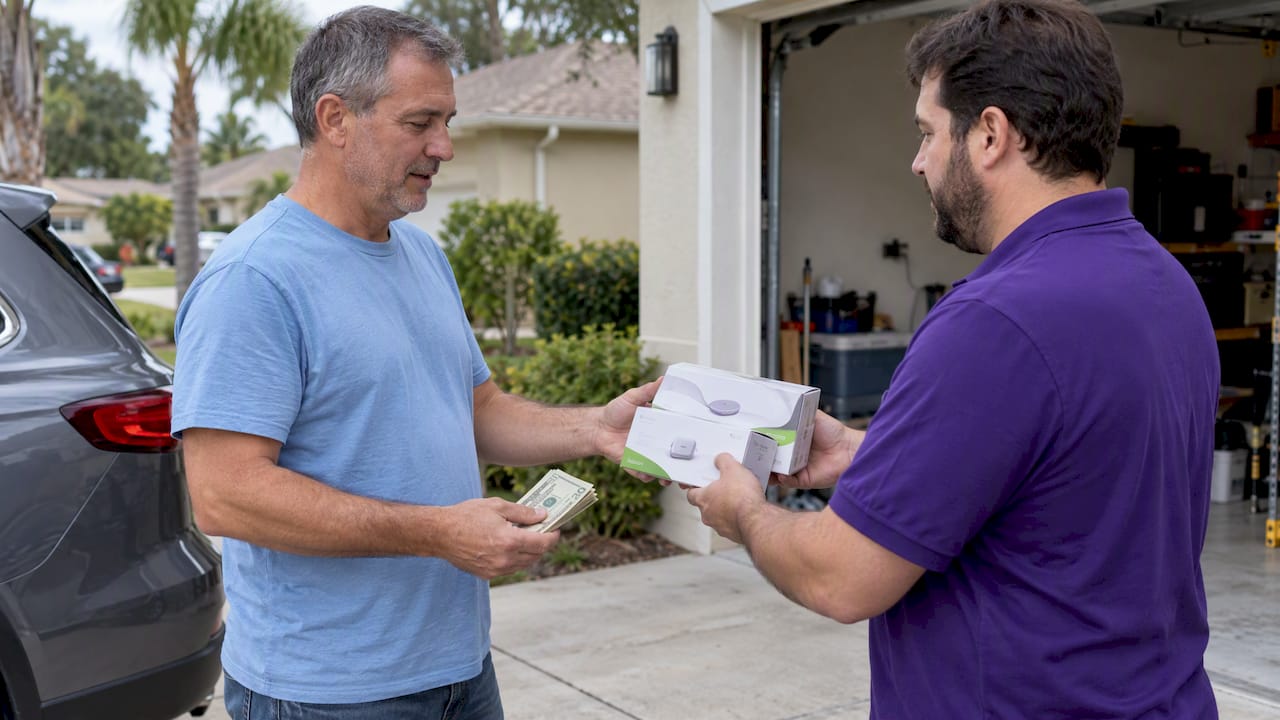
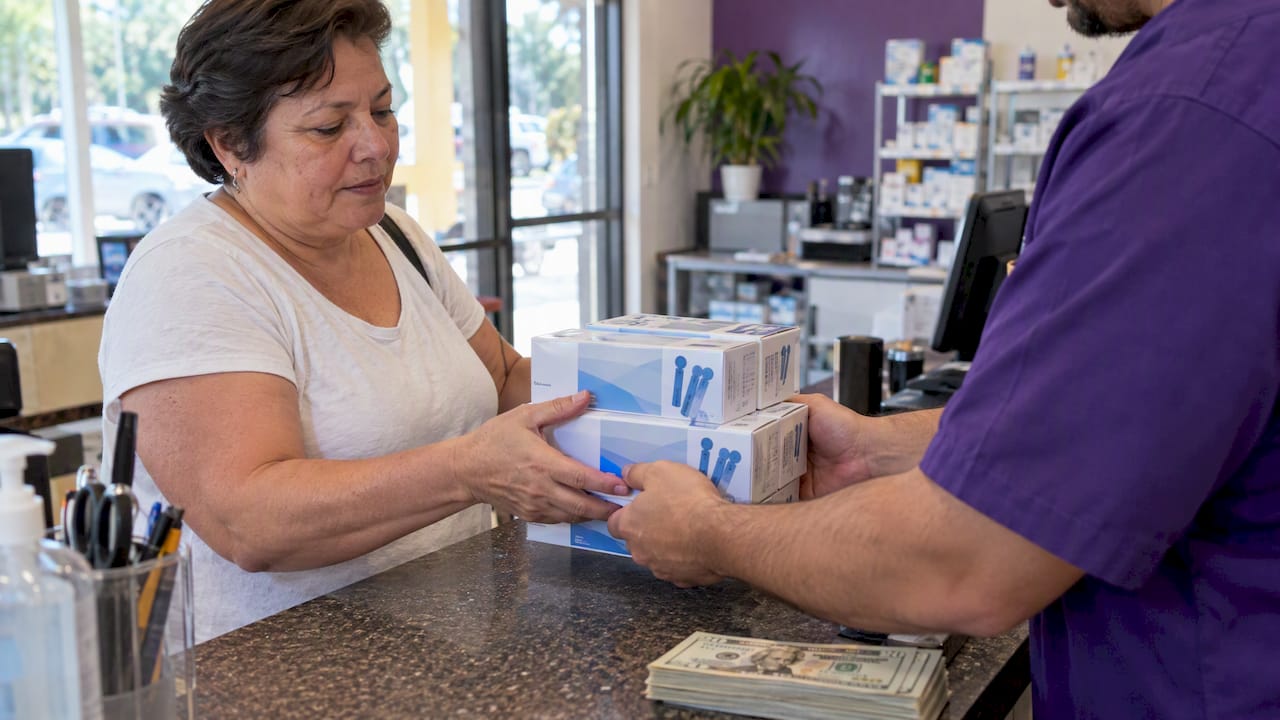
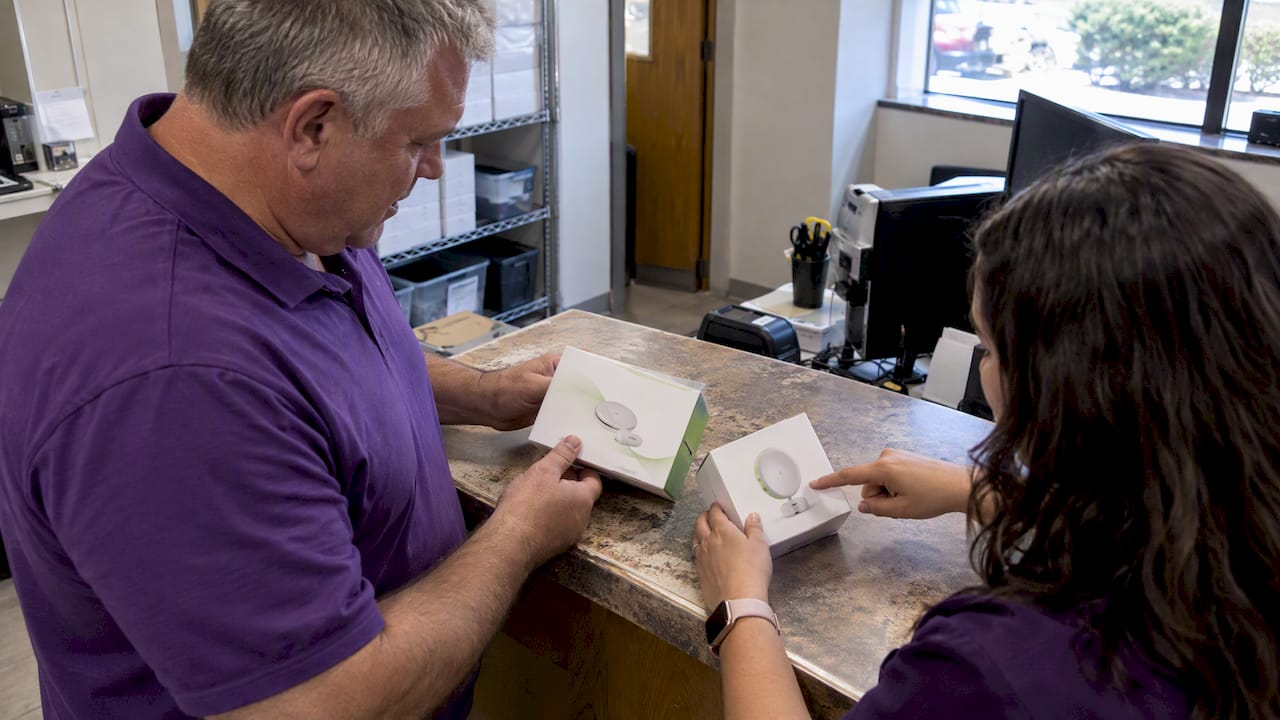
If your sensors pass the expiration, seal, and lot checks, we offer a straightforward way to turn them into same-day cash. There are local buyers who purchase unused, factory-sealed Dexcom G6 and G7 sensors, FreeStyle Libre sensors, and test strips, with no shipping wait and no long back-and-forth.
- Eligible items must be sealed, unexpired, and clear of any recall or theft notice.
- We verify the lot and serial number in person before any offer is made.
- Dexcom G7 sensors typically bring $70 to $90 per pack, while FreeStyle Libre 2 sensors bring $15 to $20 each.
- Meetups typically occur in public locations with payment on the spot, following common safe-transaction steps.
Check our buyback pricing for Dexcom G7 or review the full process for getting cash for unused supplies to see if your sensors qualify.
This article is general information, not a substitute for advice from a qualified doctor. Consult a qualified healthcare professional about your own circumstances before acting on anything here.
FAQ
What should you do with unused Dexcom sensors?
Check the expiration date and lot number first, then choose between returning, donating, selling, or keeping the sensors as backups depending on their condition. Sealed, unexpired sensors that clear a recall check hold the most options, including cash resale.
What is the Dexcom magnet trick?
This refers to an unofficial method some users have tried to extend sensor sessions beyond their intended wear time, which is not supported or recommended by the manufacturer. Using a sensor beyond its approved session can affect accuracy and is not a safety-tested practice.
Is there a class action lawsuit against Dexcom?
We are not aware of any confirmed class action lawsuit tied to this topic, and claims circulating online should be checked against official court records or Dexcom’s own statements. The documented 2026 issue involves a theft and resale of scrapped G7 lots, which is a safety recall matter, not litigation.
Is it illegal to sell unused diabetic supplies?
Selling your own unused, sealed supplies is generally allowed, but supplies obtained through Medicare or Medicaid cannot legally be resold. CMS has flagged this kind of resale as part of a broader durable medical equipment fraud crackdown, so always confirm how your supplies were originally obtained before selling.
Sources
- CMS Cracks Down on Massive $3.4 Billion Medical Equipment Supplier Fraud Scheme | CMS
- Dexcom uncovers theft of scrapped product, notifies potentially impacted users | FDA
- Dexcom G7 theft check / serial lookup
- Why people resell diabetes test strips (NYTimes)