Sealed, unexpired Dexcom G6 supplies hold real resale value, and most sellers can turn them into cash within a day or two. Sensor boxes typically bring the most per unit, transmitters and receivers less but still worthwhile, and the fastest routes to payment are a local same-day buyer or an established mail-in buyback service.
TL;DR:
- Sealed, unexpired Dexcom G6 sensors generally hold their resale value better when sold in multi-packs, especially if the packaging remains intact and labels are clear.
- Buyers prioritize the expiration date, with sensors having more months left until expiration fetching substantially higher prices than those expiring soon.
- Selling locally in person offers immediate payment and verification, but mail-in buyback services provide convenience while requiring confirmation of inspection and payment timelines upfront.
- Verifying lot numbers against public theft or recall alerts is critical, as stolen or recalled supplies can lead to rejected offers or legal issues.
- Storage conditions and thorough documentation, including photographs of REF and lot numbers, significantly improve chances of a fair sale and avoid rejected offers due to missing or damaged information.
Table of Contents
- Typical resale price ranges for Dexcom G6 components
- What makes buyers pay more or less for your G6 supplies
- Where to sell: buyback services, local buyers, and classifieds
- Legal and safety checklist before you sell
- How to prepare your supplies for a fast, fair sale
- Why timing and provenance matter more than ever
- Get same-day cash for your unused Dexcom supplies
- Where to double-check before you sell
- Sources
- FAQ
Typical resale price ranges for Dexcom G6 components
Pricing depends heavily on what you’re selling and how much of it you have. Sensor boxes generally bring the highest per-unit value because they’re consumed fastest and stay in steady demand, while transmitters and receivers move more slowly and see wider price swings based on condition.
- Sensor boxes: a sealed 3-pack usually commands a better per-box price than a lone single-pack, since buyers prefer fewer transactions for more inventory.
- Transmitters: resale value depends on how much battery life remains, since a Dexcom G6 transmitter is built to last about three months before it needs replacing.
- Receivers: price swings the most of any component, since buyers weigh screen condition, charging port wear, and whether the original box and cables are included.
- Bulk lots: multiple identical, unexpired boxes from the same seller often earn a better per-box rate than scattered single items, since buyers save time on inspection and paperwork.
Public listings show real-world variation. Classified postings and buyback pages have listed receivers around $75 to $80 and sensors in the $20 to $75 range, depending heavily on expiration date and condition. That spread tells you condition and timing matter more than brand name alone.
What makes buyers pay more or less for your G6 supplies
Buyers look at a short list of things before naming a price, and knowing what they check helps you decide what to sell first and what to hold back.
- Months until expiration: this is usually the single biggest factor. A sensor box with eight months left is worth far more than one expiring next month.
- Sealed packaging and visible labels: an intact box with the REF and lot number clearly visible signals the item hasn’t been tampered with or repackaged.
- Clean provenance: buyers increasingly want proof an item wasn’t part of a recalled or stolen batch, a concern that grew sharper after the 2026 theft alert covering scrapped product.
- Component type: sensors, transmitters, and receivers are priced on different scales, so don’t expect a transmitter to fetch what a sealed sensor box does.
A box that looks untouched but has a scratched-off or missing lot number will usually get rejected outright, regardless of how new it looks.
Pro Tip: Photograph the REF and lot numbers on every box before you ever list or offer an item, so you can prove provenance in seconds if a buyer asks.
Where to sell: buyback services, local buyers, and classifieds
Each selling route trades speed, price, and safety differently, so the right choice depends on what matters most to you right now.
- Mail-in buyback services quote a price upfront, send a shipping label, inspect your items on arrival, and pay once inspection confirms the listed condition and quantity. Expect a short hold time between shipping and payment, and ask in advance how long that window runs.
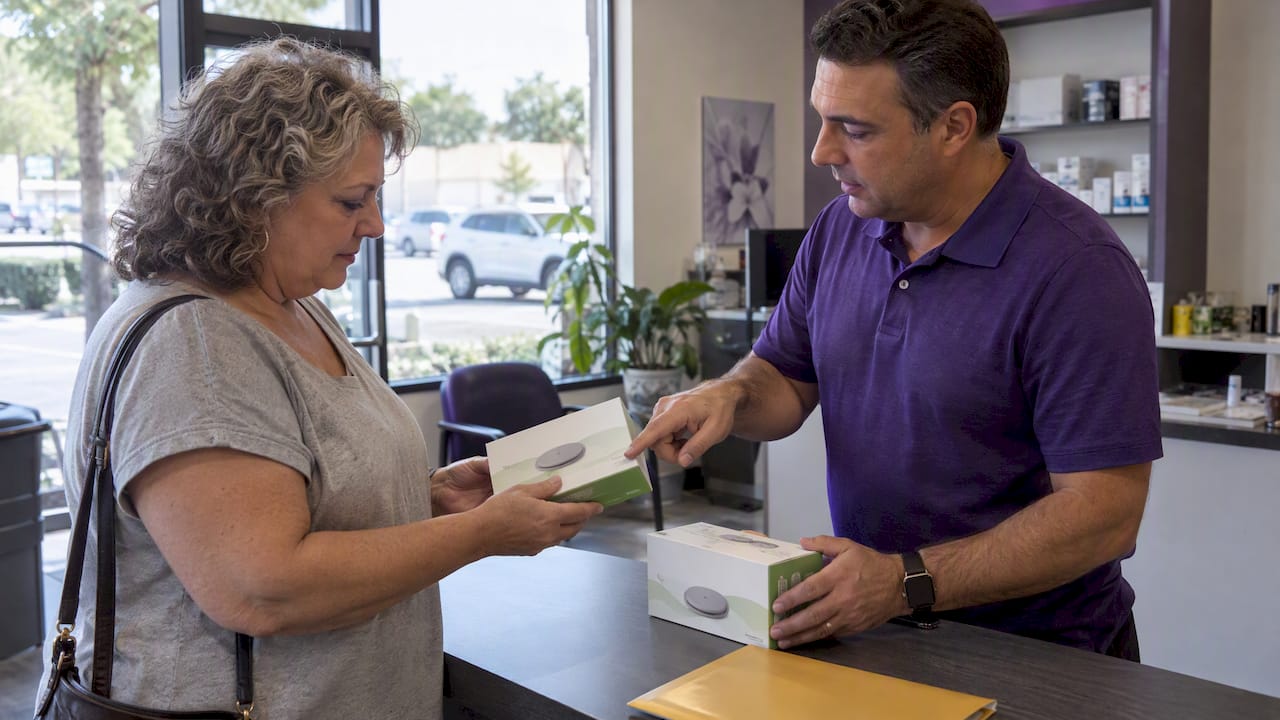
- Local same-day buyers inspect your items in person, usually in a public meeting spot, and pay immediately in cash or electronic transfer once they confirm condition. This route skips shipping risk entirely and gets money in your hand the same day.
- Classifieds can work for receivers or larger bundles, but they take more effort to list, negotiate, and meet a stranger for, and carry more risk of a lowball offer or a no-show buyer.
If speed and certainty matter most, a local same-day sale is hard to beat. If you’d rather avoid meeting anyone in person and can wait a few days, a reputable mail-in buyback service is a reasonable trade.
Pro Tip: Before you ship anything to a mail-in buyback service, confirm their inspection window and payment timing in writing, so there’s no confusion about when your money actually arrives.
Legal and safety checklist before you sell
Selling unused supplies is common, but a few safety steps protect both you and the buyer. The FDA reported in May 2026 that certain scrapped Dexcom sensors were stolen during destruction and resold, with two specific G7 lots identified as examples of stolen product reaching the market. That incident is a reminder that sealed packaging alone doesn’t guarantee an item is clean.
Separately, FDA guidance on reprocessing single-use medical devices explains that reselling or reprocessing items labeled for single use can trigger manufacturer-level regulatory obligations, which is one reason reputable buyers only accept sealed, unused, unopened product.
- Check your box’s lot and REF numbers against any public recall or theft notices before selling.
- Keep your original packaging and labels intact: never remove or alter them.
- Photograph each box and keep a simple record of what you sold and to whom.
One FDA notice named two specific stolen G7 lots as examples of product that entered the resale market improperly, underscoring why lot verification matters even for sealed items.
How to prepare your supplies for a fast, fair sale
A little prep work before you contact a buyer speeds up payment and lowers the odds of a rejected offer.
- Check every box’s expiration date and set aside anything expiring soon.
- Photograph the REF, lot number, and outer box for each item.
- Confirm every box is sealed and count your total inventory by type.
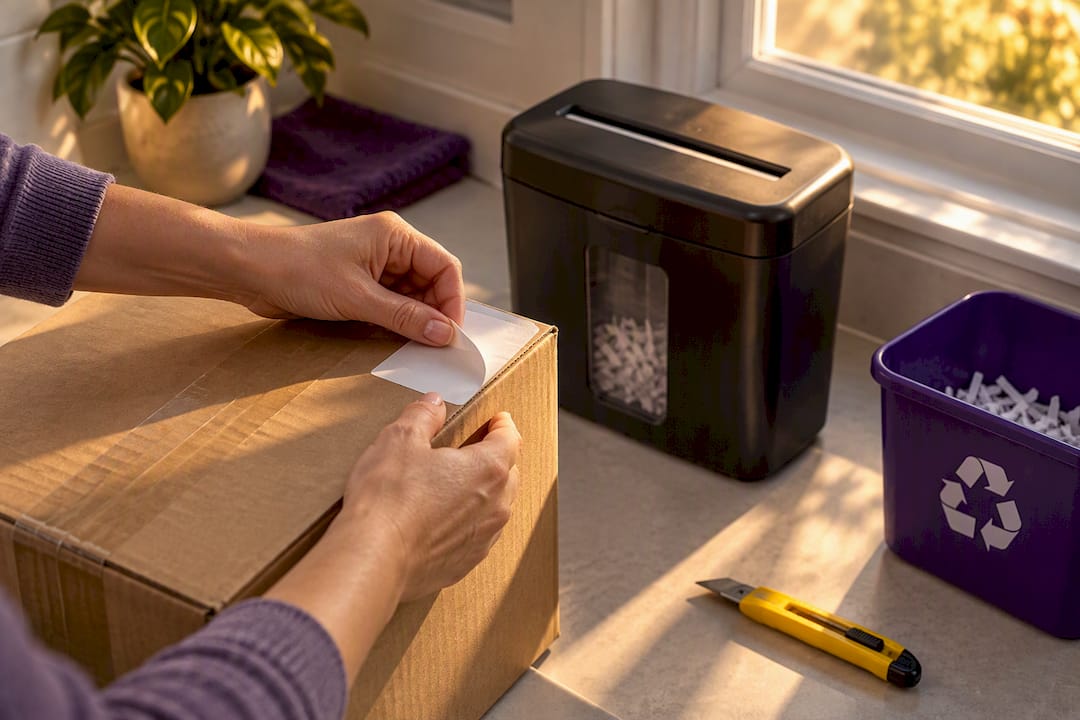
- If mailing, use a tracked shipping method and avoid tearing or resealing any boxes.
Most local sales pay on the spot after a quick inspection. Mail-in buybacks typically quote within a day, then pay after they receive and inspect your shipment. The most common reason offers get reduced or rejected is a missing lot number or a box close to expiration, so catching those issues early saves you a wasted trip or shipment.
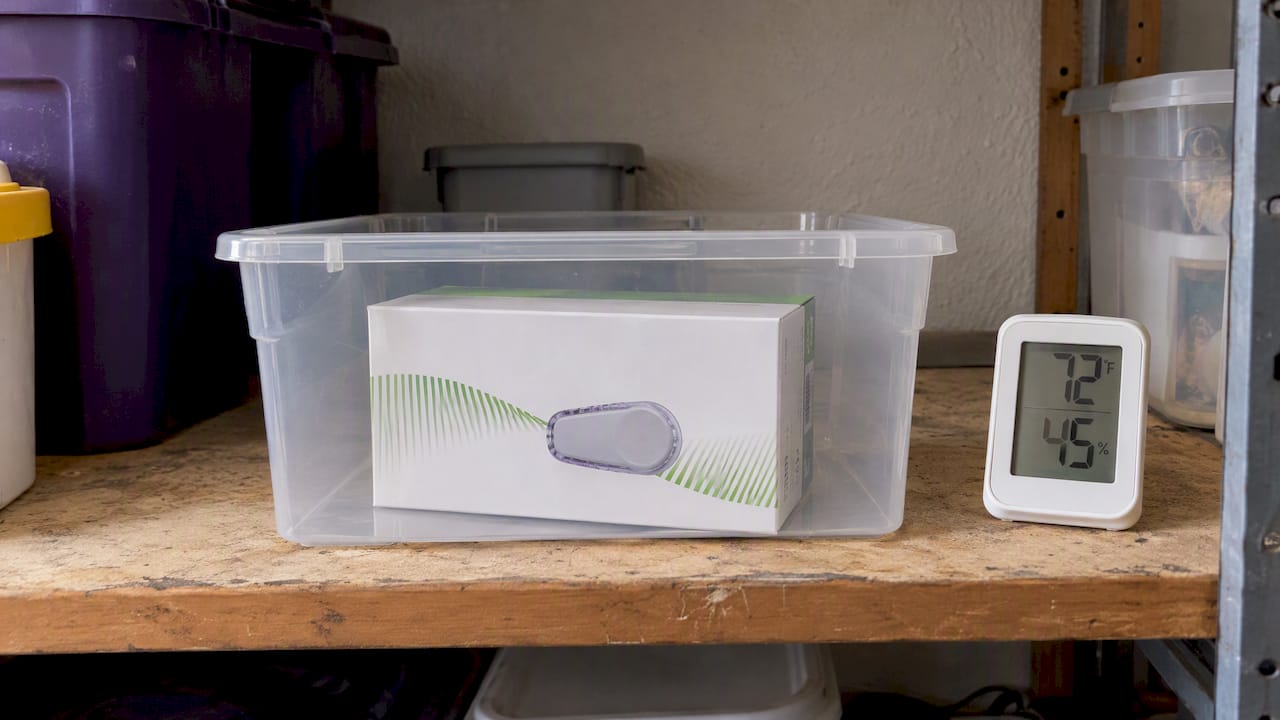
Pro Tip: Store sensors within their recommended temperature range while you wait to sell, since heat exposure can degrade a sensor before its printed expiration date even arrives.
Why timing and provenance matter more than ever
Dexcom has confirmed it stopped manufacturing the G6 after July 1, 2026 and is encouraging users to plan a transition to G7, which means remaining G6 inventory has a shrinking window before buyer demand shifts. Selling sooner rather than later, while G6 sensors are still widely used, tends to produce better offers.
In-person sales appeal to us because they remove shipping risk and let both sides verify condition on the spot. Mailing to an established buyback service still makes sense if you can’t meet locally or you’re selling a larger lot. Whichever route you pick, provenance and sealed condition come first. A good price on a box with a questionable lot number isn’t a good deal.
— Liliana
Get same-day cash for your unused Dexcom supplies
Some local buyers purchase unused, sealed Dexcom G6 and G7 sensors, transmitters, and receivers directly from sellers, with inspection and payment handled in one meeting instead of a multi-day shipping wait.
- We inspect your items in person at a safe, public location and pay on the spot once everything checks out.
- Our Get Cash for Unused Dexcom G7 page shows example pricing so you know what to expect before you meet us.
- Eligibility and final offers depend on expiration date, lot condition, and whether packaging is sealed and intact.
If you’d rather skip the shipping label and the waiting, start with our cash for diabetic supplies page to see what we buy and request a same-day quote.
Where to double-check before you sell
- Review the FDA’s theft and recall alert for affected lot numbers.
- Check Dexcom’s G6 transition page for current manufacturing and support timelines.
This article is general information, not a substitute for advice from a qualified doctor. Consult a qualified healthcare professional about your own circumstances before acting on anything here.
Sources
- Dexcom uncovers theft of scrapped product, notifies potentially impacted users | FDA
- Upgrade to Dexcom G7 or G7 15 Day from G6 | Dexcom
- How long does the Dexcom G6 transmitter last? | Dexcom
FAQ
Where can I sell Dexcom G6 sensors?
You can sell sealed, unexpired Dexcom G6 sensors through a local same-day buyer, a mail-in buyback service, or an online classified listing. Local sales tend to pay fastest since inspection and payment happen in one meeting.
How much is one Dexcom sensor worth?
A single sealed sensor’s value depends mostly on expiration date and whether it’s part of a multi-pack, with public listings showing sensors priced roughly between $20 and $75 depending on condition. Receivers in the same listings ranged closer to $75 to $80.
How much can I sell a Dexcom G7 sensor for?
Our own buyback pricing for unused Dexcom G7 sensor packs runs $70 to $90 per pack, depending on expiration and condition. Offers for individual sensors vary based on how many are sealed in each box.
Is it legal to sell unused Dexcom supplies?
Selling unused, unopened medical supplies you legally own is generally permitted, but FDA guidance on reprocessing single-use devices cautions against reselling anything that’s been opened or used. Stick to sealed, unexpired items and verify your lot numbers before selling.
What should I check before selling my Dexcom G6 supplies?
Confirm the expiration date, make sure the box is sealed with the REF and lot number visible, and check that number against any public recall or theft notices. Keeping photos of each box protects you if a buyer questions the item’s history.