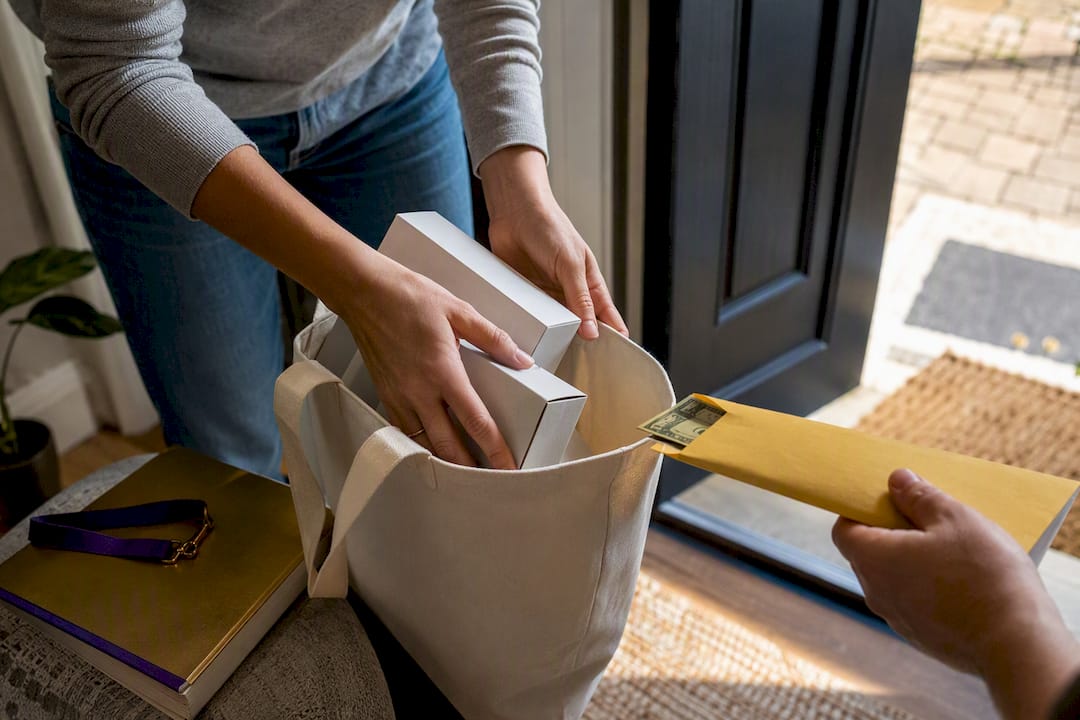
Yes, you can get fast, same-day cash for unused diabetic supplies like Dexcom G6 & G7, Freestyle Libre, Omnipod pods, and sealed test-strip vials. The catch: they need to be factory-sealed, unexpired, and from an accepted brand. Items tied to Medicare or Medicaid billing need an extra check first, and the FDA warns against using pre-owned or unauthorized test strips because of accuracy and contamination risks.
TL;DR:
- Only sealed, unexpired supplies from approved brands qualify for cash, and items paid for through Medicare or Medicaid may face restrictions on resale.
- Proper preparation, including inventory listing, photographing lot numbers, and removing personal info, speeds up the in-person sale process.
- Inspection involves verifying seals, counting items, and matching lot numbers, with higher offers for larger, well-preserved lots with more expiration time.
- Selling in person ensures fair inspection and immediate payment, reducing risks and waiting times compared to online resale.
- Reselling only approved, sealed supplies avoids health risks associated with used or unauthorized test strips and complies with FDA and CMS guidelines.
Table of Contents
- Which supplies qualify for cash and what counts as “unused”
- Get your supplies ready for a fast, same-day sale
- How buyers inspect items and set pricing
- Safety, legal, and health considerations before you sell
- Step-by-step: sell your supplies fast for same-day cash
- Why a local buy-back beats anonymous online resale
- Ready to turn unused supplies into same-day cash?
- Sources
Which supplies qualify for cash and what counts as “unused”
Not every box in your closet is sellable, but more than you’d think probably qualifies. A local buyer typically wants supplies still in their original, factory-sealed packaging with plenty of time before they expire.
Accepted categories generally include:
- Dexcom G6 and G7 sensors in sealed boxes with intact seals
- Freestyle Libre sensors unopened and within date
- Omnipod pods still in their original sealed packaging
- Sealed test-strip vials from major brands with the factory seal unbroken
Certain conditions disqualify an item outright, no matter how good the intentions behind selling it. Opened boxes, partial vials, torn or taped-up packaging, and anything past its printed expiration date won’t pass inspection. Packaging without English instructions or U.S.-authorized labeling is a red flag too, since that often signals the product wasn’t meant for the U.S. market in the first place.
One more thing worth checking before you load up the car: if your supplies were paid for through Medicare or Medicaid, there may be restrictions on reselling them. CMS guidance on glucose monitoring supplies covers billing rules that are worth a quick look before you sell anything you didn’t pay for out of pocket.
Get your supplies ready for a fast, same-day sale
A little prep at home turns a 20-minute appointment into a 5-minute one. Buyers move faster when they don’t have to dig for answers, and you get paid faster because of it.
Here’s how to get your inventory sale-ready:
- Sort by brand. Group your Dexcom, Libre, Omnipod, and test-strip boxes separately so they’re easy to count.
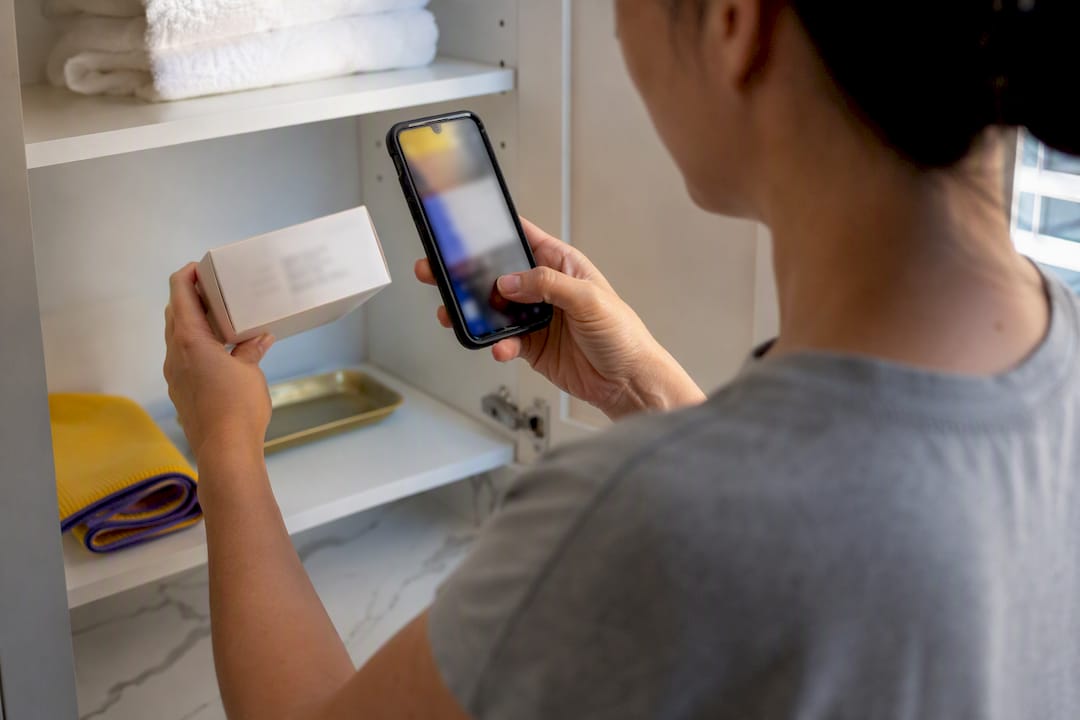
- Photograph everything. Snap clear photos of lot numbers, expiration dates, and box condition before you leave the house.
- Build a simple inventory sheet. List brand, quantity, lot number, and expiration date for each item. A spreadsheet or even a handwritten list works fine.
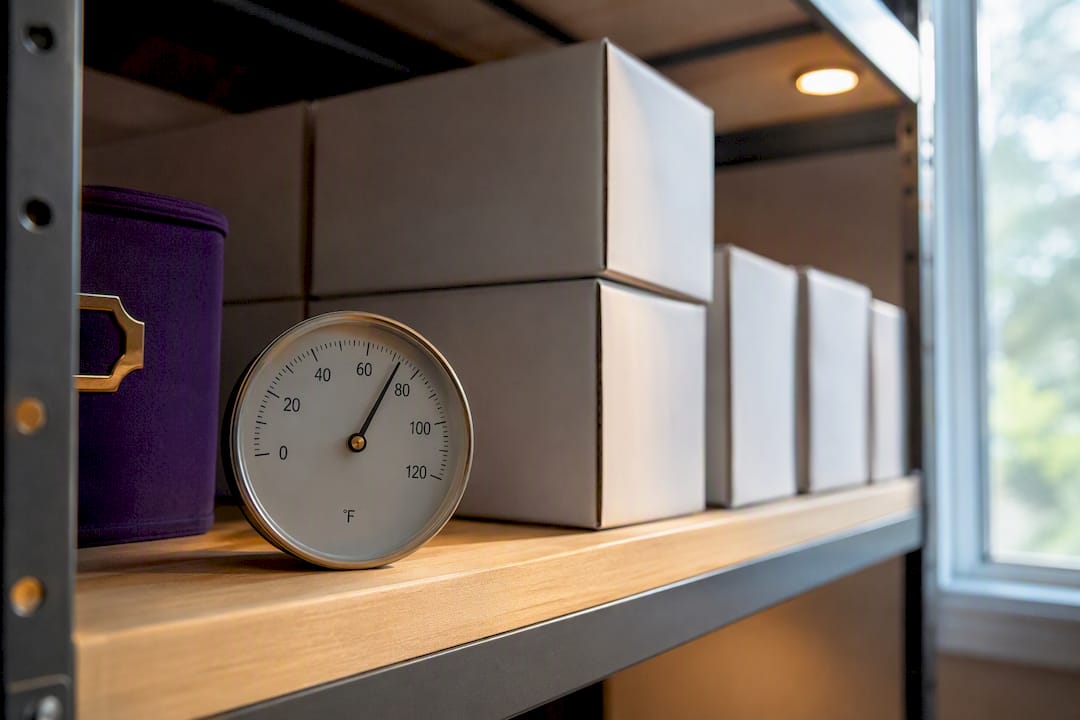
- Keep boxes sealed and rigid. Don’t stack heavy items on top of test-strip boxes. Crushed corners can hurt your offer.
- Remove personal information. Strip your name, address, or prescription labels off any boxes or shipping materials before you bring them in.
Bring a government-issued ID, your printed inventory sheet, and any receipts or photos you have on hand. Buyers who follow an in-person checklist, the kind Orlando Diabetic Supplies Buyback uses on every visit, can usually confirm eligibility and quote a price in minutes instead of making you wait around.
Pro Tip: Take photos of expiration dates the same day you plan to sell, not weeks ahead. A date that looked fine last month might be a month closer to expired by the time you show up.
How buyers inspect items and set pricing
Inspection is quick but thorough. A buyer will check that packaging is sealed, count what you’ve brought against your inventory sheet, confirm expiration windows, and match brand markings or lot numbers to make sure nothing looks altered.
Several factors move the number they offer:
- Brand demand. Some sensors and test strips move faster in resale markets than others.
- Time until expiration. More runway before the expiration date generally means a better offer.
- Quantity. Larger unopened lots often earn a better per-unit price than a single box.
- Box condition. Crushed, water-damaged, or heavily worn packaging can lower an offer even if the contents inside are fine.
Illustrative example only: a single sealed box might fetch a modest amount, while a larger lot of the same brand with a year or more before expiration could earn considerably more per unit. Actual reporting on this resale market backs up that pattern. Journalistic investigations into diabetic supply resale found prices vary widely by brand, expiration window, and lot size, with larger unopened lots typically earning higher per-unit offers. Final numbers can shift after inspection if something doesn’t match what was described over the phone.
Safety, legal, and health considerations before you sell
Selling unused, sealed supplies to a legitimate local buyer is a different situation from the anonymous online resale of used or opened test strips, which carries real health risks for whoever buys them next.
- Never sell opened or partially used test strips or sensors.
- Avoid buyers who won’t inspect items in person or who ask you to ship supplies to an unknown address.
- Check whether your supplies were billed to Medicare or Medicaid before offering them for sale.
- If items are expired or opened, look into manufacturer donation programs or safe disposal instead of trying to sell them.
Pre-owned or unauthorized test strips may have been stored improperly or already expired, which raises the risk of inaccurate glucose readings for the next person who uses them.
That warning comes straight from the FDA’s consumer guidance on glucose meters and test strips, and it’s the reason legitimate local buyers only accept sealed, unexpired inventory. A gray-market resale economy for diabetic supplies has existed for years, as NPR’s reporting on secondhand test strips documented, which is part of why buyers now emphasize in-person inspection over blind online sales.
Step-by-step: sell your supplies fast for same-day cash
Here’s the process from “boxes in a closet” to cash in hand, usually completed in one visit.
- Take inventory and photos. List every item by brand, quantity, lot number, and expiration date. Photograph each box.
- Contact a buyer for a pre-quote. Share your photos and inventory list so they can give you a ballpark figure before you drive anywhere.
- Schedule an in-person inspection. Pick a time that works for both of you. Mornings and early afternoons tend to move faster since fewer people are waiting.
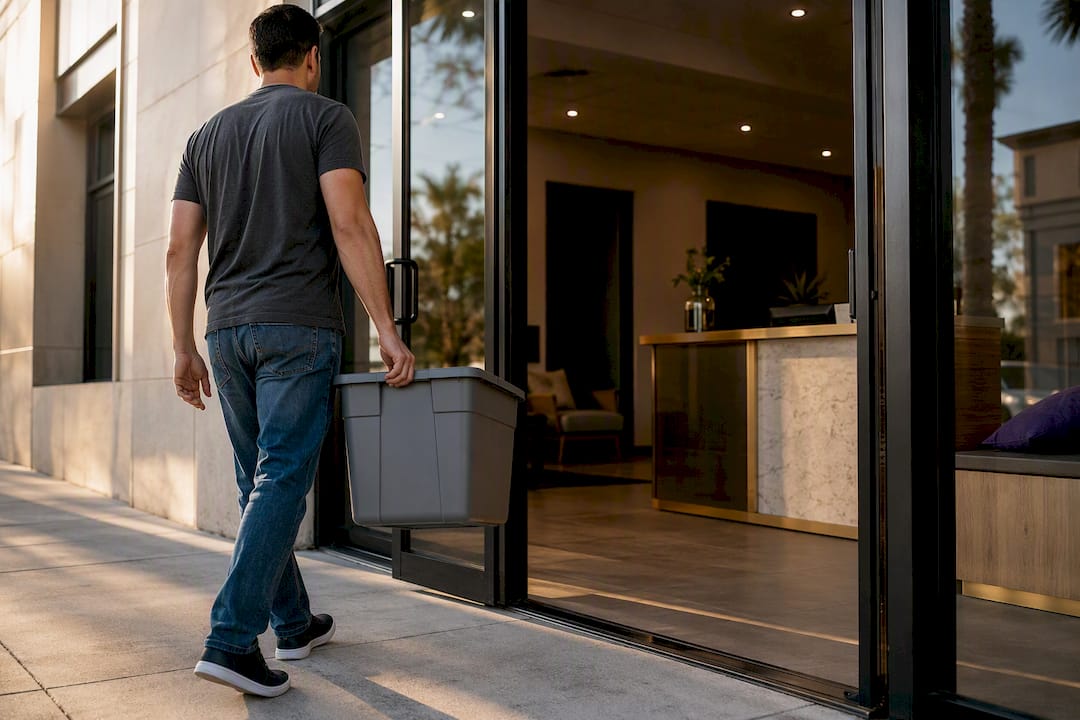
- Bring your ID and the physical items. Government-issued photo ID plus every box on your list.
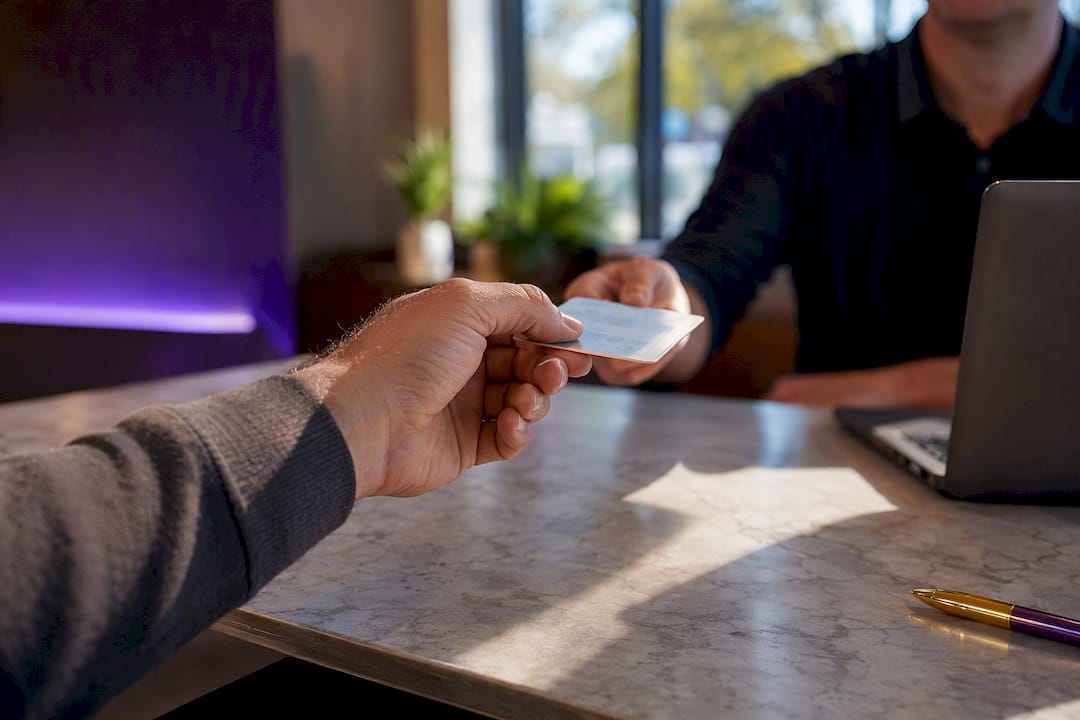
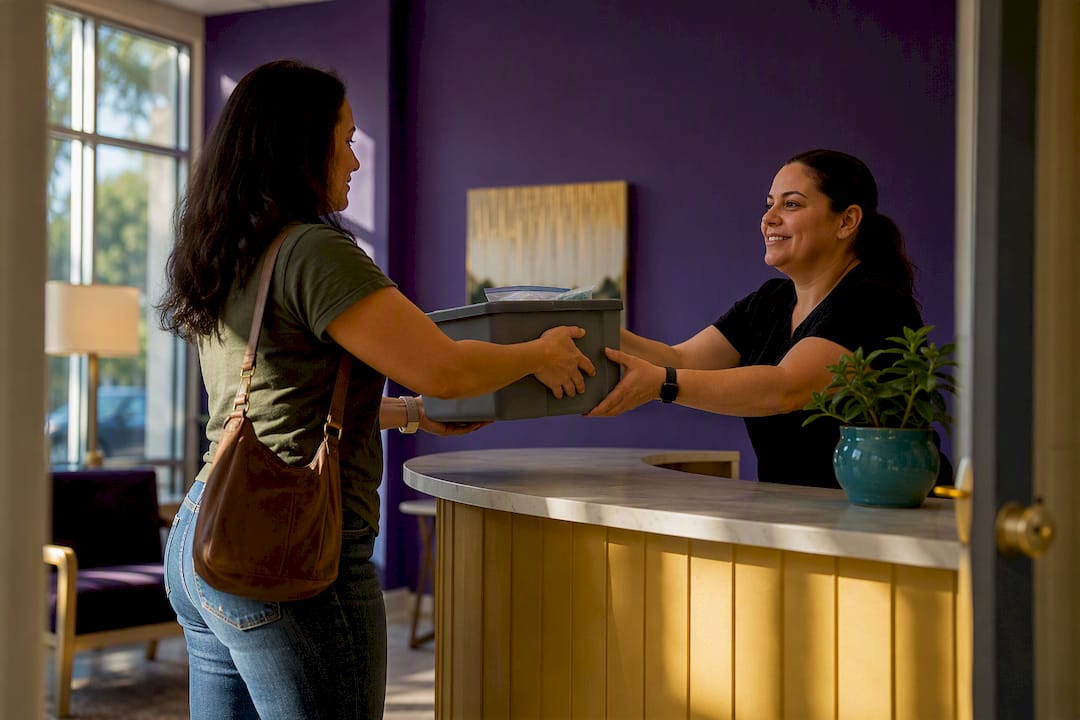
- Get inspected and paid. The buyer verifies seals, counts, and expiration dates, then pays you on the spot for everything that qualifies.
A complete inventory sheet and clear, well-lit photos are the two biggest things that speed up verification. Buyers spend less time asking follow-up questions when the paperwork is already done.
If you’re meeting someone you found online rather than an established local business, treat it like any cash transaction with a stranger: meet at a public, well-lit location, confirm the buyer has a real business phone number and website, and never hand over more personal information than the transaction requires. Legitimate operations don’t need your Social Security number or insurance ID to buy a sealed box of sensors.
Pro Tip: Call ahead with your inventory list before driving anywhere. A quick phone quote confirms the buyer actually wants what you have, so you’re not showing up to find out half your boxes don’t qualify.
Why a local buy-back beats anonymous online resale
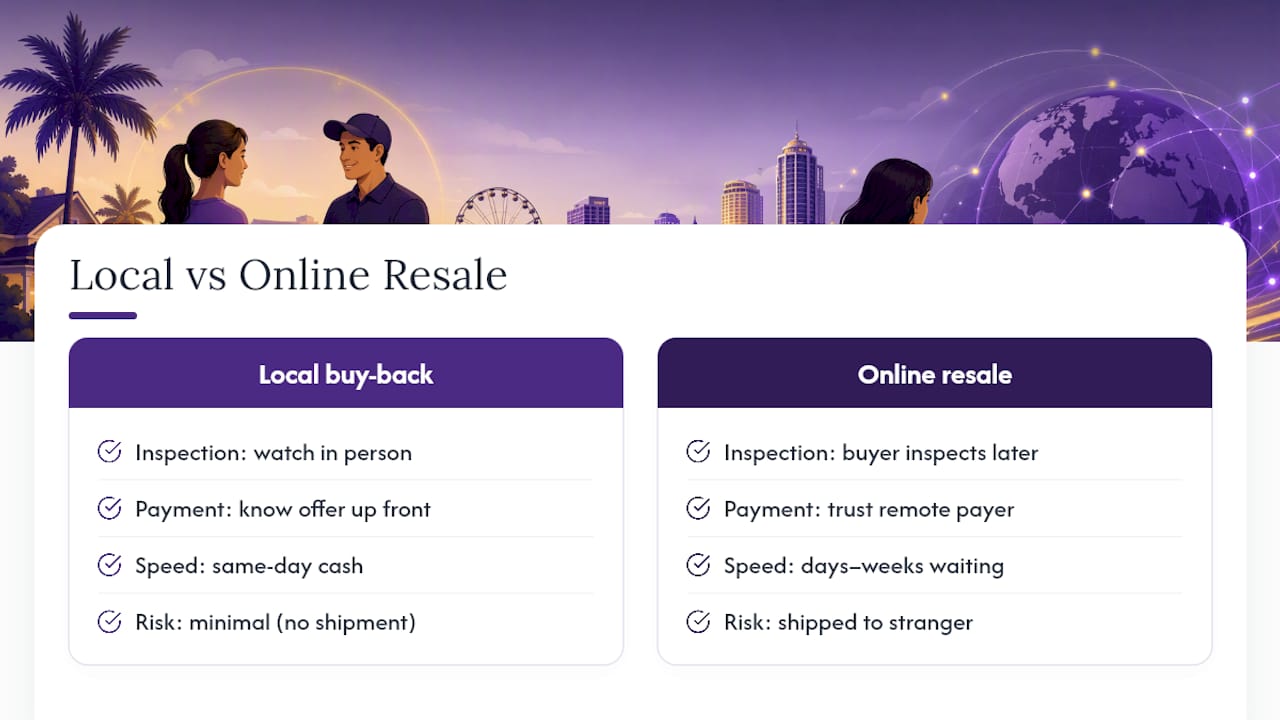
The math on this is pretty simple once you sit with it. Shipping sealed medical supplies to a stranger you found on a forum means trusting that person to inspect honestly, pay fairly, and actually send the money after your boxes are already in the mail. A local, in-person buy-back flips that risk entirely: you watch the inspection happen, you know the offer before you hand anything over, and you walk away with cash the same day.
What gets underestimated is how much faster this is for the seller compared to online listings, which can sit for days or weeks waiting for a buyer who may never show up.
— Liliana
Ready to turn unused supplies into same-day cash?
If you’ve got sealed boxes of Dexcom, Libre, or Omnipod supplies sitting in a drawer, Orlando Diabetic Supplies Buyback turns that inventory into cash the same day you walk in, with no shipping, no waiting on an online buyer, and no guessing whether the offer is fair before you commit.
Start by pulling together your boxes and jotting down brand, quantity, and expiration dates for each one. Bring that list, your items, and a government-issued ID to an in-person inspection, and you’ll get paid on the spot for anything that qualifies. Visit the step-by-step guide to getting cash for unused diabetic supplies to see exactly what to expect at your appointment, or check the Dexcom G7 selling guide if that’s what’s taking up space in your cabinet. Either way, the next step is the same: get your inventory together and get paid today.
This article is general information, not a substitute for advice from a qualified doctor. Consult a qualified healthcare professional about your own circumstances before acting on anything here.