The most reliable buyers come from three places: vetted marketplaces and directories, targeted outreach in professional communities, and paid broker or buyer-match services when the stakes are high. The single rule that protects you across all three: never share financials, customer lists, or sensitive details until a buyer proves funding and states a real reason for buying. Staged disclosure and verified payment methods do the rest.
TL;DR:
- Use vetted marketplaces and directories that require registration and ID verification to find serious buyers for high-value or business assets.
- Screen buyers thoroughly by requesting proof of funds, a signed NDA, and a clear acquisition rationale before sharing sensitive information.
- Pay attention to buyer behavior early, such as responsiveness and willingness to provide verified funding, rather than relying solely on paperwork.
- Prefer escrow services and verified wire transfers for secure payments, and meet in public locations when exchanging physical goods to ensure safety.
- Consider local in-person buyback options for diabetic supplies in Orlando when speed and safety outweigh getting the highest price.
Table of Contents
- How Do You Find Legit Buyers in the Right Channels?
- How Do You Screen and Qualify a Buyer?
- What Are the Safest Payment and Meeting Practices?
- How Do You Attract Serious Buyers Instead of Time-Wasters?
- When Should You Use a Broker or Paid Buyer-Finding Service?
- Author Perspective and a Practical Local Option for Diabetic Supplies
- What I’ve Learned Screening Buyers: Dos and Don’ts
- A Faster, Safer Route for Eligible Diabetic Supplies
- Sources
How Do You Find Legit Buyers in the Right Channels?
Not every channel deserves your listing. Some attract serious money, and some attract people who just want to window shop or, worse, scam you.
Marketplaces and specialist directories work best for business sales and higher-value goods because they filter for intent. A buyer scrolling a niche business-for-sale directory has already self-selected as someone who transacts in that category, unlike someone browsing a general classifieds site. Look for platforms that require registration, ID verification, or a stated acquisition budget before a buyer can message you. That single gate removes a large share of tire-kickers before they ever reach your inbox.
Community platforms can work, but only with discipline. Facebook groups built around a specific industry or region tend to produce warmer leads than open marketplace posts, because members already share context. Relevant subreddits function similarly for niche products, and LinkedIn is often the strongest channel for business buyers because professional identity is attached to every message. The catch: these platforms have no built in screening, so you carry the entire qualification burden yourself.
Direct industry outreach matters most when you’re selling something specialized or courting international buyers. Trade shows, trade associations, and export partner programs put you in front of people who already buy in your category at scale. Trade is a government-backed option worth knowing about if you’re trying to reach overseas buyers or verify a foreign company’s legitimacy before engaging further.
Buyer-match and paid search tools trade cost for speed. Services that generate validated prospect lists can be worth the fee when you need qualified names fast and don’t have weeks to build organic interest through content and outreach. They’re not a shortcut around screening, though. A validated list still needs your own qualification process before money changes hands.
A few practical notes on where each channel fits:
- Use marketplaces and directories when you’re selling a business, equipment, or goods with a defined resale market.
- Use community platforms when your buyer pool is niche, local, or hobbyist and you have time to vet manually.
- Use industry outreach and export programs when confidentiality matters less than reach, or when international buyers are part of your strategy.
- Use paid buyer-match tools when speed matters more than cost and you already have a screening process ready to run.
How Do You Screen and Qualify a Buyer?
Finding credible buyer leads is only half the job. The other half is proving they’re real before you hand over anything sensitive. A staged screening process that moves from a casual inquiry to a binding letter of intent meaningfully cuts down on wasted time and protects your information along the way.
Here’s the four-stage sequence that works for most sales, whether you’re moving a business or a piece of high-value equipment:
- Initial inquiry. Get a name, a stated reason for buying, and basic contact details. Nothing sensitive changes hands yet.
- NDA. Before you share financials, operational details, or anything proprietary, get a signed non-disclosure agreement. This step alone filters out casual browsers fast.
- Financial qualification. Request proof of funds, a lender preapproval letter, or recent bank statements as explained in The Best Health Insurance For Entrepreneurs Your Definitive Guide – Pounds Health. If a preapproval letter is more than 30 days old, ask for an updated one and reverify employment, debt, and assets before moving forward.
- Letter of intent. Only after funding is confirmed should you release full operational details, customer data, or move toward closing.
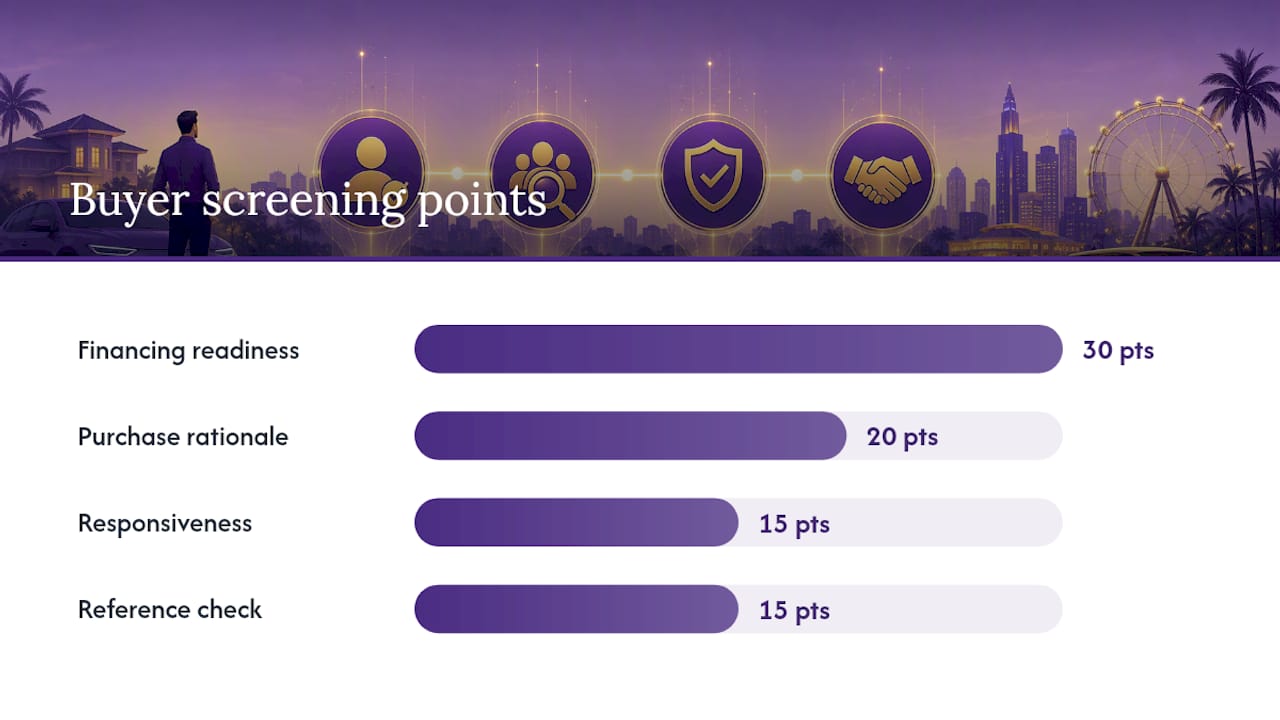
A scored checklist turns this from a gut-feeling exercise into something defensible. Assign weighted points: proof of funds (30 points), clear acquisition rationale (20 points), relevant industry experience (20 points), responsiveness through screening (15 points), and references (15 points). A buyer who scores 80 or higher advances to the LOI stage. Anyone below that gets more questions, not more access.
What separates a credible buyer from a time-waster usually shows up early. Buyers who’ve done their homework can explain why this purchase fits their goals, they have financing lined up before they ask detailed questions, and they respond to screening requests without pushback. Buyers who stall on an NDA, stay vague about how they’re paying, or ask for sensitive data before proving anything, are showing you exactly who they are. Believe the behavior over the paperwork.
Pro Tip: If a buyer has purchased something similar before, ask for the name of that previous seller and call them. A five-minute conversation about how the buyer handled that deal often tells you more than any document they could send.
What Are the Safest Payment and Meeting Practices?
Screening protects your information. Payment and meeting practices protect your money and your safety, and both matter equally once you’ve decided to move forward.
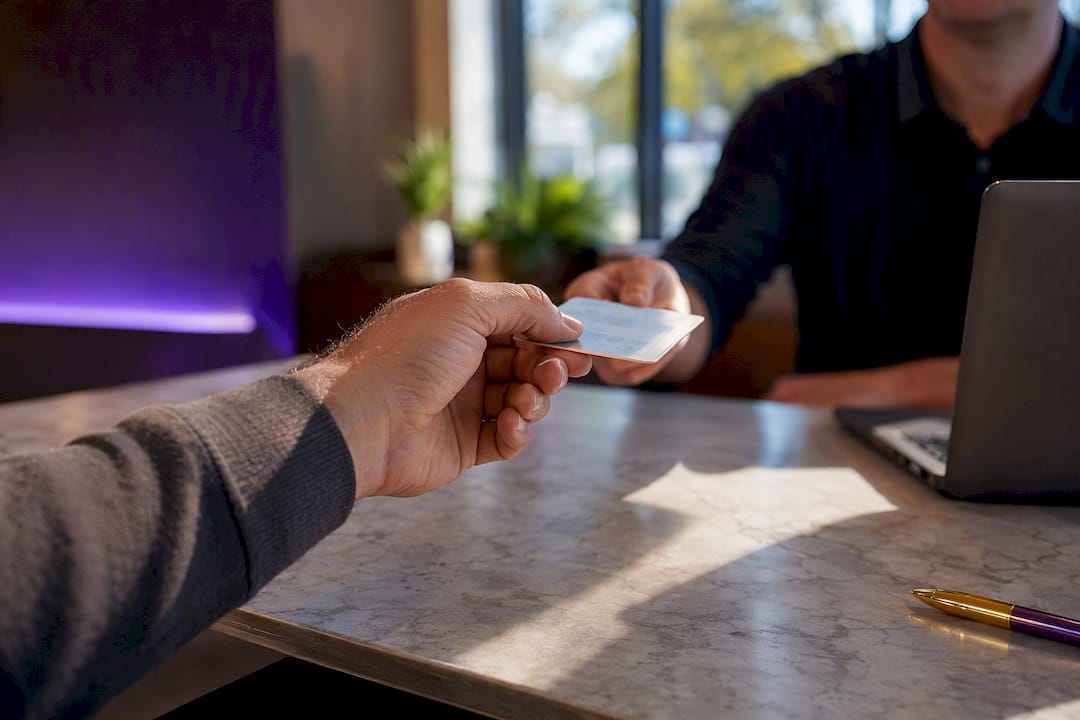
Escrow services and verified wire transfers are the safest payment flows for anything beyond a small cash transaction. A third-party escrow service holds funds until both sides confirm the deal is done, which removes the “trust me” risk entirely. For in-person exchanges of physical goods, always meet in a public, well-lit location, bring a witness if you can, and confirm the buyer’s ID matches the name on any payment documents before you hand anything over.
A few practices that consistently prevent trouble:
- Never accept a cashier’s check without calling the issuing bank directly to confirm it’s real and funded.
- Never release full customer lists, supplier details, or proprietary operational data before a signed LOI, no matter how close the deal feels.
- Verify proof of funds again if there’s been any gap of more than a few weeks between qualification and the actual transaction.
- Treat requests to “just wire a deposit first” or use an unfamiliar payment app as an immediate red flag.
If a buyer suddenly changes the payment method, asks you to ship or hand over goods before payment clears, or pressures you to skip a step you’d normally require, stop the process. A legitimate buyer with real intent to close won’t push back hard on basic safety steps.
How Do You Attract Serious Buyers Instead of Time-Wasters?
The quality of your inquiries usually traces back to the quality of your listing. Buyers respond to specifics, not enthusiasm. A listing with clear specs, honest condition notes, and verified photos filters for people who are actually ready to transact, while a vague or overly polished post tends to attract browsers.
Trust signals do real work here. A short history of past transactions, references from prior buyers or sellers, and (for business sales) a professional teaser or confidential information memorandum all signal that you run a serious process. Better buyers respond to better stories backed by clean facts, so lead with durability, upside, and how transferable the asset or business actually is, rather than just the price.
Your messaging should shift depending on the channel:
- Marketplace listings should be short, specific, and front-load the details a buyer needs to self-qualify.
- Broker teasers can go longer, since the reader has already opted into a serious buying process.
- LinkedIn outreach should be personal and reference something specific about the recipient’s business or history, not a generic template.
None of this matters if follow-up is slow. Combining targeted outreach with fast response times and simple CRM tracking produces meaningfully better qualified buyers than posting widely and hoping. A basic qualification script, three or four questions you ask every inquiry, turns a vague “I’m interested” into either a scheduled call or a polite dead end. If you’re preparing goods for sale, cleaning up condition and documentation before you list also raises the average quality of who reaches out, something covered in more detail in this preparation guide.
Pro Tip: Respond to every serious inquiry within a few hours, not a few days. Buyers who are genuinely ready to move often reach out to multiple sellers at once, and the fastest credible response usually wins the conversation.
When Should You Use a Broker or Paid Buyer-Finding Service?
Doing your own outreach and screening works fine for smaller, lower-stakes sales. It gets harder once confidentiality, time, or deal size raise the risk of getting it wrong.
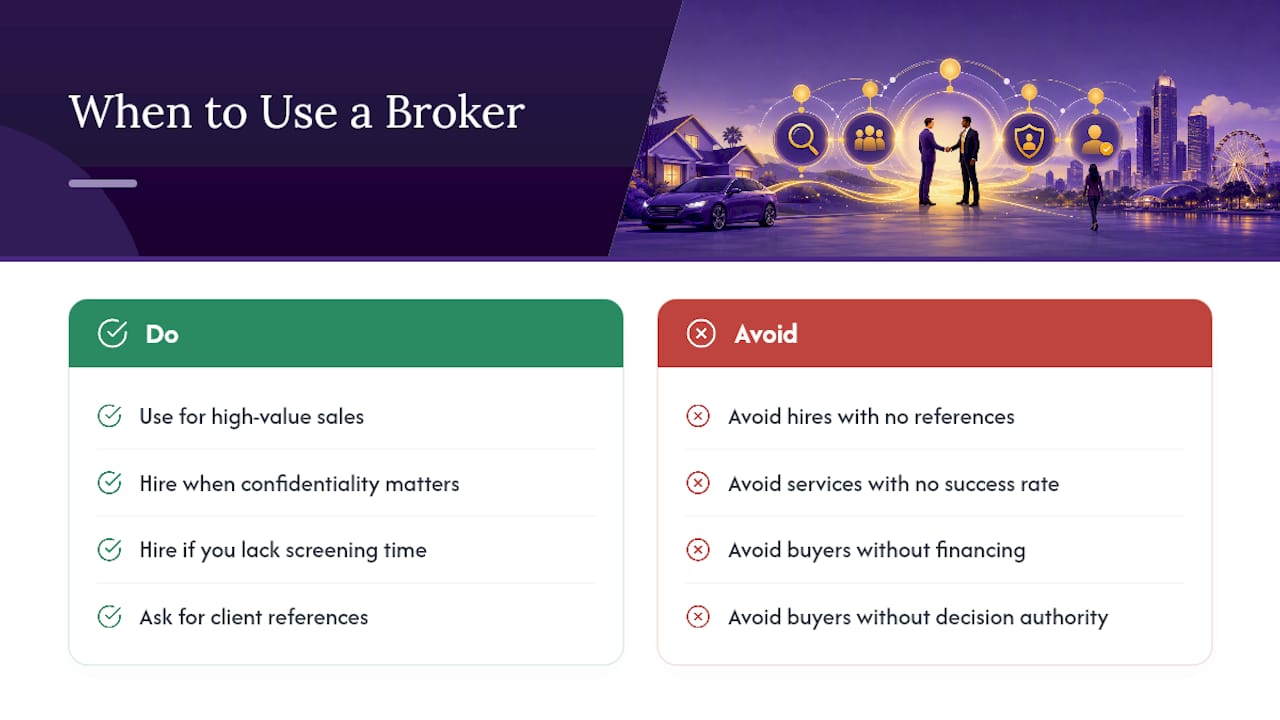
Brokers and paid buyer-finding services earn their fee in three ways: they screen with more discipline than most independent sellers have time for, they keep your identity and financials confidential until a buyer is qualified, and they often reach buyers you’d never find on your own. Confidentiality especially matters when employees, customers, or competitors could be spooked by news that a business is for sale.
Hiring one makes the most sense when the sale is high-value, when you can’t afford the deal leaking before it’s final, or when you simply don’t have the hours to run a proper screening process yourself. Before signing with any service, ask for references from recent clients, request their actual success rate on closed deals, and get a sample of the kind of buyer profile they typically produce. A qualified buyer isn’t just someone with cash; they need financing readiness, real decision-making authority, and a rationale that makes sense for the asset.
For sellers courting buyers overseas, government-backed export and partner-matching programs are worth exploring before paying a private service, since they’re often free and already vetted for legitimacy.
Author Perspective and a Practical Local Option for Diabetic Supplies
Liliana writes about the practical side of selling unused diabetic supplies, including how to prepare items for buyback in Orlando.
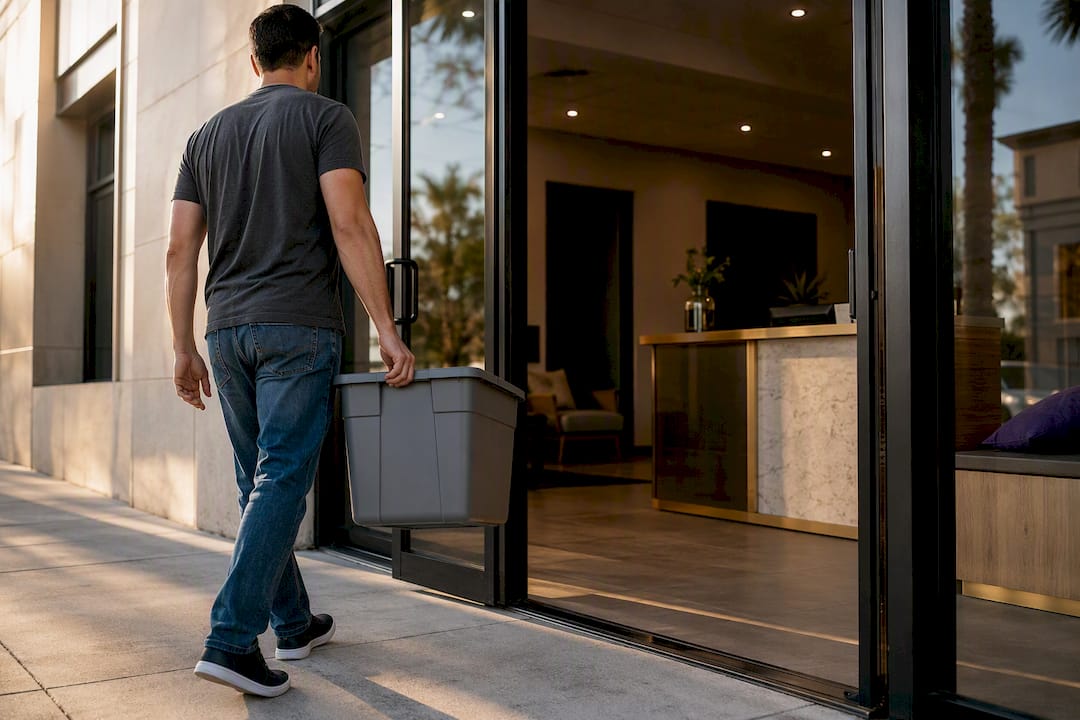
Most of the screening advice above applies to businesses, equipment, and higher-value sales where the buyer pool is unpredictable. Selling unused Dexcom G6 & G7 sensors, Freestyle Libre supplies, Omnipod pods, or sealed test strips is different. A local, in-person buyback service like Orlando Diabetic Supplies Buyback skips most of the screening burden entirely, because the transaction is inspected and paid on the spot rather than negotiated with a stranger online.
For sellers with unused diabetic supplies, weigh speed and safety against the effort of vetting a stranger on a marketplace.
What I’ve Learned Screening Buyers: Dos and Don’ts
Do enforce the NDA and proof-of-funds gates before anything sensitive gets shared. Don’t hand over financial or customer data early just because a buyer sounds convincing on the phone.
Do prefer escrow or verified bank transfers for anything beyond a small cash exchange. Don’t accept unusual payment requests, cashier’s checks you haven’t verified, or last-minute changes to how someone wants to pay.
Do prioritize buyer fit and closing certainty over the highest number on the table. Don’t chase volume of inquiries at the expense of quality. Ten unqualified leads are worth less than one buyer who’s actually ready to close.
— Liliana
A Faster, Safer Route for Eligible Diabetic Supplies
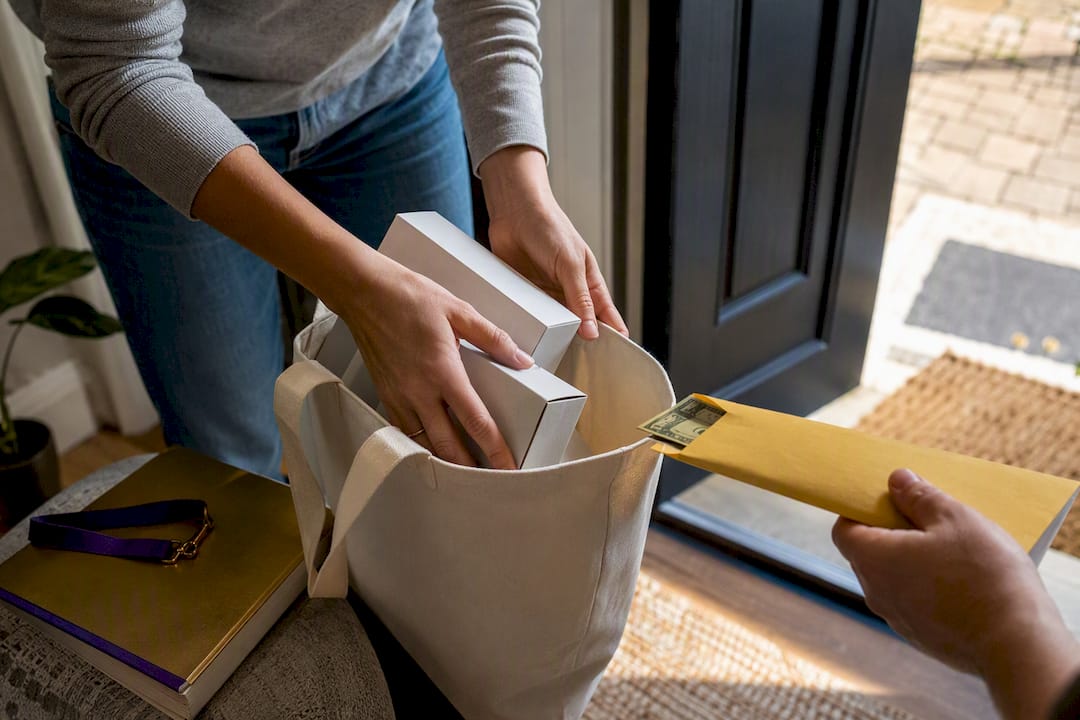
If you’re weighing marketplaces, screening steps, and payment verification just to sell a few unused sensors or boxes of test strips, there’s a simpler path. Orlando Diabetic Supplies Buyback pays same-day cash, in person, after a quick inspection, for eligible Dexcom G6 & G7 sensors, Freestyle Libre supplies, Omnipod pods, and sealed test strips, no listing, no waiting on a stranger’s proof of funds, no shipping risk.
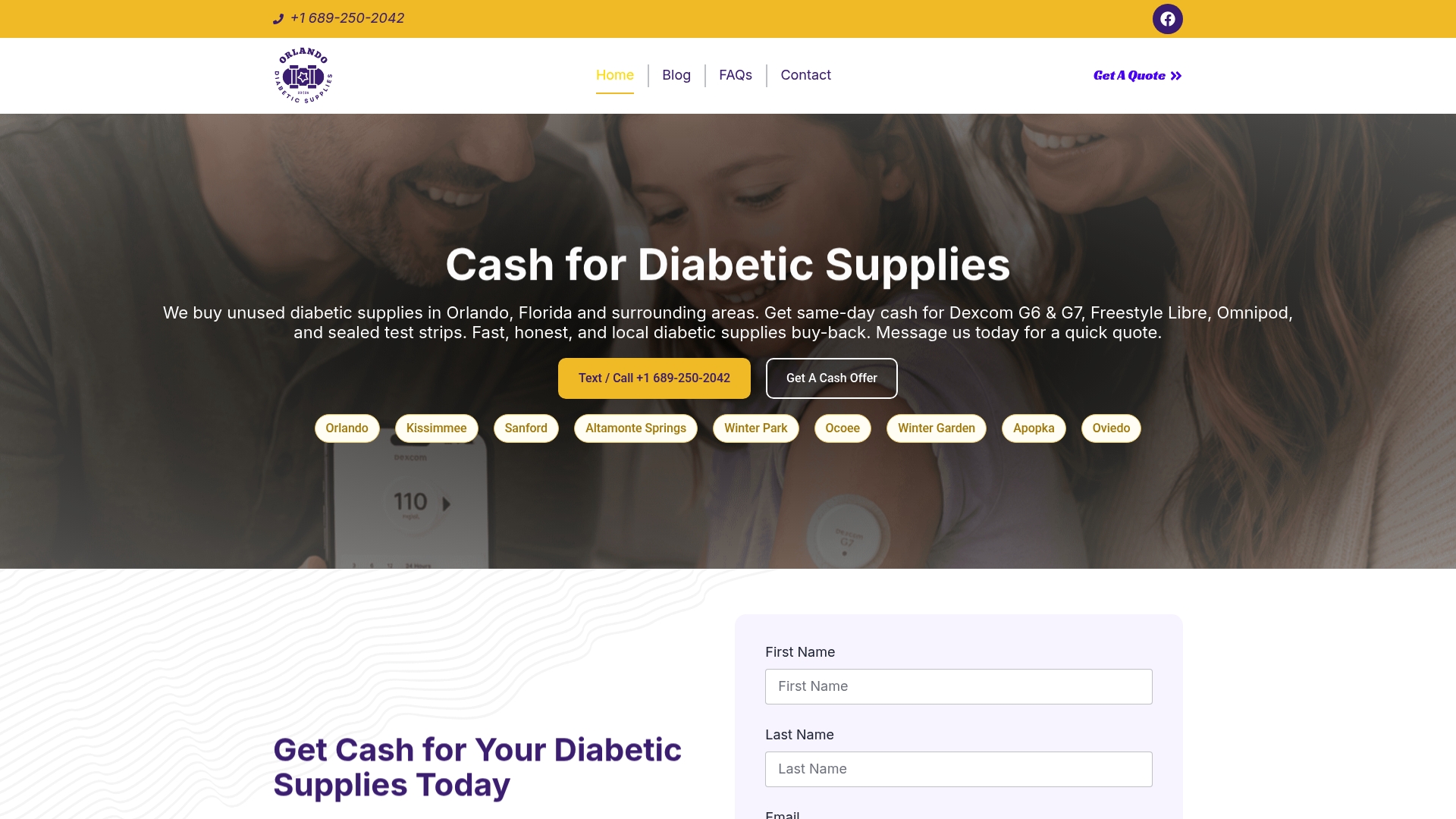
This works best for sellers who value speed over shopping around for the highest possible price, and for anyone uneasy about meeting an unverified buyer from an online marketplace. Since every item is inspected and paid for on the spot, there’s no staged screening process to run and no payment to verify after the fact. If you have eligible supplies sitting unused in Orlando or the surrounding area, check what qualifies and get cash for unused diabetic supplies today.
Sources
For further verification and outreach, consult Trade.gov’s buyer search program for international buyers, and review preapproval standards before accepting any financing documentation.
- How to screen potential buyers for your business
- What do I need to know about a potential buyer — and how do I find out?
- Preapproval vs. prequalification
Recommended
- No-Hassle Supply Selling in Orlando: Same-Day Cash
- Where to Sell Diabetic Test Strips for Cash in Orlando – Orlando Diabetic Supplies
- Cash4diabeticstrips.com Alternatives: Fastest Payouts & Trusted Buyers
- Cash for Test Strips in Orlando: Sell Unused Diabetic Supplies for Same-Day Payment – Orlando Diabetic Supplies