Sealed, in-date FreeStyle Libre sensors typically resell for about $15 to $20 each, and local same-day cash buyback services are usually the fastest, most reliable way to get paid. Price depends heavily on months left before expiration, sealed packaging, and readable lot codes, and buyers will check for recalls before paying. Some services offer same-day, in-person payment for eligible sensors.
TL;DR:
- Sensors with at least seven months remaining before expiration fetch the highest resale prices, typically around $15 to $20 for Libre 2 and Libre 3 models.
- Buyers require clear, readable lot, model, and expiration information; damaged or smudged packaging can lower or eliminate offers.
- Selling multiple sensors in bulk often yields better combined offers than single-unit sales, especially if boxes are unopened and well stored.
- Resale value is based on physical condition and shelf life, not on what insured patients paid out of pocket, which varies widely.
- Performing a visual check of the seal, lot number, and expiration date at a safe public location speeds up the sale process and ensures proper valuation.
Table of Contents
- Price ranges: what Libre 2 and Libre 3 sensors sell for
- What changes the offer you get
- Where to sell: buyback services, local cash, mail-in, or donation
- How to prepare your sensor for sale: a seller checklist
- Safety, prescription rules, and recall checks before you sell
- A note from Liliana at Cash for Diabetic Supplies Orlando
- How to sell your FreeStyle Libre sensors for cash today
- Sources
- FAQ
Price ranges: what Libre 2 and Libre 3 sensors sell for
Resale value moves with the model, the shelf life left on the box, and how the sensor was stored. Here is what realistic pricing looks like for sellers with unopened boxes:
- FreeStyle Libre 2 sensors in sealed, undamaged boxes with several months of shelf life left commonly bring $15 to $20 per sensor.
- FreeStyle Libre 3 sensors with seven or more months remaining before expiration are generally the ones buyers accept, since shorter windows raise the risk that the box expires before resale.
- A single sensor with 7+ months left typically lands at the top of the pricing range.
- A single sensor with only 2 to 4 months left often brings a lower offer, or gets declined by some buyers entirely.
- A bulk box or multiple sealed sensors sold together can sometimes get a better combined offer than selling one at a time, since it saves the buyer time on inspection.
One thing trips up a lot of sellers: what you paid out of pocket has nothing to do with what a sensor resells for. Abbott states that most insured patients pay between $0 and $20 per sensor after copay assistance, but that insured cost is a completely different number from resale value. Buyers price inventory on physical condition and shelf life, not on your insurance plan.
What changes the offer you get
A handful of specific factors decide whether a sensor gets top dollar or gets turned down. Understanding these before you contact a buyer helps you set realistic expectations and present your sensors in the best light.
- Months to expiration set the price tier. Sensors with the longest shelf life remaining almost always get the highest offers, since buyers need time to resell before the box expires.
- Readable model, reference, and lot numbers are required. If the box has a smudged or missing model code, expiration date, or lot number, most buyers will not make an offer.
- Quantity affects the math. Selling several sensors in one visit tends to be more efficient for both sides than selling one at a time, and some buyers price bulk lots slightly differently than single units.
- Storage and visible condition matter. A box that looks crushed, water-damaged, or stored somewhere hot can lower an offer even if the seal is intact.
- An opened or resealed box is usually worthless to a buyer. Once the factory seal is broken, most legitimate buyers cannot accept the item at all.
Where to sell: buyback services, local cash, mail-in, or donation
Sellers generally have four realistic paths, and each comes with its own tradeoffs in speed, safety, and payment method.
- Specialized buyback services ask for photos of the box, lot number, and expiration date, then send a quote before you ship or meet up.
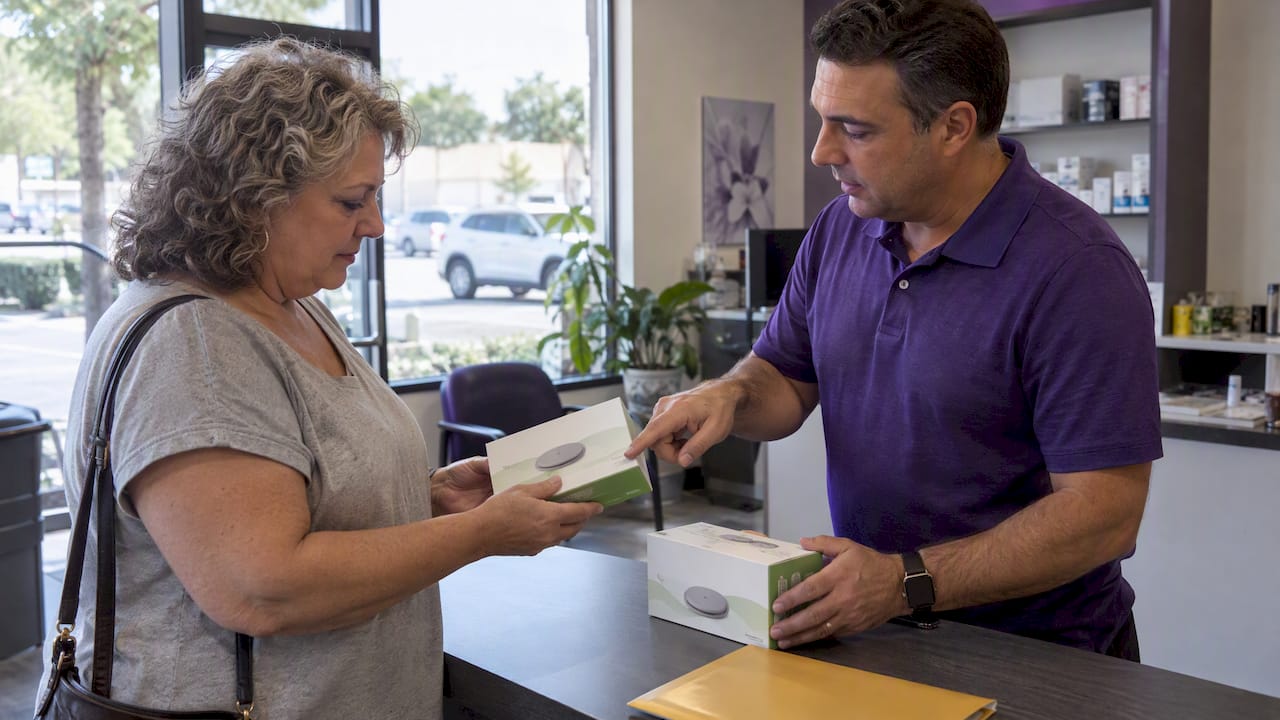
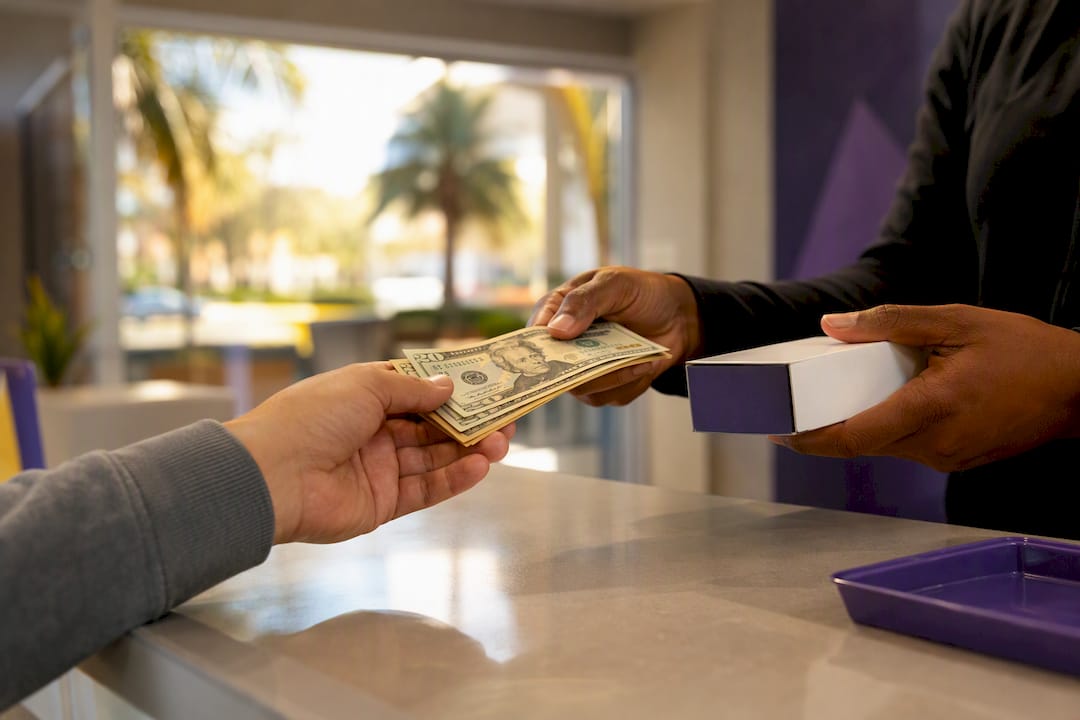
- Local same-day cash buyers inspect the sensor in person and pay on the spot, which is usually the fastest option and skips shipping risk entirely.
- Mail-in buyers can offer competitive prices but carry the risk of lost packages and often hold payment until the item is received and inspected.
- Donation programs are the right move when a sensor cannot be resold, whether from a recall, damaged packaging, or too little shelf life left.
If you go the local cash route, meet in a safe, public, well-lit place such as a bank lobby or police station lobby, and bring a valid photo ID. A quick visual check for an intact seal and a readable lot number is standard before any cash changes hands.
When resale is not an option, the American Diabetes Association points people toward donation programs such as Insulin for Life for unexpired, unopened supplies. Acceptance rules can change, so confirm current policy with the organization before shipping anything.
How to prepare your sensor for sale: a seller checklist
Getting the best offer usually comes down to preparation. Buyers move faster, and pay more confidently, when a seller has everything ready up front.
- Write down the model, reference number, lot number, and expiration date exactly as printed on the box.
- Take clear photos of every identifying panel, including the barcode and lot sticker.
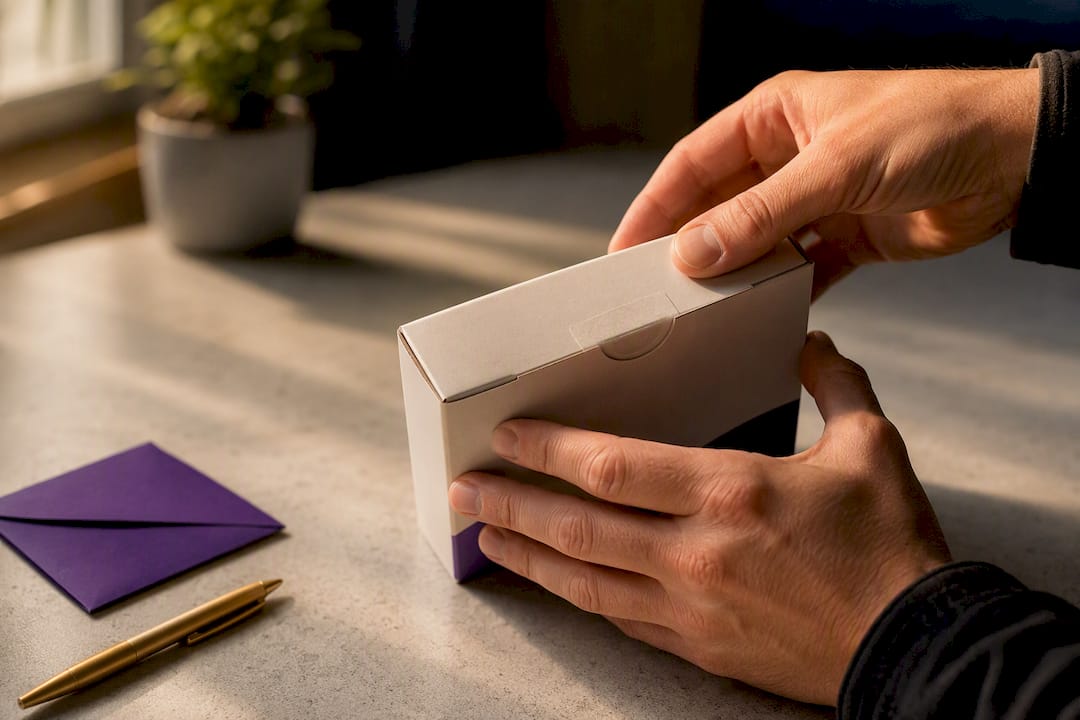
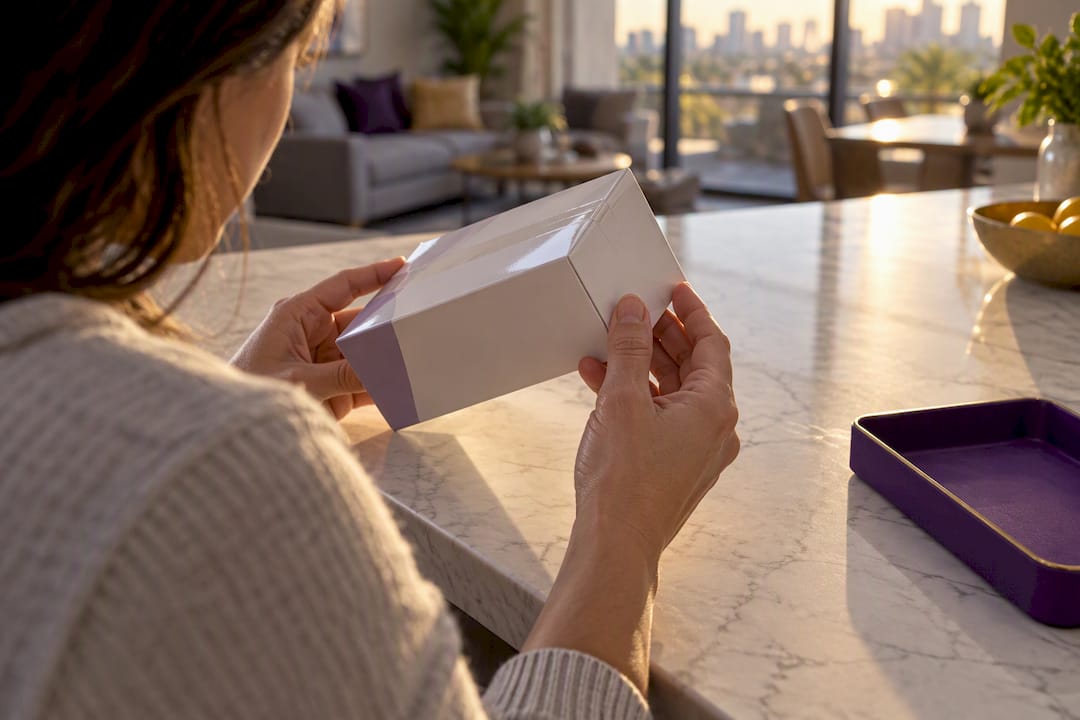
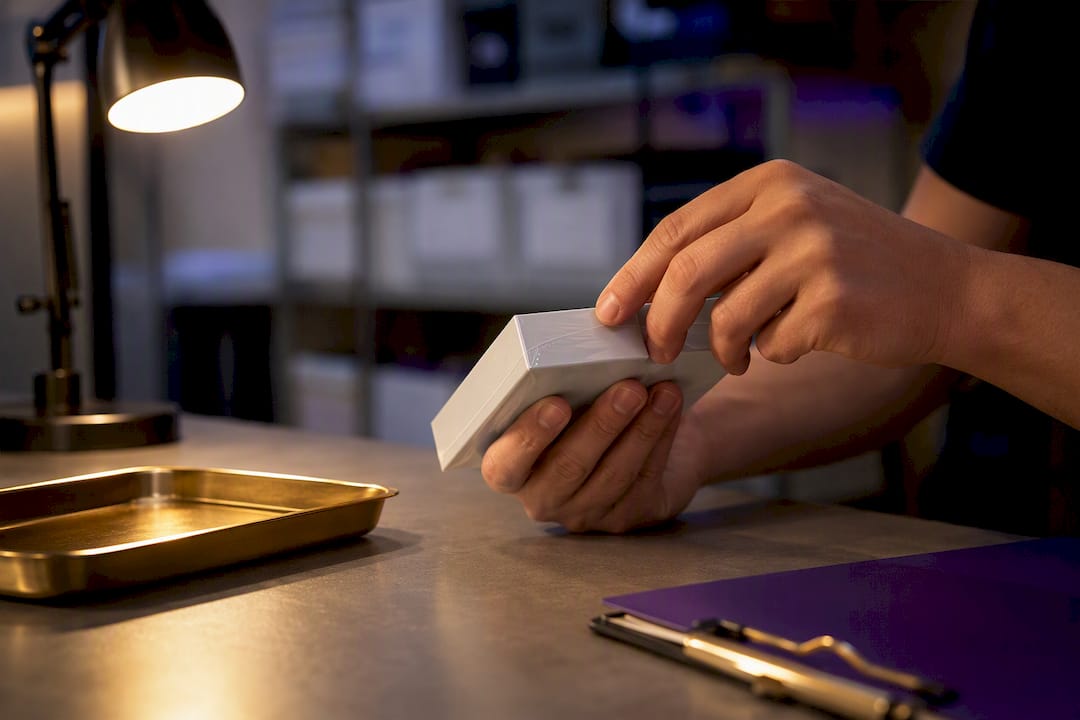
- Confirm the factory seal is intact and that the outer box shows no tears, water damage, or crushing.
- Keep any original paperwork or pharmacy receipt if you still have it, since some buyers ask for it.
- Note how the sensor was stored, since a cool, dry storage history can support a stronger offer.
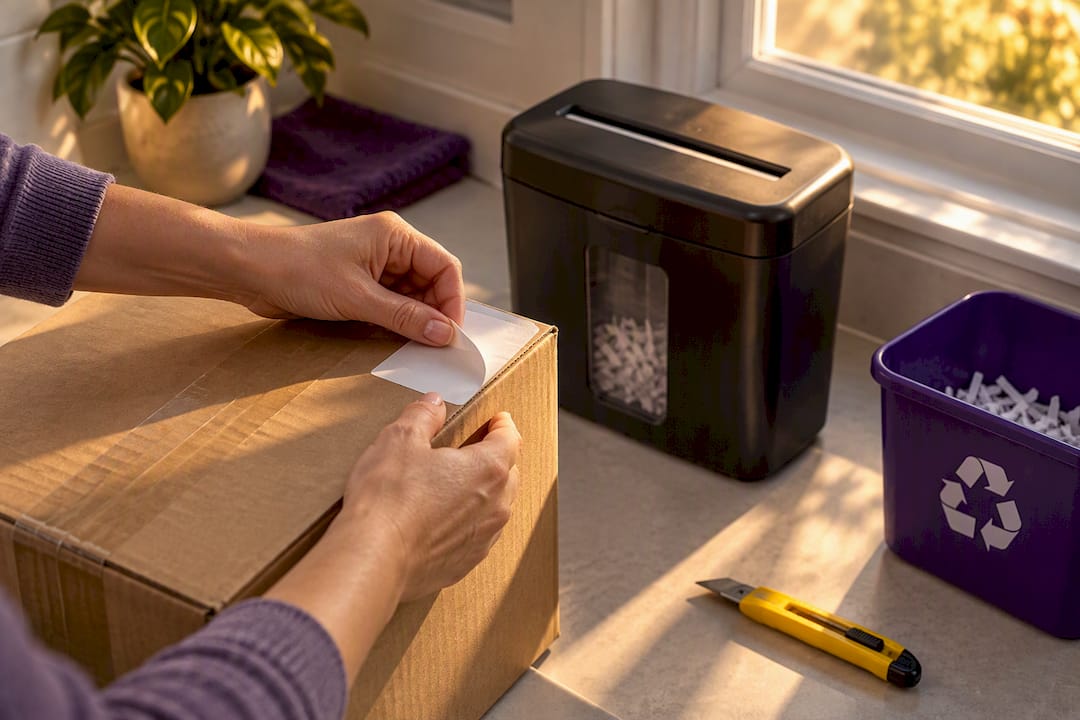
- Pack sensors carefully for mail-in sales, or bring them as-is to a safe public meetup for local cash sales.
Pro Tip: Photograph the lot number and expiration date before you contact any buyer. It speeds up your quote and avoids back-and-forth over details the buyer will ask for anyway.
Safety, prescription rules, and recall checks before you sell
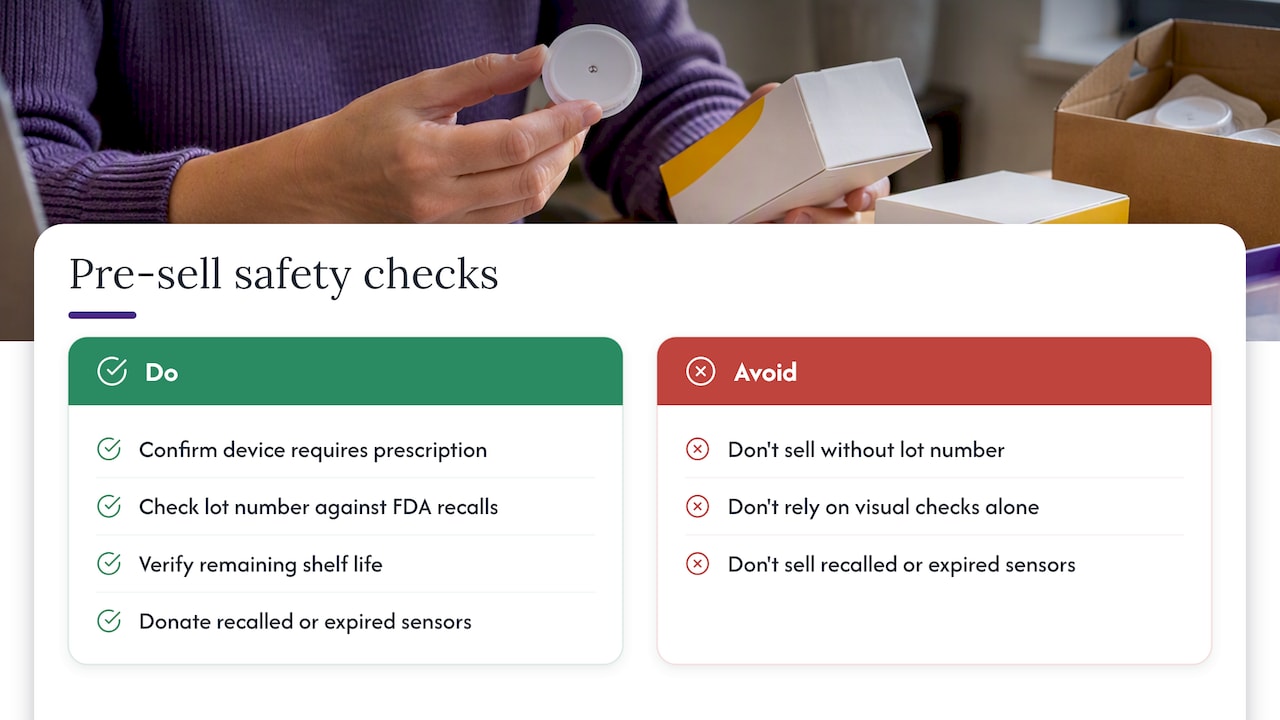
FreeStyle Libre is a prescription-only, single-patient-use medical device, and legitimate buyers will screen your packaging accordingly. Before listing a sensor anywhere, check whether the lot has been affected by a recall. FDA device recall records show that lot-specific recalls happen regularly, and a sealed box can still be affected even if it looks untouched. That means a sensor can pass every visual check and still be ineligible to resell if its specific lot was recalled.
Buyers who take compliance seriously will ask for the lot number precisely so they can verify it against current recall listings. If a sensor turns out to be part of a recall, or simply does not have enough shelf life left to interest a buyer, donation through a program like Insulin for Life becomes the practical fallback.
A note from Liliana at Cash for Diabetic Supplies Orlando
We buy sealed, in-date FreeStyle Libre 2 sensors at $15 to $20 each, and we accept Libre 3 sensors when seven or more months remain before expiration. Every meetup happens in a safe, public spot, and we check the seal, lot number, and expiration date on the spot before paying cash. Most sellers are in and out in a few minutes.
— Liliana
How to sell your FreeStyle Libre sensors for cash today
Some buyback services purchase unused, sealed FreeStyle Libre sensors along with Dexcom G6 and G7 sensors, Omnipod pods, and major test strip brands, offering same-day payment at safe local meetups. Getting a quote is simple: send photos of the box showing the model, lot number, and expiration date, and we will confirm eligibility and price before you leave home.
Bring your sensors and a valid photo ID to the meetup, and skip the shipping delays and uncertainty that come with mail-in buyers. Request your quote and set up a same-day sale here.
This article is general information, not a substitute for advice from a qualified doctor. Consult a qualified healthcare professional about your own circumstances before acting on anything here.
Sources
- FreeStyle Libre cost and coverage — Abbott
- FDA recall: Dexcom G7 Class II device recall
- Where to donate diabetes supplies — American Diabetes Association
FAQ
Where can I sell my FreeStyle Libre 2 sensor?
You can sell a sealed, in-date FreeStyle Libre 2 sensor to specialized buyback services, local same-day cash buyers, or mail-in buyers, depending on how fast you want payment. Local cash buyers tend to be the quickest since they inspect and pay in person the same day.
Can you sell FreeStyle Libre 3 sensors?
Yes, but most buyers only accept FreeStyle Libre 3 sensors with seven or more months remaining before expiration. Shorter shelf life often means a lower offer or an outright decline, since buyers need time to resell before the box expires.
What is the price of a FreeStyle Libre 2 sensor?
Sealed, in-date FreeStyle Libre 2 sensors typically resell for $15 to $20 each, with the exact offer depending on months left before expiration and packaging condition. This is separate from what you may have paid out of pocket with insurance.
Is FreeStyle Libre cheaper than Dexcom?
Pricing varies by insurance coverage and plan, so there is no single answer that applies to every patient. Check current cost and coverage details directly through the manufacturer’s FreeStyle Libre pricing page or your insurer for figures specific to your plan.