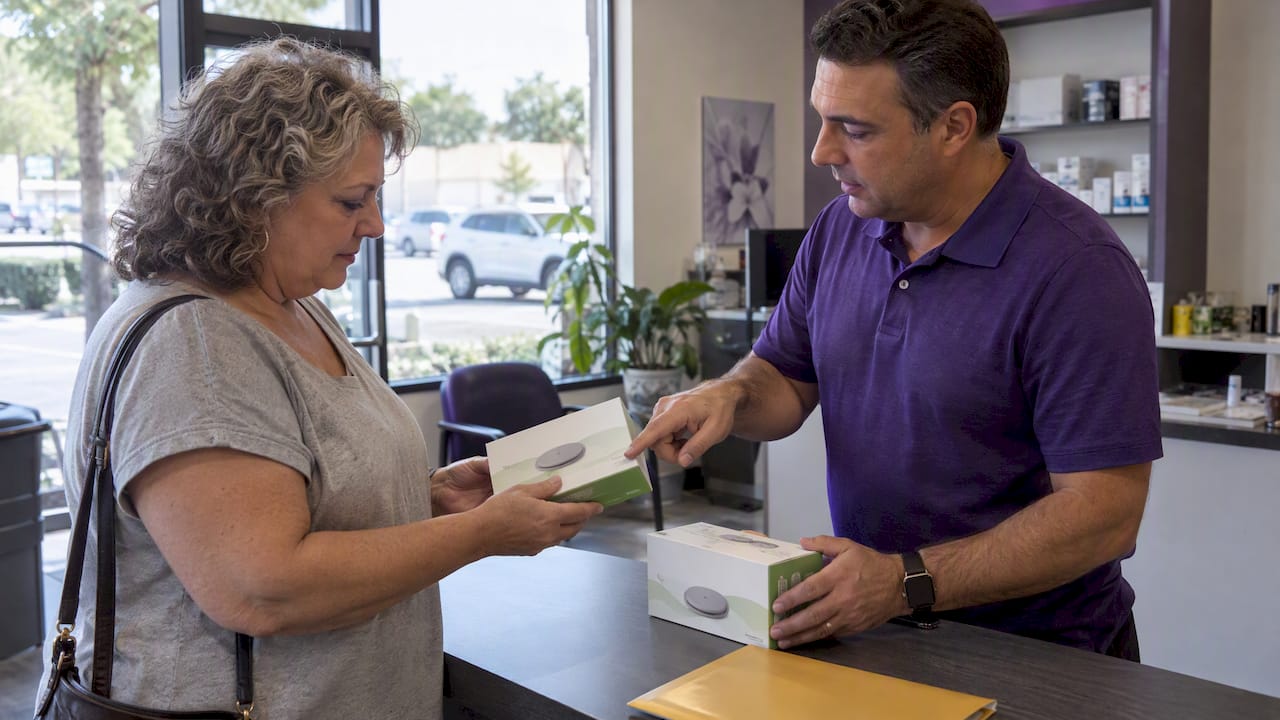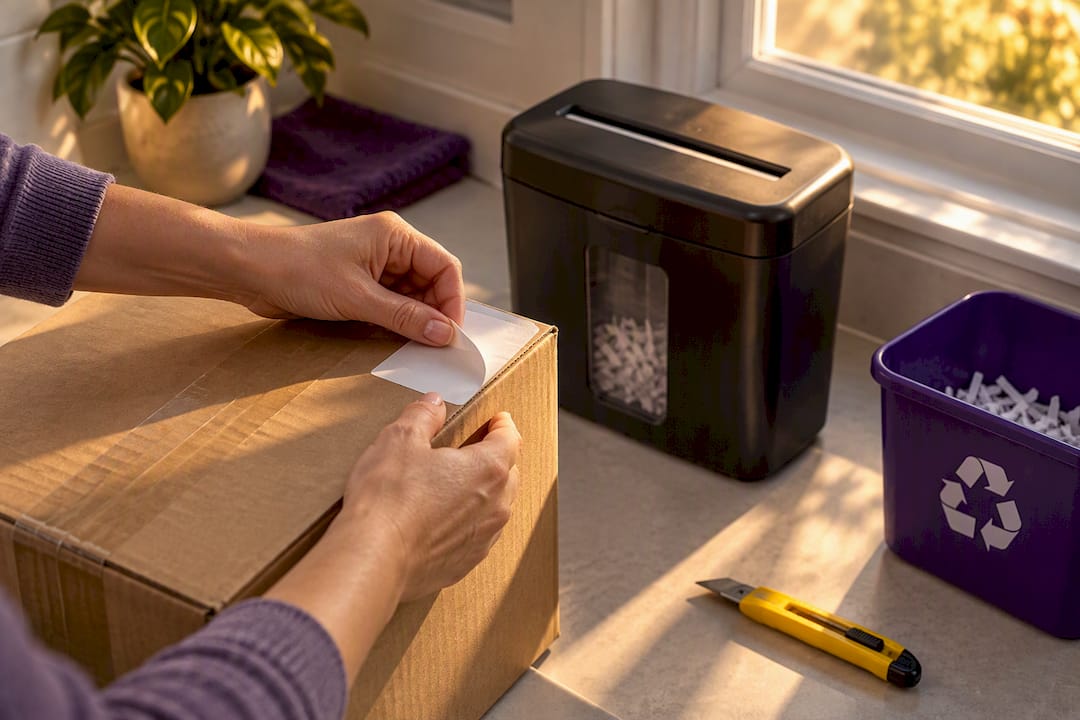
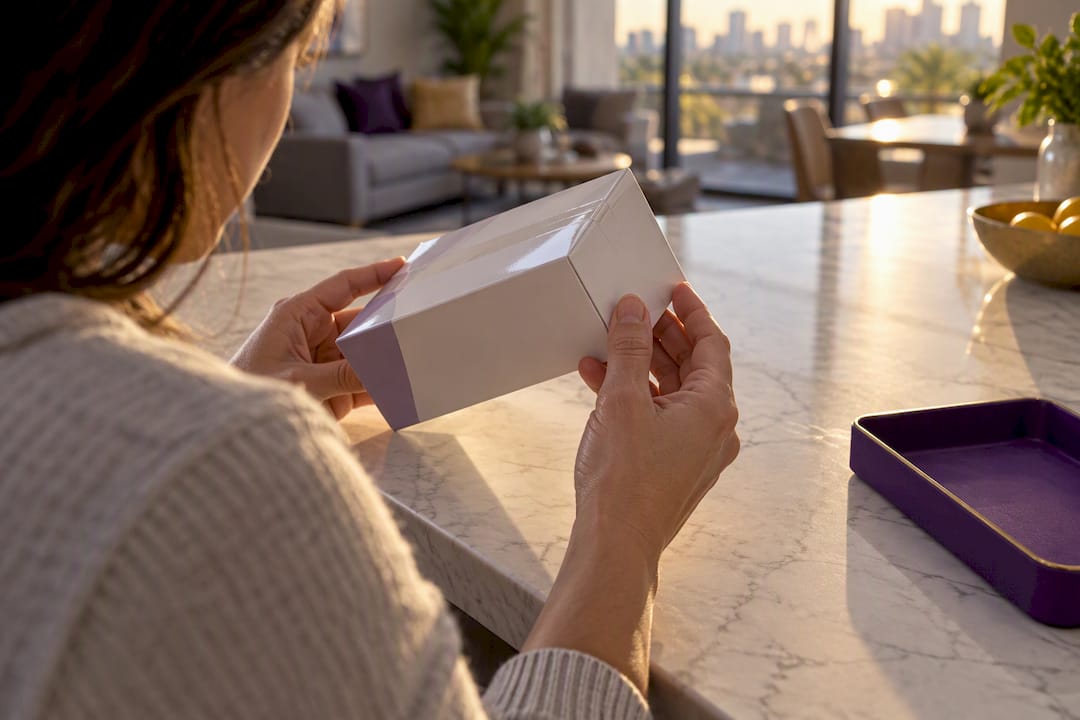
Yes, you can sell unopened Omnipod pods in the United States, and the fastest safe route is a vetted local buyback that inspects the lot number, checks the expiration date, and pays same-day cash. Buyers typically require sealed boxes with several months of shelf life left. Recalled lots need to go back to the manufacturer, not to a buyer.
TL;DR:
- Local same-day cash buyers verify lot numbers and expiration dates in person, providing immediate payment and avoiding shipping risks.
- Recalled or manufacturer correction pods must be returned to the manufacturer and cannot be sold privately.
- Pricing for unopened pods depends on pod generation, remaining shelf life, and overall box condition, with longer expiration dates fetching higher offers.
- Sellers should photograph the boxes, confirm lot status with the manufacturer lookup, and avoid general marketplaces to minimize fraud and nonpayment risks.
- Tax reporting is generally required even when selling at a loss, so keeping purchase receipts and sales documentation is essential.
Table of Contents
- Where to sell unopened Omnipod pods
- How buyers decide whether to accept your pods
- What unopened Omnipod pods are worth and what moves the price
- How to sell safely and avoid getting burned
- Tax and reporting basics for sellers
- What a local Orlando buyer actually checks before paying
- What sellers get wrong about this process
- Selling to Orlando Diabetic Supplies Buyback
- Sources
- FAQ
Where to sell unopened Omnipod pods
You have a few real options, and each one comes with a different mix of speed and risk.
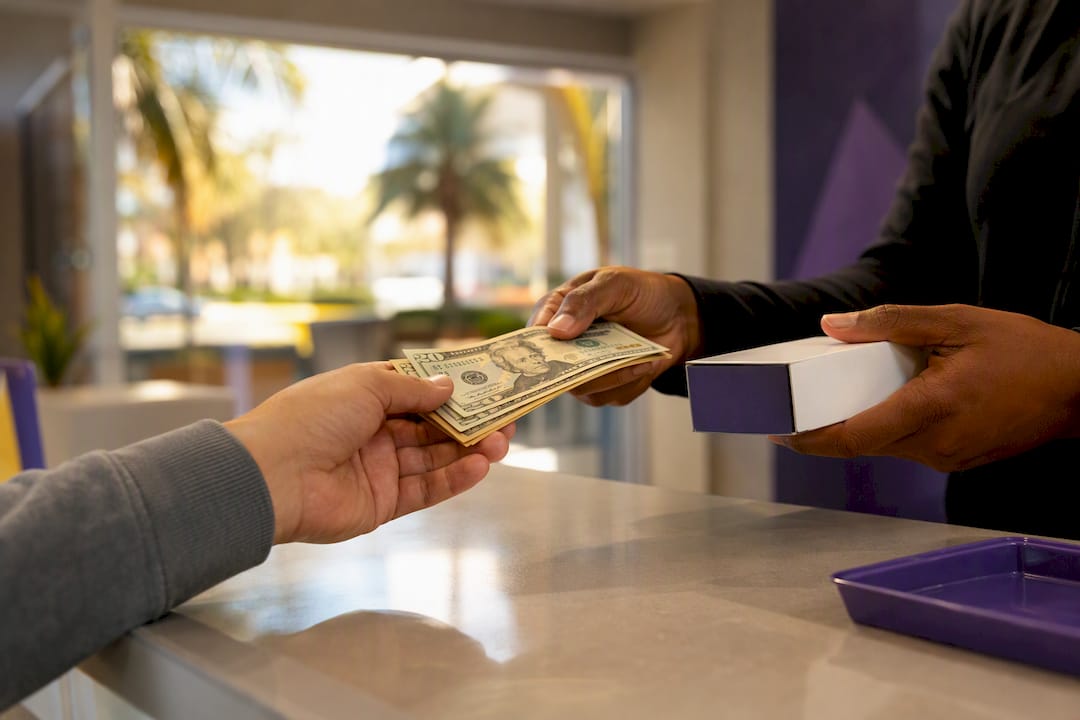
A local same-day cash buyer is usually the quickest and safest choice. You meet in person, the buyer checks the lot number and expiration date on the spot, and you walk away with payment before you leave. There’s no shipping, no waiting on a check, and no guessing whether the box arrived in one piece.
National mail-in buyback companies are another route. They can work well if there’s no local buyer near you, but they come with more steps: strict packaging rules, required lot disclosure, and a waiting period before you see any money.
If your pods are part of a manufacturer correction, selling isn’t an option at all. Insulet replaces affected unused pods at no cost, and that’s the path you’re required to take for those specific lots, according to Insulet’s medical device correction notice.
General marketplaces and social media groups are the riskiest choice. Buyers there change their minds after payment, disappear after receiving the package, or ask you to do something you shouldn’t, like altering prescription paperwork.
- Local cash buyers: fastest payment, in-person inspection, no shipping risk.
- National mail-in buyback companies: convenient but slower, with strict packaging and lot requirements.
- Manufacturer return or exchange: required and free for recalled lots.
- General marketplaces: highest risk of fraud, nonpayment, or requests you should refuse.
How buyers decide whether to accept your pods
Every buyer runs the same basic checks before making an offer, so it helps to do them yourself first.
- Find the lot number and expiration date printed on the pod box and write them down exactly as shown.
- Check that lot number against the Omnipod lot and recall lookup tool to confirm it isn’t part of an active correction.
- Confirm the box is sealed, unopened, and free of water damage or crushing. Most buyers ask for a minimum amount of remaining shelf life before they’ll make an offer.
- Take clear photos of the box, front and back, showing the lot number and expiration date.
- Include the lot and expiration details directly in your offer request so the buyer doesn’t have to ask twice.
Recalled pods are a dead end for resale. If your lot appears on a manufacturer notice, FDA guidance on device recalls makes clear that buyers will refuse the item and you’ll need to return it for a free replacement instead.
Pro Tip: Photograph your boxes and check the lot number before you contact any buyer. It saves you a rejected offer and a second round of back-and-forth.
What unopened Omnipod pods are worth and what moves the price
Payout depends on a handful of factors, and knowing them ahead of time keeps your expectations realistic.
Pod generation matters first. Omnipod 5, Dash, and classic pods aren’t interchangeable in a buyer’s eyes, and demand for each shifts over time. Remaining shelf life is the next big factor: a box with two years left on the label is worth more to a buyer than one expiring in a few months, since buyback pages built around expiration rules commonly set a minimum remaining-life threshold before they’ll make an offer. Box condition and current demand round out the picture.
A few things help you get a stronger offer:
- Bundle multiple boxes together instead of selling one at a time.
- Provide sharp photos and the exact lot numbers upfront.
- Be upfront about any condition issues rather than letting a buyer discover them at inspection.
A local, same-day buyback lets you skip shipping delays entirely and get paid the moment your pods pass inspection, which is the core appeal of an in-person sale over a mail-in one.
How to sell safely and avoid getting burned
Speed matters, but safety matters more. A few simple habits protect you from the most common problems sellers run into.
- Choose cash or an instant electronic transfer for one-off, in-person sales. It’s the safest way to get paid without waiting on a check to clear.
- If you’re shipping to a national buyer, use a sturdy box, add tracking, and get insurance if the buyer requests it.
- Meet in a public, well-lit place for any in-person exchange, and never hand over items before payment is confirmed.
- Watch for red flags: a buyer who asks you to alter prescription information, has no clear return policy, won’t give a business address, or delays payment without explanation.
- Keep a simple record of the sale, including photos, lot numbers, tracking information, and a receipt, in case anything needs to be resolved later.
Pro Tip: If a buyer’s offer seems too easy to be true or asks for details that feel off, walk away. A reputable buyer will never need you to falsify anything.
Tax and reporting basics for sellers
Selling personal medical supplies you no longer need can trigger a tax form, so it’s worth knowing what to expect. If you’re paid through certain payment apps or platforms, you may receive a Form 1099-K from the IRS reporting that income.
Most people selling a few boxes of pods they bought and never used are selling at a loss, since the original purchase price (often covered partly by insurance) is higher than the resale amount. In that case, you typically owe no tax on the sale, but the IRS still expects the transaction to be reported appropriately rather than ignored.
Keep your purchase receipts, sale photos, and any correspondence with the buyer. If you’re selling repeatedly or in larger volumes, a tax professional can confirm how to report it correctly for your situation.
What a local Orlando buyer actually checks before paying
A local buyback service verifies the lot number and expiration date against manufacturer records, confirms the box is sealed and undamaged, then pays cash on the spot once everything checks out. That’s the process behind pricing for Omnipod pods with meaningful shelf life remaining and the general cash-for-diabetic-supplies service.
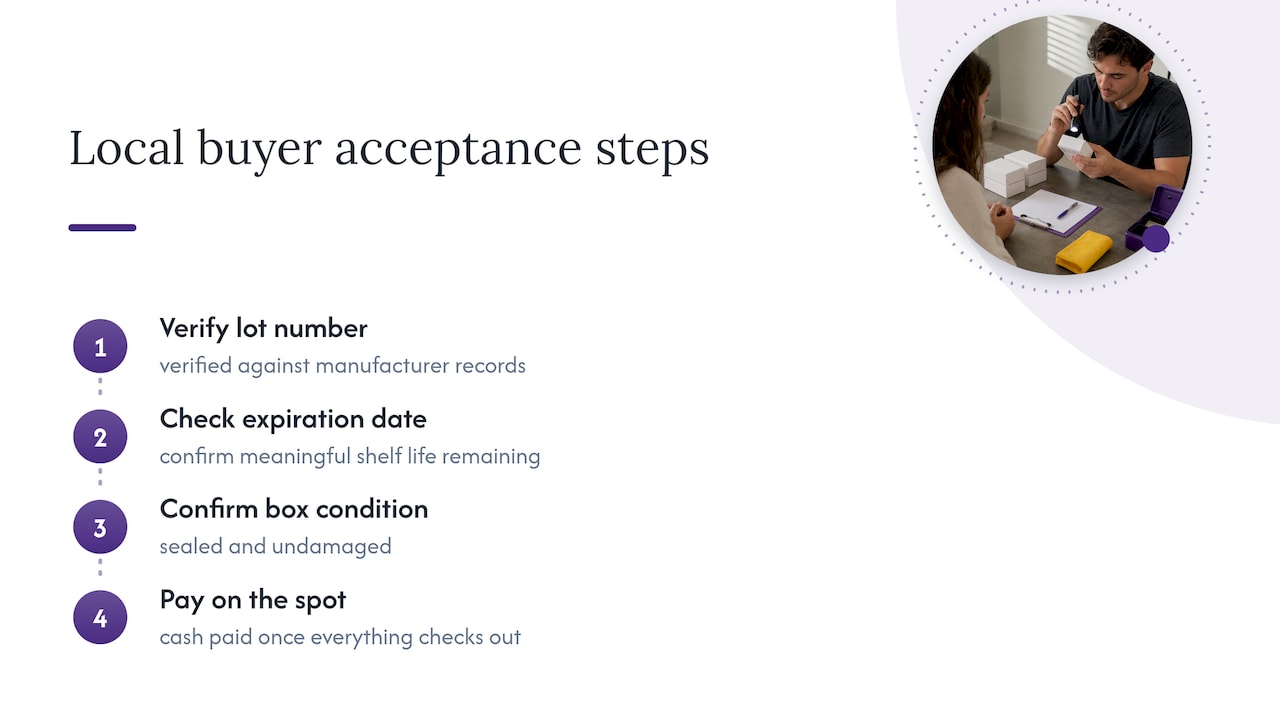
An in-person sale makes the most sense when you want speed and certainty. Mailing to a national buyer only makes sense when there’s no local option nearby.
What sellers get wrong about this process
Most guides to selling diabetic supplies spend too much time on where to list an item and not enough on whether it’s safe to sell at all. That’s backward. The lot and recall check should happen before you ever photograph a box or contact a buyer, because a recalled pod isn’t a product to sell, it’s a product to return for a free replacement.
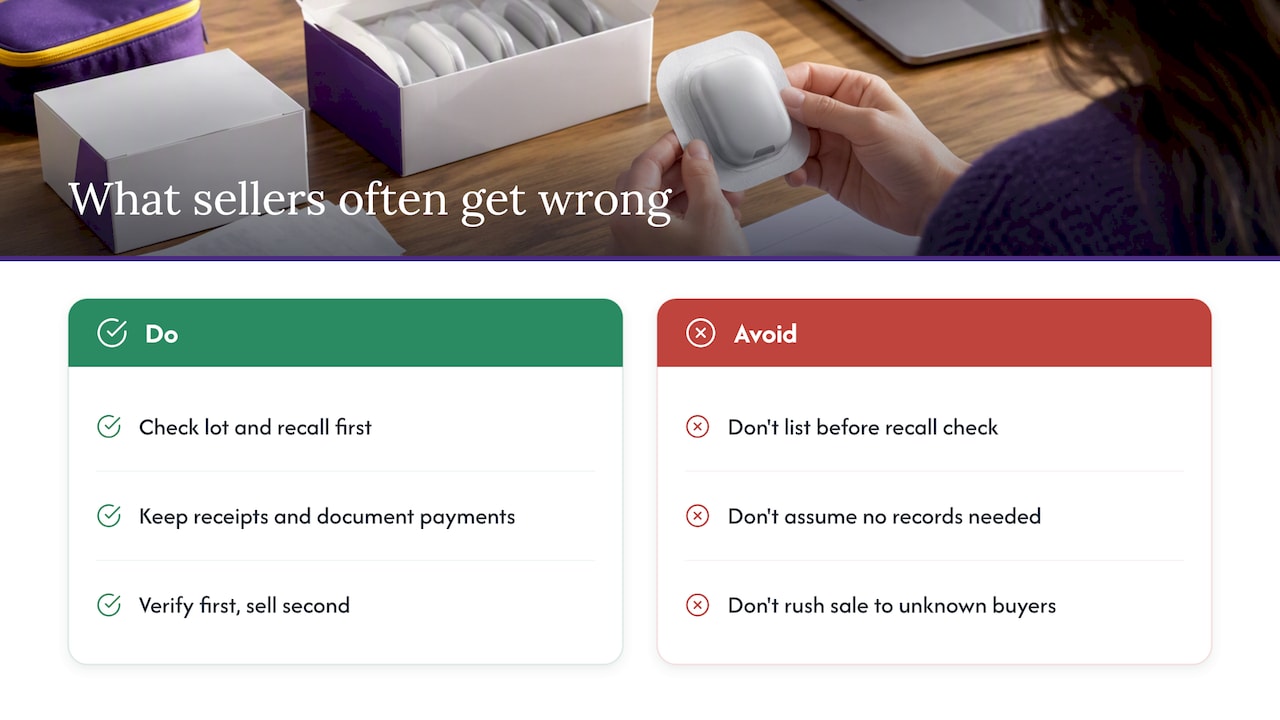
The other blind spot is taxes. Casual sellers assume that because they’re selling personal items at a loss, there’s nothing to report. That’s usually true for the tax owed, but it’s not the same as having nothing to document. Keep your receipts and be ready to show your work if a payment platform issues a form.
If there’s one thing worth prioritizing above pricing, it’s this: verify first, sell second. A fast cash offer means little if the pods turn out to be part of a correction notice, and a rushed sale to an unfamiliar online buyer can cost you more in hassle than any price difference would have saved.
— Liliana
Selling to Orlando Diabetic Supplies Buyback
Selling locally means you can skip the shipping wait entirely. Bring your unopened Omnipod boxes for inspection of lot number, expiration date, and packaging condition in person, and receive payment the same day if everything checks out.
Getting ready is simple:
- Locate your lot numbers and expiration dates before reaching out.
- Confirm your pods aren’t part of an active recall using the manufacturer lookup.
- Keep boxes sealed and take a few clear photos to speed up your appointment.
Visit our pricing page for Omnipod pods to see what qualifies, or check out how to prepare your items for a same-day sale before you come in. We also buy Dexcom G7 sensors and FreeStyle Libre 2 sensors if you have other unused supplies on hand. Reach out through our main page to set up a time.
Sources
FAQ
Where can I sell my Omnipods?
You can sell unopened Omnipod pods to a local same-day cash buyer, a national mail-in buyback company, or through manufacturer replacement if your lot is under a correction notice. A local buyer typically offers the fastest, lowest-risk option since there’s no shipping involved.
How much is one Omnipod worth?
Payout depends on the pod generation, how much shelf life remains, and the condition of the sealed box. Buyers commonly look for boxes with substantial remaining time before expiration, and pricing on pages like our Omnipod buyback listing reflects that.
Can you resell an insulin pump?
Reselling medical devices like insulin pumps raises safety and regulatory questions, since the FDA notes that reprocessing or reusing single-use devices is complex and depends heavily on the device and how it was handled, according to FDA guidance on reprocessing. The safer path for anything tied to a recall or correction is returning it to the manufacturer rather than reselling it.
Can I sell my unused Omnipod 5?
Yes, unused and sealed Omnipod 5 pods can be sold as long as the lot isn’t affected by a manufacturer correction and the box meets a buyer’s condition and expiration requirements. Checking the official lot lookup first confirms your pods are eligible before you contact any buyer.