Diabetic supply programs for Florida residents are defined as state-run, manufacturer-funded, or community-based resources that provide insulin, devices, and equipment to people managing diabetes at reduced or no cost. The best approach combines the Florida Department of Health’s Insulin Distribution Program with pharmaceutical patient assistance programs (PAPs) from manufacturers like Lilly Cares, Novo Nordisk, and Sanofi, plus legal resale options for unused supplies. Together, these three tracks cover insulin access, broader supply needs, and financial recovery for excess equipment.
1. What are the main diabetic supply programs for Florida residents?
Florida residents managing diabetes have three distinct program tracks available. The first is the state-run insulin program through the Florida Department of Health. The second is manufacturer-funded PAPs. The third is the legal resale or donation of unused supplies.
Each track solves a different problem. The state program covers basic insulin at no cost. PAPs fill gaps for newer insulin analogs and supplies. Resale options help you recover money from equipment you no longer use. Knowing which track fits your situation saves time and reduces out-of-pocket costs.
2. How does the Florida Department of Health insulin distribution program work?
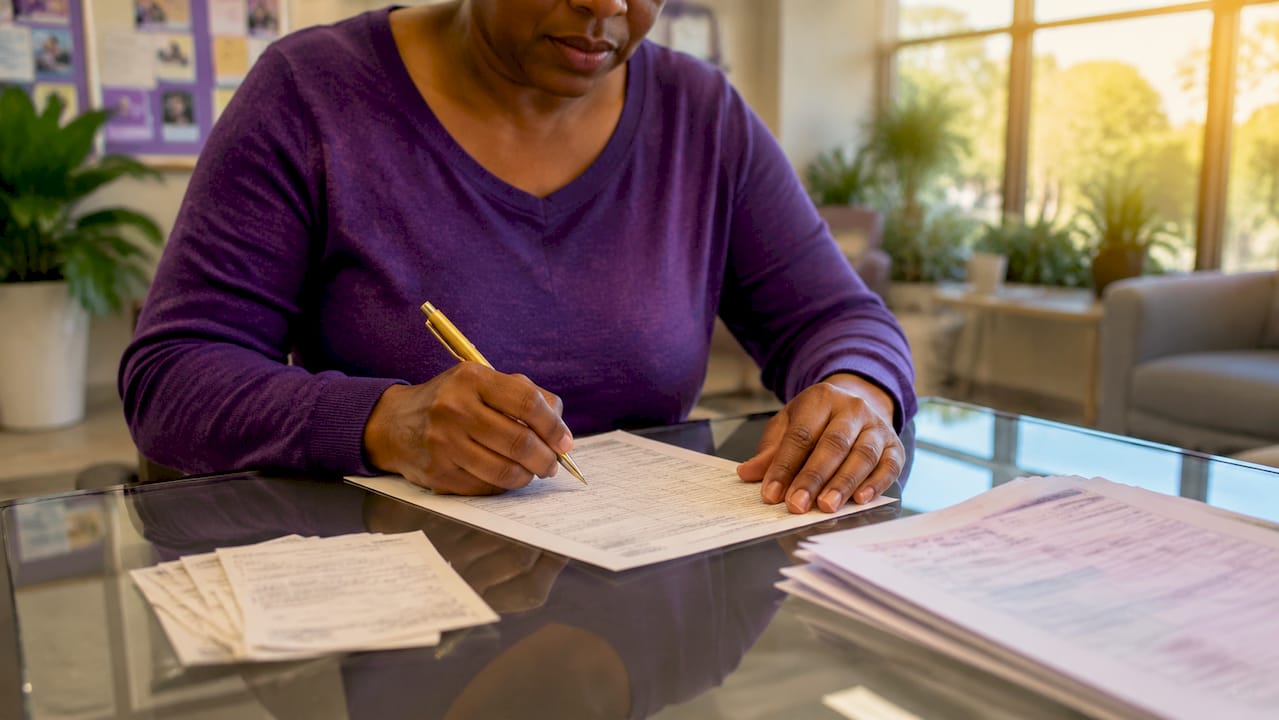
The Florida Department of Health’s Insulin Distribution Program provides qualifying uninsured residents insulin at no or reduced cost. County Health Departments (CHDs) fill client-specific prescriptions, and some CHDs forward prescriptions to the state’s Central Pharmacy when they lack a licensed pharmacy on site.
Eligibility requirements are specific:
- Income at or below 100% of the federal poverty guidelines
- Assets at or below $2,500
- No current Medicaid coverage
- No private insurance covering insulin
- A valid prescription issued within 3 months of application
The program covers three insulin types: Humulin N, Humulin R, and Humulin 70/30. Each prescription can authorize up to a 3-month supply, with up to 3 refills allowed. Medicaid recipients are excluded from this program to avoid duplicating benefits they already receive through Medicaid.
One detail catches many people off guard. Test strips, meters, and syringes are not covered by the state insulin program. That gap is significant for daily diabetes management. You will need a separate resource for those supplies.
Pro Tip: Bring your prescription, proof of income, and a bank statement showing assets to your first CHD appointment. Missing one document delays your application by weeks.
3. How do pharmaceutical patient assistance programs fill the gaps?
Pharmaceutical PAPs like Lilly Cares, Novo Nordisk, and Sanofi cover insulin analogs and supplies not included in the state program. This includes newer insulin types such as Humalog, Lantus, and Ozempic, plus needles and syringes in some cases. The state program’s narrow formulary makes PAPs a necessary complement for most people.
Key features of manufacturer PAPs:
- Cover insulin analogs beyond Humulin types
- Some programs include needles, syringes, and pen devices
- Applications are submitted directly to the manufacturer or through a CHD social worker
- Income thresholds vary by manufacturer but are generally more flexible than the state program
Integrating state insulin assistance with pharmaceutical PAPs gives Florida residents the broadest possible access to insulin and supplies. The two programs together close critical coverage gaps that neither covers alone. If you use a newer insulin analog and qualify for the state program on income, apply to both simultaneously.
The application process for PAPs requires a completed form, a doctor’s signature, and proof of income. Most manufacturers process applications within 2–4 weeks. Some offer emergency bridge supplies while your application is pending.
4. What qualifies as excess diabetic supplies and why does it happen?
Excess supplies accumulate for predictable reasons. Prescription changes, device upgrades, and overshipping from mail-order pharmacies all create stockpiles of unused equipment. A person switching from a Dexcom G6 to a Dexcom G7 may have sealed boxes of G6 sensors with months of shelf life remaining. Someone whose doctor changes their meter brand is left with test strips they cannot use. These situations are common, not rare. You can read more about why diabetics have extra supplies to recognize your own situation.
Common types of excess supplies include:
- Continuous glucose monitor sensors (Dexcom G6, Dexcom G7, Freestyle Libre)
- Insulin pump pods (Omnipod)
- Sealed boxes of test strips
- Unused lancets and lancing devices
- Pen needles and syringes
The key legal rule is straightforward. Excess diabetic supplies can be legally sold if they were originally purchased out of pocket or through private insurance. Supplies paid for by Medicaid or Medicare cannot be resold. That distinction protects you legally and is non-negotiable.
Pro Tip: Check every box for the expiration date and confirm the seal is intact before contacting a buyer. Expired or opened supplies have no resale value.
5. Donation vs. resale: which option is right for your unused supplies?
Selling and donating unused supplies serve different goals. Resale puts cash in your pocket quickly. Donation supports other people managing diabetes who cannot afford supplies. The right choice depends on your financial situation and the type of supplies you have.
| Factor | Resale | Donation |
|---|---|---|
| Financial return | Yes, same-day cash available | None |
| Speed | Fast, often same day | Varies by organization |
| Supply types accepted | CGM sensors, test strips, Omnipod, meters | Test strips, meters, lancets |
| Legal requirement | Must be out-of-pocket or private insurance purchase | No restriction on source |
| Best for | People with excess CGM or pump supplies | People with basic supplies and no resale need |
Local buyers in Orlando and Ocala offer fast, transparent cash transactions for unused supplies. That convenience matters when you need money quickly and want to avoid shipping supplies across the country. Selling unused diabetic supplies is a legal and practical way to recoup costs while helping others access affordable equipment.
6. How do the three main program types compare?
Florida residents have three distinct options. Each fits a different financial and supply situation.
| Program Type | Best For | Covers | Cost to You | How to Access |
|---|---|---|---|---|
| State insulin program | Uninsured, low-income residents | Humulin N, R, 70/30 only | Free or reduced cost | County Health Department |
| Manufacturer PAPs | People needing insulin analogs or broader supplies | Analogs, needles, some devices | Free | Manufacturer website or CHD social worker |
| Resale to local buyer | People with excess unused supplies | N/A (financial recovery) | None | Local buyer like Orlando Diabetic Supplies Buyback |
The state program is the right first stop if you are uninsured and use Humulin. PAPs are the right next step if you use a newer insulin or need supplies the state program excludes. Resale is the right move when you have sealed, unused equipment sitting at home. Most Florida residents managing diabetes benefit from using at least two of these tracks at the same time.
Stable supply management with a single provider or pharmacy reduces missed doses, ordering confusion, and insurance hurdles. Coordinating your supplies through one trusted source improves your day-to-day diabetes management.
7. How to get started with Florida diabetes management resources
Getting enrolled in the right programs takes preparation. Follow these steps to move quickly and avoid delays.
For the state insulin distribution program:
- Contact your local County Health Department to confirm they participate
- Gather proof of income (pay stubs or tax return), a bank statement, and a valid prescription dated within the last 3 months
- Confirm your prescription specifies dosage and a supply of up to 3 months
- Submit your application in person at the CHD
For manufacturer PAPs:
- Identify which insulin or supply you need (Lilly Cares covers Eli Lilly products; Novo Nordisk Patient Assistance covers Novo products)
- Download the application from the manufacturer’s website or ask your CHD social worker for help
- Have your doctor sign the form before submission
- Ask about emergency bridge supplies if you are running low
For resale of unused supplies:
- Sort your supplies by type and check expiration dates
- Confirm supplies were purchased out of pocket or through private insurance
- Learn what qualifies for diabetic supply payment in Florida before contacting a buyer
- Contact a local buyer for a valuation and same-day payment
Pro Tip: Apply to the state program and a manufacturer PAP at the same time. Processing times differ, and having both applications in motion means you get covered faster.
Key takeaways
Combining the Florida Department of Health’s insulin program, manufacturer PAPs, and local supply resale gives Florida residents the most complete coverage for insulin, devices, and financial recovery.
| Point | Details |
|---|---|
| State program eligibility | Income at or below 100% federal poverty guidelines, assets at or below $2,500, and no Medicaid coverage. |
| State program limits | Covers only Humulin N, R, and 70/30. Test strips, meters, and syringes are excluded. |
| PAPs fill the gap | Lilly Cares, Novo Nordisk, and Sanofi cover insulin analogs and some supplies the state program does not. |
| Resale is legal | Supplies bought out of pocket or through private insurance can be sold. Medicaid and Medicare-funded supplies cannot. |
| Combine all three tracks | Using the state program, a PAP, and resale together gives you the broadest access and financial recovery. |
What I’ve learned about navigating diabetic supply programs in Florida
The biggest mistake I see Florida residents make is treating these programs as separate, unrelated options. They are not. The state insulin program was never designed to cover everything. It is a safety net with a narrow formulary, and the Florida Department of Health says so plainly. The people who get the most out of the system are the ones who apply to the state program and a manufacturer PAP at the same time, then sell their excess supplies to recover costs.
The second mistake is waiting too long to act on unused supplies. Sensors and test strips have expiration dates. A box of Dexcom G7 sensors sitting in a drawer loses value every month. I have spoken with people who let hundreds of dollars in sellable supplies expire because they did not know resale was legal or did not know where to go locally.
The third thing worth saying directly: supply fragmentation is a real problem. Ordering from three different sources, managing three different delivery schedules, and tracking three different insurance claims creates confusion and missed doses. Coordinating through a single trusted provider is not just convenient. It reduces errors that affect your health.
Florida has more resources for diabetes management than most residents realize. The challenge is not availability. The challenge is knowing which programs exist, how they connect, and how to apply to all of them without losing momentum.
— Liliana
Turn unused supplies into same-day cash with Orlando Diabetic Supplies Buyback
If you have sealed, unused diabetic supplies at home, you do not have to let them expire. Orlando Diabetic Supplies Buyback buys Dexcom G6 and G7 sensors, Freestyle Libre, Omnipod pods, and sealed test strips from Florida residents. The process is fast, local, and straightforward.
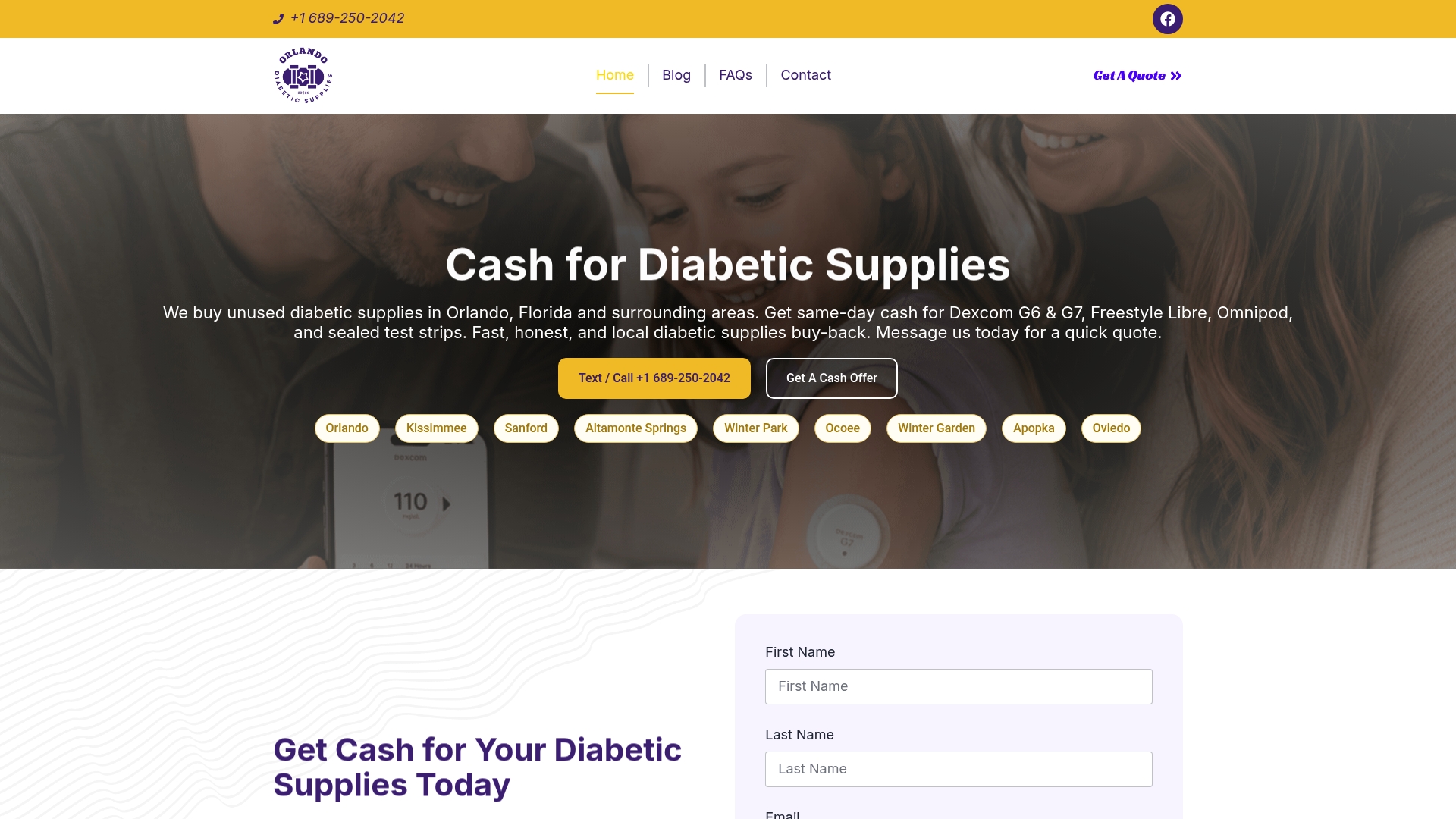
You get a fair quote, a quick transaction, and same-day payment without shipping anything across the country. Learn exactly how to get cash for unused supplies or find out more about selling previous device supplies for fast cash. If you are unsure what you have, check what qualifies for payment before you reach out. Orlando Diabetic Supplies Buyback serves Orlando and surrounding areas with honest, local service.
FAQ
Who qualifies for the Florida insulin distribution program?
Florida residents qualify if their income is at or below 100% of the federal poverty guidelines, their assets are at or below $2,500, and they have no Medicaid coverage or private insurance covering insulin. Medicaid recipients are excluded because they have separate coverage.
What diabetic supplies does the Florida state program cover?
The state program covers Humulin N, Humulin R, and Humulin 70/30 only. Test strips, meters, and syringes are not included, so residents often need a manufacturer PAP to cover those items.
Can I legally sell my unused diabetic supplies in Florida?
Yes. Unused diabetic supplies purchased out of pocket or through private insurance can be legally sold. Supplies originally paid for by Medicaid or Medicare cannot be resold under federal law.
What manufacturer programs help with insulin analogs in Florida?
Lilly Cares, Novo Nordisk Patient Assistance, and Sanofi’s patient assistance program each cover insulin analogs and some supplies not included in the state program. Applications go directly to the manufacturer or through a County Health Department social worker.
Where can Florida residents sell unused CGM sensors or test strips?
Local buyers like Orlando Diabetic Supplies Buyback purchase sealed, unexpired Dexcom G6, Dexcom G7, Freestyle Libre, Omnipod, and test strips from Florida residents. Same-day payment is available for qualifying supplies in the Orlando area.