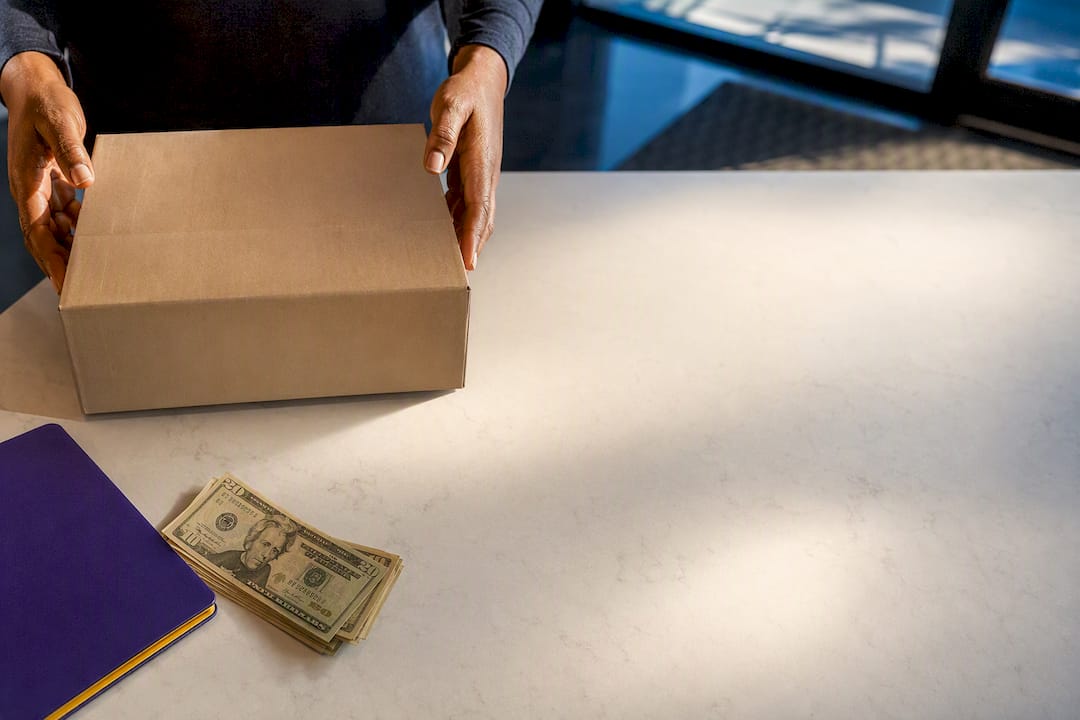
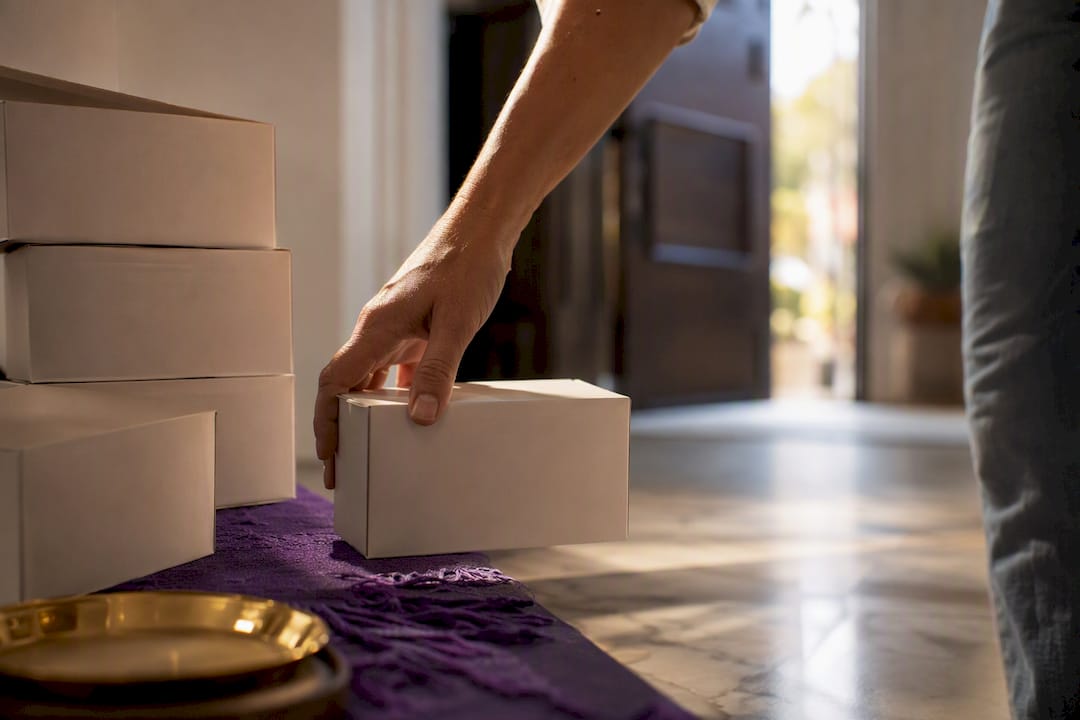
Yes, you can sell unopened Omnipod pods legally if they were personally purchased, remain sealed, are not expired, and were never billed to Medicare or Medicaid. Your immediate next step: check the expiration date and lot number, confirm there’s no recall, then choose a vetted buyer like a local same-day cash buyback instead of an anonymous online listing.
TL;DR:
- Selling unopened Omnipod pods is legal if they were personally purchased, remain sealed and unexpired, and are not billed to Medicare or Medicaid.
- Verify the lot number and check for recalls using official Omnipod resources before listing the pods for sale.
- Local in-person buybacks provide same-day cash and reduce shipping risks, but online services require careful vetting and insured, tracked shipping.
- Sellers should ensure pods have at least 24 months of shelf life remaining and keep proof of purchase to maximize payout and avoid scams.
- Avoid reselling supplies billed to government programs or with tampered packaging to prevent legal and safety issues.
Table of Contents
- Is It Legal to Sell Unopened Omnipod Pods?
- Where Can You Sell Omnipod Pods Safely?
- How Do You Prepare Omnipod Pods for Sale?
- What Determines the Price You’ll Get for Omnipod Pods?
- How Do You Spot Scams When Selling Diabetic Supplies?
- What Do We See Most Often at Orlando Diabetic Supplies Buyback?
- Get Same-Day Cash for Your Omnipod Pods in Orlando
- Where Can You Verify Recalls and Product Details?
- Sources
- FAQ
Is It Legal to Sell Unopened Omnipod Pods?
Selling your own diabetic supplies is legal in most cases, but the details matter. If you personally paid for the pods, or your private insurance covered them and you have leftover unopened boxes, you generally own that product and can resell it.
The line gets drawn at government-funded supplies. Items billed through Medicare or Medicaid were paid for with public funds, and reselling them creates real legal exposure. Many buyback services explicitly refuse to purchase Medicare or Medicaid-covered supplies for exactly this reason, and honest sellers should treat that as a hard stop, not a gray area.
Recalls are the other check people skip. Before you list anything, run your lot number through Omnipod’s official lot check tool to confirm there’s no active recall or manufacturer hold on that batch.
Run through this before you offer pods for sale:
- Confirm you personally paid for the pods or they came through private insurance, not Medicare/Medicaid.
- Check the lot number against Omnipod’s recall database.
- Verify the box is sealed, unopened, and unexpired.
- Keep any purchase receipt or insurance statement in case a buyer asks for proof.
Where Can You Sell Omnipod Pods Safely?
You have three realistic paths, and they carry different levels of risk and speed.
- Local, in-person buybacks. You bring your sealed boxes to a buyer, they inspect the pods on the spot, and you walk out with cash the same day. Local deals reduce shipping risk since nothing travels through the mail, though the trade-off is sometimes a slightly more conservative offer than a national buyer might quote.
- Reputable online buyback services. These typically ask for photos of the box, lot number, and expiration date upfront, then send a prepaid shipping label once they approve the item. Look for a clear returns policy and confirmation of how they handle disputes before you box anything up.
- Private local sale. Selling directly to another individual, through a community board or classifieds site, pays the fastest but carries the highest risk. You’re on your own for verifying the buyer, collecting payment, and handling any disagreement afterward.
Before you commit to any buyer, run this quick vetting checklist:
- Does the buyer have a real business name, address, and phone number you can verify?
- Do they publish a clear returns or refund policy?
- Will they confirm your identity as the seller, or ask for any ownership documentation?
- If shipping is involved, do they cover insurance and provide tracking?
Pro Tip: Call before you ship anything. A legitimate buyer will answer questions about their inspection process without hesitation. If a company only communicates through text or a generic email, that’s worth pausing on.
How Do You Prepare Omnipod Pods for Sale?
Preparation is where most sellers either maximize their payout or accidentally shrink it. Start with the expiration date printed on the box. A widely used rule of thumb among buyback services is that pods need roughly a 24-month window remaining to qualify for a strong offer, since buyers need enough shelf life left to resell the product themselves.
Next, pull the lot number off the box and cross-check it on Omnipod’s official product pages, which also show you what authentic packaging and labeling should look like.
Photograph everything before you pack or ship:
- The sealed outer box, untouched, from multiple angles.
- The lot number and expiration date printed on the label.
- The UPC code, which pharmacy listings can help you match against genuine packaging.
- Any serial numbers visible without opening the box.
If you’re shipping rather than selling in person, use a padded box, avoid crushing the outer carton, and always choose tracked, insured delivery. A common mistake sellers make is shipping without insurance, then having no recourse if the package goes missing.
What Determines the Price You’ll Get for Omnipod Pods?
Buyers calculate offers using a handful of factors, and understanding them helps you spot a fair deal versus a lowball one.
- Expiration window. More months remaining means a stronger offer; boxes close to expiration often get rejected outright.
- Condition. A pristine, sealed box in mint condition earns more than one with dented corners or a torn seal.
- Model and demand. Newer generations tend to move faster and command better prices than older or discontinued models.
- Volume. Sellers with multiple boxes often get a better per-unit rate than someone selling a single pack.
Provenance matters too. If your pods were billed to Medicare or Medicaid, expect any legitimate buyer to decline the sale regardless of condition. Prices vary enough by buyer and region that quoting a single number would be misleading, so treat any first offer as a starting point, not a final answer. If you have time and multiple sealed boxes with a long shelf life left, it’s usually worth comparing at least two offers before accepting.
How Do You Spot Scams When Selling Diabetic Supplies?
A few warning signs show up again and again. Walk away if a buyer asks you to remove or alter the original labels, pressures you to ship before agreeing on a price, or can’t provide a verifiable business address or phone number.
- Buyer requests you strip lot numbers or expiration labels before shipping.
- Pressure to ship immediately, before any written agreement on price.
- No traceable business information, only a personal account or anonymous listing.
- Payment offered through untraceable methods instead of tracked transfers or cash in person.
If packaging looks tampered with when you check it against official Omnipod product images, don’t sell it. For local deals, cash in person after inspection is the safest structure. For shipped deals, always use tracked and insured delivery, and keep every message, photo, and receipt in case you need to dispute a payment later.
Pro Tip: Screenshot every message with a buyer before you ship. If a dispute happens, that paper trail is often the only leverage you have.
What Do We See Most Often at Orlando Diabetic Supplies Buyback?
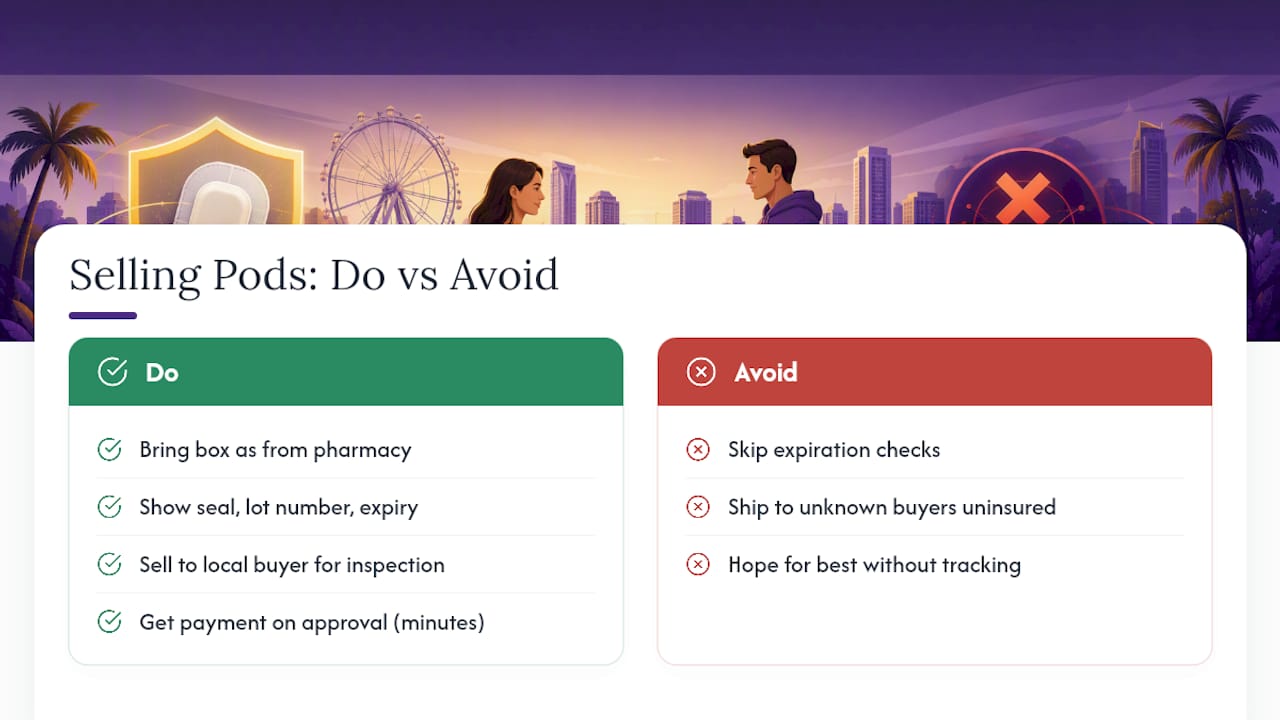
The most common mistake we run into is sellers skipping the expiration check entirely, then getting surprised when a box gets flagged during inspection. A close second is shipping to unknown online buyers without insurance and hoping for the best.
When someone brings pods to a local buyer, the seal, lot number, and expiration date are checked on the spot, with payment upon approval. Bring the box exactly as it arrived from the pharmacy, and the whole process usually takes just minutes.
— Liliana
Get Same-Day Cash for Your Omnipod Pods in Orlando
Shipping to an online buyback service means waiting days for approval, paying for insurance yourself, and hoping the box arrives undamaged. A local buyback service may inspect your sealed, unexpired pods in person and pay cash the same day, avoiding shipping and wait times.
If your boxes are unused, sealed, and within a reasonable window before expiration, bring them in and we’ll check the lot number and expiration date right in front of you. There’s no appointment paperwork to fill out ahead of time, just a straightforward inspection and a payout on the spot. Visit our guide on how to get cash for unused diabetic supplies to see exactly what to bring and what happens when you arrive.
Where Can You Verify Recalls and Product Details?
Before you sell anything, confirm the details yourself using official sources rather than taking a buyer’s word for it.
- Omnipod’s lot check tool tells you instantly whether your lot number is subject to a recall.
- Omnipod’s product pages show what authentic packaging and labeling look like.
- Pharmacy product listings give you a reference point for matching UPC codes and box design.
This article is general information, not a substitute for advice from a qualified lawyer. Consult a qualified legal professional about your own circumstances before acting on anything here.
Sources
- Amazon Pharmacy: OMNIPOD 5 G6 SYSTEM POD (GEN 5) (5 PODS)
- Omnipod: Check pod lot
- Omnipod: Omnipod 5 product information
FAQ
How much is one Omnipod pod worth?
Value depends on expiration window, box condition, and model, so there’s no fixed price. A sealed box with plenty of shelf life remaining typically earns more than one nearing its expiration date.
Can I sell my Omnipod pods?
Yes, if you personally purchased them or received them through private insurance, and they’re sealed, unexpired, and not subject to a recall. Pods billed to Medicare or Medicaid cannot be legally resold.
Is it illegal to sell diabetic supplies?
Selling your own unused diabetic supplies is generally legal, but supplies paid for by Medicare or Medicaid cannot be resold. Always confirm your item’s payer source before listing it.
Is it legal to sell an insulin pump or its supplies?
Selling personally owned, unopened insulin pump supplies like Omnipod pods is typically legal, following the same ownership and payer-source rules that apply to any diabetic supply. Government-funded units and supplies are the exception and should not be resold.