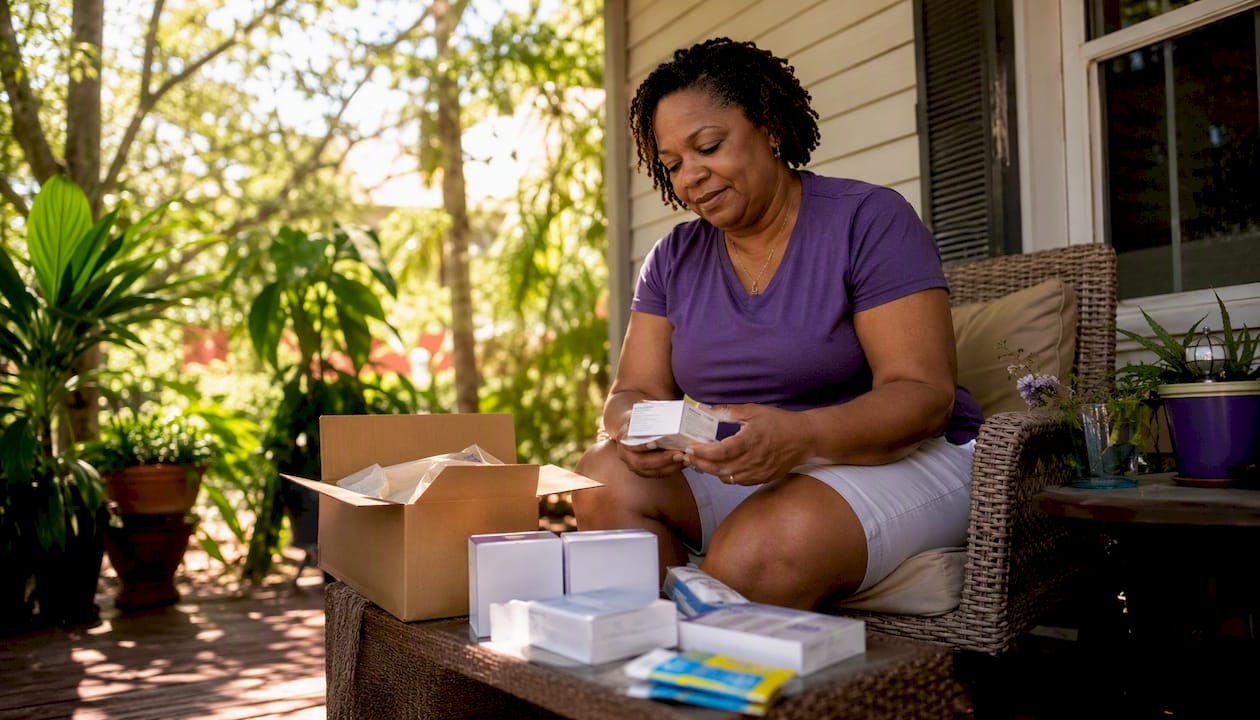
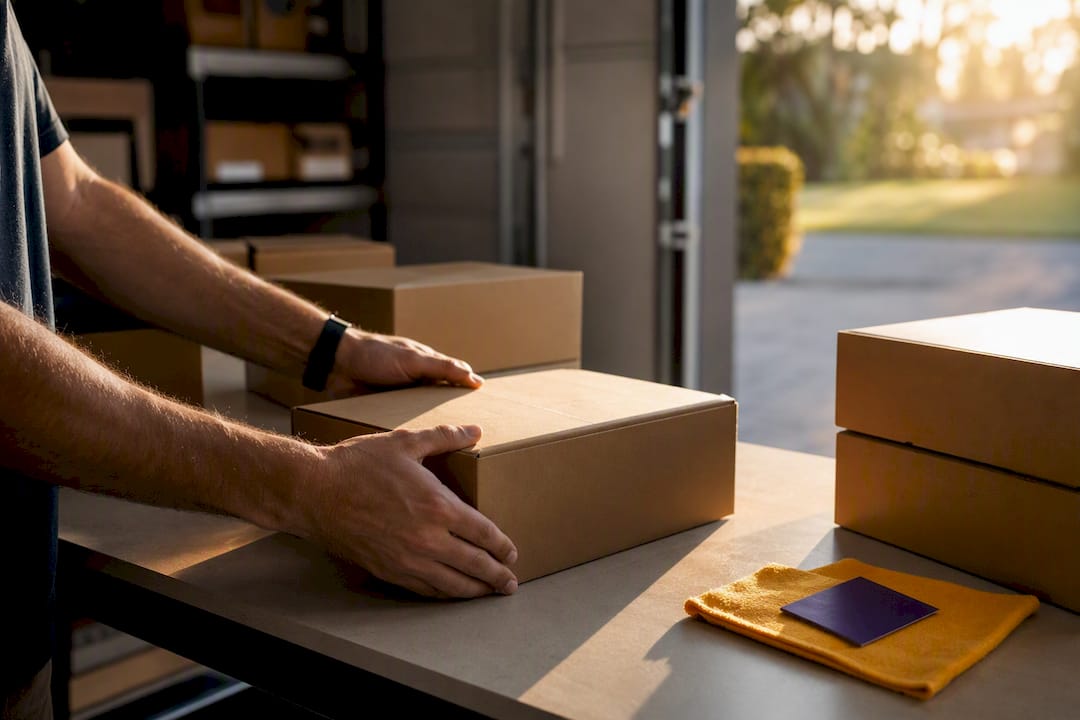
The fastest way to turn unopened diabetic supplies into cash in Orlando is a local, in-person buyback that pays the same day. Buyers typically accept sealed, unexpired Dexcom G6 and G7 sensors, Freestyle Libre sensors, Omnipod pods, and unopened test strip boxes. Expect the buyer to check seals and expiration dates on the spot before handing over payment.
TL;DR:
- Buyers in Orlando typically pay same-day cash for sealed, unexpired diabetic supplies such as Dexcom G6/G7 sensors, Freestyle Libre sensors, Omnipod pods, and major-brand test strips.
- Proper preparation, including photographing all boxes with expiration and lot numbers and matching supplies to current expiration dates, speeds up sales and increases offers.
- Sellers should only accept offers from trusted, local buyers who clearly explain their inspection procedures and avoid shipping items before payment.
- Selling supplies involves verifying seals, expiration dates, and serial numbers at the inspection to ensure safety and legality; opened or expired items are routinely rejected.
- State and federal regulations emphasize only legally owned, unopened, and in-date supplies, avoiding any pre-owned, resealed, or recalled items to mitigate safety and legal risks.
Table of Contents
- Which Diabetic Supplies Can You Sell for Cash?
- Is It Legal and Safe to Resell Diabetic Supplies?
- How to Prepare Your Supplies Before Contacting a Buyer
- What Should You Expect for Pricing and Payment?
- How Does a Same-Day Sale Work in Orlando?
- What Sellers Wish They Knew Sooner
- Sell to a local buyer for same-day cash
- Sources
- FAQ
Which Diabetic Supplies Can You Sell for Cash?
Most reputable buyers work from a short, predictable list. If your supplies fit these categories and are still sealed, you likely have something worth selling.
- Unopened Dexcom G6 or G7 sensor boxes with intact seals
- Unopened Freestyle Libre sensors, still in manufacturer packaging
- Sealed Omnipod pods, unexpired and undamaged
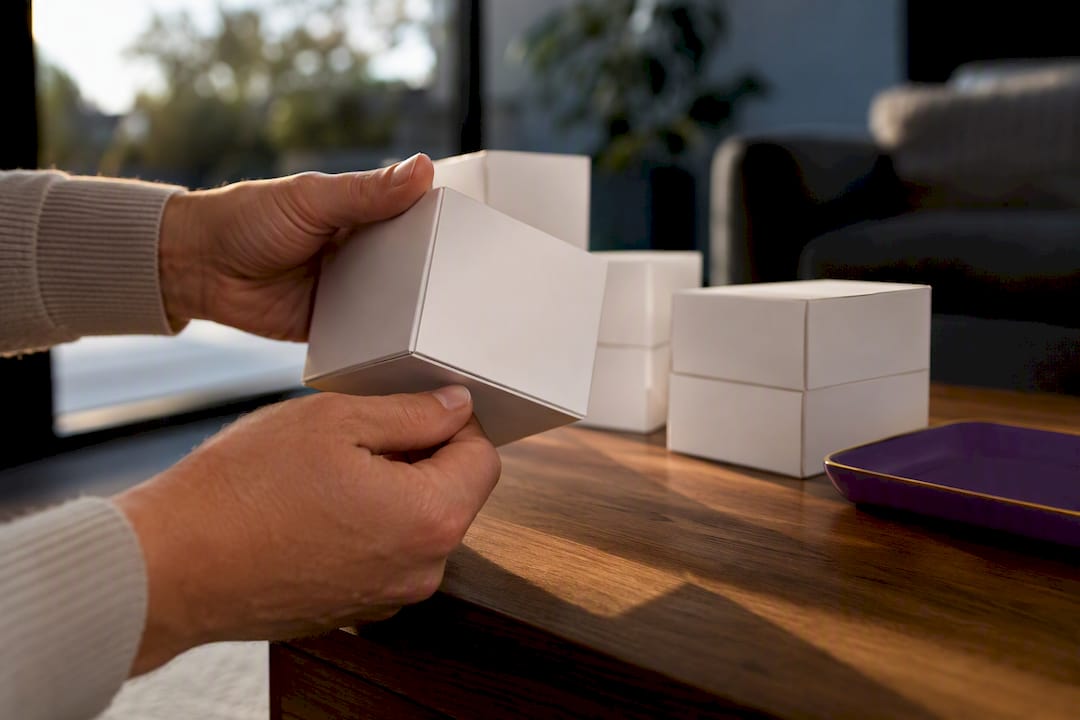
- Sealed test strip boxes from major brands, with visible lot numbers
Buyers routinely turn away opened strip containers, anything past its expiration date, damaged or resealed boxes, and items tied to a manufacturer recall. Every eligible box carries an expiration date and a lot or serial number printed on the packaging, usually near the barcode. Find that number before you contact anyone. It tells a buyer at a glance whether the batch is current, and it speeds up the entire conversation.
Is It Legal and Safe to Resell Diabetic Supplies?
Selling sealed, unused diabetic supplies is commonly legal in Florida and across the U.S., but safety concerns are real, and they shape how honest buyers operate. The FDA warns that pre-owned or non-authorized home use test strips can produce inaccurate blood glucose readings or carry infection risk, which is exactly why sealed condition matters so much at the point of sale.
Investigative reporting has documented a sizable resale market where sellers with insurance-covered surplus supplies sell to buyers who then move the product through secondary channels. That same reporting on the diabetic supply resale market notes that credible buyers insist on sealed, in-date packaging as a baseline requirement, not a suggestion.
Manufacturers can only guarantee product quality inside authorized channels. Once a box leaves that channel, storage and handling are no longer certified, which is why experts quoted on the pre-owned strip market push buyers toward strict inspection standards. Florida’s own statute on drug and device distribution adds a layer of legal context worth knowing before any transaction: state rules restrict unlawful sale or distribution of certain regulated devices, so a seller should stick to legitimately owned, unopened supplies and skip anything that looks like a sample or mislabeled unit.
A responsible buyer protects itself and you by:
- Accepting only sealed, unexpired boxes
- Checking lot and serial numbers against the packaging
- Refusing opened test strips outright, no exceptions
How to Prepare Your Supplies Before Contacting a Buyer
A little prep work before you reach out saves time and usually gets you a faster, higher offer. Work through these steps in order.
- Check every expiration date. Set aside anything already expired, since it will not sell.
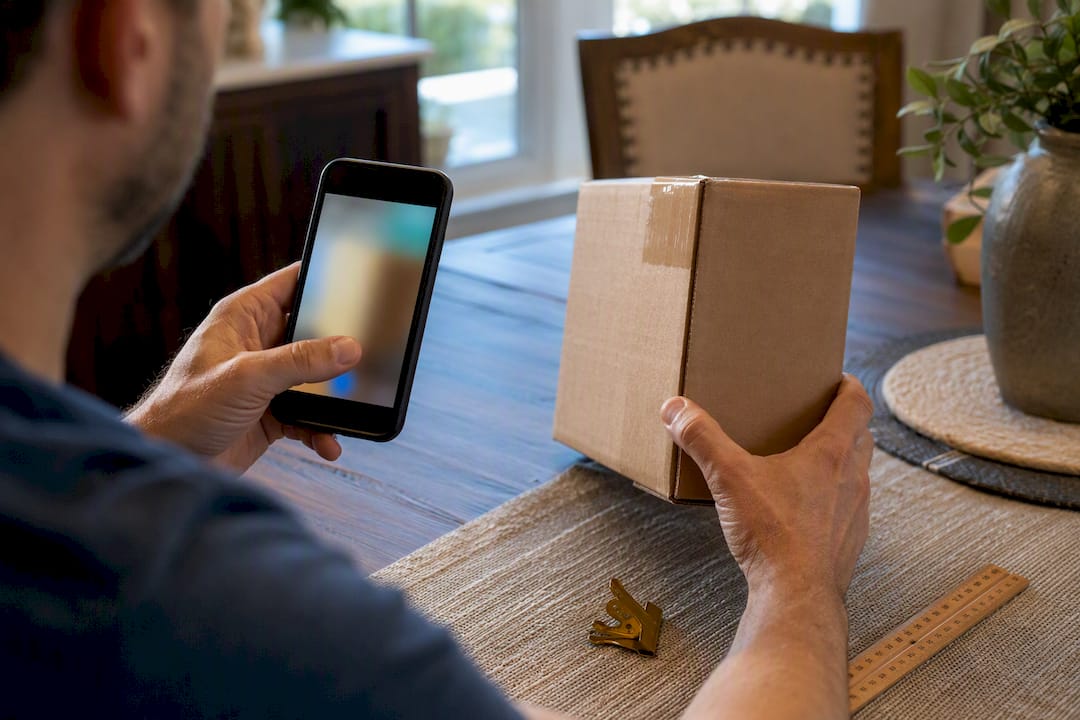
- Photograph each box and its lot number. Clear photos let a buyer pre-screen your inventory before you ever meet.
- Count items by type and size. A quick list, Dexcom G7 sensors: 3 boxes, Freestyle Libre: 2 boxes, gives a buyer everything needed for a fast quote.
- Gather any proof of purchase or insurance paperwork. You don’t need it to sell, but it can support a stronger offer and speeds verification.
- Note how the supplies were stored. Disclose any exposure to extreme heat or cold. Test strips and sensors are sensitive to temperature, and a buyer will ask.
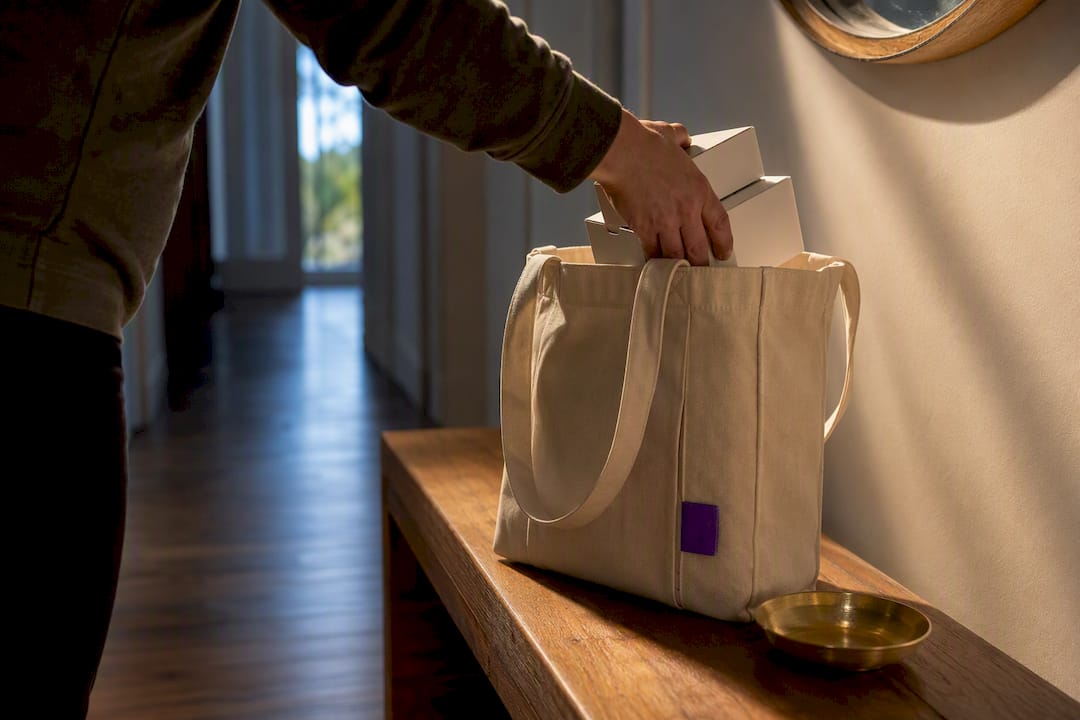
- Pack everything securely for transport. Keep boxes upright and unopened, and flag any concerns yourself before the buyer has to find them.
Sellers who show up with photos, an itemized count, and clear expiration dates tend to walk away with faster, higher offers than sellers who show up with a loose bag of boxes and no information.
Pro Tip: Take one photo per box that shows the front label, the expiration date, and the lot number in a single frame. It cuts inspection time nearly in half because the buyer can verify everything without unpacking a single box.
What Should You Expect for Pricing and Payment?
Valuation comes down to a handful of factors: which brand and model you have, how much time is left before expiration, how many unopened boxes you’re offering, and current demand for that item. Dexcom sensors and Omnipod pods tend to hold stronger resale value than generic test strips simply because they’re harder to source and more expensive at retail. Pricing varies by these factors, so treat any range you hear as a starting point for a conversation, not a guarantee.
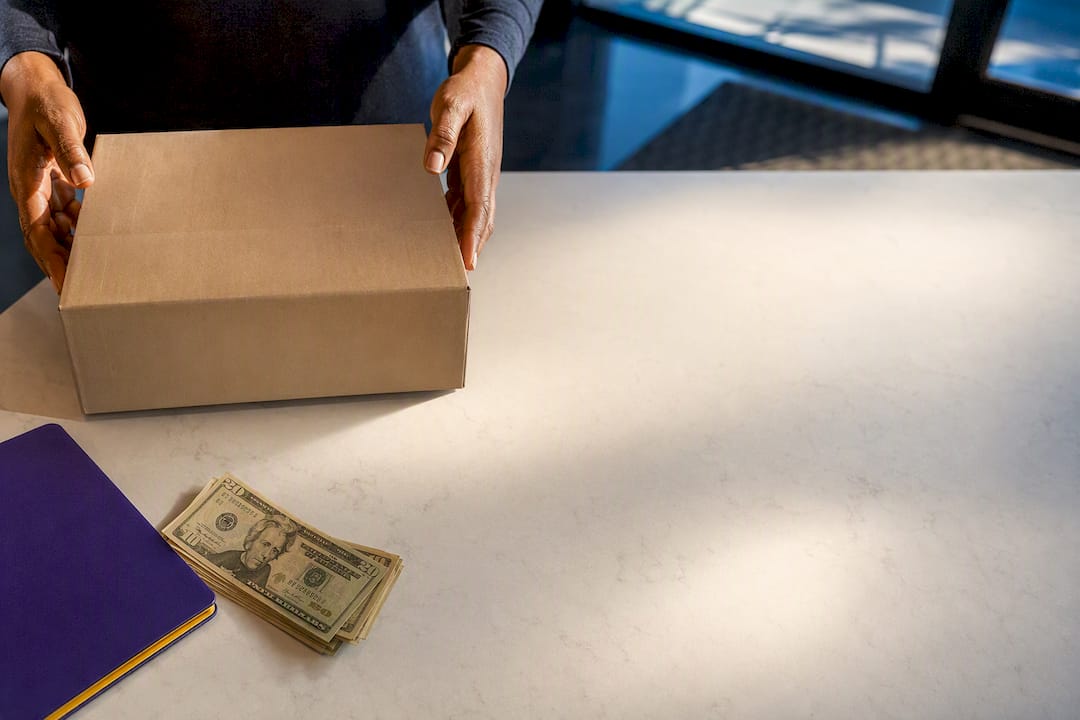
Payment for a legitimate local sale happens the same day, in person, after inspection. That usually means cash in hand or an instant electronic transfer once the buyer confirms your boxes are sealed and unexpired. There’s no waiting period, no shipping delay, no “we’ll mail you a check.”
Watch for these red flags before you commit to any buyer:
- Anyone asking you to ship items before payment is sent
- Offers that sit noticeably below what similar sellers report elsewhere
- Vague or missing inspection procedures, or reluctance to explain how pricing works
- Pressure to meet somewhere private or unusual instead of a normal public or business location
If a buyer can’t clearly explain how they check your supplies or when you’ll get paid, that’s a sign to keep looking.
How Does a Same-Day Sale Work in Orlando?
Selling locally in Orlando follows a simple sequence, and most sellers can complete the whole thing in under an hour once a meeting is set.
- Send your initial inquiry. Include photos of each box, a count by type, expiration dates, and a couple of meeting windows that work for you. The more detail you provide upfront, the faster you’ll get a real quote instead of a rough guess.
- Expect an inspection. A buyer will check that seals are intact, expiration dates are current, and lot numbers match what you sent. This usually takes just a few minutes per item once you’re face to face.
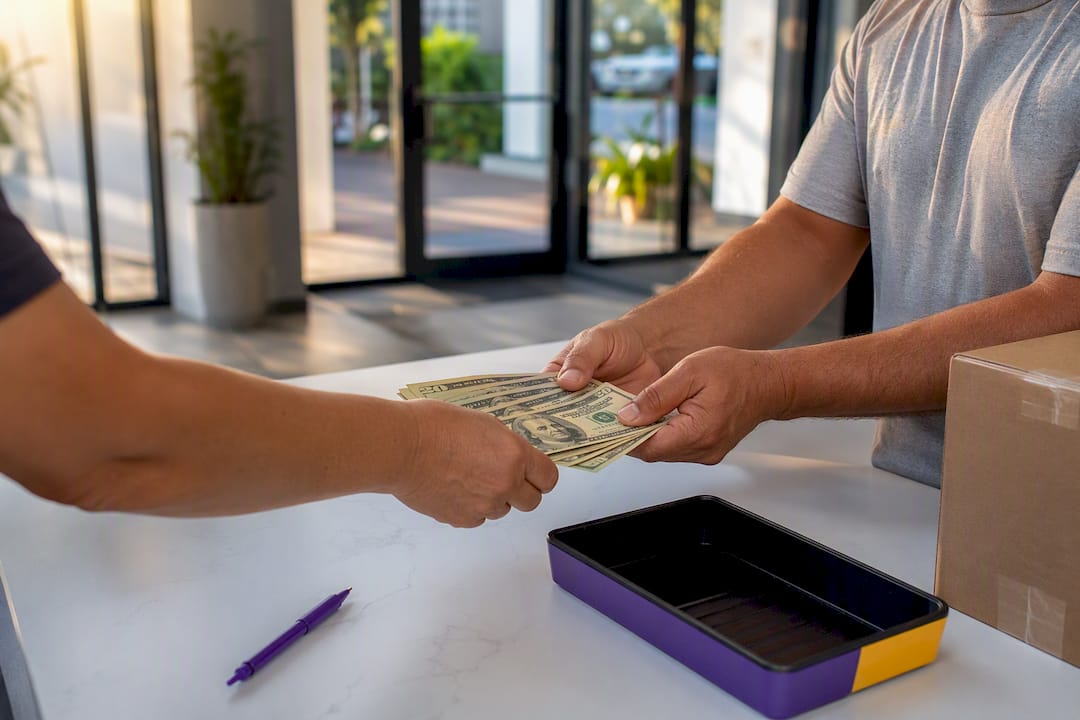
- Get paid on the spot. Legitimate local buyers pay same-day, either in cash or through an instant electronic transfer. Ask for an itemized receipt listing what you sold and what you were paid, and confirm the payment lands before you hand everything over.
- Choose a sensible meeting spot. A public location or the buyer’s verified storefront works best. Bringing a friend along is a reasonable precaution for any cash transaction, and there’s nothing awkward about asking.
- If meeting in person isn’t possible, ask about verified pick-up. Some buyers offer this as an alternative, though it usually takes longer since identity and item verification happen before payment rather than during a face-to-face inspection.
Pro Tip: Ask upfront whether payment happens before or after the buyer finishes their inspection. A buyer who insists on paying only after every box is verified is being careful, not difficult, and that’s a good sign, not a red flag.
What Sellers Wish They Knew Sooner
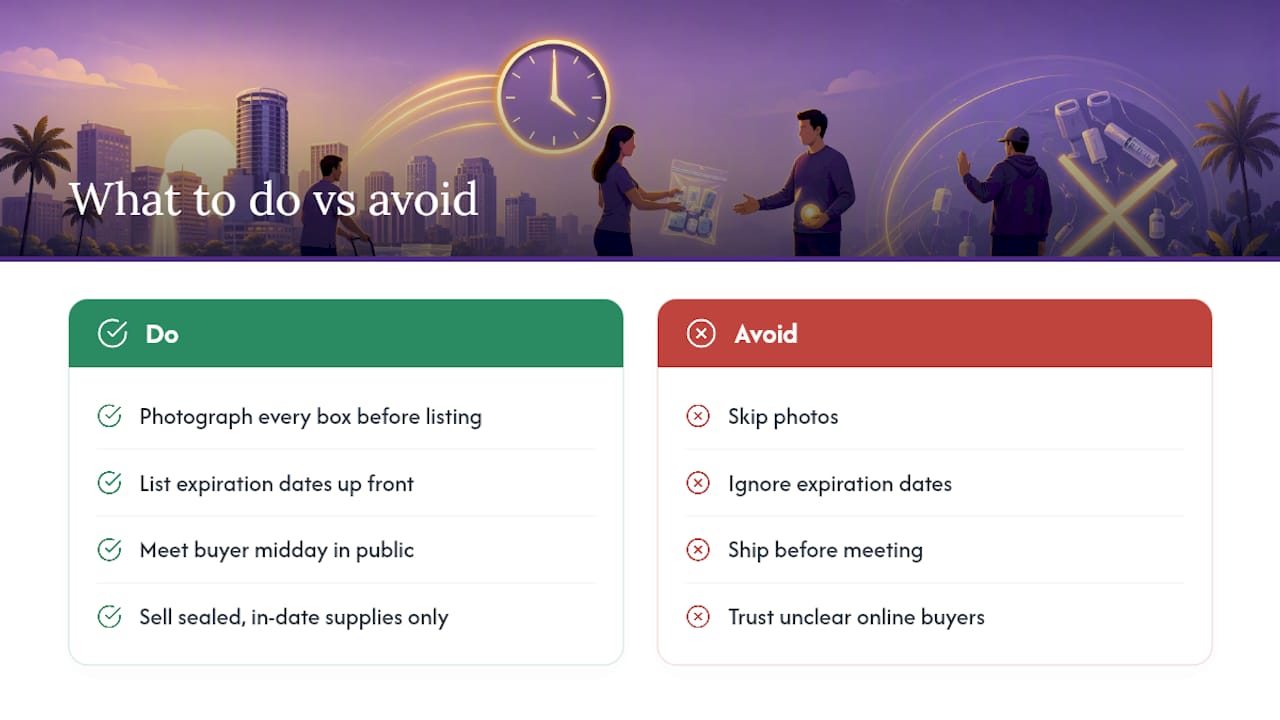
The smoothest sales share a pattern: the seller photographed every box, listed expirations up front, and met the buyer somewhere public in the middle of the day. Payment took minutes once the boxes checked out.
The mistakes are just as consistent. Sellers who skip photos slow down their own sale. Sellers who ignore expiration dates get turned away entirely. And sellers who trust an unclear online buyer, one who wants items shipped first, or who won’t explain how they inspect, are the ones who end up with nothing. Stick to sealed, in-date supplies and a local, face-to-face transaction, and most of the risk disappears on its own.
— Liliana
Sell to a local buyer for same-day cash
A local buyer may pay same-day cash for sealed, unexpired Dexcom G6 and G7 sensors, Freestyle Libre sensors, Omnipod pods, and major-brand test strips, with no shipping or waiting on a check in the mail. Buyers typically provide an in-person inspection and payment in the same visit, which is the workflow described above.
Getting started is simple. Send a few photos of your boxes showing the labels, expiration dates, and lot numbers, along with a rough count by item type. From there, schedule a quick in-person inspection at a convenient time. Once your supplies check out, payment typically happens on the spot, cash or instant transfer. If you have unopened Dexcom, Libre, Omnipod, or test strip boxes sitting in a drawer, visit the guide on how to get cash for unused diabetic supplies to see what to send and general timing for payment.
Sources
- FDA warns about risks of using home‑use test strips that are pre‑owned or not authorized for sale in the U.S.
- Inside booming underground economy: diabetic testing supplies
- Market in pre‑owned diabetic strips worries experts – Grady Newsource
- 2023 Statutes 0499.005 | Florida House of Representatives
FAQ
Can you legally sell unused diabetic supplies in Orlando?
Selling sealed, unused, unexpired diabetic supplies is commonly legal in Florida, though sellers should avoid anything that resembles a regulated sample or mislabeled device under state distribution rules.
Will a buyer accept opened test strips?
No. Reputable buyers refuse opened strip boxes because the FDA warns that pre-owned strips can produce inaccurate readings or pose infection risk.
How fast can I get paid for my supplies?
Local, in-person sales typically pay the same day, in cash or by instant electronic transfer, right after the buyer inspects your sealed boxes.
What items do local diabetic supply buyers accept?
Many local buyers pay same-day cash for sealed, unexpired Dexcom G6 and G7 sensors, Freestyle Libre sensors, Omnipod pods, and major-brand test strips.
Do I need proof of purchase to sell my supplies?
No, but having a receipt or insurance paperwork on hand can support a stronger offer and speeds up verification during inspection.