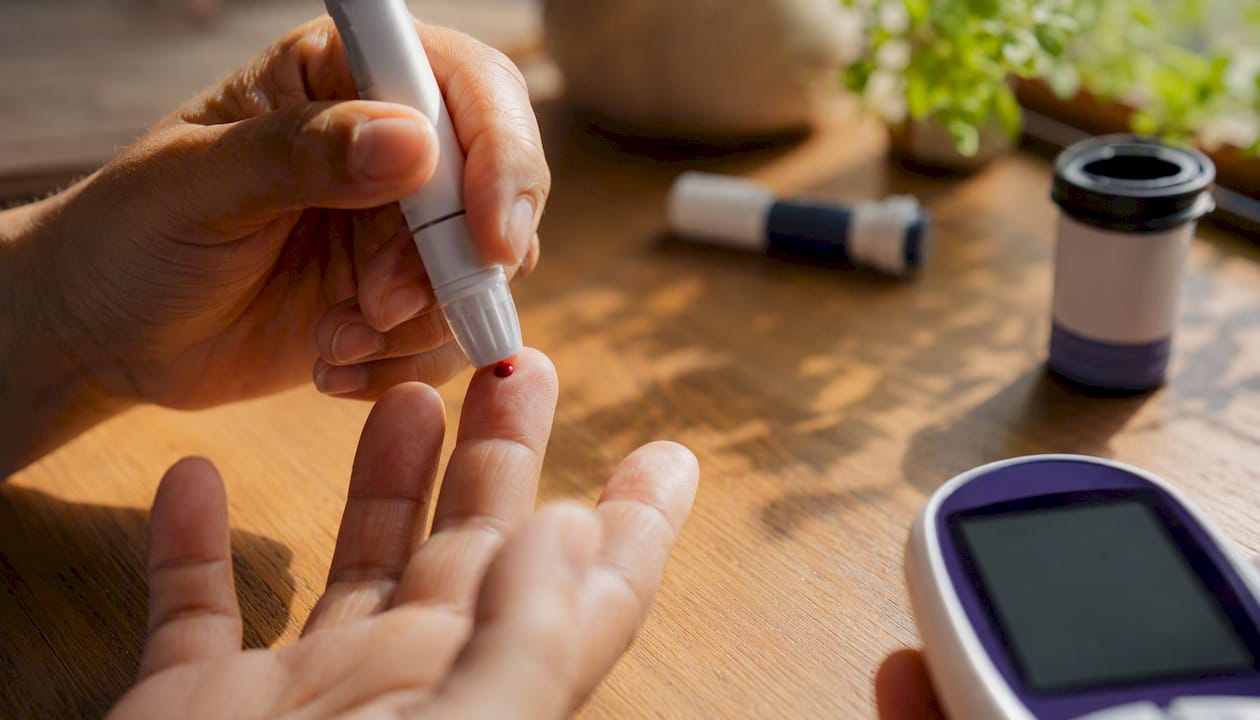
Repeat selling diabetic supplies is the practice of regularly converting your unused, sealed, and unexpired diabetes management products into cash through legal secondary markets. People with diabetes often accumulate surplus items because automated resupply programs ship products on a fixed schedule, regardless of actual usage. This creates a predictable cycle of overflow that makes repeat selling not just possible, but practical. Orlando Diabetic Supplies Buyback buys Dexcom G6 and G7 sensors, Freestyle Libre, Omnipod, and sealed test strips from sellers in Orlando and surrounding areas. Understanding how repeat selling diabetic supplies works puts real money back in your pocket while reducing healthcare waste.
How does the repeat selling process for diabetic supplies work?
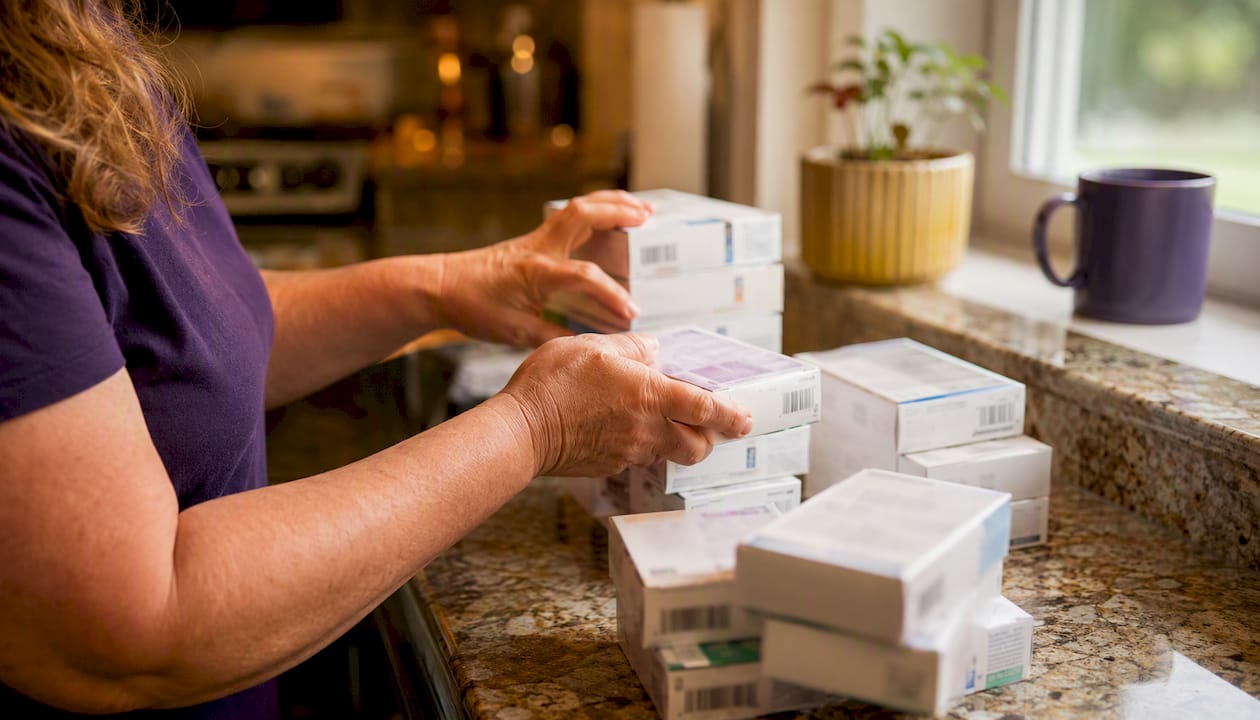
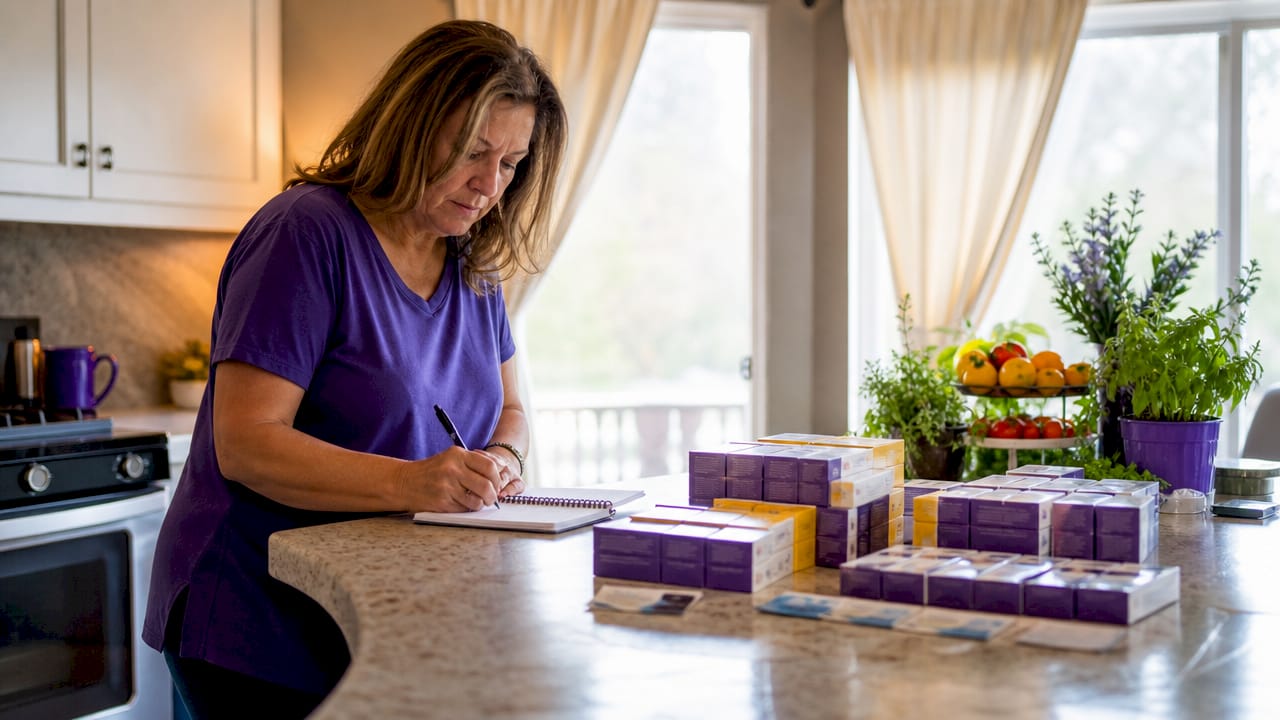
The secondary market for diabetic supplies connects people who have surplus products with buyers who need affordable options. Automated resupply programs create repetitive, predictable shipments that cause supplies to pile up over time. That accumulation is the engine behind repeat selling. Every new shipment from your insurance or mail-order program is a potential future sale.
The most commonly traded products in this market include:
- Test strips (sealed, brand-specific boxes)
- CGM sensors such as Dexcom G6, Dexcom G7, and Freestyle Libre
- Insulin pump supplies including Omnipod pods
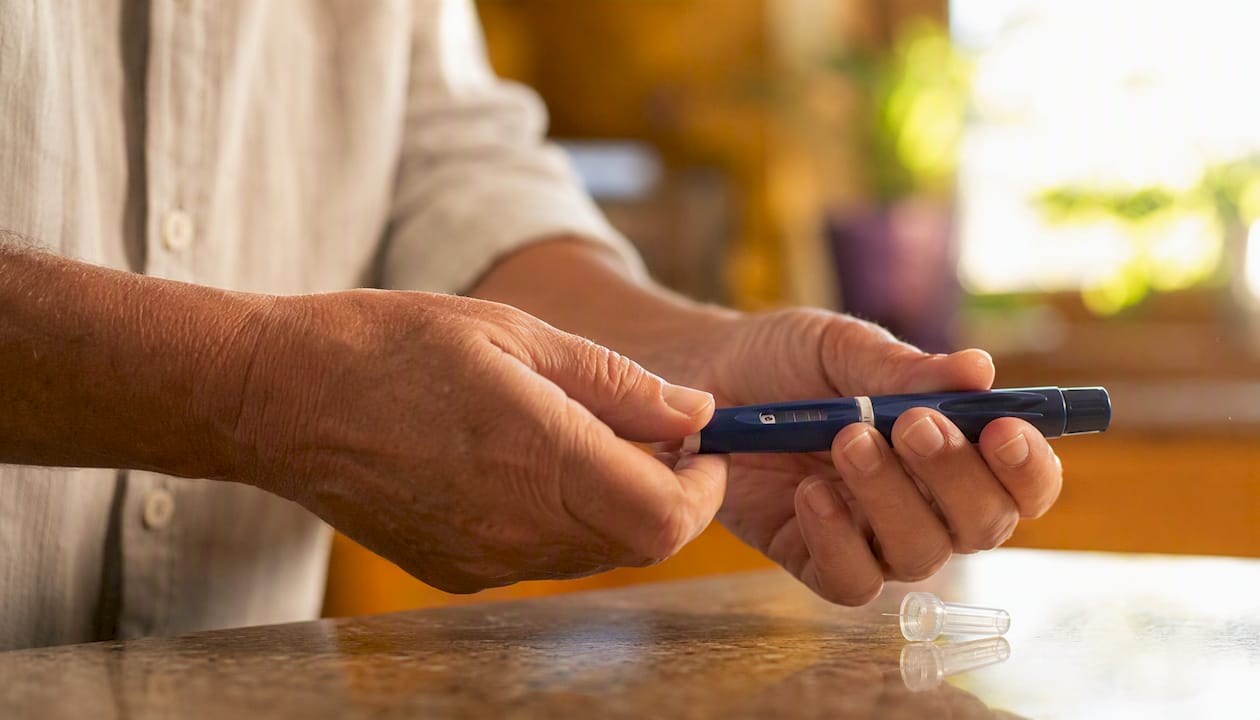
- Pen needles in original, factory-sealed packaging
All items must be unexpired and factory sealed to qualify for resale. Opened or repackaged items are not accepted by reputable buyers.
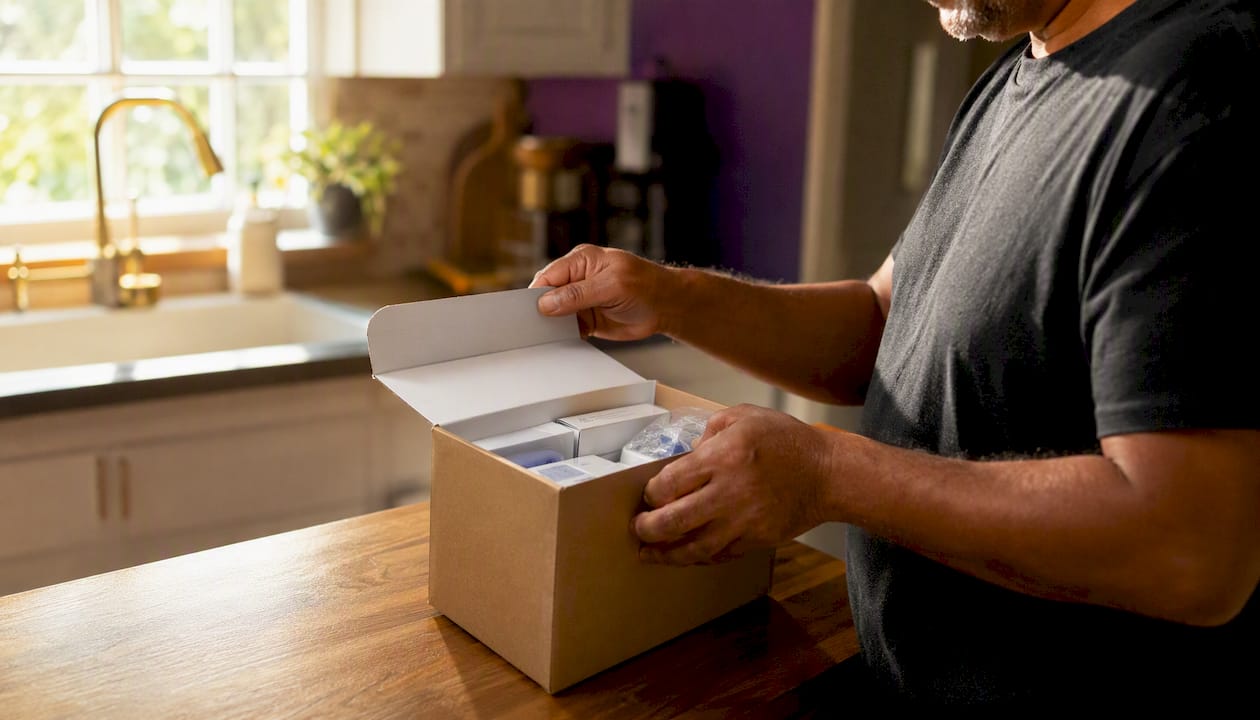
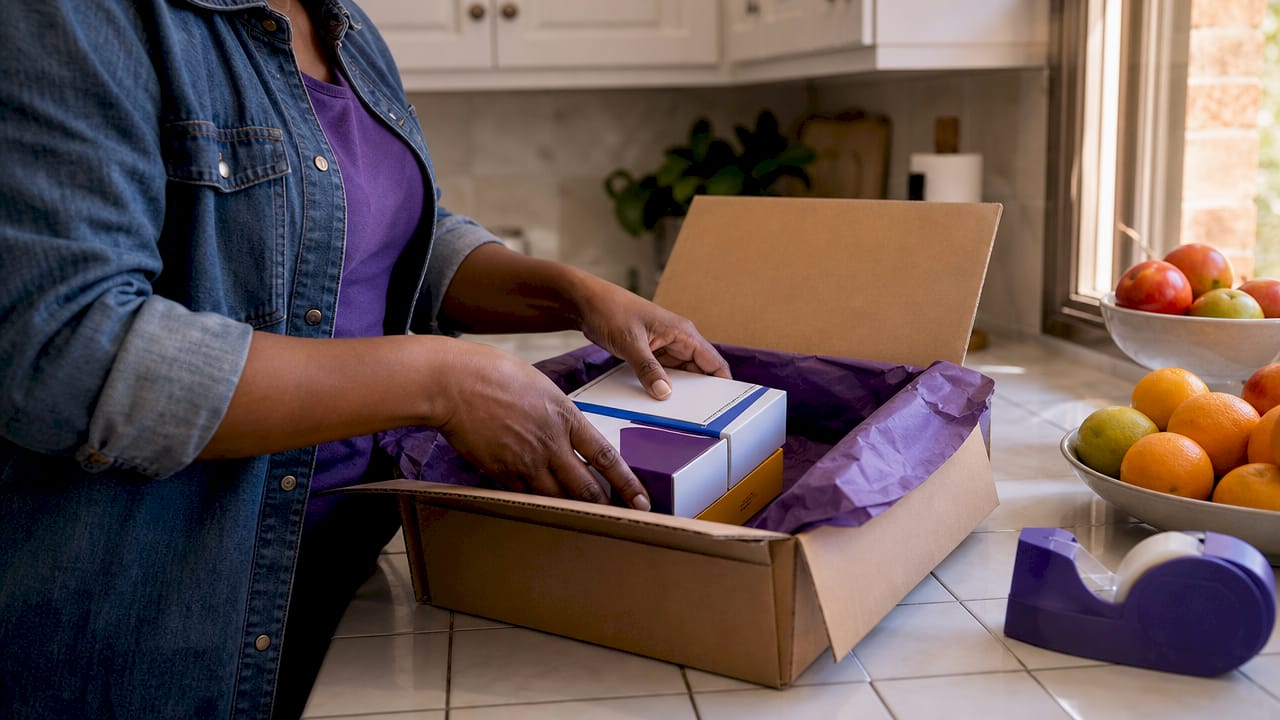
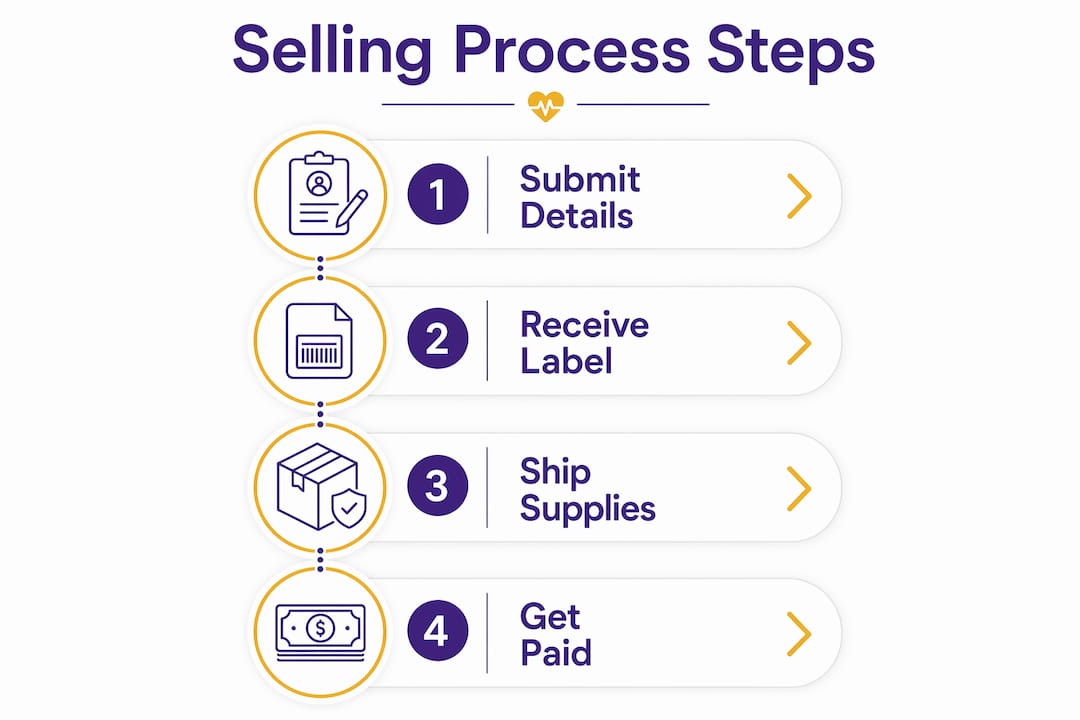
The process itself follows a clear path. You submit your product details to a buyer, receive a prepaid shipping label, ship your sealed supplies, and then receive payment by PayPal or check within 1–2 business days after verification. This workflow repeats each time you accumulate a new surplus, which is why it earns the label “repeat selling.” The cycle is predictable because your resupply program runs on a schedule.
Pro Tip: Track your monthly shipment dates. When a new auto-ship order arrives and you still have stock from the previous one, that leftover supply is ready to sell.
What legal rules apply to selling diabetic supplies?
Selling personally purchased, unused, and unexpired diabetic supplies is generally legal under current guidelines. The key word is “personally purchased.” Supplies obtained through Medicare, Medicaid, or VA programs cannot legally be resold. Prescription insulin also falls outside what you can sell. These restrictions exist because government-funded supplies are provided at taxpayer expense and are intended solely for the recipient.
Sellers who stay compliant follow a short set of clear rules:
- Only sell supplies you paid for privately or through private insurance
- Never sell prescription insulin or any item obtained via a government benefit program
- Keep all items in their original sealed packaging with visible expiration dates
- Verify your state’s specific resale laws before your first transaction
- Never alter, repackage, or relabel any product before sale
State laws vary. A few states have additional restrictions on the resale of medical supplies, so checking your local regulations is a necessary step before you sell. The safest practice is to treat every sale as if it will be reviewed. Keep your packaging intact, your expiration dates visible, and your supply source private and legitimate.
Sellers who follow these rules face no legal risk. The secondary market exists precisely because private surplus is a real and ongoing problem that no law prohibits individuals from addressing responsibly.
How to prepare your supplies to maximize repeat sale value
Preparation directly affects how much you earn. Supplies with 10 or more months until expiration command higher resale prices than items close to their expiration date. Buyers price based on remaining shelf life because their customers need time to use the product safely.
Follow these steps to get the most from each recurring sale:
- Sort by product type. Group test strips, CGM sensors, and pump supplies separately. Buyers often price by category, and organized inventory speeds up the quoting process.
- Check expiration dates immediately. When a new shipment arrives, note the expiration date on each box. Prioritize selling items with shorter shelf life first.
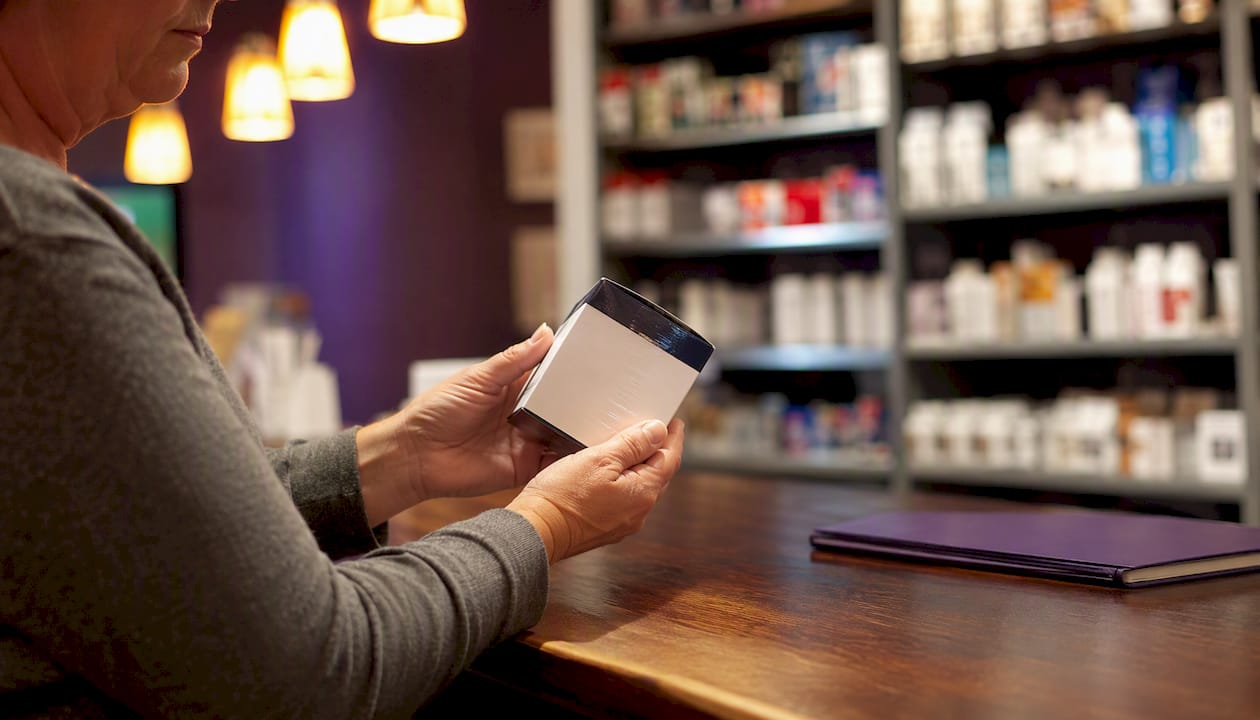
- Inspect packaging. Any box with torn seals, water damage, or missing lot numbers will be rejected. Set those aside before shipping.
- Compare buyer offers. Price transparency varies between buyers. Get quotes from more than one source before committing to a sale.
- Schedule your sale around your resupply cycle. If your auto-ship program delivers every 90 days, plan to sell your surplus within the first two weeks of receiving a new order.
Pro Tip: Store your surplus supplies in a cool, dry place away from direct sunlight. Heat and humidity degrade packaging faster than time does, and damaged packaging reduces your sale price.
Consistent preparation turns repeat selling from a one-time transaction into a reliable income stream. Sellers who treat their surplus like inventory, rather than clutter, earn more per sale and face fewer rejections.
How to choose a reputable buyer for ongoing sales
Choosing the right buyer matters more for repeat sellers than for one-time sellers. A bad experience with a buyer costs you time and money across multiple future transactions. Reputational due diligence is the standard recommendation from experts in this space. Check reviews, confirm accepted product lists, and verify payment timelines before you ship anything.
Key factors to evaluate when selecting a buyer:
- Accepted products: Does the buyer accept your specific brands and models, such as Dexcom G7 or Freestyle Libre 3?
- Pricing transparency: Are prices listed clearly, or do you have to negotiate after shipping?
- Payment method: PayPal, check, and cash are the most common options. Confirm which applies to you.
- Shipping policy: Reputable buyers provide prepaid labels. Never pay out of pocket to ship supplies to a buyer.
- Customer support: Can you reach a real person if there is a problem with your shipment?
Local buyers versus mail-in services each have real tradeoffs. Local buyers often pay cash on the spot, which is faster. Mail-in services offer convenience if you cannot travel, but payment takes longer. For repeat sellers, local buyers who offer same-day payment build the most reliable ongoing relationship.
Red flags to avoid: buyers who ask you to remove packaging, buyers who do not list accepted products publicly, and any service that cannot confirm payment timelines in writing. Orlando Diabetic Supplies Buyback operates locally in the Orlando area with clear pricing, same-day cash, and direct communication, which makes repeat transactions straightforward.
What are the real benefits of selling diabetic supplies repeatedly?
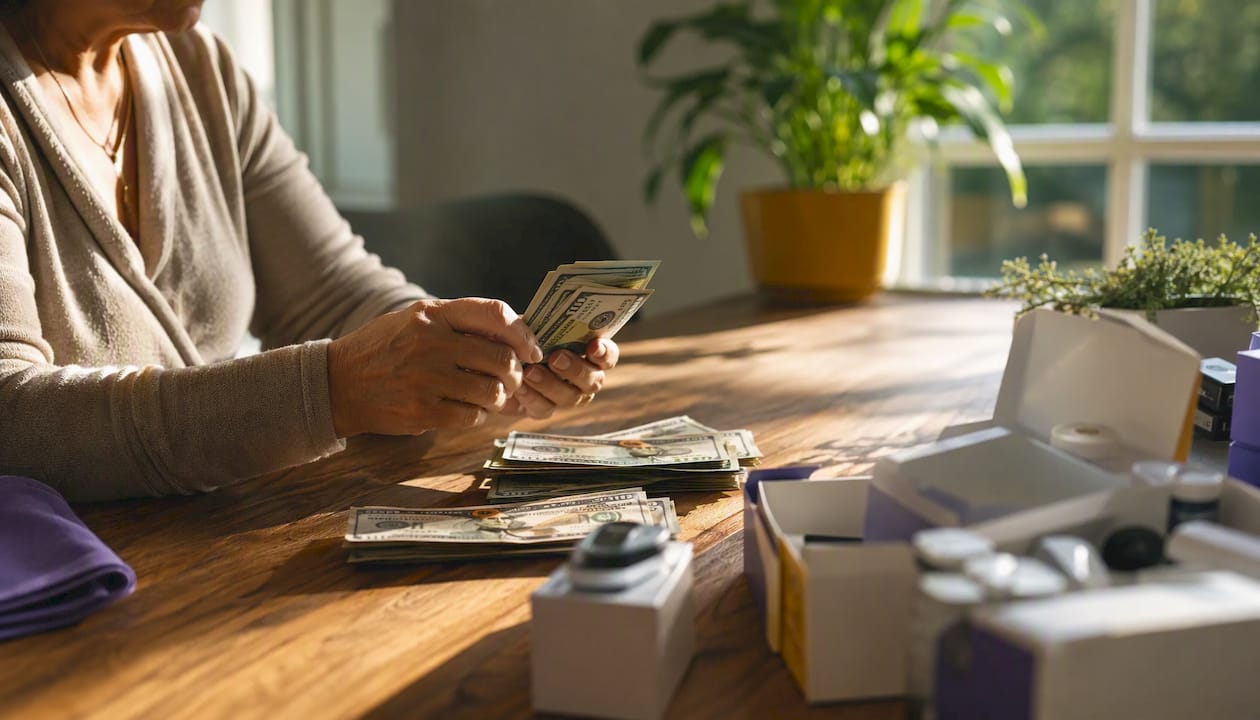
Repeat selling delivers financial relief that compounds over time. Each sale converts what would otherwise be wasted product into cash you can use immediately. For people managing a chronic condition, that extra income offsets real costs.
The broader impact is significant. The diabetic supply buyback market addresses a $5 billion healthcare waste problem by redirecting surplus supplies to cost-sensitive buyers who cannot afford retail prices. That means your surplus Dexcom G7 sensors or test strips reach someone who genuinely needs them at a price they can manage.
“The secondary market for diabetic supplies does not just benefit sellers. It creates a circular economy where surplus becomes access, and waste becomes value for someone who needs it most.”
Recurring supply accumulation from automated programs closes a healthcare waste loop that would otherwise cost the system money and leave patients without affordable options. Sellers who participate regularly contribute to that loop in a concrete way. You reduce waste, earn cash, and help another person manage their diabetes at lower cost. That is a practical outcome with no downside for compliant sellers.
Key Takeaways
Repeat selling diabetic supplies is legal, predictable, and financially worthwhile when sellers stay compliant, prepare their inventory carefully, and choose transparent buyers.
| Point | Details |
|---|---|
| Legal eligibility | Only sell privately purchased, sealed, unexpired supplies not obtained through Medicare, Medicaid, or VA programs. |
| Shelf life drives value | Supplies with 10 or more months to expiration earn higher prices than near-expiration items. |
| Process is repeatable | Auto-ship programs create predictable surplus, making each new delivery a fresh selling opportunity. |
| Buyer selection matters | Verify accepted products, payment timelines, and shipping policies before committing to any buyer. |
| Broader impact | Repeat selling reduces healthcare waste and gives cost-sensitive buyers access to affordable supplies. |
Why repeat selling is more straightforward than most people expect
I have seen a lot of people sit on boxes of unused Dexcom G7 sensors or Freestyle Libre readers because they assume selling them is complicated or legally risky. The reality is the opposite. The rules are clear, the process is fast, and the market is active.
What most sellers overlook is the timing. The best time to sell is right after a new auto-ship order arrives, not six months later when expiration dates are closing in. Sellers who wait lose money on every box. The ones who treat their resupply cycle as a selling schedule consistently earn more.
I also think people underestimate how much a local buyer changes the experience. Shipping supplies to a mail-in service and waiting for payment works fine once. For repeat selling, same-day cash from a local buyer like Orlando Diabetic Supplies Buyback is a better fit. You know exactly what you are getting, and you get it immediately.
The one caution I always emphasize: know your source. If your supplies came through a government program, do not sell them. That line is non-negotiable, and crossing it creates real legal risk. Everything else, handled correctly, is a straightforward transaction that benefits everyone involved.
— Liliana
Orlando Diabetic Supplies Buyback makes repeat selling simple
If you have unused diabetic supplies building up at home, Orlando Diabetic Supplies Buyback offers a fast, local solution with same-day cash payment. The process is clear, fair, and built for sellers who come back regularly.
Orlando Diabetic Supplies Buyback accepts Dexcom G6 and G7 sensors, Freestyle Libre, Omnipod, and sealed test strips from sellers in Orlando and surrounding areas. Pricing is transparent, communication is direct, and payment happens the same day. You can get cash for unused supplies without shipping delays or uncertainty. For sellers with device-specific surplus, the sell previous device supplies page covers exactly what qualifies and what to expect. Repeat sellers are welcome, and the process gets faster every time.
FAQ
Can you legally sell diabetic supplies more than once?
Yes. Selling privately purchased, sealed, and unexpired diabetic supplies is generally permitted as many times as you have eligible surplus. Each transaction is independent, so repeat selling is fully legal for compliant sellers.
What diabetic supplies can you sell through a buyback service?
The most commonly accepted items are test strips, Dexcom G6 and G7 sensors, Freestyle Libre sensors, Omnipod pods, and pen needles. All items must be factory sealed and unexpired to qualify.
How long does it take to get paid after selling diabetic supplies?
Payment typically arrives within 1–2 business days for mail-in services after the buyer verifies your shipment. Local buyers like Orlando Diabetic Supplies Buyback pay same-day cash, which is faster for repeat sellers.
Can you sell supplies received through Medicare or Medicaid?
No. Supplies obtained through Medicare, Medicaid, VA programs, or any government-funded benefit cannot legally be resold. Only privately purchased supplies are eligible for resale.
How do auto-ship programs create repeat selling opportunities?
Recurring resupply programs ship diabetic supplies on a fixed schedule, often faster than people use them. That predictable surplus gives sellers a consistent source of sellable inventory every time a new order arrives.