
Diabetic supply market values are the assessed worth of unused or surplus diabetes care items based on condition, expiration date, demand, and regulatory guidelines. Understanding how diabetic supply market values work is directly relevant to you if you have boxes of Dexcom G6 or G7 sensors, Freestyle Libre patches, Omnipod pods, or sealed test strips sitting unused. The average annual healthcare cost for a person with diabetes reaches approximately $16,752, more than double the cost for those without the condition. That financial pressure makes recovering value from surplus supplies a real and practical priority.
How diabetic supply market values work: the core factors
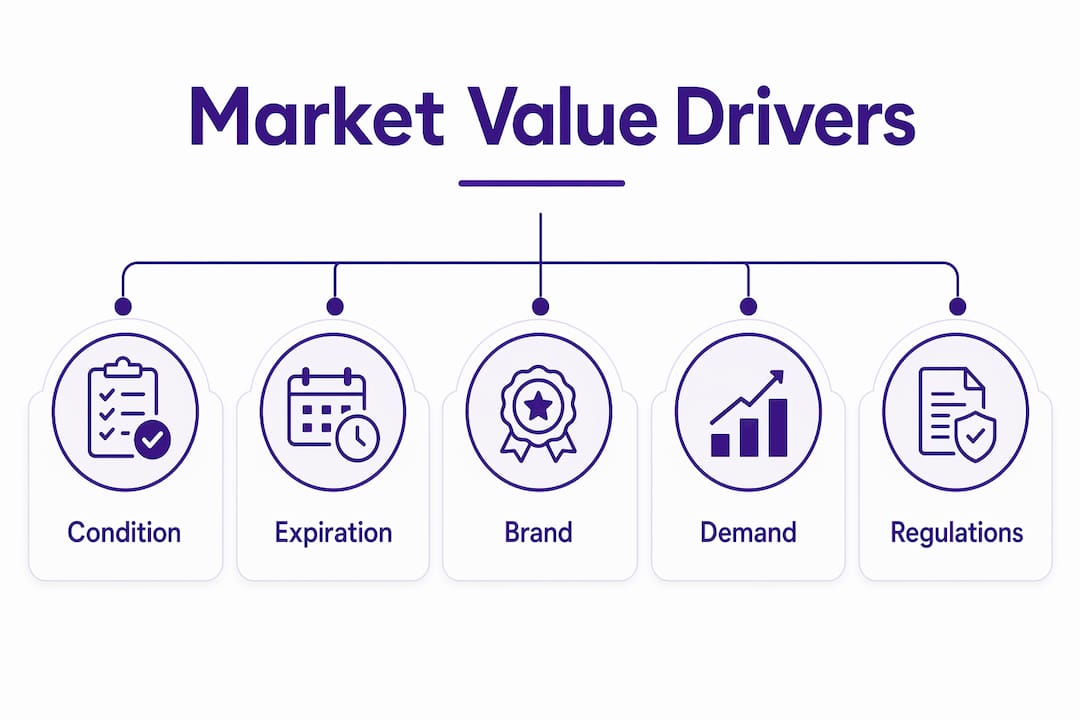
The market value of a diabetic supply item is not a fixed number. It shifts based on five core factors that buyers, appraisers, and secondary market platforms all weigh before making an offer.
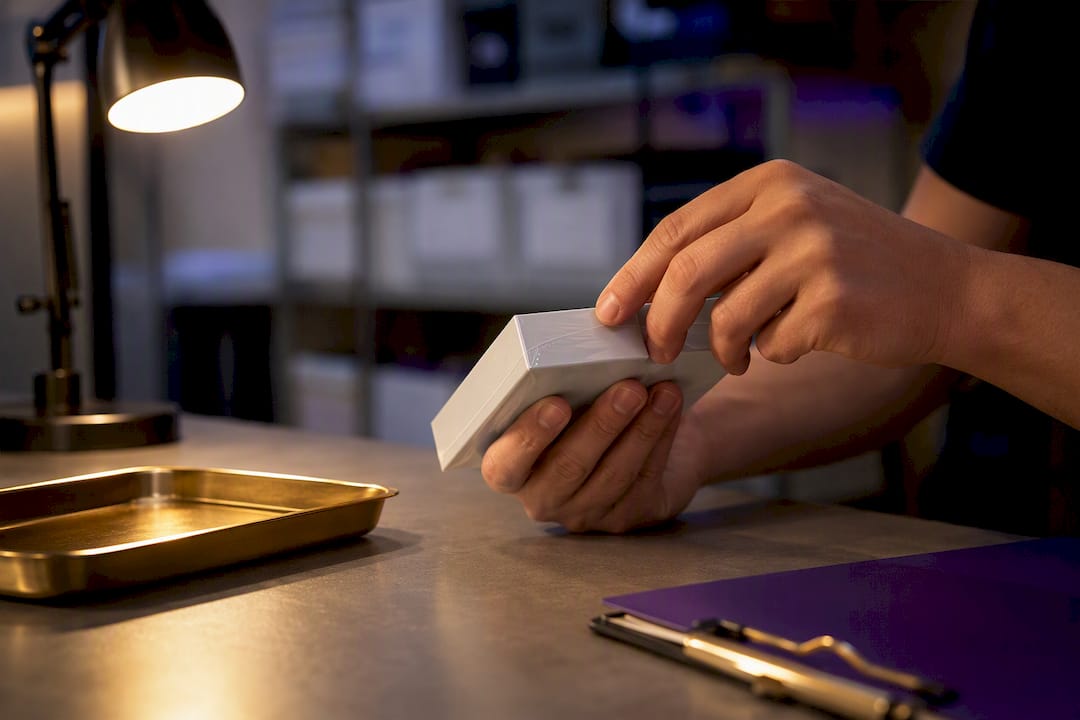
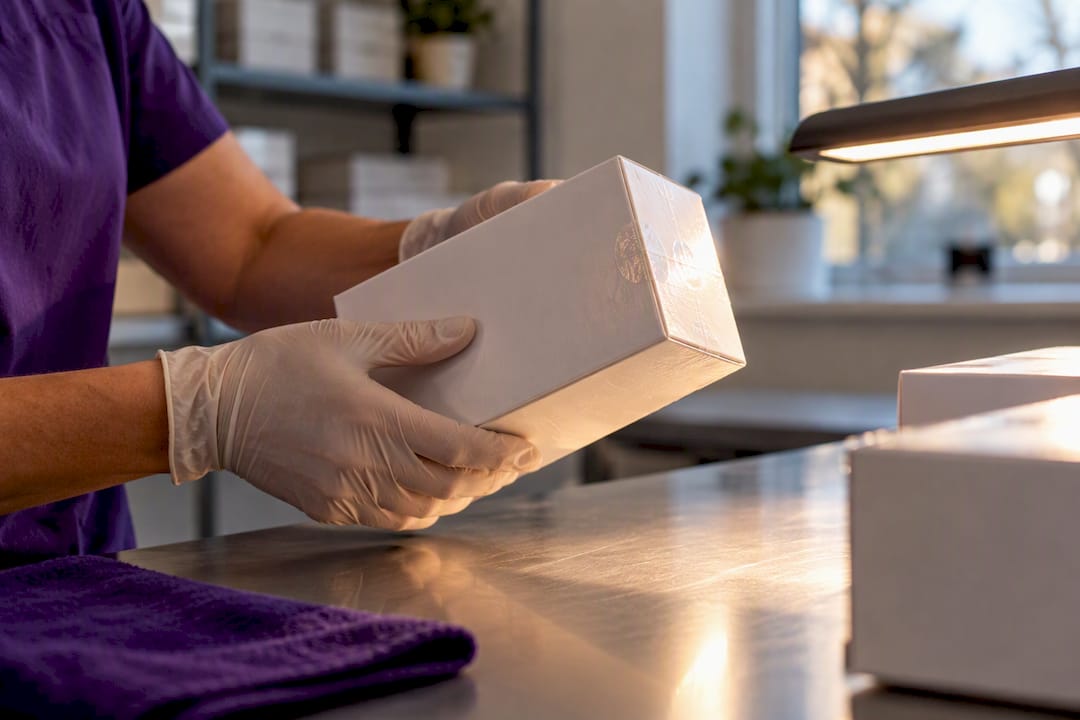
- Product condition. Sealed, unopened packaging is the single most important factor. Intact packaging protects accuracy and reliability, which is why buyers will not purchase opened boxes of CGM sensors or test strips. Even minor damage to the outer box can reduce an offer significantly.
- Expiration date. Supplies with longer shelf life command higher resale prices because they give buyers more usable time. A box of test strips expiring in two months is worth far less than the same box with eight months remaining.
- Supply and demand. CGM sensors such as Dexcom G7 and Freestyle Libre are in high demand because they are expensive at retail and widely prescribed. Test strips for discontinued meters have lower demand because fewer people need them.
- Brand and product type. Name-brand CGM systems hold value better than generic or store-brand test strips. Omnipod pods, for example, carry strong resale value because the system is widely used and the pods are expensive to replace out of pocket.
- Regulatory constraints. Medicare billing limits and compliance rules cap how many supplies a patient can receive in a given period. This directly affects how much surplus accumulates and how much of it qualifies for resale.
Pro Tip: Check the expiration date on every box before you contact a buyer. Supplies expiring within 60 days may not qualify for resale at all, so timing your sale matters.
Understanding why supply demand stays high helps you recognize which items in your cabinet are worth the most right now.
What role do secondary markets play in diabetic supply pricing?
Secondary markets are the resale and redistribution channels where surplus diabetic supplies move from original recipients to new buyers. These markets exist because secondary markets reduce medical waste by redistributing surplus supplies and providing affordable access to underinsured patients.
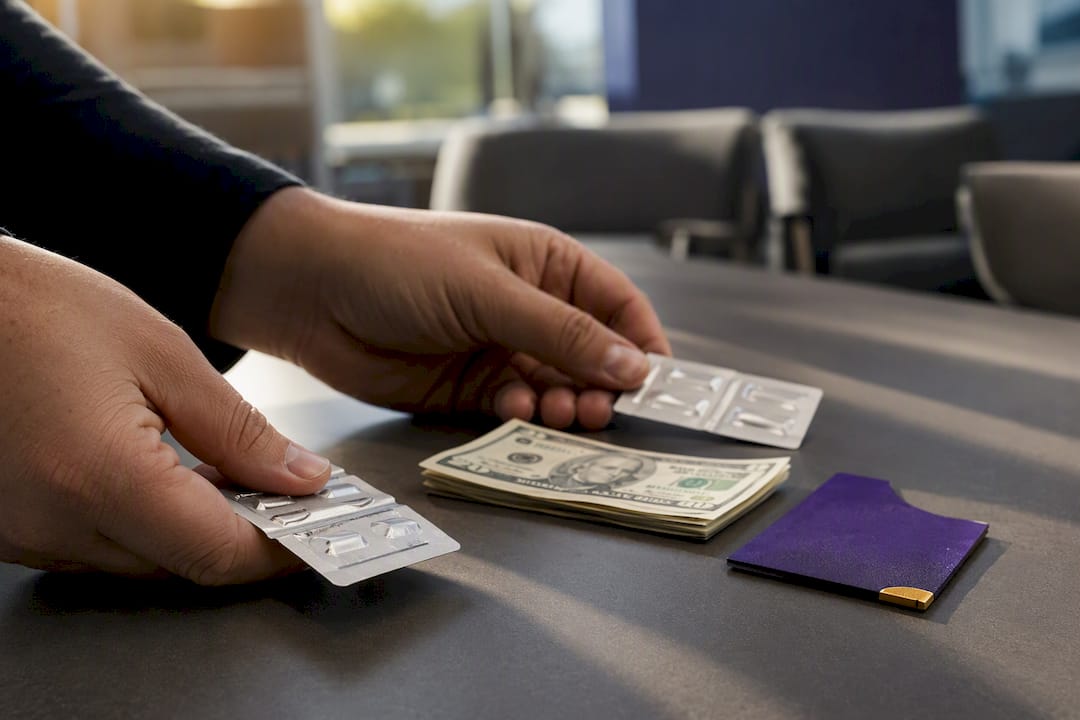
The buyers in these markets fall into a few clear categories. Local buyback services like Orlando Diabetic Supplies Buyback purchase supplies directly for cash. Nonprofit organizations accept donations and redistribute supplies to patients who cannot afford retail prices. Online resale platforms connect individual sellers with buyers across the country.
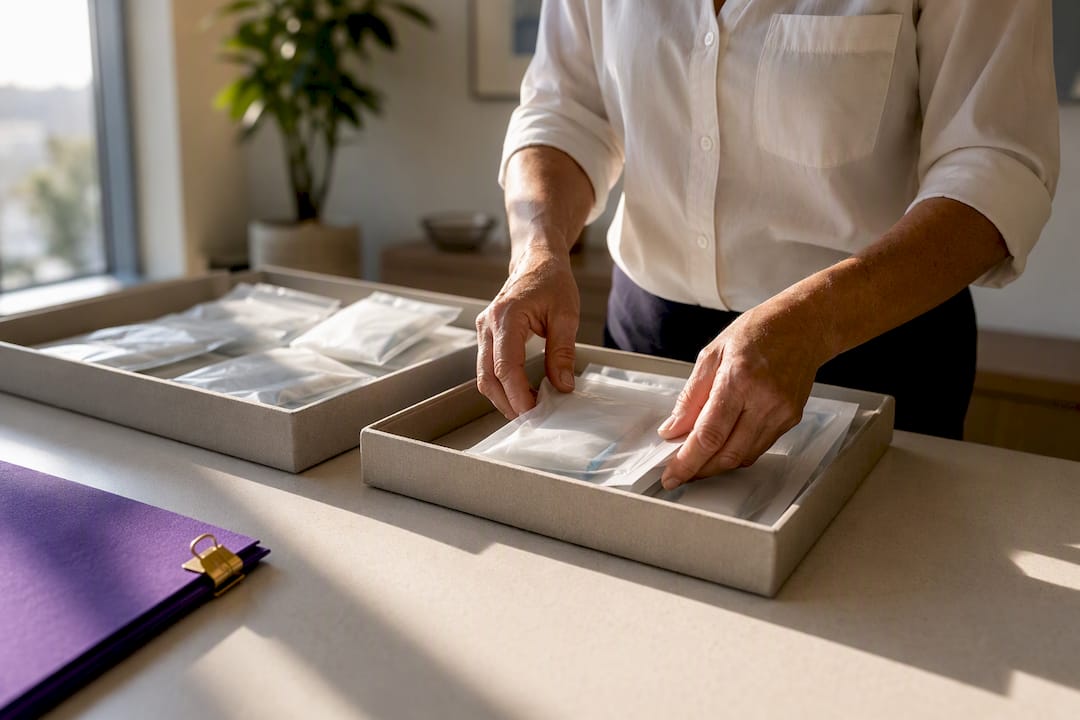
The process for selling is straightforward in most cases. You contact a buyer, describe what you have, and receive an offer based on condition, brand, and expiration date. Reputable buyers inspect supplies before completing a purchase. Donation processes are similar but require additional documentation when the value is significant.
“The market needs of uninsured and underinsured patients drive demand and influence the value of unopened diabetic supplies in secondary markets by offering affordable alternatives and reducing medical waste.”
Risks exist in these markets. Selling expired or opened supplies is illegal and exposes you to liability. Buyers who do not verify condition or expiration dates are not operating responsibly. Always work with a buyer who asks for photos, checks expiration dates, and operates transparently. You can review types of diabetic supply buyers to understand what separates trustworthy buyers from risky ones.
- Contact a reputable local buyer or donation organization.
- Provide photos of all boxes, including expiration dates and lot numbers.
- Receive a written or verbal offer based on condition and market demand.
- Complete the transaction with documentation for your records.
- If donating, request a receipt from the receiving 501©(3) organization.
What are the regulatory and tax rules that affect supply values?
Federal rules shape diabetic supply pricing in ways most people do not expect. The improper payment rate for glucose monitors is 25.2% according to 2024 Medicare compliance data. That high rate has pushed CMS to enforce strict utilization guidelines, which limit how many strips or sensors can be billed within a 30-day period.
Medicare Part B covers up to 300 test strips and lancets every three months for insulin users. When a patient receives more than the covered amount, the excess accumulates as surplus. That surplus is exactly what feeds the secondary market.
| Regulatory factor | Impact on market value |
|---|---|
| Medicare quantity limits | Creates predictable surplus that drives secondary market supply |
| Improper payment enforcement | Raises compliance scrutiny on resale and donation claims |
| IRS appraisal requirement | Required for donations exceeding $5,000 in fair market value |
| 501©(3) verification | Receiving organization must be qualified for tax deduction to apply |
| Unused and unexpired requirement | Only unused, unexpired supplies qualify for tax deduction or resale |
For donations exceeding $5,000 in fair market value, the IRS requires a qualified appraisal, documented proof of ownership, and confirmation that the receiving organization holds 501©(3) status. This requirement protects both donors and nonprofits from inflated claims.
Pro Tip: Keep your original receipts or insurance explanation-of-benefits documents. These serve as proof of ownership and make the appraisal process faster and cleaner.
If you are weighing your options, the donation vs. selling comparison breaks down the financial and tax implications of each path clearly.
Practical tips to maximize value from unused diabetic supplies
Getting the best return on unused supplies comes down to a few habits that most people overlook until it is too late.
- Store supplies correctly. Keep boxes in a cool, dry location away from direct sunlight. Heat and humidity degrade test strips and CGM sensors faster than most people realize, even inside sealed packaging.
- Prioritize high-value items first. CGM sensors, insulin pump pods, and Freestyle Libre readers hold the most resale value. Sealed test strips from major brands also sell well. Generic or store-brand strips have limited secondary market demand.
- Act before expiration closes in. Supplies with less than 90 days until expiration lose value quickly. Contacting a buyer when you have six months or more remaining gives you the strongest negotiating position.
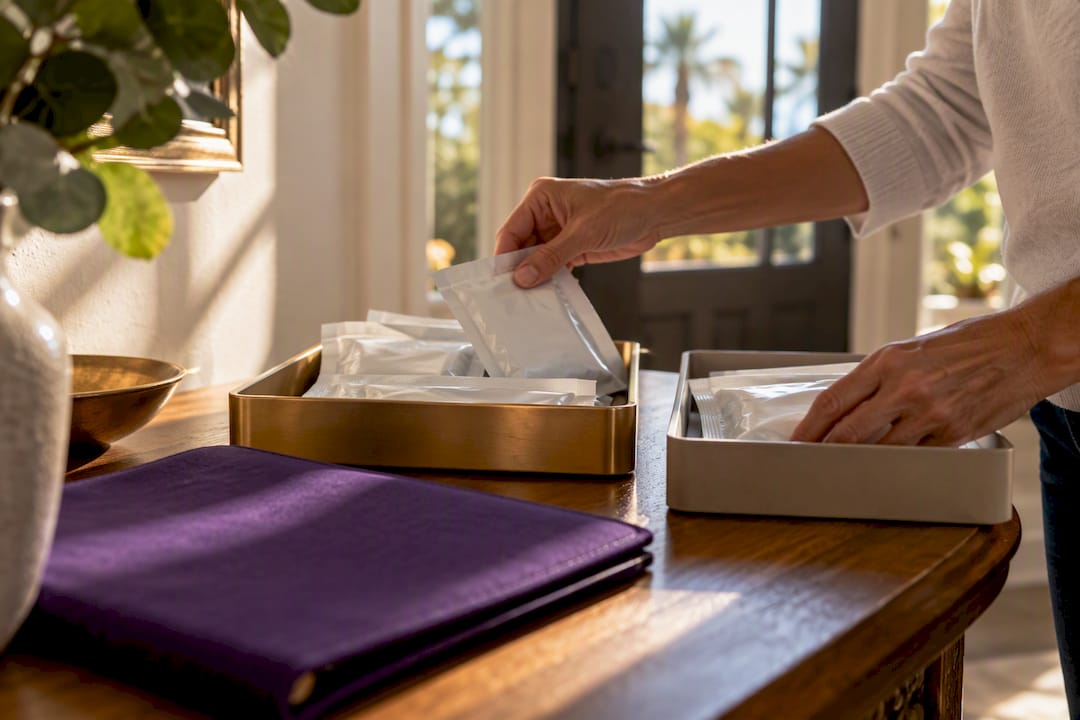
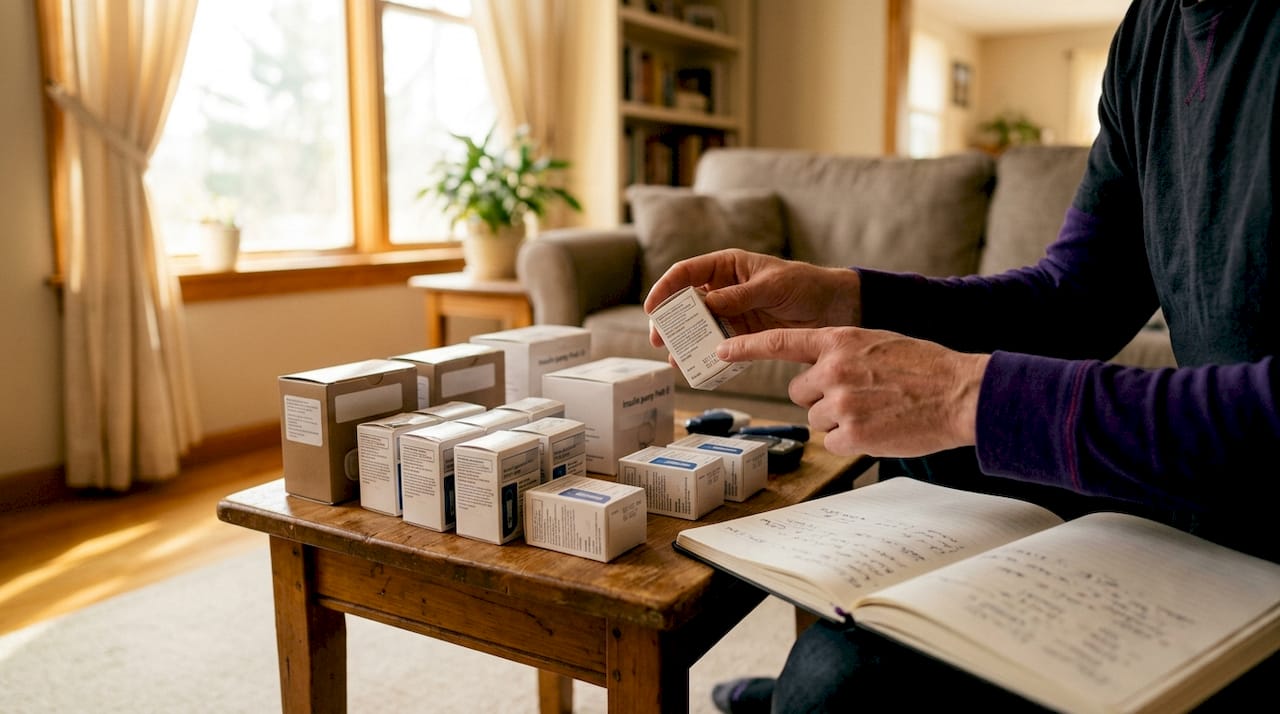
- Do not mix opened and unopened boxes. Buyers will not purchase opened supplies. Keeping your inventory sorted saves time and avoids confusion during the appraisal process.
- Document everything. Note the brand, model, quantity, lot number, and expiration date for each item before you reach out to a buyer. This speeds up the offer process and protects you if questions arise later.
Avoiding common errors matters just as much as good storage. Learn the most common mistakes storing test strips so you do not accidentally reduce the value of supplies you already have.
The choice between selling and donating depends on your financial situation and the total value of your surplus. Selling gives you immediate cash. Donating gives you a potential tax deduction, but only if the supplies are unused, unexpired, and the receiving organization qualifies under IRS rules. For most people with a modest surplus, selling is the faster and simpler option.
Key Takeaways
Diabetic supply market values are determined by product condition, expiration date, brand, demand, and regulatory rules, and understanding these factors is the most direct path to recovering financial value from surplus supplies.
| Point | Details |
|---|---|
| Condition is the top factor | Only sealed, unopened supplies qualify for resale or tax-deductible donation. |
| Expiration date drives price | Supplies with six or more months remaining command the highest offers. |
| Secondary markets serve real needs | Resale and donation channels reduce waste and improve access for underinsured patients. |
| Regulations shape supply volume | Medicare quantity limits create predictable surplus that feeds secondary market demand. |
| Documentation protects your value | Keep receipts and lot numbers ready to speed up appraisals and protect your claim. |
The diabetic supply resale market is more serious than most people think
I have watched the secondary market for diabetic supplies grow from a niche workaround into a recognized financial tool for families managing chronic illness. What surprises most people is how much money they leave on the table simply by waiting too long. A box of Dexcom G7 sensors with eight months of shelf life is worth real cash today. The same box with six weeks left is worth almost nothing to a reputable buyer.
The regulatory pressure from CMS is not going away. If anything, stricter enforcement of Medicare billing limits will push more surplus into the secondary market over the next few years. That means more supply, which could soften prices slightly for common items like standard test strips. But demand for CGM sensors and insulin pump supplies will stay strong because those products are expensive and widely prescribed.
The one mistake I see repeatedly is people assuming their supplies have no value because they received them through insurance. Insurance coverage does not eliminate resale value. What eliminates value is expired product, opened packaging, or missing documentation. If your supplies are sealed and current, they are worth something to someone who needs them and cannot afford retail prices.
My honest advice: do not sit on surplus supplies for months hoping prices will rise. The expiration clock runs in one direction. Contact a local buyer, get an offer, and make a decision. The financial recovery is real, and the process is simpler than most people expect.
— Liliana
Turn your unused supplies into same-day cash
If you have sealed Dexcom G6 or G7 sensors, Freestyle Libre patches, Omnipod pods, or test strips sitting unused, Orlando Diabetic Supplies Buyback makes the process fast and straightforward.
Orlando Diabetic Supplies Buyback buys directly from individuals in Orlando and surrounding areas, with same-day cash offers and no complicated paperwork. The team checks expiration dates, verifies condition, and gives you a fair offer based on current market demand. You can start by reviewing how to get cash for unused supplies to understand exactly what qualifies and what to expect. If you have older device supplies from a system you no longer use, you can also sell previous device supplies for fast cash without the hassle of online listings or shipping.
FAQ
What makes diabetic supplies valuable in secondary markets?
Sealed packaging, a long remaining shelf life, and strong brand recognition are the three factors that drive secondary market value. CGM sensors and insulin pump supplies consistently command the highest offers because of their retail cost and widespread use.
How does Medicare affect diabetic supply market values?
Medicare Part B limits test strip coverage to up to 300 strips and lancets every three months for insulin users. These quantity caps create predictable surplus, which is the primary source of supply in secondary markets.
Do I need a formal appraisal to sell my diabetic supplies?
A formal appraisal is not required for a standard cash sale. However, for donations exceeding $5,000 in fair market value, the IRS requires a qualified appraisal and proof of ownership to support a tax deduction claim.
Can I sell diabetic supplies that are close to expiration?
Supplies close to expiration fetch significantly lower offers, and items expiring within 60 days may not qualify for resale at all. Contact a buyer as early as possible to maximize your return.
What types of diabetic supplies have the highest resale value?
Dexcom G6 and G7 sensors, Freestyle Libre readers and sensors, Omnipod pods, and sealed test strips from major brands hold the strongest resale value. Generic or store-brand strips have limited demand in secondary markets.