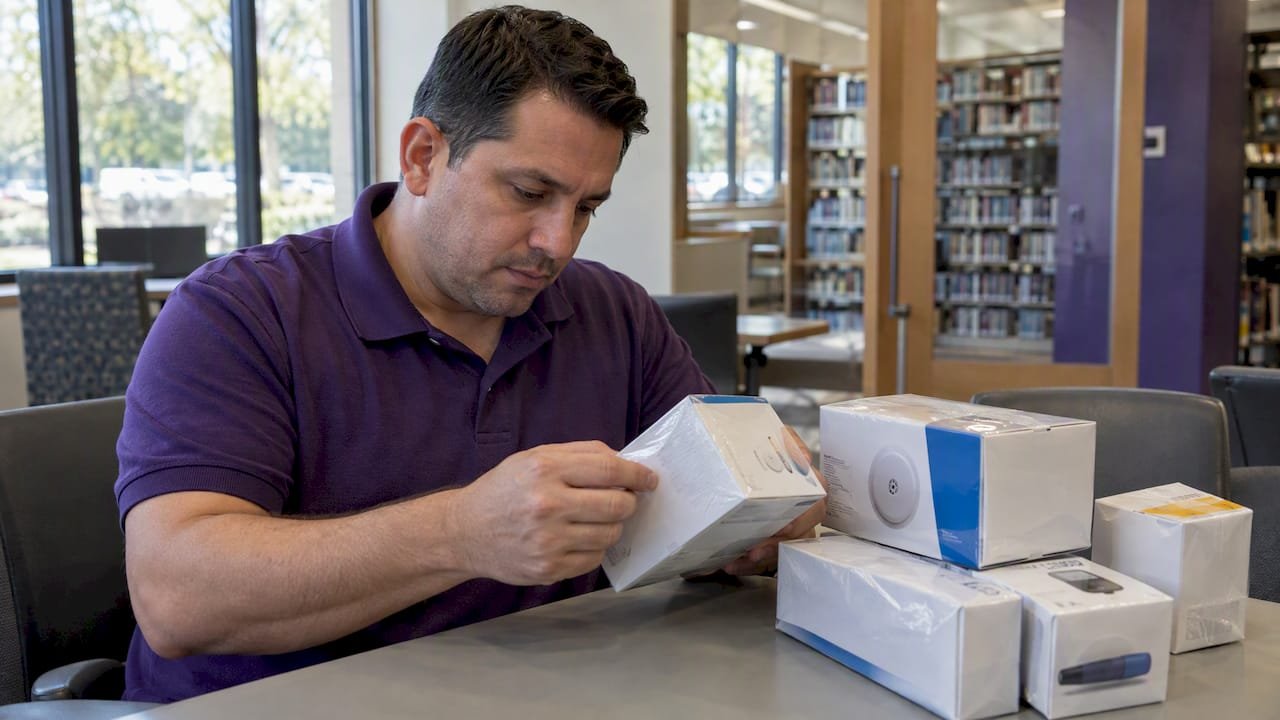
A diabetic supply inspection is a short, in-person check of your unused supplies. The buyer looks at the product type, brand, factory seal, damage, expiration date and identifying numbers. Then they tell you which items qualify and what they will pay. It is a review of the items. It is not a medical test, and it says nothing about your health.
If you have extra sensors, pods or strips in the Orlando area, this guide shows you what happens at the meetup, how to check a factory seal yourself, and how to get your supplies ready so the inspection goes fast.
TL;DR
- An inspection checks the item, not you: product, compatibility, seal, damage, expiration and storage.
- Bring supplies in original, unopened packaging with the outer boxes and labels still on.
- Open, damaged, expired, recalled or heat-exposed items may be declined.
- Group items by product before you arrive. It makes the check quicker.
- Keep anything you need for your own care. Only sell true extras.
Table of Contents
- What happens during an inspection
- How to check a factory seal
- Checking sealed boxes: what makes an item eligible
- Expiration dates and value
- What to bring to an Orlando inspection
- In-person inspection versus mailing supplies
- A note on legality and where your supplies came from
- An inspection is not a medical test
- Our perspective
- Selling to us: what we pay
- Traveling with supplies you plan to sell
- Seven mistakes that cost sellers money
- FAQ
- Sources
What happens during an inspection
An inspection at a local meetup usually takes a few minutes. It follows the same order every time.
- Identify the product. Brand, model and type. A Dexcom G7 sensor is not a G6 sensor, and a Libre 2 is not a Libre 3. The exact model decides eligibility and price.
- Look at the packaging. The box should be sealed and undamaged. No tears, crushed corners, water marks or stickers covering the original seal.
- Read the expiration date. It has to be printed and readable, and it has to still be in the future.
- Check lot or serial information. The buyer notes it so the product can be traced.
- Ask about storage. Where were these kept? Heat, freezing and moisture can all affect supplies.
- Give you an answer. Items that pass are paid for. Items that do not pass are returned to you with a reason.
For test strips, the FDA advises checking that the strips work with your meter, avoiding cracked or damaged bottles, and not using expired strips. A buyer’s checks follow the same logic. If a box fails those basics, it is not a good candidate for purchase.
The FDA also points out that pre-owned strips are hard to trust, because you cannot know how they were stored or whether they have expired. That is the reason inspection matters, and the reason buyers want sealed, traceable items.
How to check a factory seal
You can do this at home before you ever contact a buyer. It takes about a minute per box.
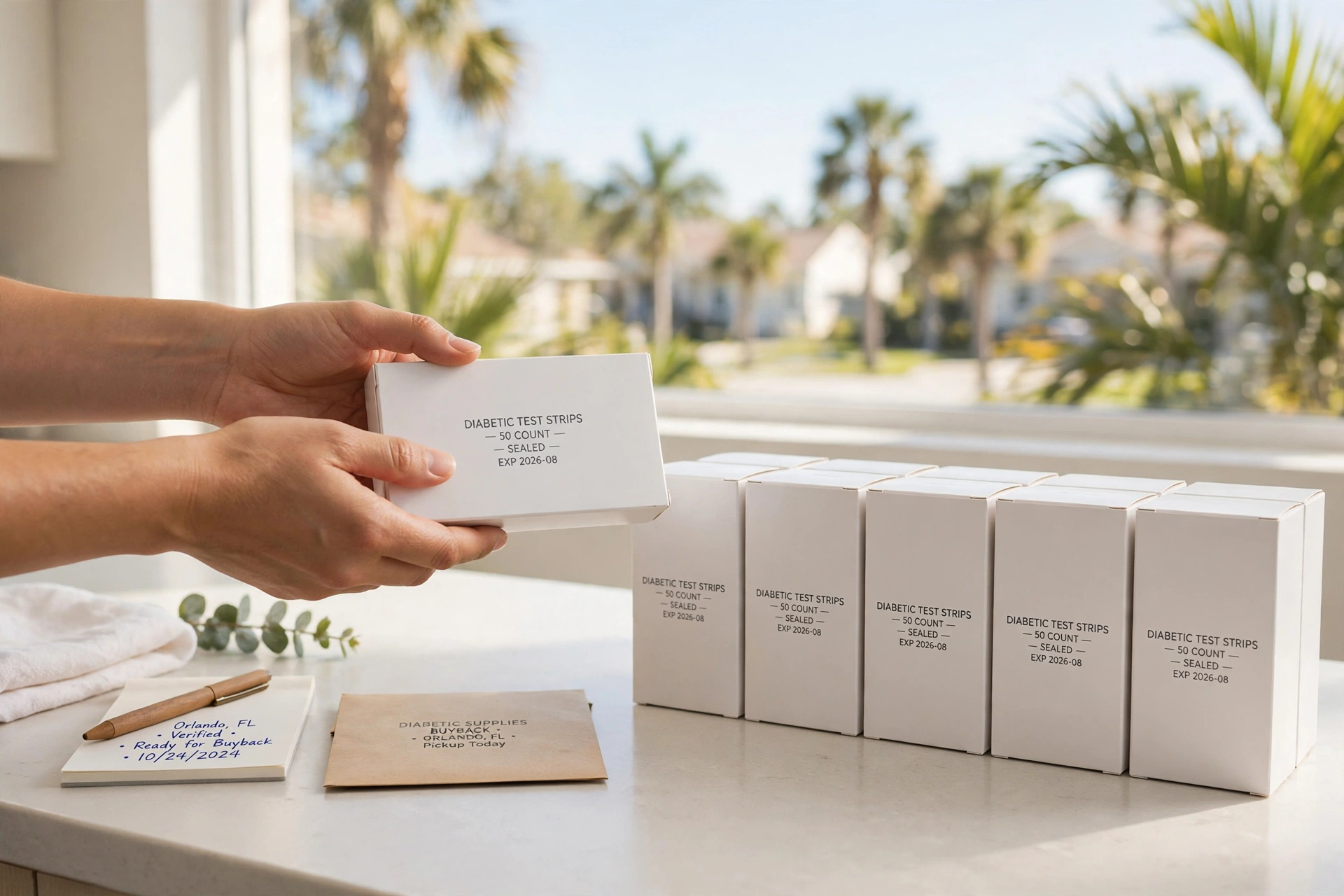
- Look at the outer box. Shrink wrap, a tamper strip or a printed seal should be intact. If the wrap is cut or re-taped, the box counts as opened.
- Check every edge. Flaps that do not sit flat or glue that looks reapplied are warning signs.
- Do not open it to check. Once you open a box to look inside, you cannot reseal it. The inspection is designed so nobody needs to open anything.
- Find the date. It is usually printed on the box and on the inner packaging. Read the format carefully, since some products show year-month-day and others show month-year.
- Compare the label to the contents you think you have. Check the model name, strength or pack size on the box, not from memory.
- Look for dents, stains and crushed corners. Cosmetic damage may still be acceptable. Damage that suggests water, heat or a past opening is not.
If a box is sealed but the sticker is peeling, still bring it. Ask. A buyer can often tell the difference between ordinary shelf wear and tampering.
Checking sealed boxes: what makes an item eligible
Here is a quick reference for what usually passes and what usually does not.
| Check | Usually accepted | Usually declined |
|---|---|---|
| Seal | Factory seal intact | Opened, resealed or taped |
| Packaging | Clean, flat, original box | Crushed, wet or stained |
| Expiration | Readable and in the future | Past date or unreadable |
| Model | Exact model on the box | Mixed, unlabeled or loose items |
| Storage | Room-temperature, dry home storage | Hot car, freezing, humidity |
| Source | Your own prescription supplies | Items from programs that bar resale |
A buyer is not being picky when they decline a box. Supplies that look fine can still be affected by how they were stored. Product labels give storage limits, and those limits differ by product. One FDA review of a glucose system describes a 24-month shelf life at 33 to 86°F and 10 to 90% relative humidity, plus a 180-day open-vial stability for that specific system. Those numbers belong to that product only. Do not apply them to Dexcom, FreeStyle Libre, Omnipod or any other item. Read the label on your own box.
Expiration dates and value
The expiration date is the first thing most buyers read, and it affects what an item is worth. Longer dates mean more room for resale. Short dates can lower the offer or rule an item out. We explain the pattern in how test strip expiration affects value.
A practical tip: check your dates today, not on the day you decide to sell. A box that is fine in March may be too close to its date by summer.
What to bring to an Orlando inspection
Keep the list short and simple.
- Supplies in original, sealed packaging
- Outer boxes and any labels that show the exact model
- Visible expiration dates and lot information
- A valid photo ID (see which ID to bring)
- Items sorted by product: sensors together, pods together, strips together
Do not bring:
- Opened or partly used boxes
- Anything contaminated, recalled or damaged
- Supplies you still need for your own treatment
- Used equipment mixed in with unused items
Grouping by product and keeping packaging intact makes the check faster. It also makes the offer easier to explain.
Keep unused supplies separate from used equipment
Public health guidance treats contamination as a process issue. A West Virginia point-of-care testing audit tool lists hand hygiene, single-patient fingerstick devices, meter disinfection and storage that prevents recontamination as separate checks. At home, the simple version is this: store unused supplies in their own bin or drawer, away from meters, lancets and anything you have handled. If you want to see how a medical practice thinks about this, read about infection control habits in a clinic setting.
Store supplies well until the meetup
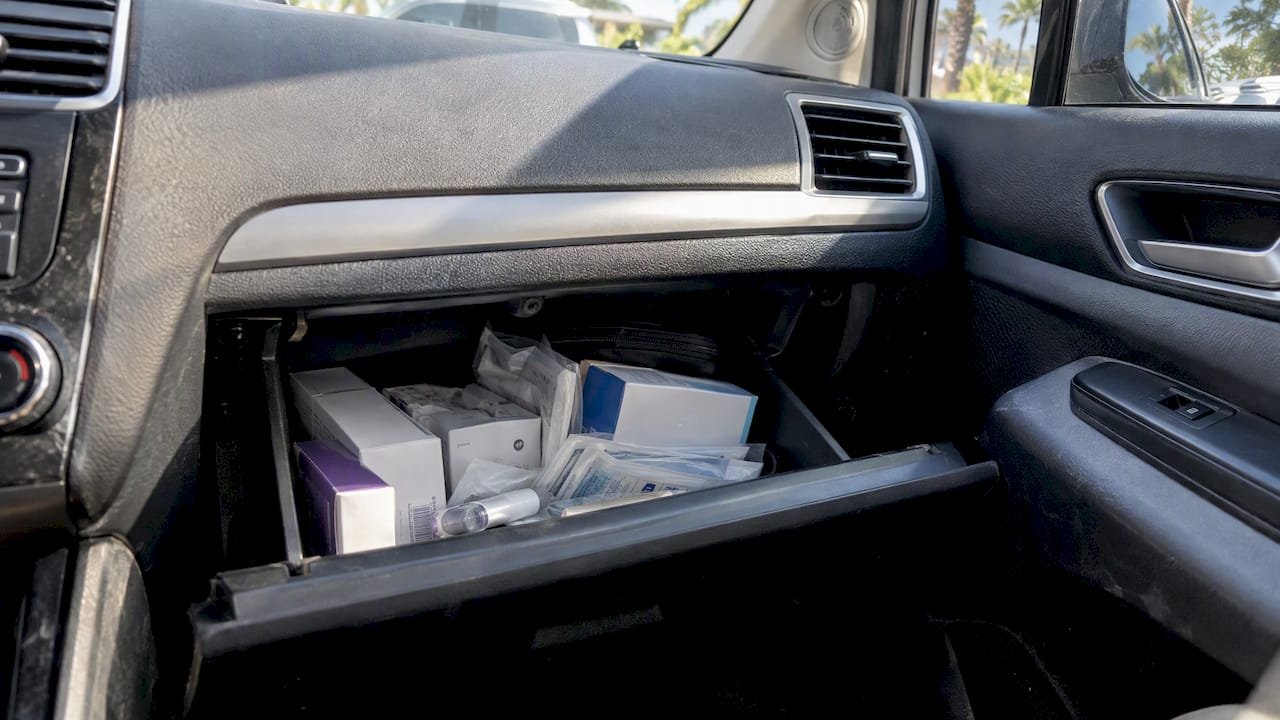
A box can look brand new and still have a poor storage history. Keep supplies in the original packaging. Avoid heat, freezing, moisture and long stretches in a parked car. Florida summers make this a real concern. A glove box in Orlando in July is not a safe shelf.
In-person inspection versus mailing supplies
Some buyers ask you to ship supplies and wait for a review. Others meet you. Here is how they compare.
| Local in-person meetup | Mail-in | |
|---|---|---|
| When you learn the result | While you are there | After the package arrives |
| Payment | On the spot for eligible items | After the review |
| If an item is declined | It goes back in your hands | Return depends on the buyer’s terms |
| Shipping risk | None | Heat, loss, damage in transit |
| Questions | Answered face to face | By email or phone |
Shipping also puts heat-sensitive products in trucks and warehouses for days. A same-day meetup avoids that. You see the inspection, you see the decision, and you leave with your items or your cash.
A note on legality and where your supplies came from
Inspection is also about source. Medicare and Medicaid rules limit what can be resold, and a legitimate buyer will ask where supplies came from. This is not an accusation. It is part of doing business correctly.
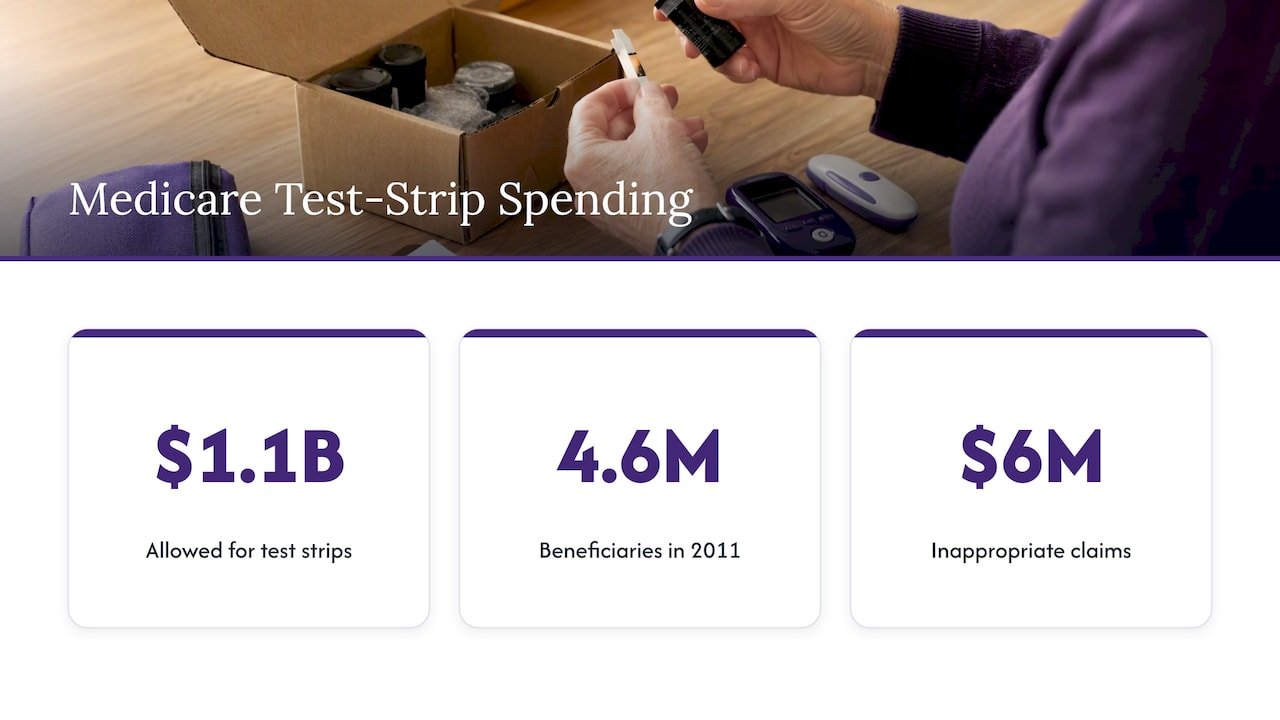
The broader reason is public record. A 2013 HHS Office of Inspector General report found Medicare allowed about $1.1 billion for diabetes test strips for 4.6 million beneficiaries in 2011, including $6 million in inappropriate claims. The findings concern Medicare billing and do not say anything about an individual seller. They do explain why reputable buyers document product identity, condition and source.
For the details on rules in Florida, see our page on Medicare test strip resale rules and our guide to selling test strips safely. If you are unsure about your own coverage, check with your insurer or pharmacist before you sell.
An inspection is not a medical test
This point deserves its own heading. A supply inspection checks boxes. It does not check blood sugar, and it does not tell anyone whether you have diabetes.
The CDC says a blood glucose test is the best way to determine diabetes risk and that confirmatory testing belongs with a primary care provider. Diagnosis and interpretation are for a health professional. If you are worried about your blood sugar, call your doctor or a pharmacist. Do not use a buyback meetup for that.
Also, never change your treatment or throw away supplies you need because of an inspection. If your doctor has just switched your device, ask whether you should keep a backup of the old supplies before you sell them.
Our perspective
We see the same thing again and again in Orlando. A person switches from one CGM to another, or their prescription changes, or their insurer ships more than they use. They end up with sealed boxes in a closet and no clear idea of what to do with them.
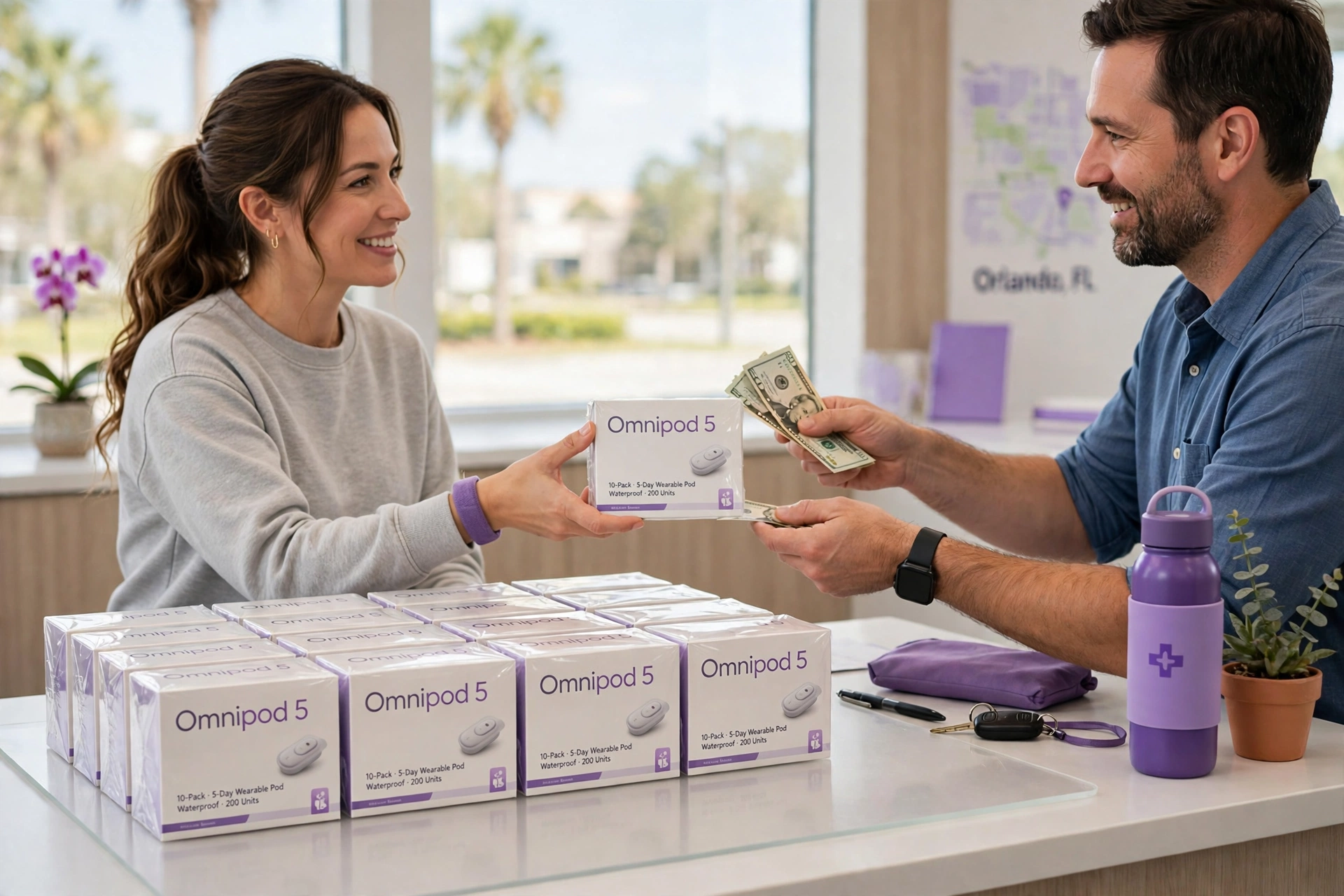
We built our buyback around a simple idea: you should know the result of the check before anything else happens. That is why we meet locally, in safe public places, and inspect in person. You can watch us look at the seal, the date and the model. If something does not qualify, we say why and you keep it. If it does, you are paid right there.
We also think sellers should expect questions. Where did the supplies come from? Were they stored well? Are they still sealed? Those questions protect the next person who uses the product. A buyer who skips them is not doing you a favor.
Our advice is practical. Check dates early. Keep boxes sealed. Store them indoors. Sort them before you come. That is nearly all you need to do.
— Liliana
Selling to us: what we pay
We buy unused, sealed and unexpired supplies in Orlando and surrounding areas, with in-person inspection and on-the-spot payment for eligible items. Published prices for two common products:
- Dexcom G7: 70-90 USD per pack
- FreeStyle Libre 2: 15-20 USD per sensor
We also buy other CGMs, Omnipod pods and major-brand test strips, but we do not publish a price for those. The final offer depends on the inspection. To see how it works from start to finish, read how to get cash for unused diabetic supplies, or go straight to our Orlando buyback page to get started.
Traveling with supplies you plan to sell
If you are moving or traveling before your meetup, keep supplies with you. TSA allows insulin pumps, glucose monitors and related supplies in carry-on or checked bags, with special instructions. Tell the officer about any attached devices and supplies before screening. TSA recommends carry-on handling for devices with lithium batteries, and the officer makes the final decision at the checkpoint. Carry-on storage also keeps supplies out of cargo-hold temperatures.
Seven mistakes that cost sellers money
- Opening a box to “check” it
- Leaving supplies in a hot car
- Mixing models in one bag
- Throwing away outer boxes
- Waiting until the date is almost up
- Selling supplies you still need
- Assuming an insurer’s shipment is always yours to resell, without checking coverage rules
FAQ
Does the inspection take long?
Usually only a few minutes. It goes faster when items are sorted by product and the original boxes are intact. Bring everything in one bag and have your ID ready.
Can I sell a box that has been opened?
Generally no. Open, resealed or partly used boxes may be declined, because nobody can verify the contents or how they were stored. The FDA notes that storage history is hard to confirm for pre-owned strips.
What if my box has a damaged corner but the seal is fine?
Bring it and ask. Minor cosmetic wear can be acceptable. Water damage, tears across the seal or signs of heat exposure usually are not.
Does the inspection tell me anything about my health?
No. It only reviews the supplies. For a blood glucose test or questions about diabetes, see a primary care provider, as the CDC recommends.
Do I get paid during the meetup?
For eligible items, yes. We pay on the spot after inspection. Items that do not qualify are handed back to you.
Sources
- How to Safely Use Glucose Meters and Test Strips for Diabetes, FDA
- 510(k) Decision Memorandum K182552, FDA
- Point of Care Testing audit tool, West Virginia Office of Epidemiology and Prevention Services
- Inappropriate and Questionable Medicare Billing for Diabetes Test Strips, HHS OIG
- Diabetes Testing, CDC
- Insulin Pumps and Glucose Monitors, TSA