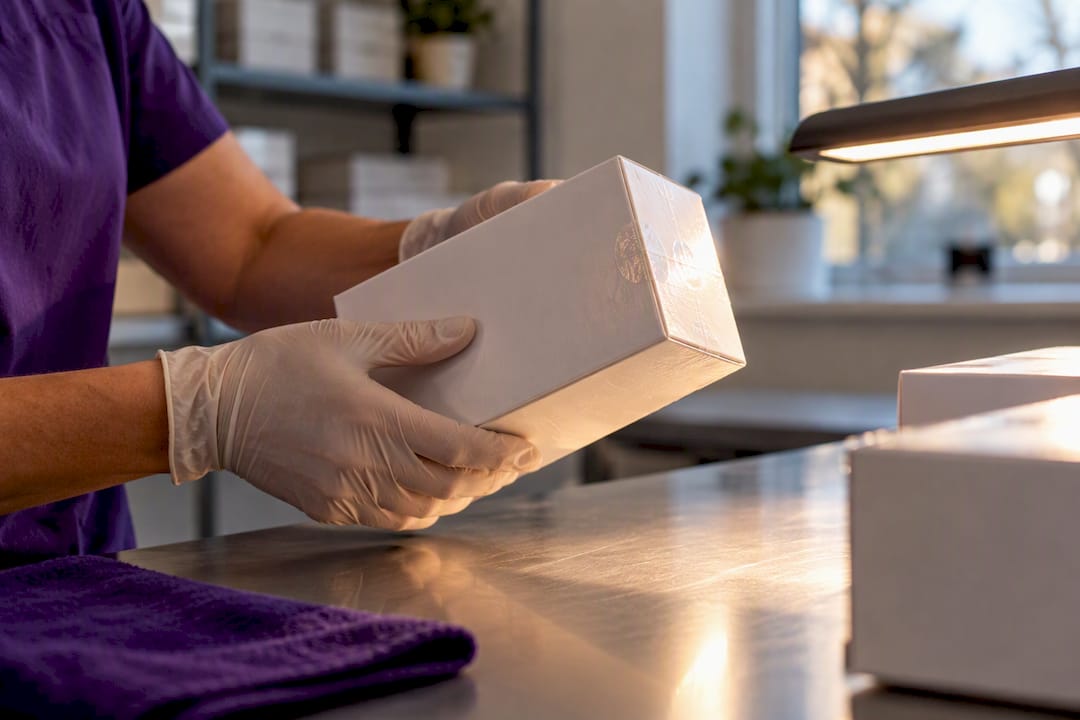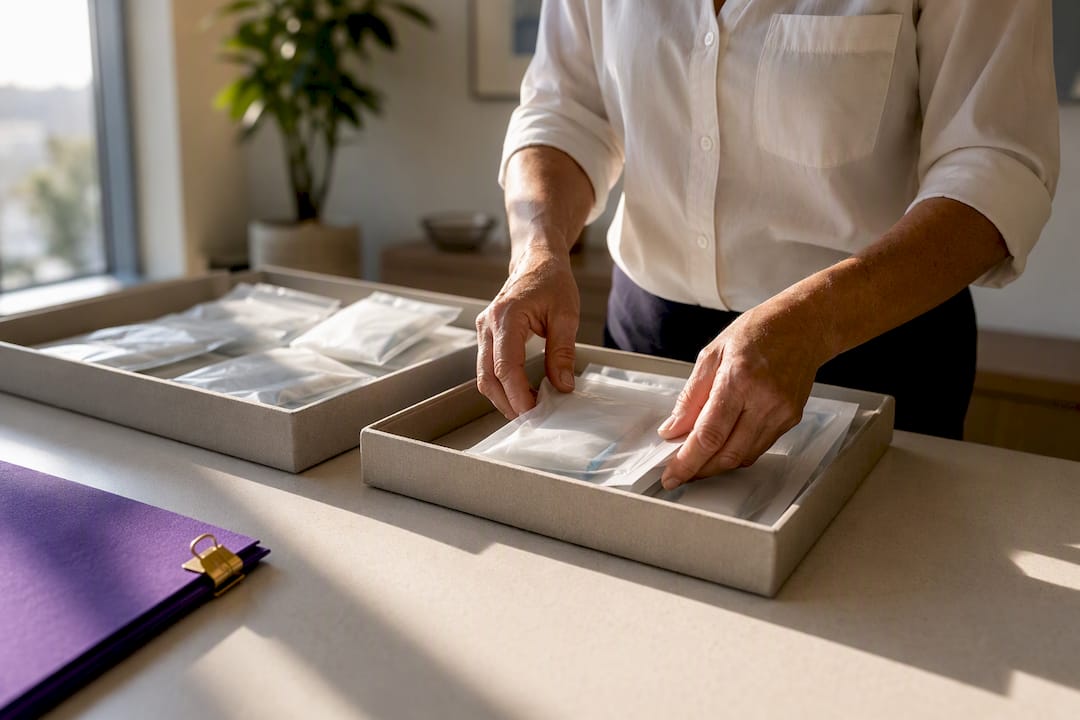
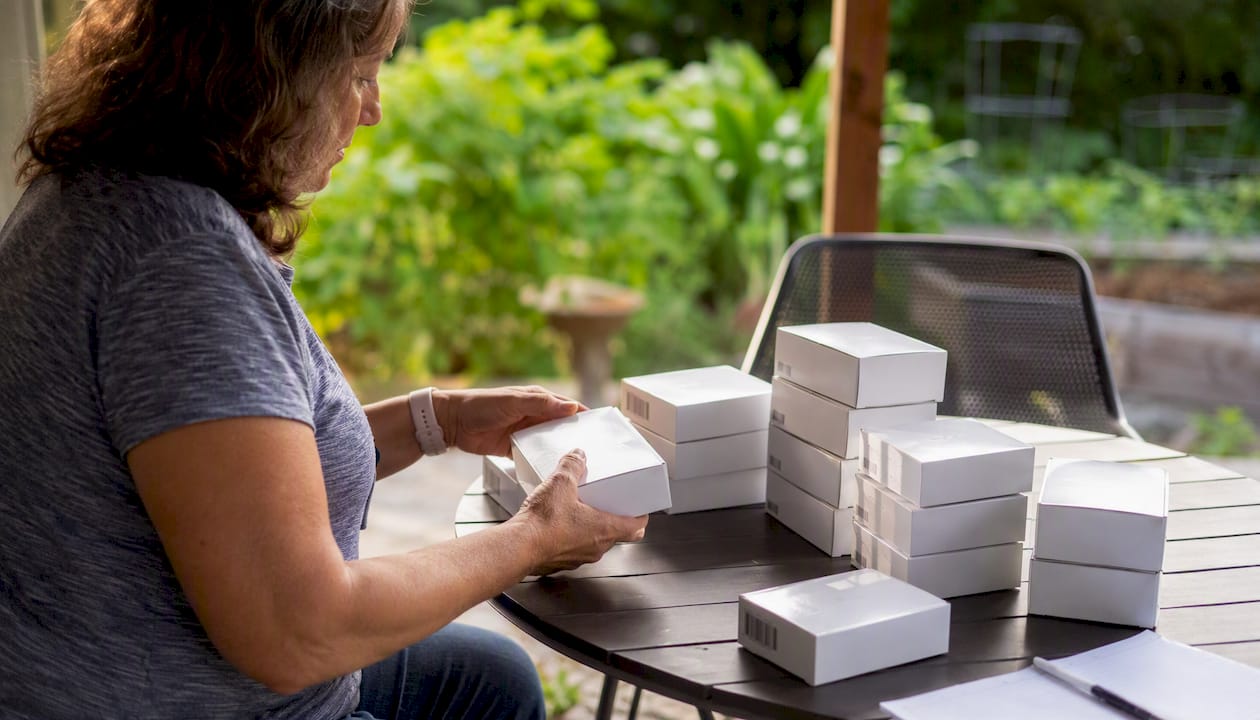
When your insurance plan changes or you switch to a new CGM device, sealed boxes of sensors, pods, and test strips for your old device often become unusable overnight. The fastest first step: photograph every sealed box, note the expiration dates, and contact a local buyback service for a same-day quote. You can turn that surplus into cash today.
The three most common items left behind after an insurer or device switch:
- Dexcom G6 or G7 sensors — sealed boxes that no longer match your new plan’s covered device
- FreeStyle Libre sensors — unopened packs made redundant by a formulary change
- Sealed test-strip boxes — major-brand strips left over when a meter switch or CGM upgrade cuts your testing frequency
All three remain sellable as long as they are sealed and unexpired. The American Diabetes Association and Beyond Type 1 both document how formulary shifts and insurer-device relationships drive these switches, leaving patients with supplies they paid for but can no longer use.
Key Takeaways
Switching insurers or devices creates sealed surplus because formularies change annually, DME and pharmacy billing channels operate separately, and auto-refill programs ship 90-day supplies regardless of prescription changes.
| Point | Details |
|---|---|
| Why surplus happens | Formulary shifts, DME vs. pharmacy billing gaps, and 90-day auto-refills leave sealed items stranded after a switch. |
| When selling is acceptable | Sealed, unexpired, undamaged items with PHI redacted are generally acceptable for private-market sale. |
| Best expiry window | Items with 9+ months remaining earn the strongest offers; under 3 months is typically declined. |
| Fastest safe route | Local same-day buyback offers in-person inspection and on-the-spot payment with no shipping delay. |
| Orlando Diabetic Supplies Buyback | Accepts Dexcom G6/G7, FreeStyle Libre, Omnipod, and sealed test strips for same-day cash in Orlando and surrounding areas. |
Table of Contents
- Why does switching insurers leave you with sealed spare supplies?
- Is it legal and safe to sell sealed, unexpired diabetic supplies?
- What should you do right now before selling or donating supplies?
- What are the fastest ways to turn sealed surplus supplies into cash?
- What affects your payout and how much can you realistically expect?
- How do you prepare for a smooth same-day in-person sale?
- What scams and red flags should you watch for when selling supplies?
- A note on why we buy unused supplies and how we protect sellers
- Get same-day cash for your sealed supplies with Orlando Diabetic Supplies Buyback
- Sources
Why does switching insurers leave you with sealed spare supplies?
Formularies are the lists insurers use to decide which drugs and devices they cover, and they change every year. When your plan drops a preferred CGM brand or moves it to a higher cost tier, you face a choice: pay full price or switch to the covered device. Most people switch. That decision instantly makes every sealed box of the old sensor a surplus item.
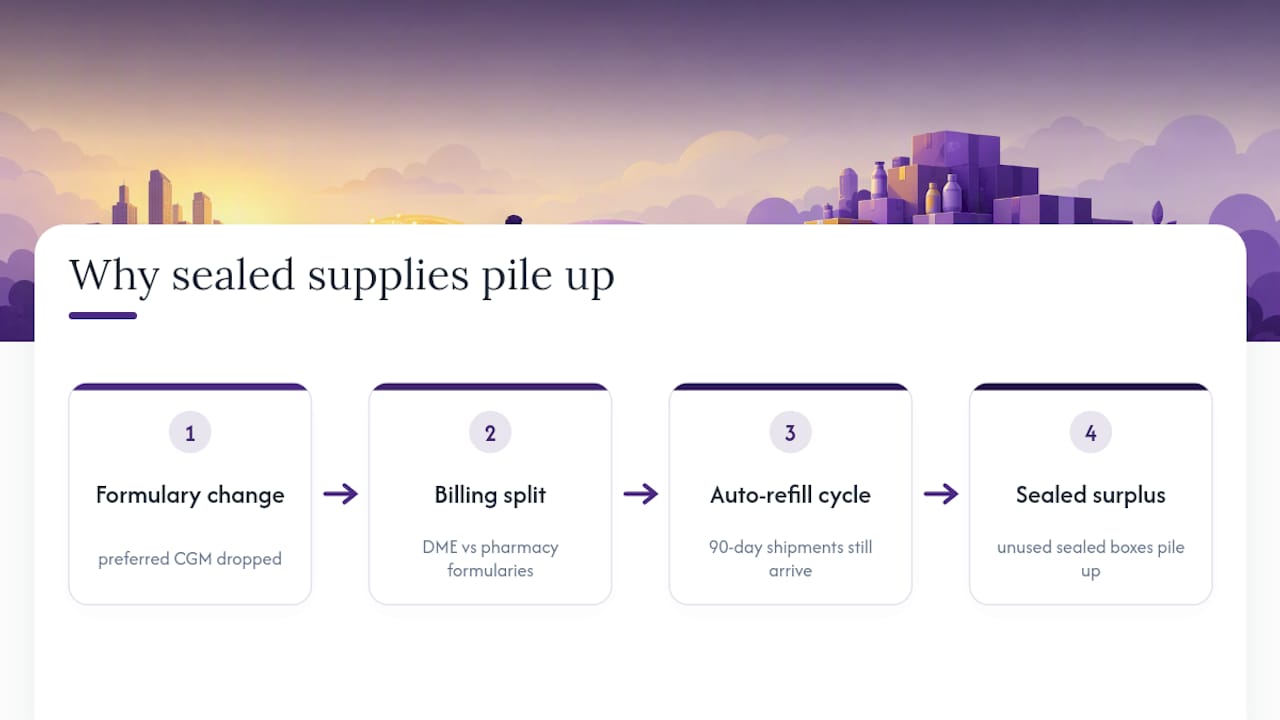
The billing channel adds another layer. CGM sensors and pump supplies often fall under durable medical equipment (DME) benefits rather than pharmacy benefits, and those two channels have separate formularies and preferred-provider lists. Beyond Type 1 explains that a plan can cover a sensor under pharmacy but not DME, or vice versa, so a coverage change in one channel can leave supplies from the other channel stranded.
Auto-refill programs make the pile bigger. Mail-order pharmacies routinely ship 90-day supplies on a fixed schedule. If your prescription changes mid-cycle, the next shipment still arrives. Upgrading from a fingerstick meter to a CGM cuts your strip usage sharply, but the auto-refill doesn’t know that. The result can be overlapping boxes, all sealed, all paid for, none usable for your current routine.
A quick example: a person switches from Dexcom G6 to FreeStyle Libre 3 because their new employer plan only covers Abbott sensors. They have two sealed boxes of G6 sensors with eight months of shelf life remaining. Those boxes are worth real money to a buyback service. Industry reporting frames this as a structural problem the healthcare system has no built-in mechanism to solve, which is exactly why the buyback market exists.
Is it legal and safe to sell sealed, unexpired diabetic supplies?
Yes, selling sealed, unexpired diabetic supplies to a private buyer is generally legal and accepted in the United States. The key conditions are straightforward: the items must be sealed in original packaging, unexpired, undamaged, and free of any personally identifiable information on the outer label.
What buyers will not accept, and what you should not attempt to sell:
- Opened or partially used boxes
- Expired items (most buyers decline anything under three months of shelf life)
- Items with a prescription label showing your name and address that has not been removed or redacted
- Damaged packaging where the seal integrity is in question
Buyers inspect for these issues because they affect both safety and resale eligibility. Caregivers managing care transitions face the same rules: Metapress notes that donation programs exist but are inconsistent, making private buyback a more reliable route when items meet condition standards.
Pro Tip: Before meeting a buyer or shipping anything, use a black marker or label to cover your name, address, and prescription number on the box. This protects your privacy and speeds up the buyer’s inspection.
Check your payer agreement if supplies were covered under a government program. Medicaid-funded supplies, for example, carry different resale rules than privately insured items. When in doubt, confirm with your plan before selling.
What should you do right now before selling or donating supplies?
Do these five things before contacting any buyer. They take under 30 minutes and directly affect your payout.
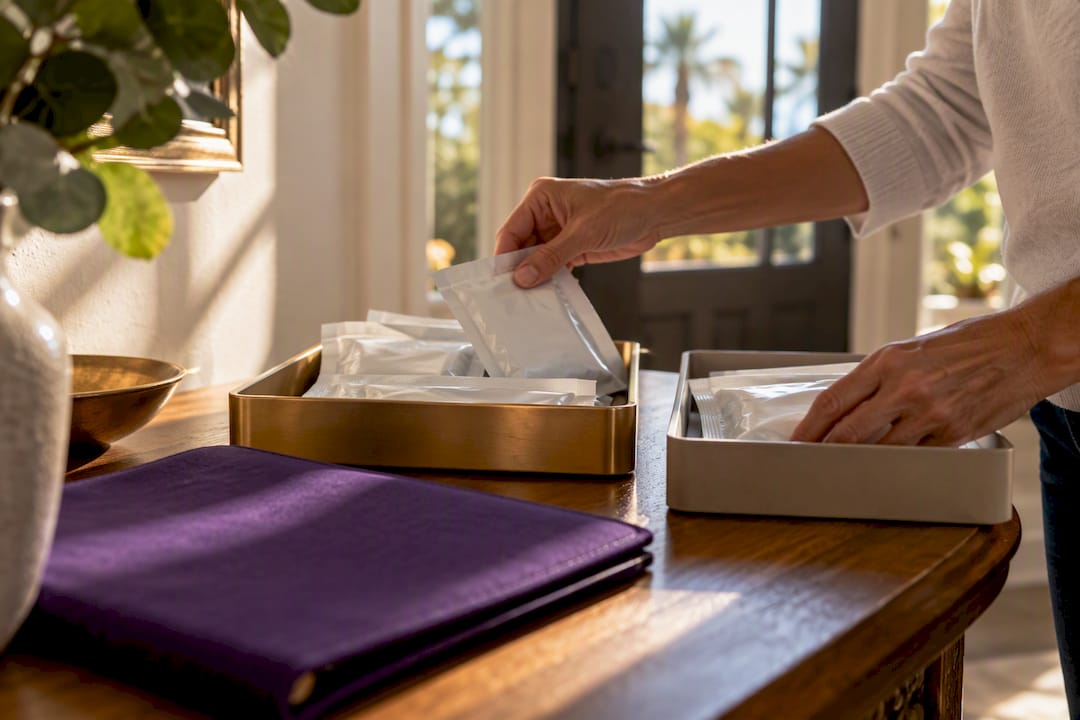
- Count and list every box. Note the brand, model, and quantity. A supply inventory makes the process faster and reduces back-and-forth with buyers.
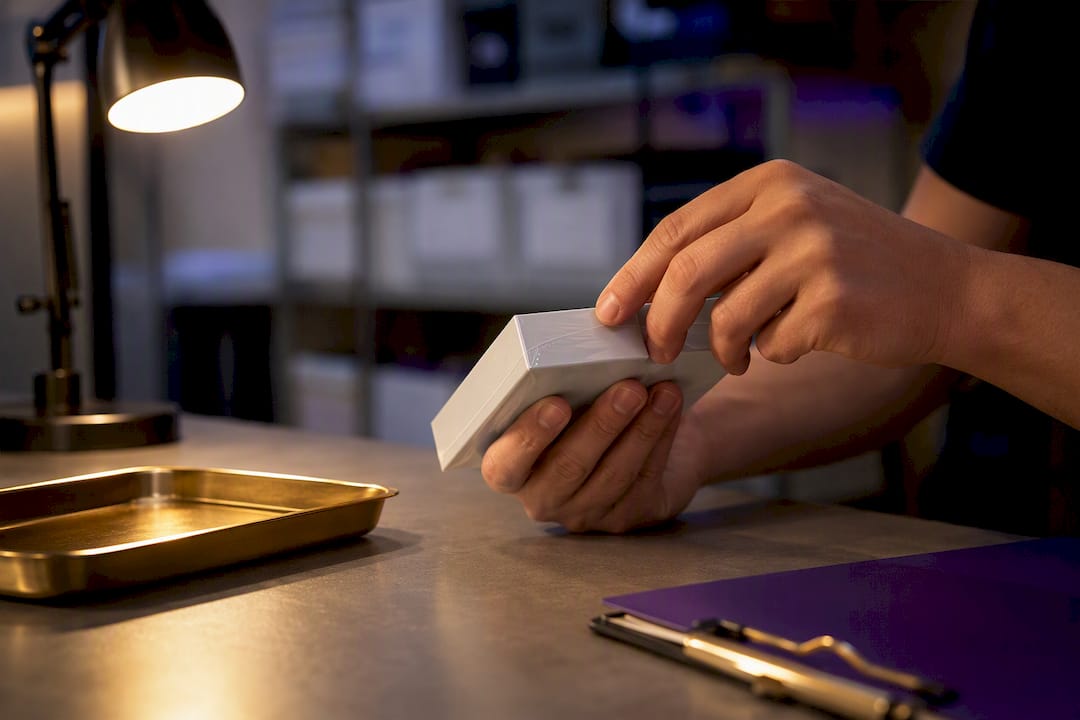
- Photograph the seals and expiration dates. Clear photos of the sealed edge and the “use by” date are the first thing buyers request.
- Confirm expiration windows. Items with about nine months or more remaining typically receive the best offers. Items with about three to eight months remaining may receive a reduced offer, and under about three months is often declined outright.
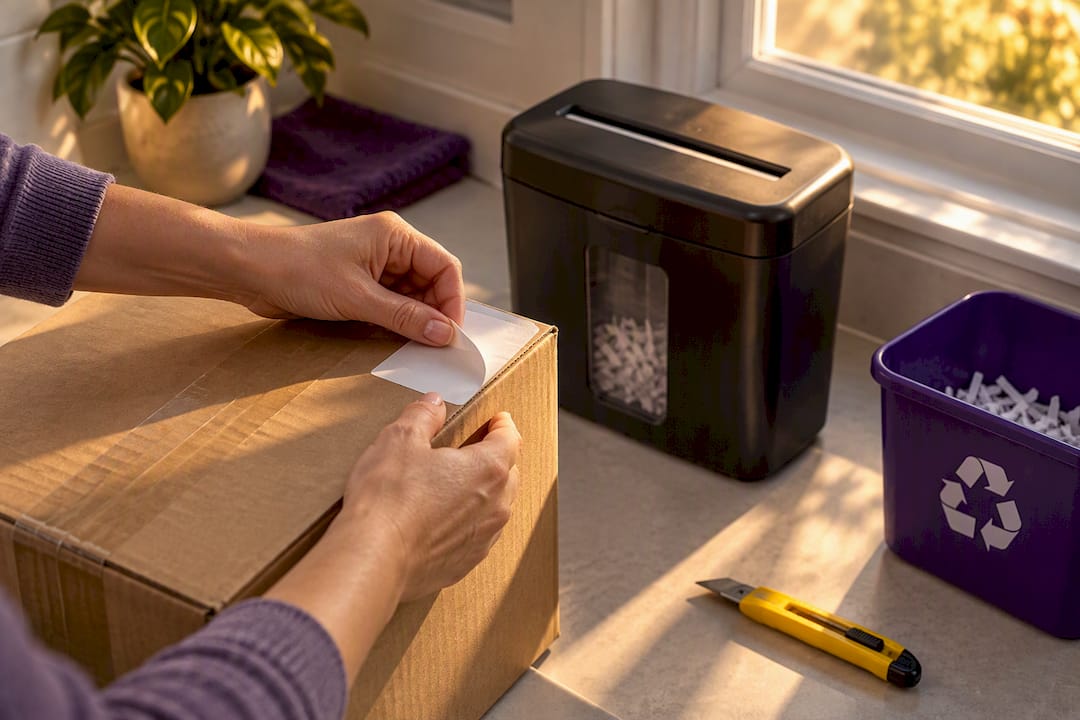
- Redact personal health information. Cover your name, address, and Rx number on every box before any photos are shared.
- Keep one bridge supply. Hold back enough for a week or two until your new supplies are confirmed and in hand.
Pro Tip: Lot numbers and serial numbers on sensor boxes matter to some buyers for traceability. Note them during your inventory — it signals you’re a careful seller and can speed approval.
What are the fastest ways to turn sealed surplus supplies into cash?
Local same-day buyback is the fastest option. National ship-to-sell services, online marketplaces, and donation programs are also available, each with different speed and risk profiles.
Key trade-offs to know:
- Local same-day buyback means you walk in, items are inspected on the spot, and you leave with cash. No shipping, no waiting.
- National ship-to-sell services are convenient if you’re not near a local buyer, but payment depends on the shipment arriving and passing inspection, which adds days.
- Online marketplaces can yield higher per-unit prices but require you to vet buyers individually, and overpayment scams are a documented risk in this category.
- Donation is a good community outcome but produces no cash. Regional inconsistency means your local program may not accept CGM sensors or Omnipod pods at all.
Orlando Diabetic Supplies Buyback offers same-day cash for unused diabetic supplies in Orlando and surrounding areas, accepting Dexcom G6, Dexcom G7, FreeStyle Libre, Omnipod pods, and sealed major-brand test strips.
What affects your payout and how much can you realistically expect?
Brand, expiration window, and sealed condition are the three biggest factors. High-demand sensors like Dexcom G7 and FreeStyle Libre command stronger offers than older or discontinued models. Major-brand test strips (OneTouch, Accu-Chek, Contour) sell faster than store-brand equivalents.
Factors that move the offer up or down:
- Expiration remaining: 9+ months typically earns the best rate; 3–8 months earns less; under 3 months is usually declined
- Sealed condition: Any sign of tampering reduces or eliminates the offer
- Box integrity: Crushed corners or water damage affect payout even if the seal is intact
- Lot numbers present: Traceable batches are preferred by buyers who resell through regulated channels
- Market demand: Rising prescription and device transition volumes have increased buyer demand for CGM sensors specifically
Pro Tip: Bundle similar items together when you contact a buyer. A single lot of matching brand and model sensors is easier to price and often earns a better per-unit offer than a mixed assortment.
Payout amounts vary by buyer and market conditions. Expect offers to reflect current resale demand, not retail price. The gap between what you paid (often covered by insurance) and what you receive is still real money for items that would otherwise expire unused.
How do you prepare for a smooth same-day in-person sale?
Follow these steps in order and you’ll walk out with cash the same day.
- Call ahead and confirm accepted items. Verify the buyer accepts your specific brand and model before you drive over.
- Send photos first. Most local buyers will give you a preliminary offer based on photos of the sealed boxes and expiration dates.
- Bring a valid ID. Reputable buyers record seller identification as part of their process.
- Arrive with items in original, sealed packaging. Do not open boxes to show the buyer the contents.
- Redact PHI before you leave home. Cover your name and prescription details on every box.
- Bring proof of purchase if you have it. A receipt or insurance EOB is not always required but can support your offer.
- Agree on payment method before the visit. Cash or electronic transfer (Zelle, Venmo) are standard. Confirm which the buyer uses.
Orlando Diabetic Supplies Buyback handles in-person inspection on the spot, so the process from arrival to payment is typically completed in one visit. Keep a copy of your receipt for your records.
What scams and red flags should you watch for when selling supplies?
The most common red flags: a buyer who asks you to ship before payment clears, offers that are significantly above market rate, requests for opened or damaged items, and any buyer who refuses to meet in person or show identification.
Watch for these specific warning signs:
- Ship-first, pay-later requests — a legitimate buyer pays before or at the moment of transfer, not after
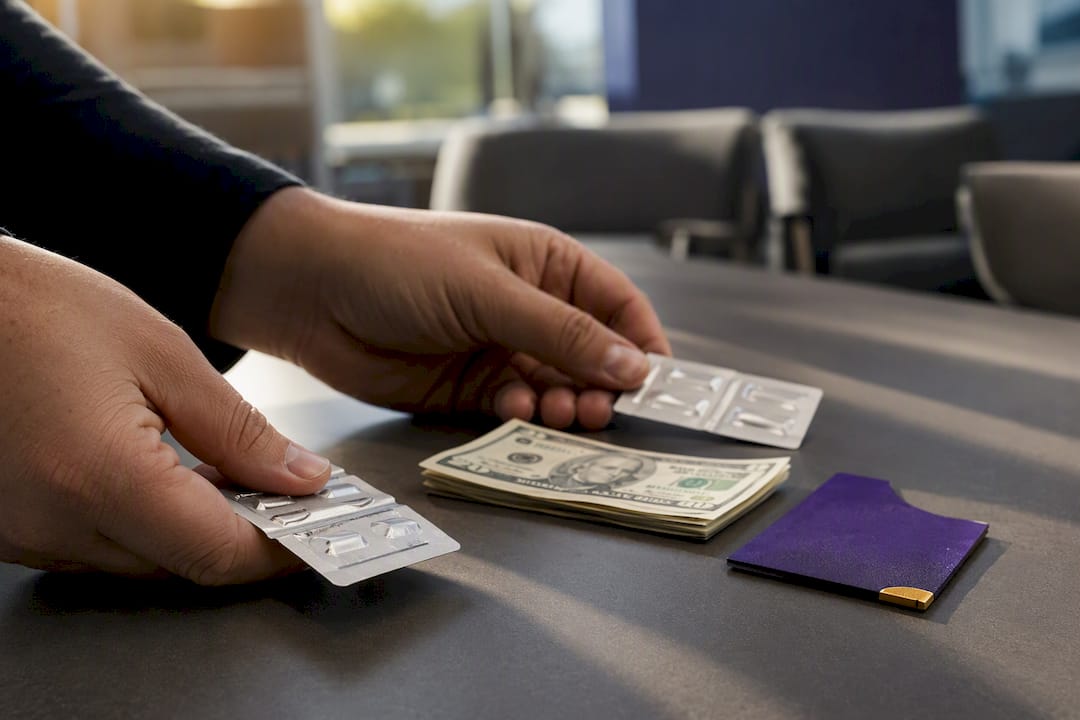
- Overpayment scams — buyer sends a check for more than agreed and asks you to return the difference; the original check bounces
- Requests for prescription-labeled items — a buyer who specifically wants items with your name on them is a privacy risk
- No verifiable identity — refuse any transaction where the buyer won’t confirm who they are
Keep a dispute record: save photos of every box before it leaves your hands, screenshot all messages, and retain payment confirmation. If something goes wrong, this documentation is your evidence.
A note on why we buy unused supplies and how we protect sellers
At Orlando Diabetic Supplies Buyback, we buy sealed, unexpired diabetic supplies because we know how the system works: formularies shift, devices get upgraded, and auto-refills don’t stop just because your prescription changed. The result is real money sitting in boxes you can’t use. We inspect every item in person, price fairly based on brand and expiration, and pay the same day. Your privacy matters to us, so we verify PHI redaction before any transaction is completed and never share seller information.
Get same-day cash for your sealed supplies with Orlando Diabetic Supplies Buyback
Sealed, unexpired supplies sitting in a drawer are money you’ve already paid for. Orlando Diabetic Supplies Buyback turns them into same-day cash for sellers in Orlando and surrounding areas, with no shipping, no waiting, and no guesswork about what’s accepted.
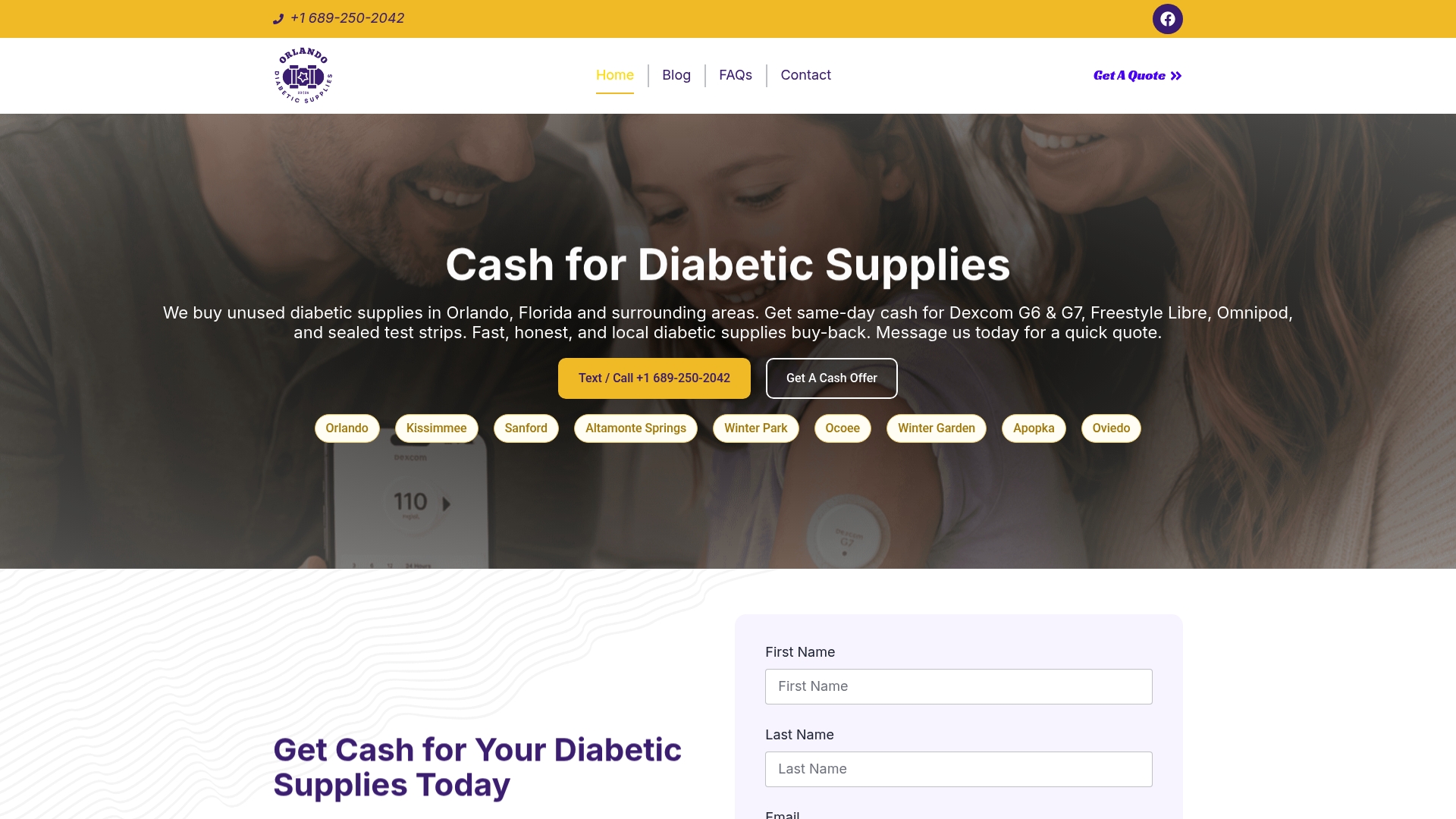
Commonly accepted items include Dexcom G6 sensors, Dexcom G7 sensors, FreeStyle Libre sensors, Omnipod pods, and sealed major-brand test strips. Items must be sealed, undamaged, and unexpired. Boxes with 9 or more months remaining typically receive the strongest offers.
Getting started takes three steps: send photos of your sealed boxes with expiration dates visible, get a preliminary offer, then bring items in for on-the-spot inspection and payment. Visit the how to get cash for unused diabetic supplies page to see the full process, or check selling Dexcom G7 sensors if you’re holding G7 stock specifically. If you’re local and ready to sell, reach out today to schedule your in-person inspection.
This article is general information, not a substitute for advice from a qualified doctor. Consult a qualified healthcare professional about your own circumstances before acting on anything here.
Sources
For formulary and coverage questions, start with the primary advocacy organizations. For practical selling steps, the brand’s own guides cover preparation and eligibility in detail.
- American Diabetes Association — Insurance and medication switching for diabetes
- Beyond Type 1 — Insurance 101
- TechBullion — How the diabetic supply buyback market is solving a $5 billion healthcare waste problem
- Metapress — Too many diabetic supplies? Here’s what smart caregivers do
- SelfGrowth — Where extra diabetic supplies come from: common reasons behind surplus