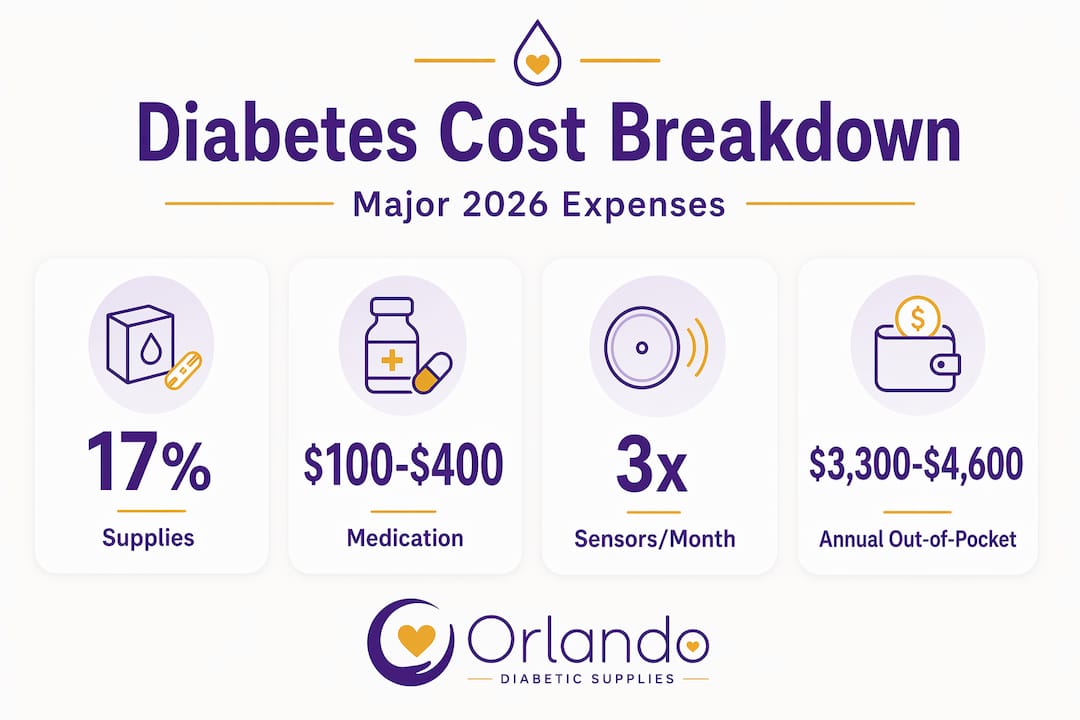
Managing diabetes is a full-time job, and the bills prove it. If you’re trying to budget better with diabetes supplies, you’re not alone. Annual diabetes costs average around $19,736 per year in the U.S., with many patients paying between $3,300 and $4,600 out of pocket for medications, doctor visits, and supplies alone. That’s a serious financial burden on top of everything else you’re managing. This guide gives you real, specific strategies to manage diabetes expenses without cutting corners on your health.
Table of Contents
- Key takeaways
- How to budget better with diabetes supplies
- Practical ways to reduce diabetes supply costs
- Optimizing how you use your supplies
- Community resources and financial tools
- Tracking and adjusting your budget over time
- My take on budgeting for diabetes supplies
- Turn unused supplies into cash with Cashfordiabeticsuppliesorlando
- FAQ
Key takeaways
| Point | Details |
|---|---|
| Know your full costs | Track every recurring and hidden expense before building a budget for diabetes care. |
| Use manufacturer programs | Insulin caps at $35/month and GLP-1 programs can dramatically reduce medication costs. |
| Stay in-network | Choosing in-network suppliers lowers out-of-pocket costs through pre-negotiated rates. |
| Use HSAs and FSAs | Pre-tax accounts reduce the net cost of diabetes supplies and medications. |
| Sell unused supplies | Turning unused diabetic supplies into cash is a practical way to recover budget dollars. |
How to budget better with diabetes supplies
Before you can cut costs, you need to know exactly where your money is going. Most people with diabetes underestimate their total monthly spending because costs come from several directions at once.
Breaking down your diabetes expenses
Here’s a realistic picture of what you’re likely spending on:
- Insulin and other medications: Often the largest single expense
- Test strips and lancets: Costs add up fast for frequent testers
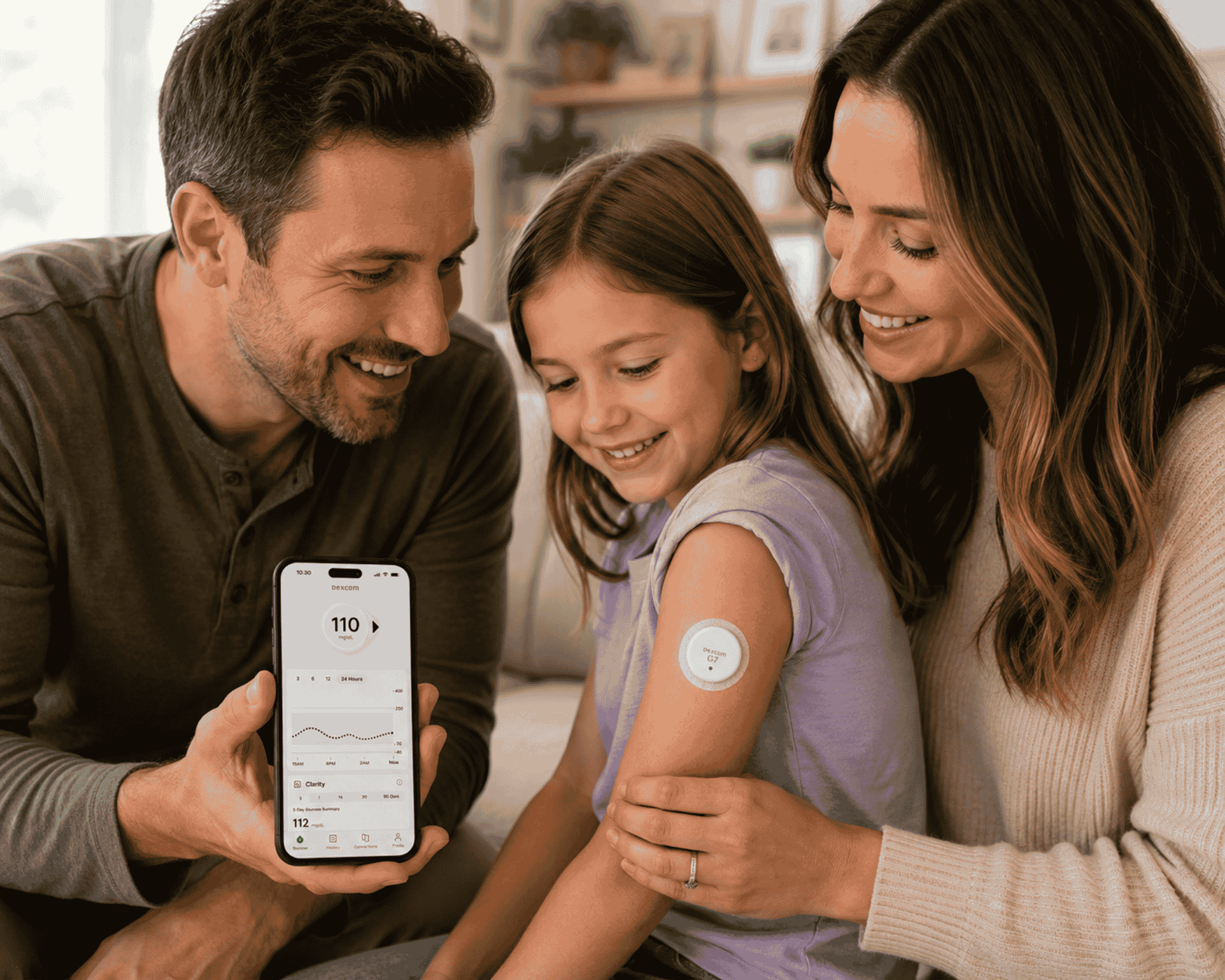
- Continuous glucose monitors (CGMs): Dexcom G6, G7, and Freestyle Libre sensors and transmitters
- Insulin pumps and pods: Omnipod and similar systems carry high per-unit costs
- Doctor visits and lab work: Quarterly A1C checks and annual exams
- Copays and deductibles: These hidden costs catch many people off guard
Medications and supplies account for roughly 17% of costs for the average person with diabetes. That percentage sounds small until you do the math on a $19,736 annual total.
Setting up a tracking system
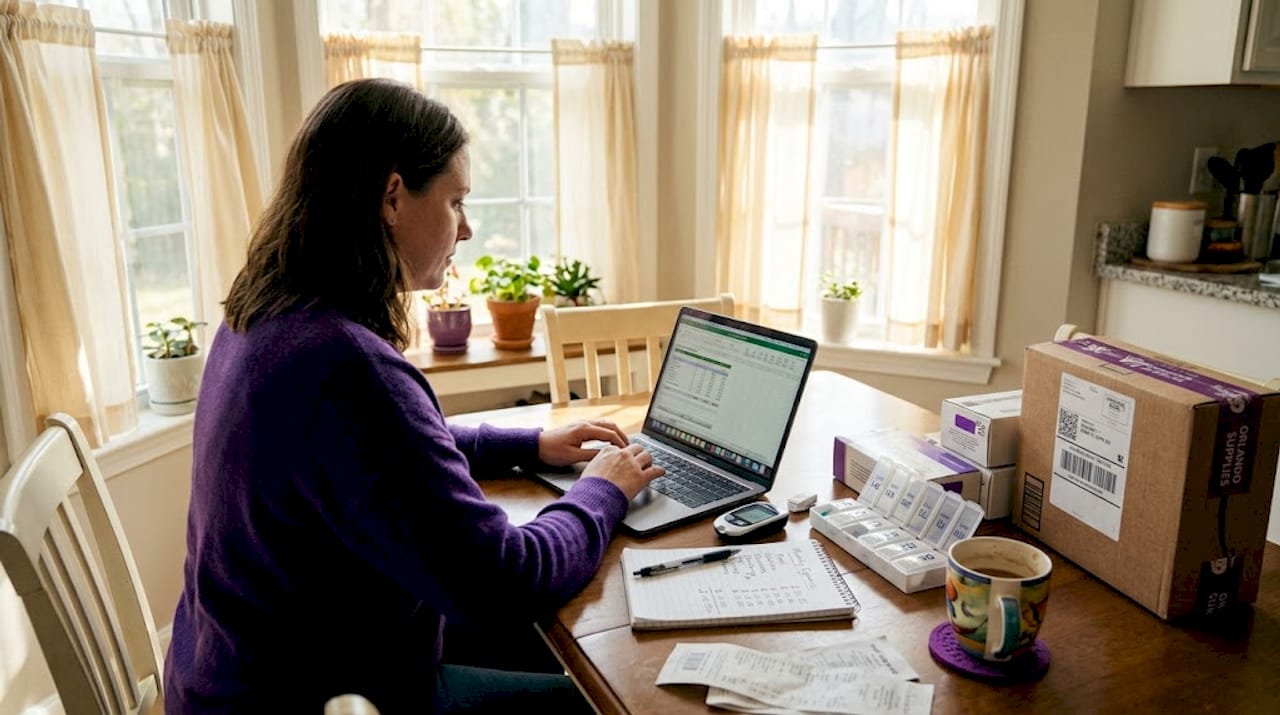
You need a clear picture before you can make smart decisions. Use a free app like Mint or a simple spreadsheet to log every purchase. Separate your fixed monthly costs (like a CGM subscription or pump supplies) from variable ones (like extra test strips or urgent care visits). Review your insurance Explanation of Benefits statements monthly. Many people discover charges they didn’t realize they were paying.

| Expense category | Estimated monthly cost |
|---|---|
| Insulin and medications | $100 to $400+ |
| CGM sensors and supplies | $75 to $300 |
| Test strips and lancets | $20 to $80 |
| Doctor visits (averaged monthly) | $50 to $150 |
| Pump supplies | $100 to $250 |
Once you see the full picture, you can prioritize where to cut first.
Practical ways to reduce diabetes supply costs
This is where most people can find real savings. The options below are specific and proven.
- Buy in bulk when possible. Bulk purchasing test strips through warehouse retailers or online suppliers lowers the cost per strip significantly for frequent testers.
- Stay in-network. In-network suppliers have pre-negotiated lower prices with your insurer. Going out-of-network can double or triple your out-of-pocket costs overnight.
- Ask for the cash price. Financial experts point out that direct cash prices are sometimes lower than insurance copays, especially if you’re on a high-deductible plan.
- Use manufacturer assistance programs. Major insulin manufacturers now cap insulin at $35 per month for many U.S. patients, including those who are uninsured or on Medicare.
- Try mail-order pharmacies. Most insurers offer 90-day supplies through mail order at a lower copay than a 30-day retail fill.
- Consider direct-to-consumer options. DTC pricing bypasses insurance billing entirely and can beat insurance-related out-of-pocket costs once you factor in deductibles and copays.
- Use coupon services. GoodRx and similar platforms regularly offer discounts that beat standard insurance pricing on many diabetes medications.
Pro Tip: Before filling any prescription, compare the cash price through a coupon service against your insurance copay. The cheaper option is not always the one you assume.
Optimizing how you use your supplies
Spending less does not mean using less. It means using smarter.
- Talk to your doctor about cost-effective alternatives. Generic insulin options and biosimilars are now widely available. Ask specifically whether a lower-cost alternative would work for your treatment plan.
- Discuss GLP-1 access programs. GLP-1 medications can be accessed starting at $149/month through manufacturer coupons. If you’re on Medicare, the GLP-1 Bridge program allows eligible beneficiaries to access specific GLP-1 medications for $50/month starting July 1, 2026.
- Don’t over-order supplies. Ordering more than you need creates waste and ties up money. Review your actual usage over three months before placing your next order.
- Invest in lifestyle changes. This one pays off in dollars. Walking three miles daily can reduce annual medication costs by approximately $550. Small, consistent habits reduce your medication needs over time.
- Fight insurance denials. Insurance denials for medications like GLP-1s and insulin pumps can often be reversed by submitting an updated prior authorization or adjusting the clinical indication on your prescription. Don’t accept the first denial.
- Avoid paying for features you don’t use. Premium CGM models and pump systems carry real cost differences. Work with your care team to confirm which features you actually need before upgrading.
Pro Tip: Ask your doctor to document your medical necessity in detail when submitting prior authorizations. Vague documentation is the most common reason insurers deny expensive medications and devices.
Community resources and financial tools
You don’t have to manage diabetes expenses on your own. There are real programs designed to help.
- Health Savings Accounts (HSAs) and Flexible Spending Accounts (FSAs): These pre-tax accounts let you set aside money for diabetes supplies before taxes are taken out. That alone reduces your effective cost by your marginal tax rate.
- Community health centers: Federally Qualified Health Centers (FQHCs) offer sliding-scale fees and discounted supplies based on income. Search for one near you at findahealthcenter.hrsa.gov.
- Nonprofit assistance programs: Organizations like the American Diabetes Association and JDRF maintain lists of financial assistance programs for people who qualify.
- Manufacturer patient assistance programs: Most major CGM and pump manufacturers offer programs for uninsured or underinsured patients. Dexcom, Abbott, and Insulet all have dedicated assistance lines.
- Diabetes support groups: Local and online groups are surprisingly good sources of practical cost-saving tips. Members share real experiences with specific programs, vendors, and workarounds that you won’t find in official guides.
Combining two or three of these resources at once creates the biggest impact. An HSA paired with a manufacturer assistance program and a mail-order pharmacy can shave hundreds of dollars off your annual costs.
Tracking and adjusting your budget over time
Getting your budget right once is not enough. Your costs will change, and your budget needs to keep up.
- Review your spending monthly. Set a recurring calendar reminder to compare actual spending against your budget. Look for categories that are consistently over or under.
- Audit your supply usage quarterly. Your testing frequency, medication doses, and device usage may shift with your health. Adjust your orders to match actual consumption.
- Reassess your insurance plan annually. Open enrollment is your chance to switch to a plan with better formulary coverage for your specific medications and devices. Run the numbers before you assume your current plan is the best fit.
- Build a small emergency fund for diabetes costs. Unexpected expenses like a lost CGM sensor, a pump malfunction, or an urgent care visit will happen. Keeping one to two months of supply costs in reserve prevents these from derailing your budget.
- Track savings opportunities as they appear. Manufacturer programs, discount codes, and insurance changes happen throughout the year. Staying informed means you catch savings when they’re available.
| Budget review task | Recommended frequency |
|---|---|
| Compare spending to budget | Monthly |
| Audit supply usage | Quarterly |
| Review insurance coverage | Annually (open enrollment) |
| Check manufacturer programs | Every 6 months |
| Update emergency fund target | Annually |
The goal is not perfection. It’s consistency. Small adjustments made regularly add up to meaningful savings over a full year.
My take on budgeting for diabetes supplies
I’ve worked with a lot of people managing tight budgets while trying to take care of their diabetes. The pattern I see most often is this: people cut costs in the wrong places first. They skip doctor visits to save a copay, then end up with a complication that costs ten times more to treat. That’s not saving money. That’s trading a small problem for a bigger one.
What I’ve found actually works is cutting costs on the purchasing side without touching the usage side. Buy smarter, not less. Use manufacturer programs, stay in-network, and fight your insurance denials. Those moves save real money without touching your health.
I’ve also learned that the most sustainable diabetes management comes from supplies you can afford to replace consistently, not the premium option you buy once and then can’t maintain. A CGM you use every day beats an advanced system you ration because it’s too expensive.
One more thing: advocate for yourself. Providers and insurers respond to patients who ask specific questions and push back on denials. You have more leverage than you think.
— Liliana
Turn unused supplies into cash with Cashfordiabeticsuppliesorlando
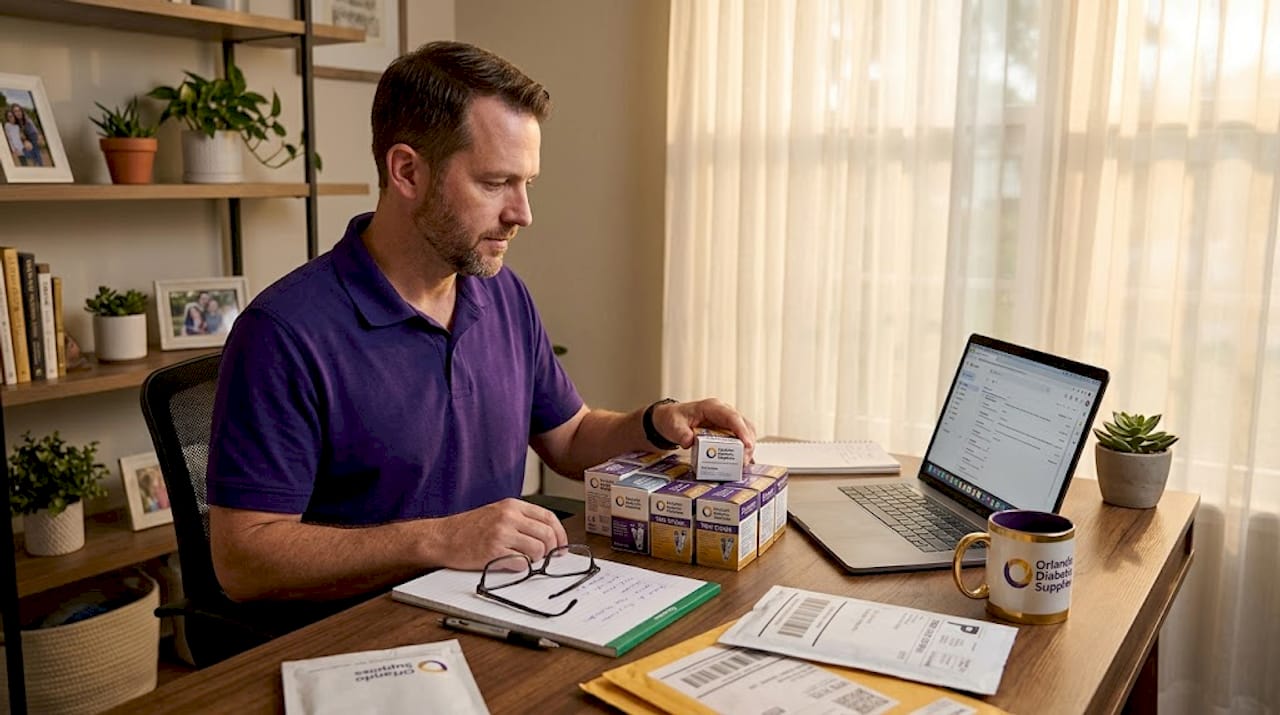
If you have sealed, unused diabetic supplies sitting at home, those supplies have real cash value. Cashfordiabeticsuppliesorlando buys unused Dexcom G6 and G7 sensors, Freestyle Libre, Omnipod pods, and sealed test strips from people in Orlando and surrounding areas. It’s a straightforward way to recover money from supplies you won’t use and put it back toward your diabetes budget.
The process is simple. Contact Cashfordiabeticsuppliesorlando, get a fair quote, and receive same-day payment. No complicated process, no waiting. If you want to learn exactly how it works, visit the unused supplies buyback guide for full details. You can also sell test strips in Orlando for same-day payment right now.
FAQ
What is the average out-of-pocket cost for diabetes supplies?
People with diabetes typically pay between $3,300 and $4,600 per year out of pocket for medications, doctor visits, and supplies, according to CCS Medical. Total annual medical expenses average around $19,736.
How can I get insulin for $35 a month?
Major insulin manufacturers now cap insulin at $35 per month for many U.S. patients, including those who are uninsured or enrolled in Medicare. Contact your insulin manufacturer directly or ask your pharmacist about the savings program.
Are HSAs and FSAs worth it for diabetes expenses?
Yes. HSAs and FSAs let you pay for diabetes supplies with pre-tax dollars, which effectively reduces your cost by your tax rate. If you’re in the 22% tax bracket, every $100 in supplies costs you only $78 through these accounts.
What should I do if my insurance denies a diabetes medication?
Request an updated prior authorization from your doctor with detailed medical necessity documentation. Insurance denials for medications like GLP-1s and insulin pumps can often be reversed by adjusting the clinical indication or providing additional clinical evidence.
Can I sell unused diabetic supplies for cash?
Yes. If you have sealed, unexpired test strips, CGM sensors, or pump supplies you won’t use, local buyback services like Cashfordiabeticsuppliesorlando purchase them for same-day cash. Visit cashfordiabeticsuppliesorlando.com to learn more.