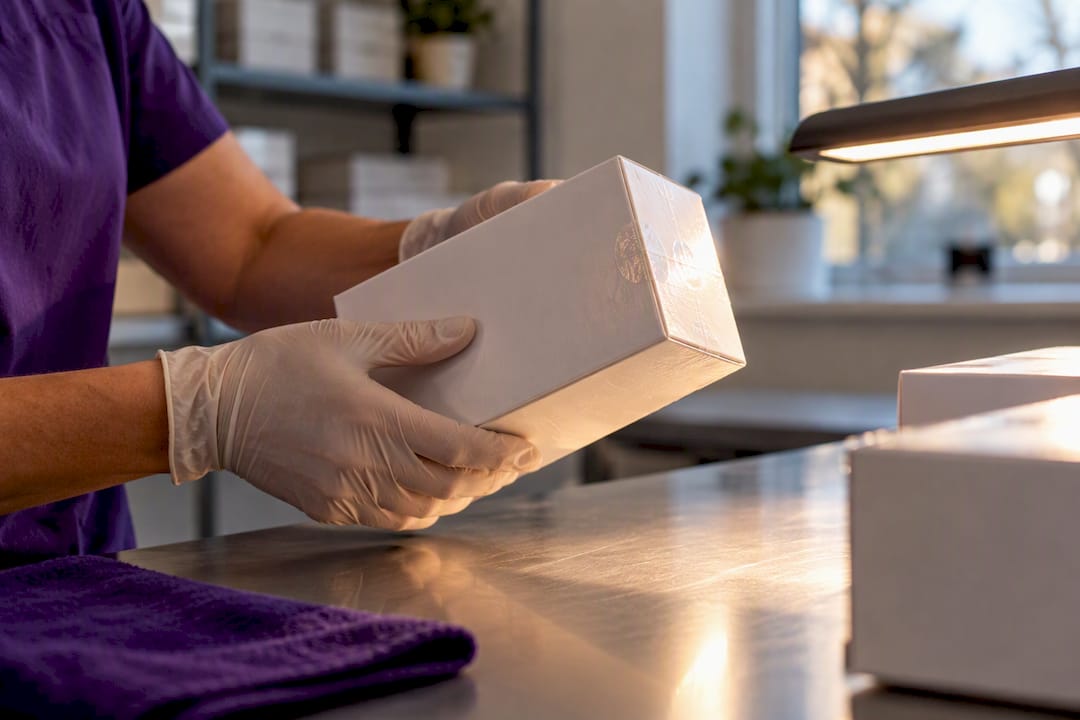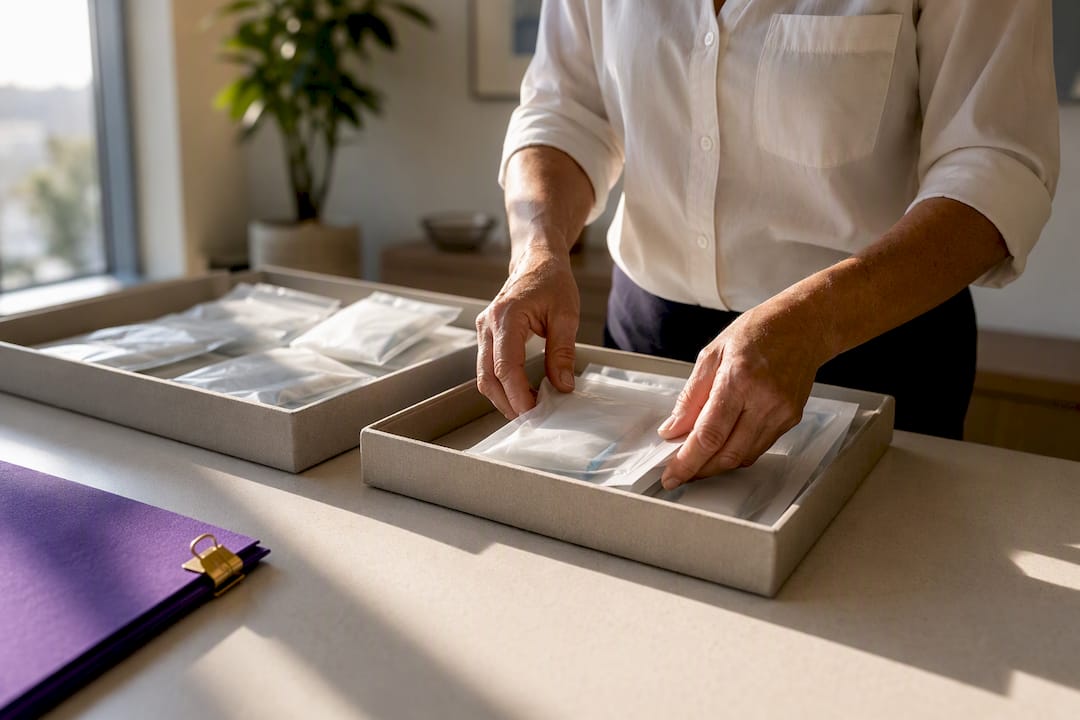
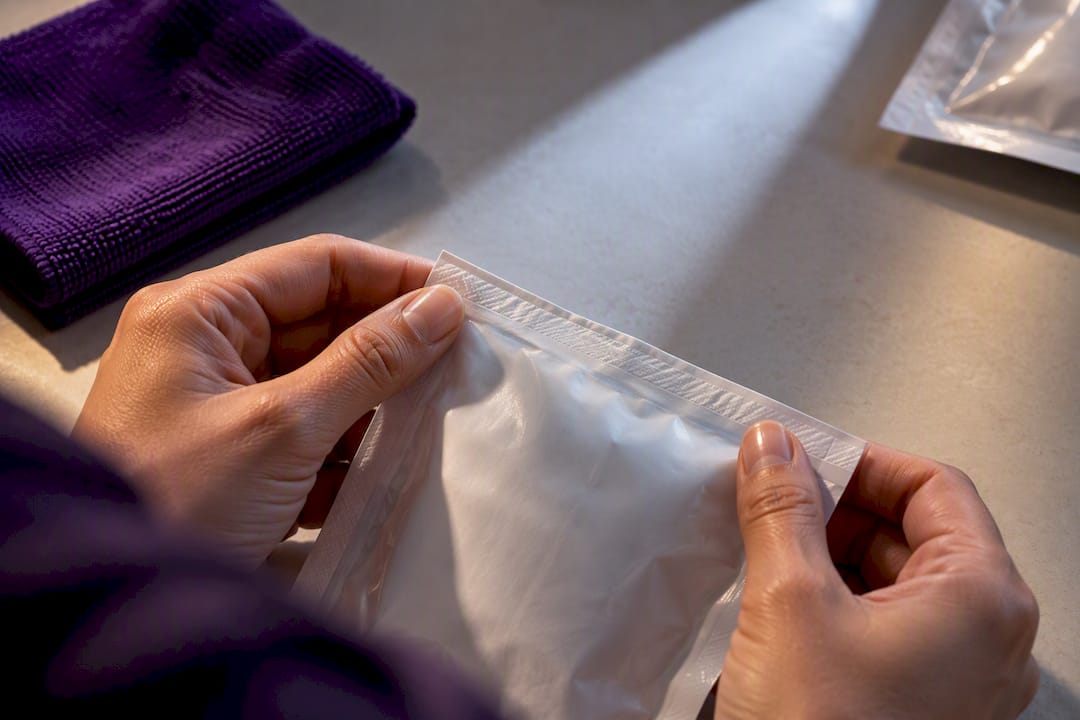
Yes, you can usually spot tampered diabetic supplies with a close look at the seal, the box, and the labels. If a factory seal looks broken, resealed, or double-glued, stop right there. Quarantine the item, snap clear photos, and don’t try to reseal or clean it up. Then run three quick checks: seal integrity, expiration date, and any signs of packaging damage.
TL;DR:
- Most tampered supplies show clear signs such as broken seals, double-glued edges, or uneven adhesive, which should lead to immediate quarantine and photographic documentation.
- Check the tear strips on CGM sensors, lot number consistency, and pouch integrity on test strips to identify tampering with product-specific cues.
- Resealed or damaged boxes typically cannot be accepted by buyers because they compromise sterility and cannot be reliably verified for safety.
- Providing honest condition details and a thorough photo record speeds up buyback approval and reduces delays at in-person exchanges.
- A difference in font, label consistency, or signs of moisture exposure on packaging are strong red flags that warrant manufacturer verification before resale.
Table of Contents
- How Do You Identify Tampered Supplies in 60 Seconds?
- What Do CGM Sensors, Pods, and Test Strips Each Reveal?
- What Should You Do the Moment You Suspect Tampering?
- How Does Condition Affect What Buyers Will Pay?
- Which Checks Can You Run Yourself, and Which Need the Manufacturer?
- What Do Local Buyers Actually Notice at the Meetup?
- Sell Your Verified Supplies for Same-Day Cash
- Buyers Notice More Than You Think
- Sources
- FAQ
How Do You Identify Tampered Supplies in 60 Seconds?
Most tampering shows up in the first few seconds if you know where to look. Here’s the order that works best when you’re triaging a stack of boxes before heading out to sell them.
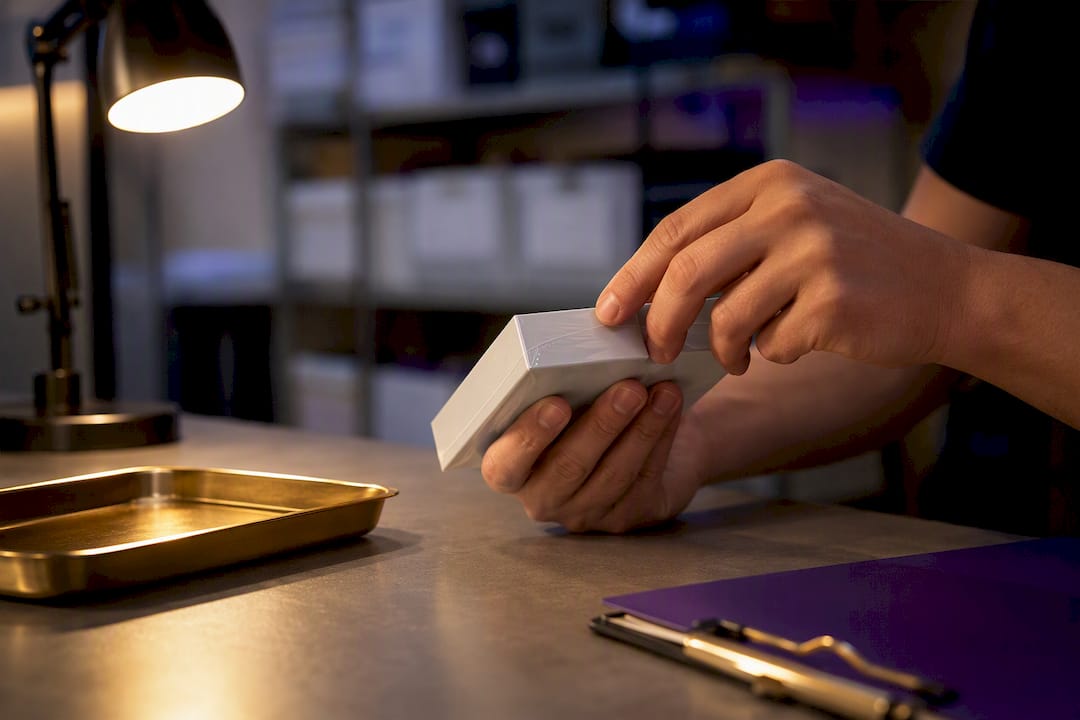
- Check the factory seal first. Look for re-glue marks, a shiny or uneven adhesive sheen, or what looks like a double ring of glue where a single line should be.
- Scan for water stains or crushing. A wrinkled film over a test-strip pouch or a stained corner on a CGM box often means the contents were exposed to heat, humidity, or moisture.
- Check the expiration date and lot number. Most local buyers want a reasonable amount of shelf life remaining, and dates that don’t match across the box and the inner pouch are a red flag.
- Compare fonts, logos, and lot numbers across units. If one sensor in a three-pack has a different lot number or a slightly different logo placement, something’s off.
- Photograph everything before you move it. Get the front, back, seal, and any damage on camera while the item is still in its original spot.
Pro Tip: Lay every box out on a flat surface and photograph them side by side before you pack up. It takes two extra minutes and gives you a clean record if a buyer asks questions later.
What Do CGM Sensors, Pods, and Test Strips Each Reveal?
Tampering doesn’t look the same across every product type. Knowing the specific cues for CGM sensors, insulin pods, and test-strip boxes saves you from missing something obvious.
- CGM sensors (Dexcom G6/G7, Freestyle Libre). Check the outer box’s tear strip for a clean break versus a re-taped edge. Confirm the lot number on the box matches the number on the inner tray, and look for a resealed inner blister with adhesive residue around the edges. Dexcom has published urgent notices for lots affected by theft or diversion, so a serial or lot check against the manufacturer’s notice list is worth the extra minute.
- Pods (Omnipod-style). Inspect the tamper-evident cap and the protective film over the reservoir port for punctures or insertion marks. A pod with no manufacturer label, or one with a label that looks printed on a different printer than its neighbors, deserves a second look.
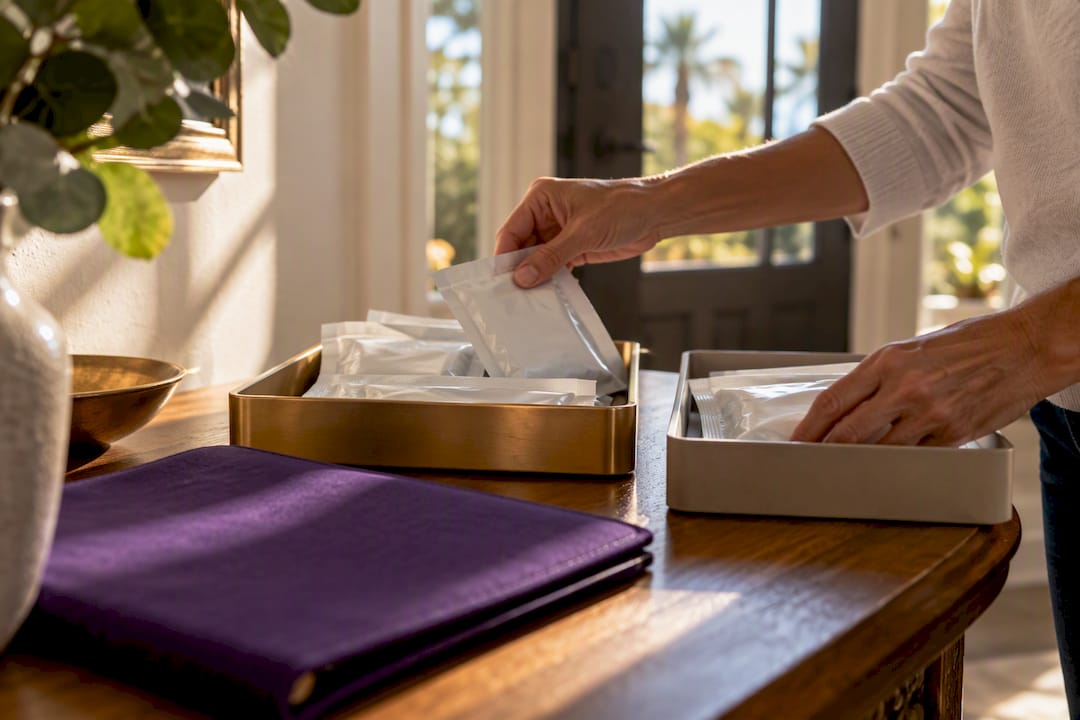
- Test strips. Confirm the shrink-wrap on the outer box is intact and that each foil pouch inside is unopened. Match the lot and expiry printed on the individual pouches against the number on the box. Foil that’s wrinkled, dented, or slightly damp along one edge often means the pouch was opened and pressed back together.
Across all three product types, the same forensic details tend to give tampering away: a double glue ring, a lifted label edge that doesn’t sit flush, or a glue sheen that catches light differently than the surrounding cardboard. Tamper-evident packaging is built with specific opening cues, and higher-level designs are supposed to destroy or deface an identifier the first time the box is opened. If that identifier looks intact but the box has clearly been handled, trust the physical evidence over the label.
What Should You Do the Moment You Suspect Tampering?
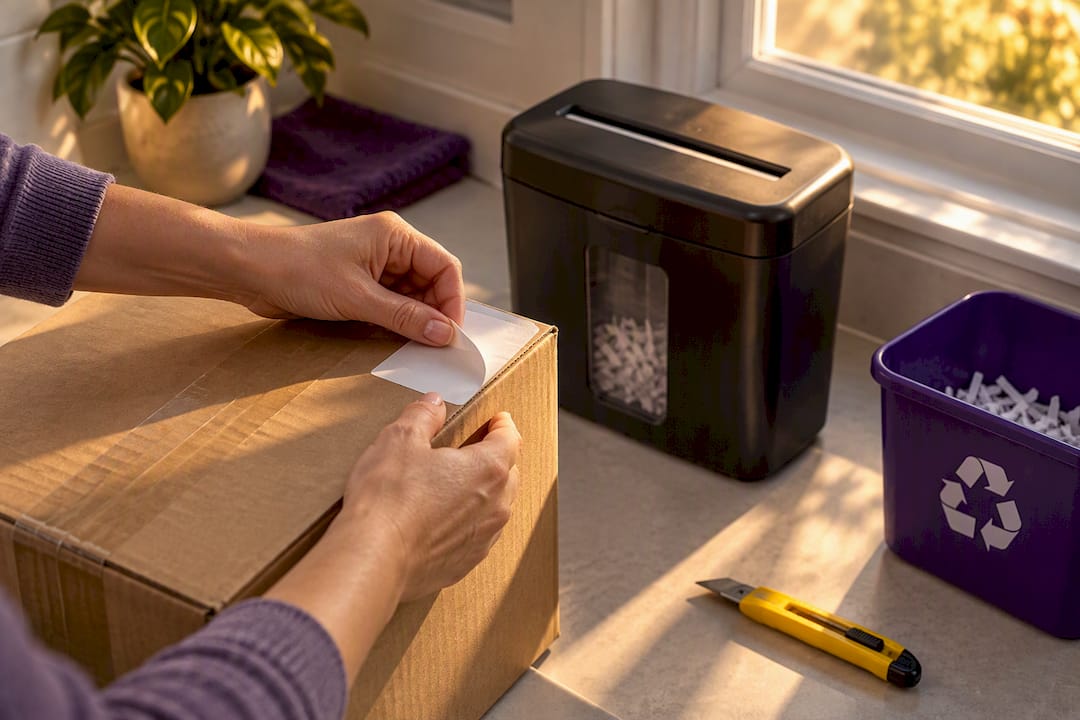
Stop everything else and focus on protecting yourself and preserving the evidence. Don’t sell it, don’t use it, and don’t try to reseal or clean it up. A resealed box might look tidier, but it destroys the traceability a buyer or manufacturer needs to confirm what happened.
- Quarantine the item. Set it aside from your other supplies, away from heat or direct sunlight.
- Photograph every angle. Get the lot number, serial number, expiration date, and any visible damage in separate, well-lit shots.
- Log where it’s been stored. A quick note on temperature and location helps if you need to explain the item’s history later.
- Contact the manufacturer. Dexcom and other manufacturers maintain lot and serial lookup tools that can confirm whether your unit matches a known theft or recall notice.
- Report clear diversion or theft. If the evidence points to stolen or diverted product, contact local law enforcement or the FDA rather than trying to resolve it yourself.
How Does Condition Affect What Buyers Will Pay?
Buyers care about the seal for a real reason: sterility. Once a factory seal is broken, the sterile barrier is compromised, and there’s no reliable way to confirm the contents are still safe to use. That’s why most local buyers, including Orlando Diabetic Supplies Buyback, require an intact factory seal before making an offer.
- Shelf life matters almost as much as the seal. An item with only a few weeks left before expiration will typically get a lower offer than one with several months remaining, and some buyers set a minimum threshold entirely.
- Minor cosmetic wear is often fine. A slightly bent corner or a faded printed date usually won’t sink a sale.
- Functional or sterility issues are a hard no. A broken seal, a punctured pod film, or a torn inner pouch usually means rejection, regardless of how good the rest of the box looks.
- Good documentation protects your payout. Clear photos and accurate lot numbers speed up inspection and can help preserve the value of an otherwise clean item.
Which Checks Can You Run Yourself, and Which Need the Manufacturer?
You can handle most of this verification with your own eyes and a phone camera. Visual inspection is the most accessible authentication method available to an individual seller, and it catches the vast majority of tampering cases.
- Find and copy the lot and serial numbers before you travel. They’re usually printed on the box flap and repeated on the device or inner tray.
- Use manufacturer lookup tools when something feels off. Dexcom and similar manufacturers can confirm whether a lot number matches a known urgent notice.
- Build a photo set before you leave the house. Capture all box faces, a close-up of the tear strip, the inner foil pouch, and the device serial number.
- Know your limits. Chemical assays and sterile-integrity lab tests aren’t something you can do at home. If a box passes your visual check but something still feels wrong, hold off and ask the manufacturer directly rather than guessing.
Pro Tip: Save your lot and serial photos in a folder on your phone before your buyback appointment. It turns a five-minute inspection into a ninety-second one.
What Do Local Buyers Actually Notice at the Meetup?
Most rejections at a same-day meetup come down to the same handful of issues: a resealed pouch that looks a little too neat, a missing lot number, or a damp stain nobody mentioned ahead of time. Buyers see enough boxes to spot these fast, and a seller who volunteers the story upfront almost always moves faster than one who hopes it goes unnoticed.
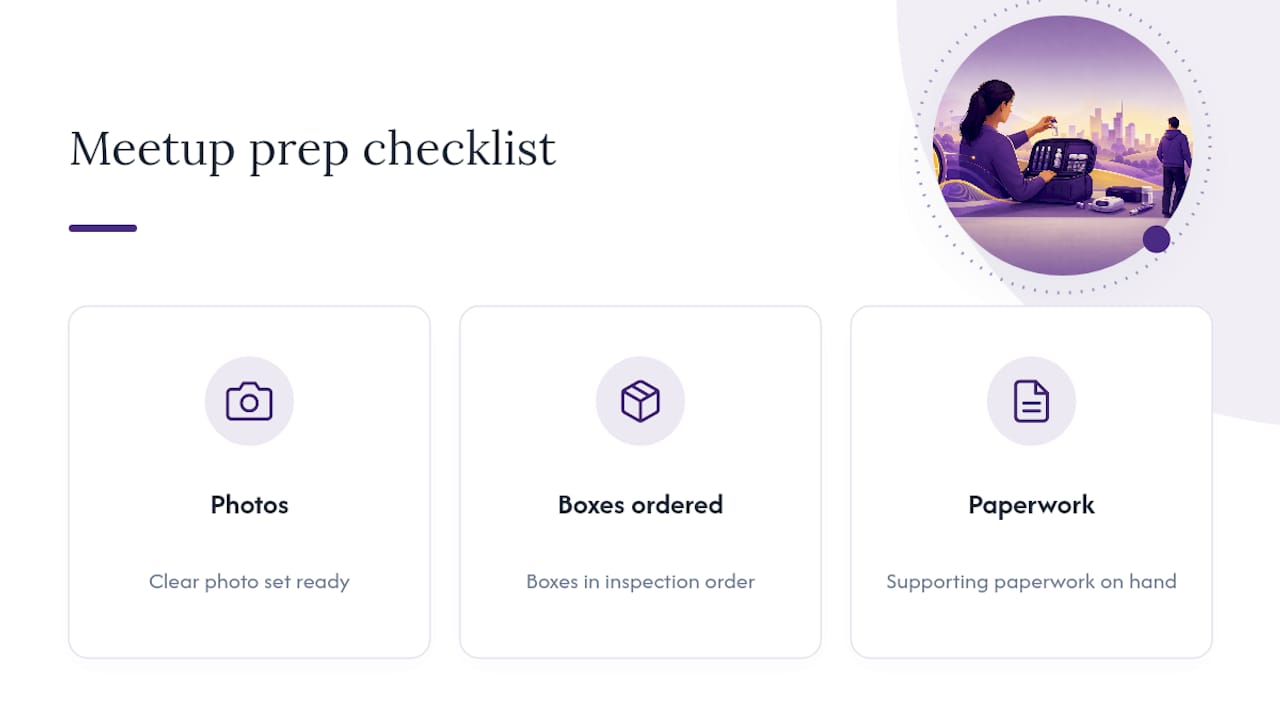
Bringing a clear photo set and a truthful note about how the item was stored builds trust before the inspection even starts. It also means fewer surprises once the boxes are on the table. A practical meetup checklist looks simple: photos ready, boxes in the order they’ll be inspected, and any supporting paperwork on hand. That small amount of prep is usually the difference between a same-day yes and a “let me check on this one.”
Sell Your Verified Supplies for Same-Day Cash
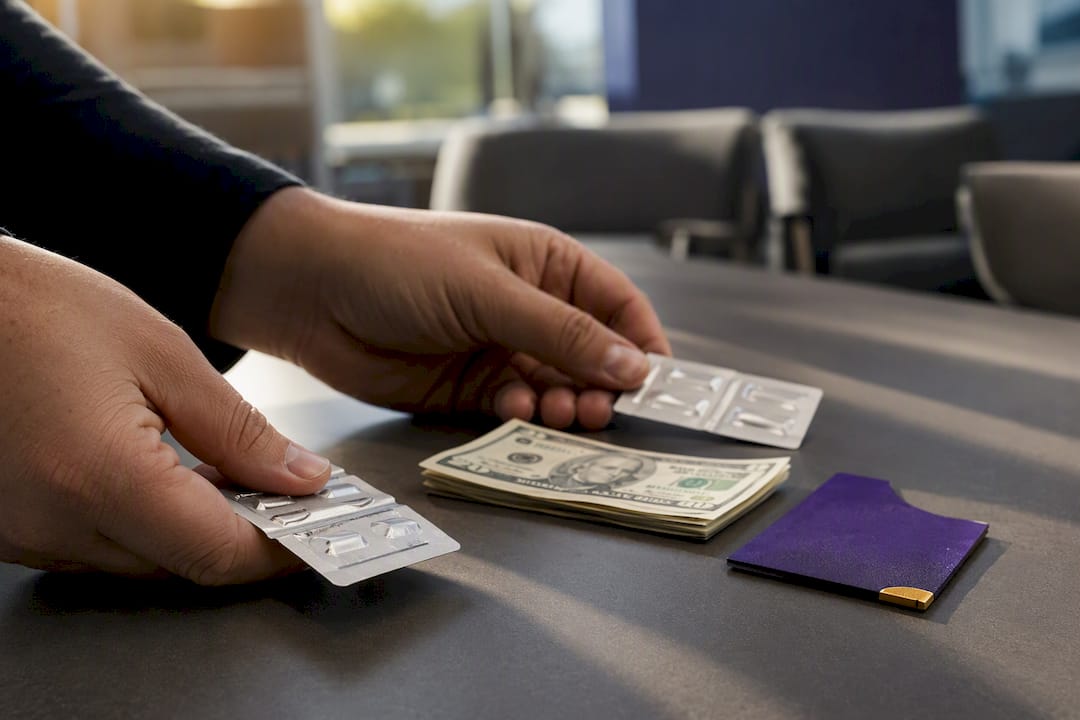
Once you’ve run through the seal, expiration, and damage checks and your supplies look clean, some local buyers offer a same-day, in-person alternative to shipping items off and waiting on a mail-in offer that might change once someone actually opens the box. You meet locally, an inspector checks the seal, lot numbers, and expiration in front of you, and you walk away with cash the same day.

To speed things up, bring your photo set and keep your original boxes in the order you’ll present them. If you’re selling Dexcom G7 sensors, check the Dexcom G7 buyback price page first so you know what condition standards apply before you leave home. Freestyle Libre sellers can do the same on the Freestyle Libre 2 buyback price page. When you’re ready, start on the main buyback page to arrange your same-day inspection.
Buyers Notice More Than You Think
Sellers tend to assume tampering only means something dramatic, a slashed box or an obviously missing device. In practice, the tampering that actually reaches a buyback table is almost always subtle: a slightly too-neat reseal, a lot number that’s one digit off, a pouch that’s just a little too flat where it should have some give. The dramatic cases rarely make it this far because the seller already suspected something and set the item aside.
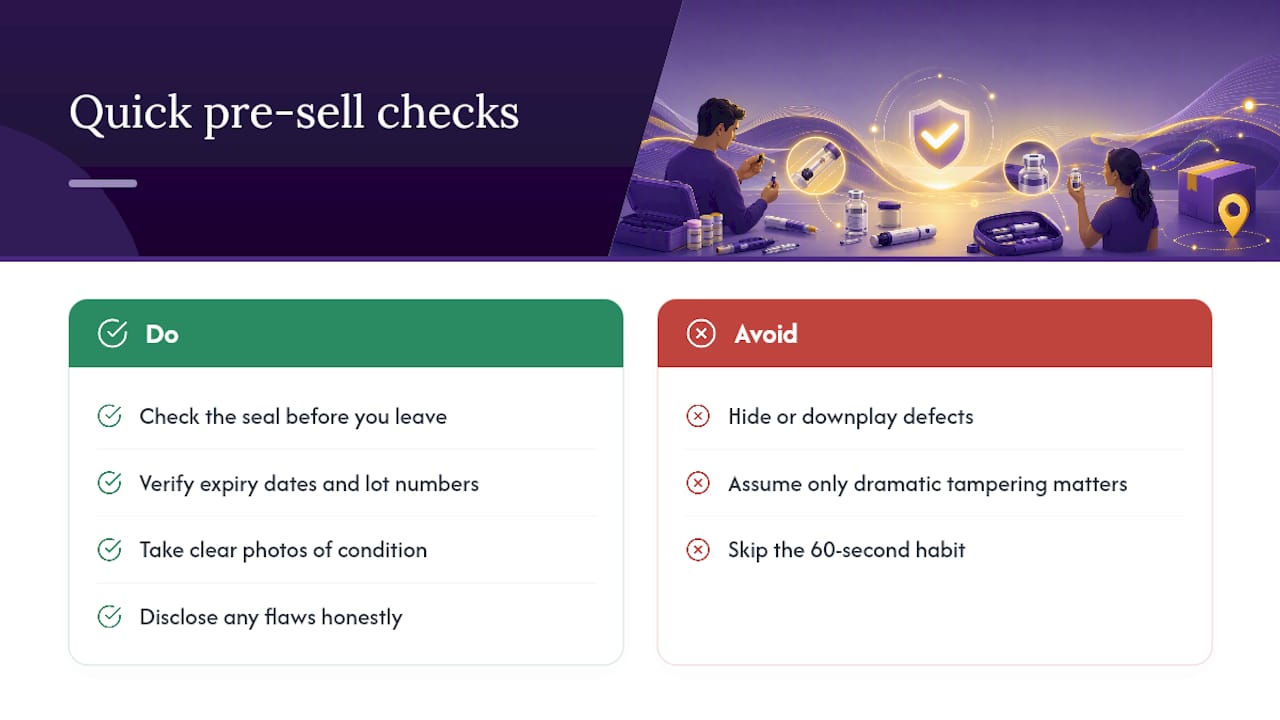
What surprises people is how much the small details matter more than the big story. A seller who says “I think this got left in a hot car for a day” and hands over a stained box is in a far better position than one who says nothing and hopes the buyer doesn’t notice the same stain. Honesty about condition, backed by good photos, tends to speed up trust more than a perfect-looking box with no explanation at all. The instinct to hide a flaw usually backfires, because trained eyes find it anyway.
The real lesson here isn’t paranoia. It’s that a sixty-second habit, checking the seal, the dates, and the lot numbers before you ever leave the house, protects both your health and your payout. Skipping that habit is the actual risk, not the rare case of deliberate tampering.
— Liliana
This article is general information, not a substitute for advice from a qualified doctor. Consult a qualified healthcare professional about your own circumstances before acting on anything here.
Sources
For deeper reading, the FDA’s guidance on medical devices exposed to heat and humidity explains sterility risk. The UPU illicit goods toolkit covers packaging red flags, and the Rx-360 tamper-evidence paper details opening-indicator standards.
- Indiana Health Coverage Programs bulletin summarizing Dexcom G7 urgent notification
- Rx-360 technical paper on tamper-evidence and first opening indication
FAQ
Can You Tell If a CGM Sensor Box Has Been Opened?
Yes, usually by checking the tear strip for re-taping and comparing the lot number on the outer box against the inner tray. A double glue ring or uneven adhesive sheen around the seal is one of the clearest signs of resealing.
What Should I Do If I Find a Tampered Test-Strip Box?
Set it aside immediately, photograph it from every angle, and don’t try to reseal it or use it. Contact the manufacturer to check whether the lot number matches any known notice before deciding what to do next.
Will a Local Buyback Service Accept a Resealed Item?
No, a broken or resealed factory seal typically disqualifies an item because it can no longer guarantee sterility. Orlando Diabetic Supplies Buyback checks seal integrity, lot numbers, and expiration dates during its same-day inspection before making an offer.
How Much Shelf Life Do I Need Left to Sell My Supplies?
Most local buyers look for a reasonable amount of shelf life remaining, though minimums vary by product. Check the expiration date checklist for specifics before your appointment.
Does a Water Stain Automatically Mean the Supplies Are Ruined?
Not always, but it’s a strong red flag that the contents may have been exposed to moisture or heat. Photograph the stain and disclose it honestly. A buyer may still make an offer depending on where the stain sits and whether the inner packaging is intact.