Leftover lancets and test strips are defined as either used medical sharps requiring safe disposal or unopened supplies that may still hold real value. Understanding what leftover lancets and strips mean is the first step toward protecting yourself, your community, and your wallet. Used lancets carry bloodborne pathogen risk, including hepatitis B, hepatitis C, and HIV, according to CDC injection safety guidance. Unused strips and sealed lancets, on the other hand, may be resold or donated if they meet condition and expiration requirements. The distinction matters more than most people realize.
What leftover lancets and strips mean: used vs. unused
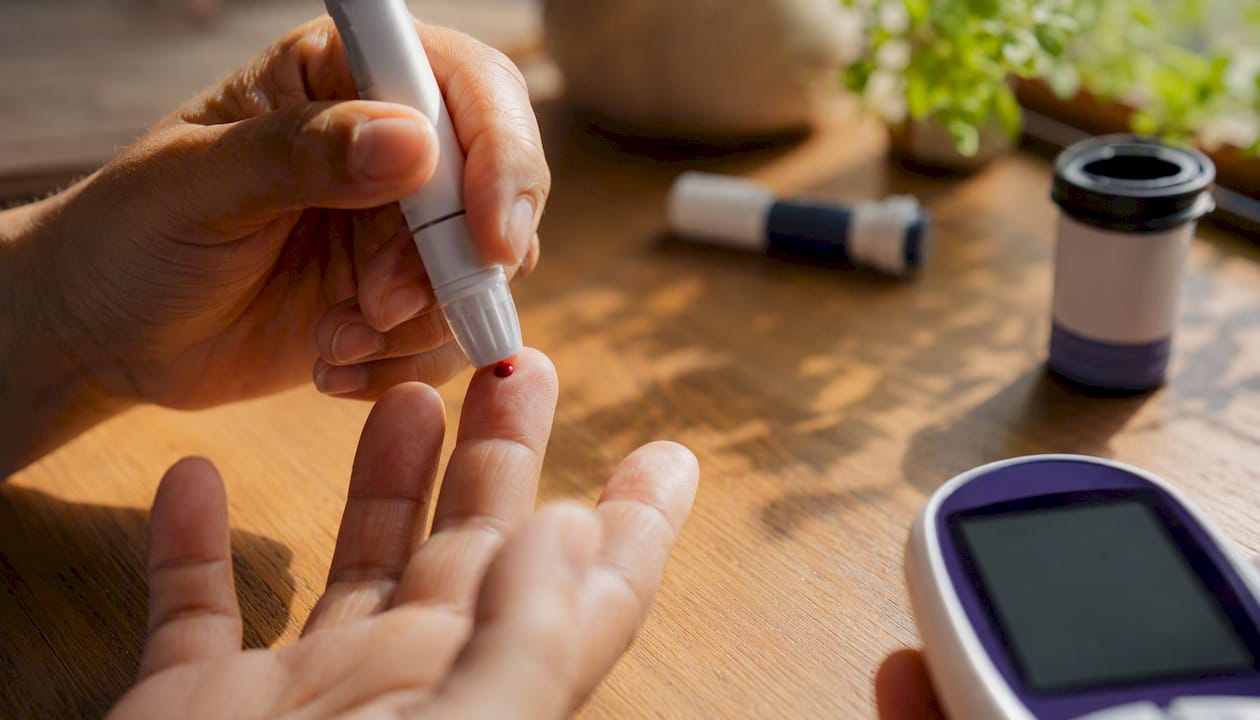
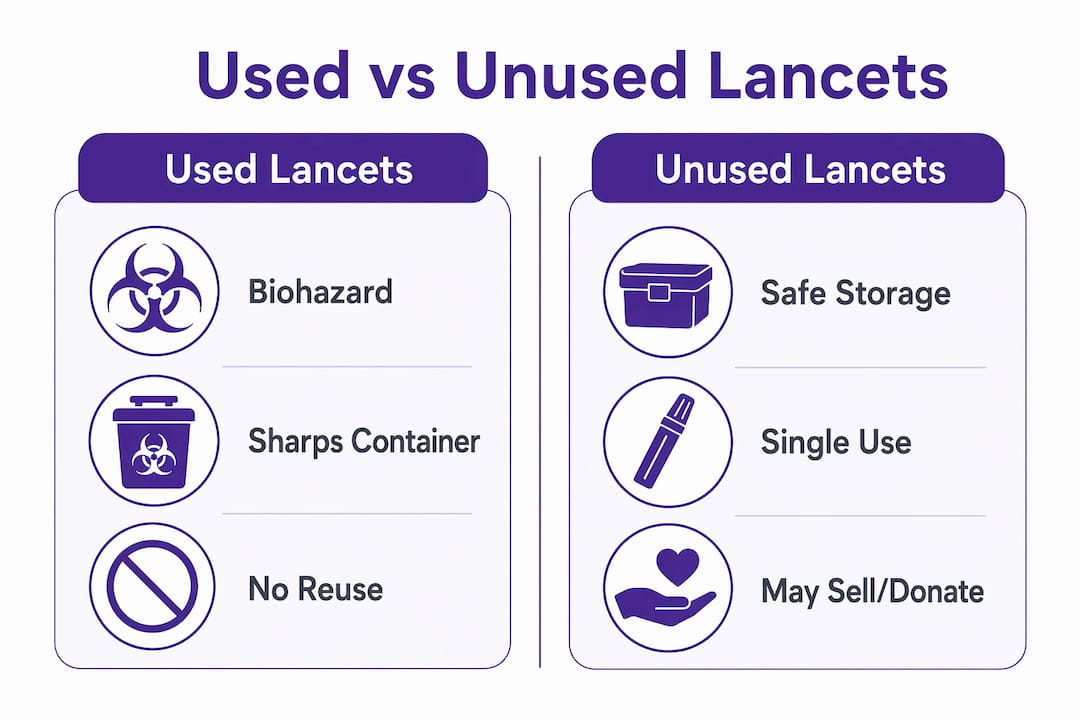
The meaning of used lancets is straightforward from a safety standpoint. A used lancet is a medical sharp that has punctured skin and now carries blood residue. That residue makes it a biohazard, regardless of how small the needle is. An unused lancet still in its sealed packaging is a different category entirely. It has not contacted blood and poses no immediate infection risk.
The same logic applies to test strips. A strip that has drawn a blood sample is spent and must be discarded as regular waste. A strip still in its original, sealed vial is potentially usable, sellable, or donatable, provided it has not expired and has been stored correctly.
This distinction drives every decision you make about leftover supplies. Mixing up the two categories leads to either unnecessary waste or genuine safety hazards. Knowing which pile is which is the starting point for everything else.
How should used lancets be disposed of safely?
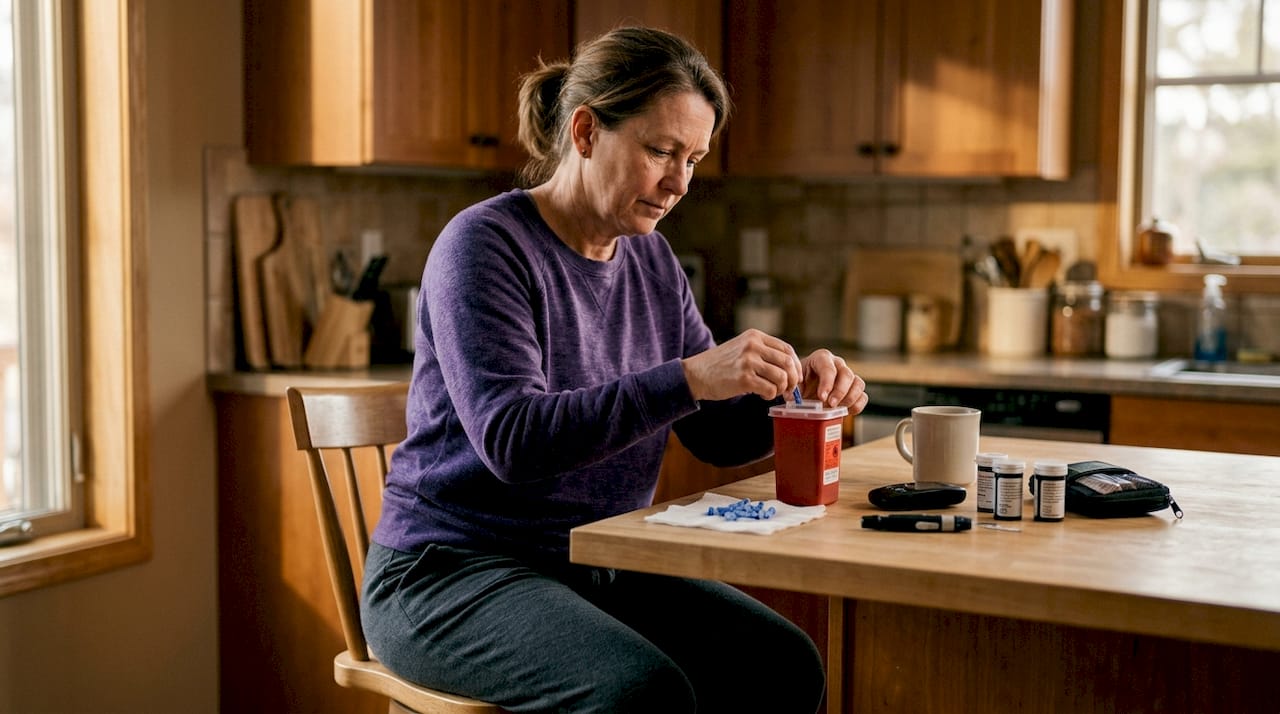
Used lancets must go into a puncture-resistant sharps container, not a household trash bag or recycling bin. This is not optional. Discarding lancets in regular trash puts sanitation workers and anyone handling the waste at direct risk of needlestick injury.
The scale of that risk is significant. Needlestick injuries affect roughly 44.5% of healthcare workers worldwide annually. That number reflects professional settings with safety protocols in place. Improper home disposal raises the risk further for people who have no protective equipment at all.
Safe disposal involves a few clear steps:
- Fill your sharps container to no more than three-quarters full before sealing it.
- Never recap or bend used lancets before placing them in the container.
- Label the sealed container clearly as “sharps waste.”
- Follow your state or local rules for drop-off or mail-back programs.
Many pharmacies offer free sharps drop-off programs. CVS, Walgreens, and many independent pharmacies accept sealed sharps containers at no charge. Some counties also run household hazardous waste events where sharps are accepted. Check your local health department website for the nearest option.
Even retractable or safety lancets require a sharps container. Mechanical failures are documented in retractable designs, and blood residue can remain on the needle even when the tip appears covered. No lancet is safe to toss in the trash.
Pro Tip: Keep a small, labeled sharps container in your testing kit bag so used lancets go directly into it after every check. This removes the temptation to set them down “just for a moment.”
Are lancets reusable? What reuse means for your health
Lancets are designed and labeled for single use. Most manufacturers and health associations recommend replacing a lancet with every blood glucose check. That said, many people reuse lancets regularly, motivated by cost savings and reducing waste.
The clinical picture on infection risk is nuanced. No strong evidence links daily lancet reuse to a meaningful increase in infection rates when basic hygiene is maintained. The more immediate problem is physical comfort and skin health.
“Lancets dull with each use, making testing more painful and increasing the likelihood of calluses forming at the test site. Dull needles also cause more tissue trauma, which can affect how reliably blood flows for an accurate reading.”
Here is what reuse actually means in practice:
- Pain increases. A fresh lancet tip is razor-sharp. After one use, microscopic barbs form on the tip. Each subsequent use causes more discomfort.
- Calluses develop. Repeated trauma to the same site from a dull needle builds up hardened skin over time, making future testing harder.
- Testing adherence drops. When checking your blood sugar hurts more than it should, you test less often. That gap in data affects your diabetes management.
- Hygiene still matters. If you do reuse a lancet, never share it with anyone else. Sharing lancets transmits bloodborne pathogens directly.
Lancet reuse is often driven by cost, and that is a real concern. If you have a large supply of unused lancets on hand, using them consistently and replacing them regularly is the better trade-off than stretching one lancet across many days.
What do leftover test strips mean after a treatment change?
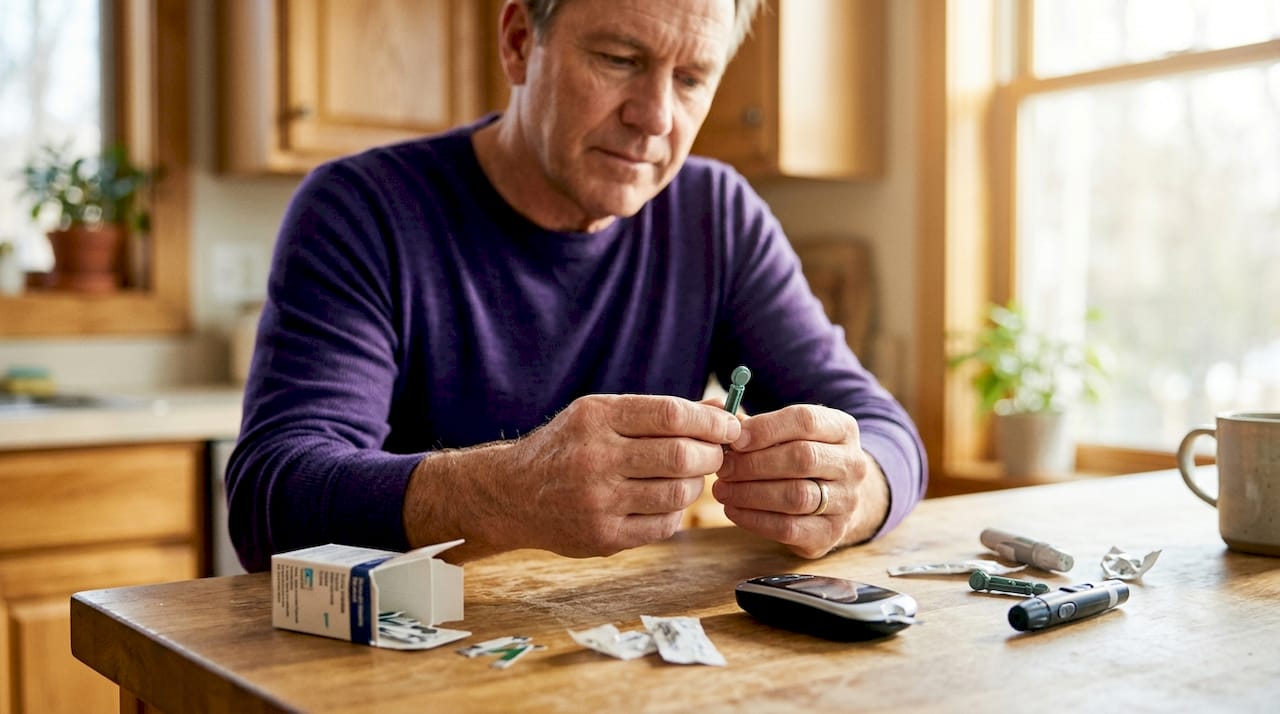
Leftover test strips most often accumulate when you switch to a new meter or treatment plan. Moving to a continuous glucose monitor (CGM) like Dexcom G6, Dexcom G7, or Freestyle Libre can leave you with boxes of strips that no longer match your device. Prescription changes, insurance switches, and overordering all contribute to the same pile.
The key variable for leftover strips is the expiration date. Expired strips cause inaccurate glucose readings because the chemical reagents on the strip degrade over time. An inaccurate reading leads to poor treatment decisions. This is not a minor inconvenience. It is a direct health risk.
| Strip condition | Usable? | Best action |
|---|---|---|
| Sealed, unexpired, undamaged | Yes | Use, sell, or donate |
| Opened vial, within expiration | Yes, with caution | Use promptly, check for damage |
| Sealed but expired | No | Discard in regular trash |
| Exposed to heat or moisture | No | Discard regardless of date |
Proper storage extends the usable life of unopened strips. Keep them in a cool, dry place away from direct sunlight. Avoid storing them in the bathroom, where humidity fluctuates. Check the expiration date checklist for your specific supply type before assuming strips are still good.
Pro Tip: Write the date you opened a vial on the cap with a permanent marker. Most manufacturers recommend discarding opened vials within 90 days, even if the printed expiration date is later.
Unopened, unexpired strips in their original packaging are eligible for resale or donation. Several organizations and resale businesses accept sealed strips that meet their condition requirements. This turns a potential waste problem into something useful for someone else.
Practical steps to manage leftover supplies safely
Managing leftover lancets and strips comes down to sorting first, then acting on each category correctly. Here is a clear sequence to follow.
- Sort by used vs. unused. Place all used lancets directly into your sharps container. Set aside any sealed, unopened items for evaluation.
- Check expiration dates. Review every box and vial. Discard anything expired. Use the supply expiration guide if you are unsure about a specific item.
- Inspect storage conditions. Strips or lancets exposed to extreme heat, moisture, or direct sunlight may be compromised even before expiration. When in doubt, discard.
- Seal and drop off sharps containers. Do not wait until the container is overflowing. Seal it at three-quarters full and locate your nearest drop-off point.
- Evaluate unused supplies for resale or donation. Sealed, unexpired items in original packaging may qualify. Check eligibility criteria before assuming everything is acceptable.
- Sell or donate eligible items. Unused diabetic supplies that meet condition requirements can go to resale services or nonprofit organizations that distribute them to people who cannot afford them.
The most common mistake people make is storing leftover supplies in a drawer and forgetting about them until they expire. Setting a quarterly reminder to review your supply stock prevents that waste entirely. Tips for organizing unused diabetes equipment at home can help you build a system that works long term.
Key Takeaways
Leftover lancets are always biohazardous waste requiring sharps containers, while leftover test strips are either expired waste or potentially valuable unused supplies depending on their condition and packaging.
| Point | Details |
|---|---|
| Used lancets are biohazards | All used lancets must go in a puncture-resistant sharps container, never in regular trash. |
| Lancet reuse increases pain | Dulling tips cause more discomfort and calluses, reducing how often you test. |
| Expired strips are inaccurate | Chemical degradation after expiration leads to unreliable glucose readings and poor decisions. |
| Unopened strips have value | Sealed, unexpired strips in original packaging may be sold or donated through eligible programs. |
| Sort before acting | Separate used from unused supplies before deciding on disposal, resale, or donation. |
What I’ve learned from watching people manage leftover supplies
Working closely with people who manage diabetes supplies, I have noticed one pattern more than any other. People feel guilty about the pile. They know they should do something with it, but the mix of safety concerns, expiration anxiety, and uncertainty about what is allowed keeps them stuck. The supplies sit in a drawer for months, losing value every week.
The guilt is misplaced. Leftover supplies are a normal outcome of a condition that requires constant adjustment. Switching meters, changing insurance, moving to a CGM, or simply overordering happens to nearly everyone managing diabetes long term. The supplies pile up because the system is not designed to prevent it.
What I tell people is this: the used lancets are simple. They go in the sharps container, full stop. No decisions needed. The unused supplies deserve more thought, because throwing them away when they still have value is genuinely wasteful, and someone else could use them.
The lancet reuse question is the one I find most interesting. The infection risk argument is weaker than most people assume. The comfort argument is much stronger. A dull lancet makes testing hurt more. When testing hurts, people test less. When people test less, their control suffers. That chain of consequences is more clinically significant than the theoretical infection risk from reusing a lancet you have only used on yourself.
My honest advice: replace lancets more often than you think you need to, dispose of used ones properly every time, and do not let unused supplies expire in a drawer when they could help someone or put money back in your pocket.
— Liliana
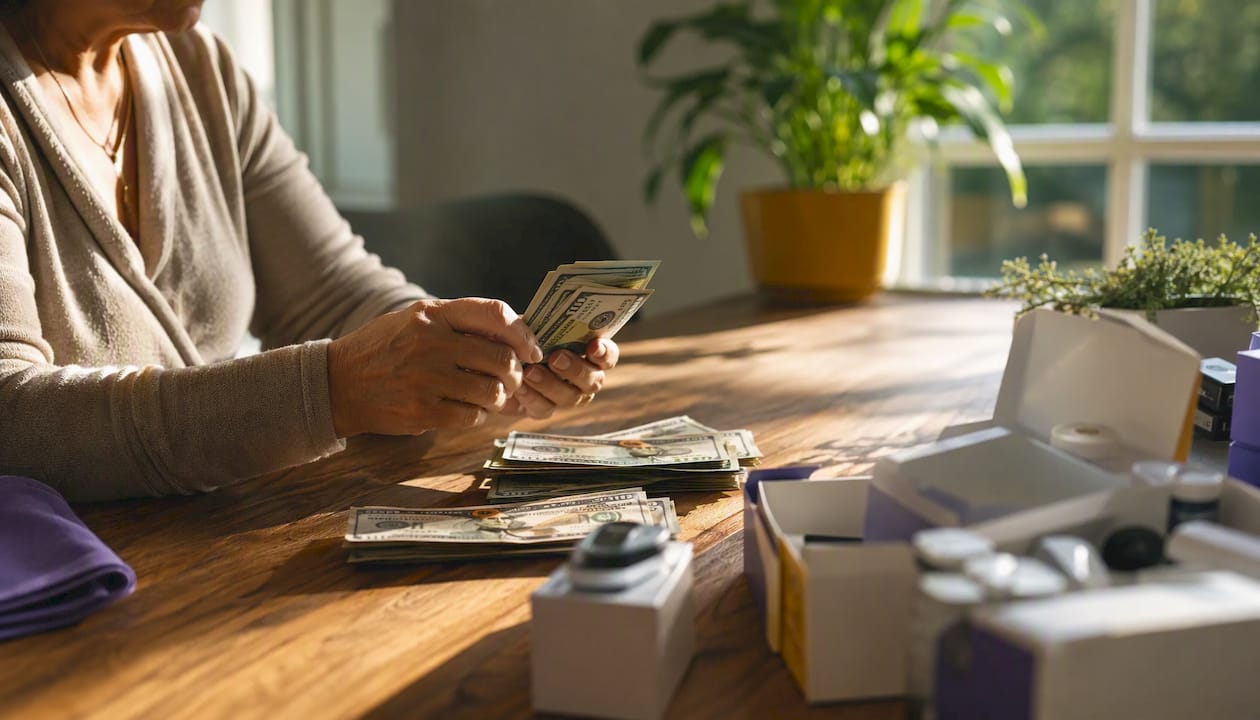
Unused supplies you have may be worth real cash
If you have sealed, unexpired test strips, lancets, or other diabetic supplies sitting unused after a treatment change, Orlando Diabetic Supplies Buyback makes it straightforward to turn them into cash.
Orlando Diabetic Supplies Buyback buys unused diabetic supplies in Orlando, Florida and surrounding areas. The process is local, fast, and honest. Supplies are evaluated for condition, expiration, and original packaging before a fair offer is made. There is no guesswork about what qualifies. You can get cash for unused supplies the same day in many cases. If you recently switched to a CGM or changed your treatment plan and have leftover strips or sealed lancets, selling previous device supplies is a practical next step worth taking.
FAQ
What does “leftover lancets” mean exactly?
Leftover lancets are either used lancets that have punctured skin and must be disposed of as medical sharps, or unused sealed lancets that may still be usable or resellable. The distinction determines whether they are biohazardous waste or a potential asset.
Are lancets reusable at all?
Lancets are labeled for single use, but many people reuse them without a significant increase in infection risk when hygiene is maintained. The main drawback is that dulling tips cause more pain and skin damage with each use.
Can I throw used lancets in the regular trash?
No. Used lancets must go in a puncture-resistant sharps container and be disposed of through a pharmacy drop-off, mail-back program, or local hazardous waste event. Regular trash disposal puts sanitation workers at direct risk.
What should I do with leftover test strips after switching meters?
Check the expiration date and packaging condition first. Sealed, unexpired strips in original packaging may be donated or sold through eligible resale programs. Expired strips should be discarded because degraded reagents produce inaccurate glucose readings.
Can I sell unused lancets and test strips?
Yes, if they are sealed, unexpired, and in original packaging. Several organizations and resale services accept unopened diabetic supplies that meet their condition requirements. Used lancets are never eligible for resale.