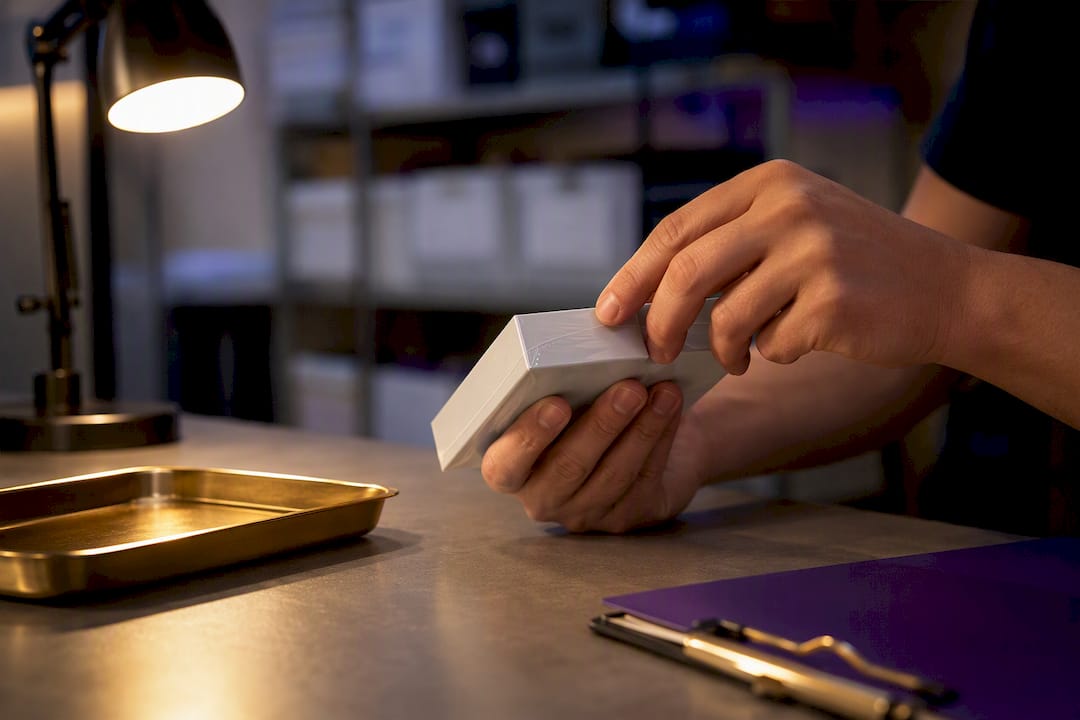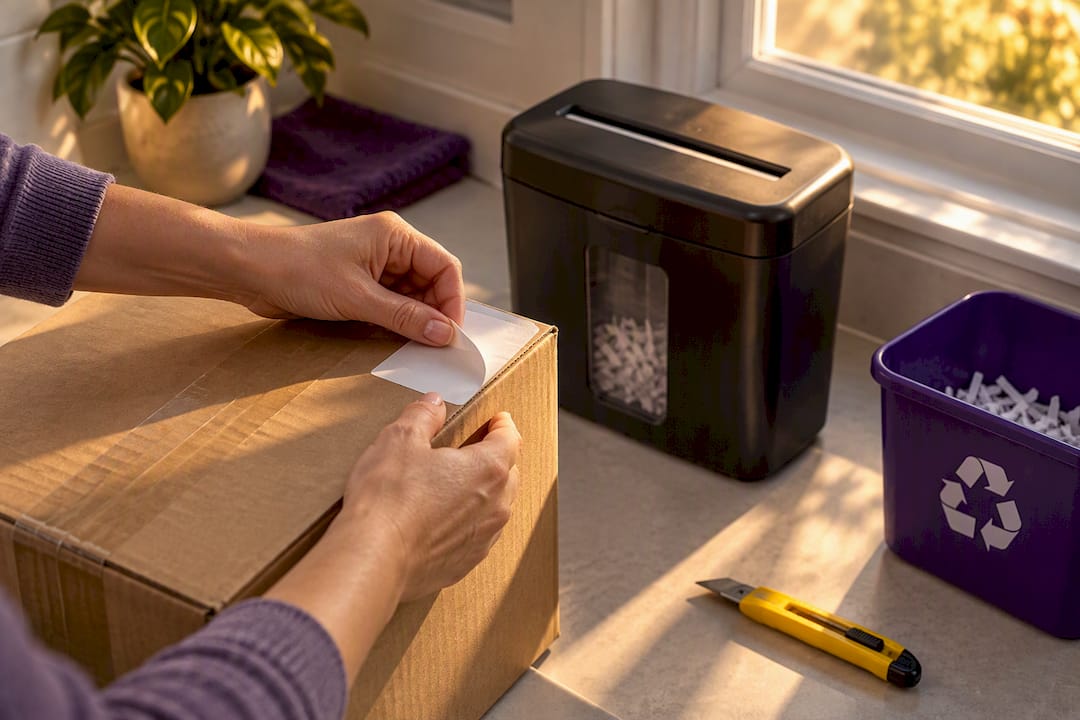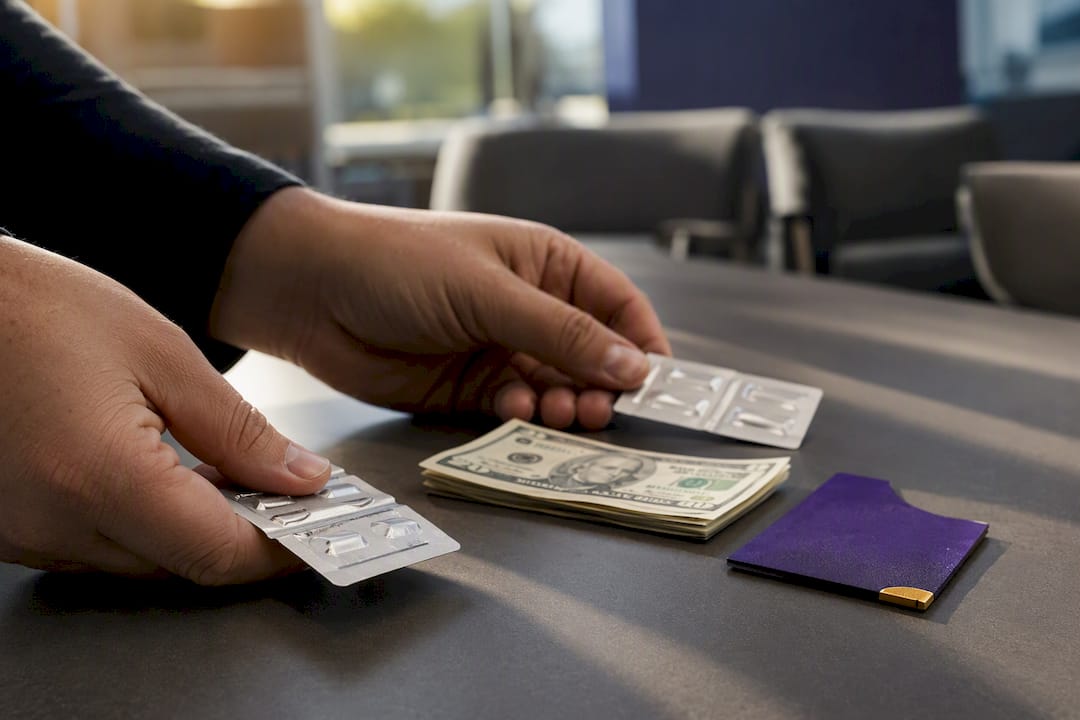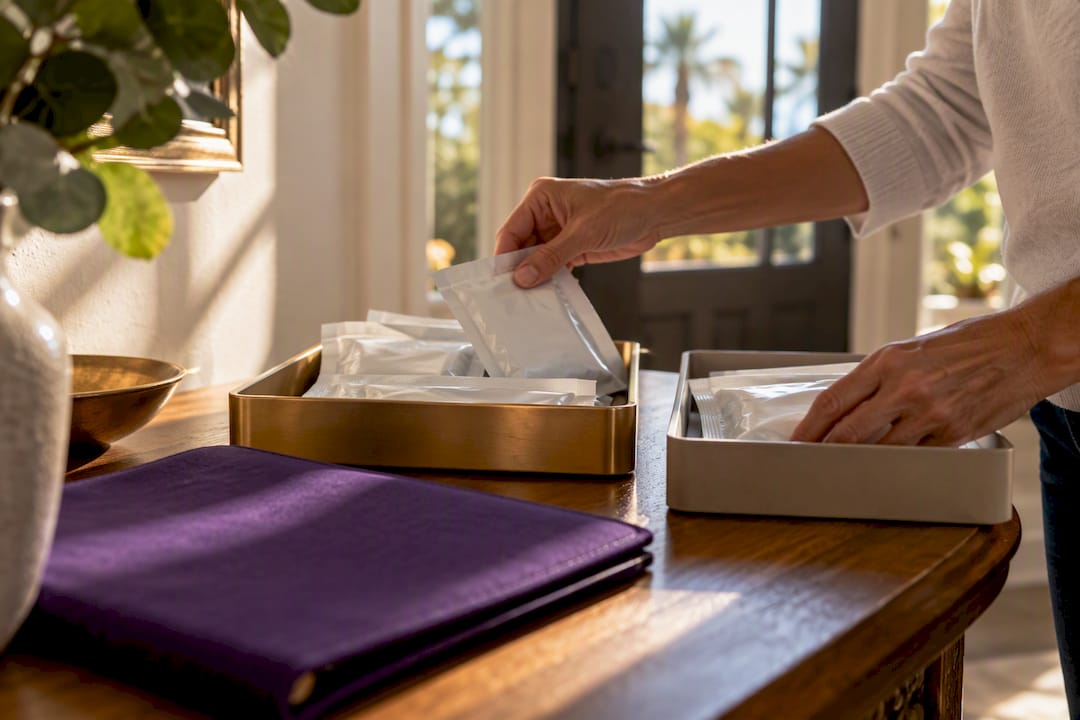
You can avoid shipping two ways: arrange local pickup for in-person handoffs, or sell through inventory-free fulfillment like dropshipping, print-on-demand, or digital products. Local pickup gets you cash fast but limits your buyer pool to your area. Inventory-free fulfillment reaches buyers everywhere, but trims your margins and hands control of the customer experience to a supplier.
TL;DR:
- Local pickup is ideal for bulky, low-value, or time-sensitive items because it allows immediate cash without risking shipping delays or damage.
- Platforms like eBay and OfferUp provide structured payment and pickup confirmation features that protect both buyer and seller, especially for high-value transactions.
- No-shipping models such as dropshipping, print-on-demand, and digital products shift fulfillment to third parties, reducing control over quality but increasing scalability.
- Selling unused diabetic supplies locally ensures same-day cash, easy verification, and avoids delays associated with shipping and waiting for buyback checks.
- Choosing between local pickup and no-shipping methods depends on item size, value, speed needs, effort willingness, and intended buyer reach.
Table of Contents
- Where to List for Local Pickup (and What Each Platform Does Differently)
- How Do You Handle a Safe Local Pickup From Start to Finish?
- What No-Shipping Business Models Let You Skip Fulfillment Entirely?
- How Do You Choose Between Local Pickup and No-Shipping Fulfillment?
- Selling Diabetic Supplies for Same-Day Cash Without Shipping
- When I Recommend Local Pickup vs. a No-Shipping Business Model
- Sell Your Diabetic Supplies Locally for Same-Day Cash
- Sources
- FAQ
Where to List for Local Pickup (and What Each Platform Does Differently)
Not every marketplace treats local pickup the same way, and that difference affects how fast you get paid and how exposed you are to disputes.
Facebook Marketplace is the default choice for most local sellers. It has the largest local buyer pool of any general marketplace, but payment happens off-platform in most cases, which means you’re relying on cash or a peer-to-peer app with no built-in dispute protection.
Craigslist works the same way, minus the social proof. There’s no messaging history tied to a real profile, so you’re meeting a stranger with even less context than Marketplace gives you.
OfferUp adds seller ratings and, in some markets, in-app payment options that create a paper trail. That trail matters more than people think. It’s the difference between “he said, she said” and a receipt if a deal goes sideways.
Nextdoor trades reach for trust. Your buyer pool is smaller, but everyone is verified to your neighborhood, which cuts down on the anonymous-stranger risk that comes with Marketplace or Craigslist.
eBay’s local pickup option is the most structured of the group. Payment finalizes in checkout before you ever meet the buyer, and the platform issues a unique pickup code to confirm the handoff, which protects both sides and removes the ambiguity that plagues cash meetups.
Etsy lets craft and handmade sellers enable local pickup as an option alongside shipping, which works well if you’re already local to a craft fair or market crowd.
A few practical notes on choosing between these platforms:
- Prioritize platforms with built-in checkout (eBay, some OfferUp listings) when the item is high-value, since you get proof of payment before you’re standing in a parking lot.
- Use Facebook Marketplace or Craigslist for bulky, low-value items where speed matters more than payment security.
- List as “local pickup only” when shipping costs would eat most of your profit; list as hybrid (pickup and shipping) when you want maximum buyer reach without giving up the option to meet someone nearby.
- Nextdoor is worth trying first for anything you’d rather sell to a known neighbor than a stranger from across town.
How Do You Handle a Safe Local Pickup From Start to Finish?
A good pickup transaction follows a repeatable sequence, not improvisation. Here’s the workflow that keeps both sides protected and gets you paid quickly.
- Write an accurate listing. Use clear photos from multiple angles, note any flaws honestly, and state your pickup terms up front (cash only, exact change, no holds without a deposit).
- Set a narrow pickup window. Offering “anytime this week” invites no-shows. A two-hour window on a specific day creates a real commitment on the buyer’s end.
- Confirm payment before the handoff. If the platform supports checkout, like eBay’s local pickup flow, get the buyer to pay there first. If you’re taking cash or a payment app, confirm the funds have actually settled, not just that a screenshot shows “sent.”
- Choose a public meeting spot. A police station parking lot, a busy retail lot, or a bank lobby during business hours are all safer than your driveway.
- Inspect together on arrival. Let the buyer look the item over before money changes hands, but don’t let inspection turn into a renegotiation.
- Complete the exchange and confirm the code or receipt. If your platform provides pickup confirmation, use it. That’s your proof the transaction closed cleanly.
Pro Tip: Keep every message about the sale inside the platform’s chat instead of switching to text. If a dispute ever comes up, that in-app history is your evidence, and it also keeps your phone number private.
Payment verification deserves its own emphasis. A lot of local scams hinge on a fake “payment sent” screenshot, followed by a request to hand over the item before the money actually lands in your account. Wait for the notification from your bank or payment app, not just a screenshot from the buyer’s phone.
For high-value items like electronics, jewelry, or anything worth more than a couple hundred dollars, bring someone with you. It’s a small ask that removes a lot of risk. And if a buyer pushes to meet somewhere private or outside your stated window, treat that as a signal to walk away, not a scheduling inconvenience to accommodate.
What No-Shipping Business Models Let You Skip Fulfillment Entirely?
Local pickup solves one problem: you never touch a shipping label. But if you want to sell beyond your zip code without packing boxes yourself, a handful of inventory-free models handle that for you.
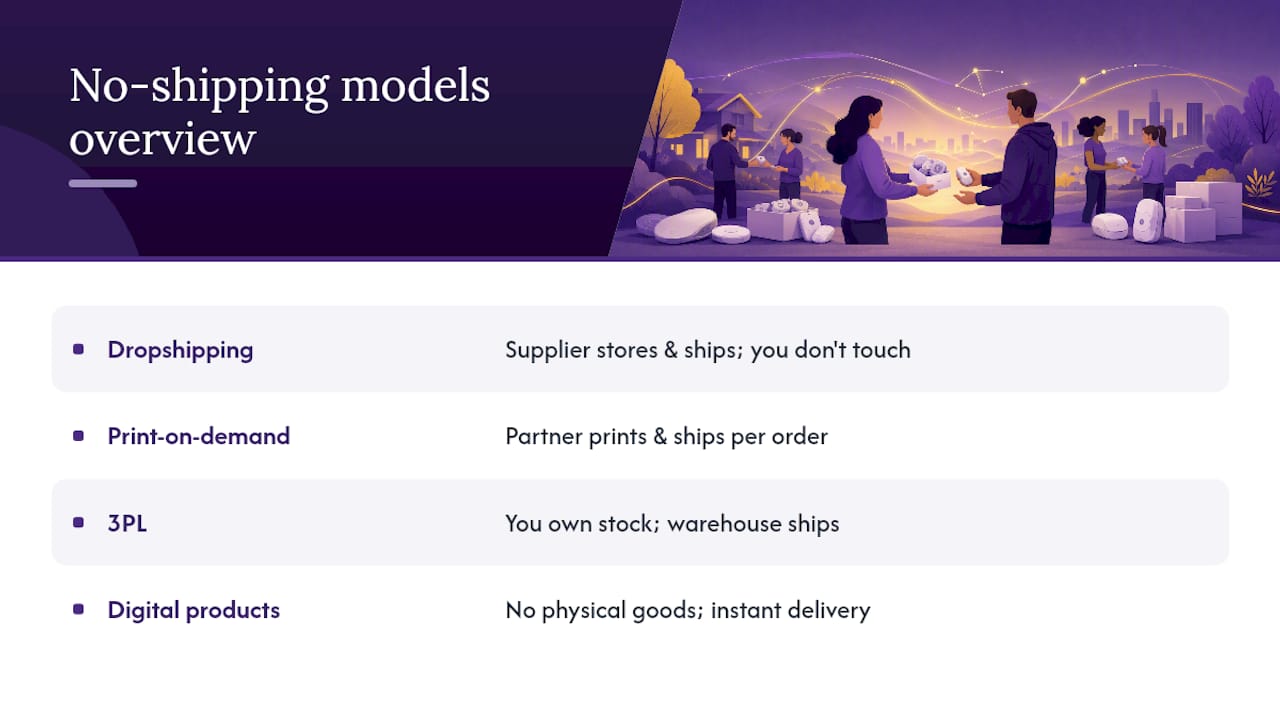
Dropshipping outsources storage and fulfillment to a supplier who ships directly to your customer. You never see or touch the product. Shopify’s own documentation on this notes that dropshipping and print-on-demand both shift fulfillment work onto a third party, which changes your profit margins since you’re paying someone else to do the labor you’d otherwise do yourself.
Print-on-demand (POD) works similarly but is built for custom goods like T-shirts, mugs, or art prints. A partner prints and ships each order as it comes in, so you carry zero physical stock.
Third-party logistics (3PL) services are a middle path. You still own the inventory, but a warehouse partner stores it and ships it out on your behalf. This suits sellers who’ve outgrown local pickup but aren’t ready to hand over full control the way dropshipping requires. Amazon’s fulfillment programs work on a similar logic. Its seller resources describe dropshipping, Merch on Demand, and Kindle Direct Publishing as paths that let sellers list products without personally shipping anything, each with its own tradeoffs in creative control and margin.
Digital products are the cleanest no-shipping option that exists, because there’s nothing physical to move at all. E-books, templates, courses, and software deliver instantly. Merchant-of-record services like Paddle handle the payment processing, tax compliance, and fraud checks on your behalf, so selling worldwide doesn’t require you to become a tax expert.
The tradeoffs across all four models cluster around the same tension: the less physical work you do, the less control you have over quality, returns, and how the customer experiences your brand. A dropshipped item that arrives damaged is still your reputation on the line, even though you never touched it.
How Do You Choose Between Local Pickup and No-Shipping Fulfillment?
The right choice usually comes down to five factors: size, value, how fast you need cash, how much effort you want to invest, and how big a buyer pool you actually need.
- Bulky or low-value items (furniture, exercise equipment, secondhand appliances) belong on local pickup. Shipping costs on cheap, heavy items can eat most of your profit, and research on reseller margins confirms that shipping fees disproportionately hurt sellers on low-ticket goods.
- High-value or niche items (collectibles, specialty electronics, rare parts) often do better shipped or listed as hybrid, since your ideal buyer might not live nearby.
- A recurring product you plan to sell repeatedly points toward 3PL or POD, since building a real storefront on local pickup alone doesn’t scale.
- A skill, template, or piece of content you can package once and sell forever is the strongest case for a digital product.
- When cash today matters more than maximum profit, local pickup wins almost every time. It’s slower to reach a big audience, but money changes hands the same day.
One rule of reselling guides consistently make: match the fulfillment method to what the item’s own characteristics actually demand, not what’s most convenient for you. Also factor in platform and service fees before you settle on a price. A 3PL partner charges storage and pick-pack fees, a POD supplier bakes its margin into the base cost, and even local pickup carries a hidden cost in your own time and gas.
Selling Diabetic Supplies for Same-Day Cash Without Shipping
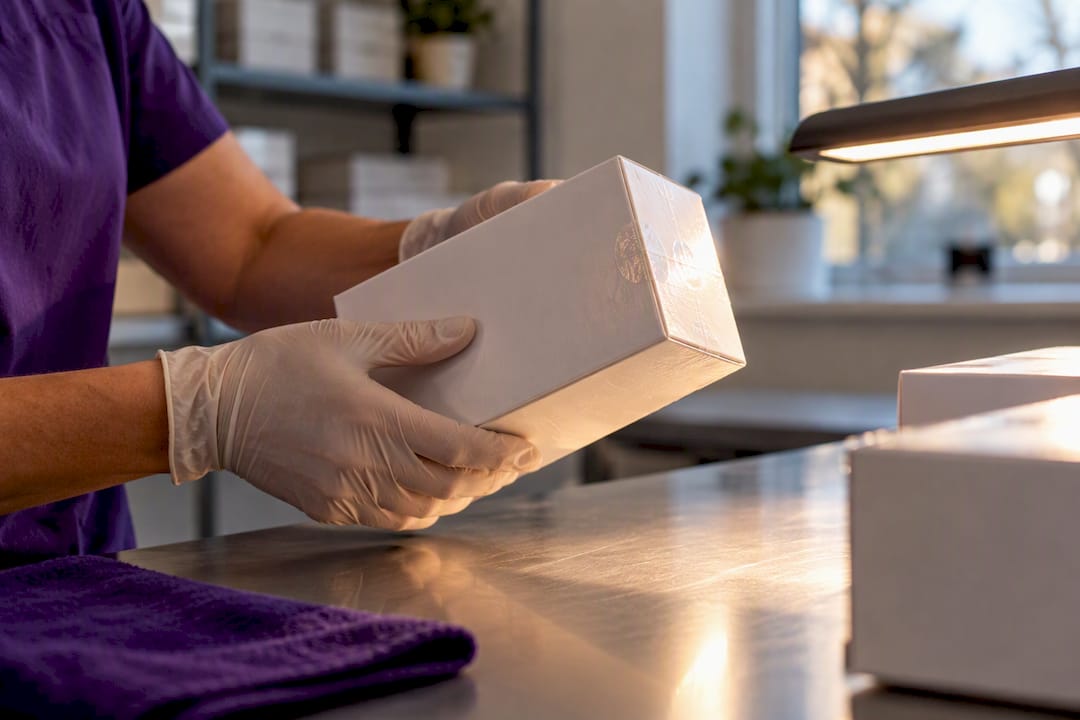
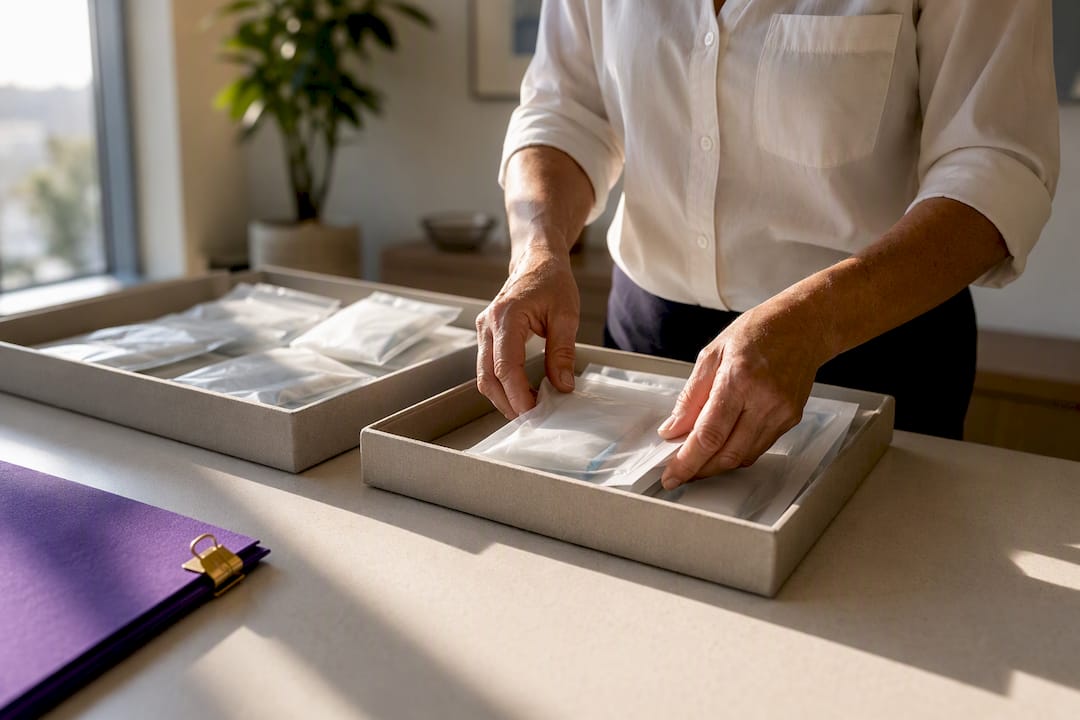
Unused diabetic supplies are a textbook case for local pickup instead of shipping. Sensors and test strips are small, valuable, and time-sensitive, which makes an in-person sale far more practical than boxing them up and hoping a buyer on a resale site follows through weeks later.
To qualify for a cash sale, supplies generally need to be unused, sealed, and unexpired. That’s true whether you’re selling Dexcom G6 or G7 sensors, FreeStyle Libre sensors, Omnipod pods, or major-brand test strips. In-person inspection lets a buyer verify all of that on the spot, which speeds things up considerably compared to shipping items to an anonymous buyback address and waiting for a check.
A few things matter more for supplies like these than for a used lamp or a secondhand bike:
- Bring original packaging and visible expiration dates so verification takes minutes, not an argument.
- Meet in a well-lit, public location, the same safety standard you’d use for any local sale.
- Keep documentation of the transaction, especially if you’re selling a larger quantity at once.
- Confirm payment happens on the spot rather than “after we check the box,” since these items have real resale value and shouldn’t leave your hands on a promise.
If you’re near Orlando and have supplies sitting in a drawer, our guide on how to prepare diabetic supplies for sale walks through exactly what to check before you reach out.
When I Recommend Local Pickup vs. a No-Shipping Business Model
Local pickup is the right call for anything bulky, time-sensitive, or valuable enough that you want to watch the money land before you hand it over. That’s true for furniture and it’s true for diabetic supplies. Inventory-free fulfillment makes more sense if you’re building something repeatable, like a small storefront, where scale matters more than same-day cash. Your own risk tolerance should decide the rest: if platform-backed checkout is available, use it before you ever agree to meet a stranger with cash in hand.
— Liliana
Sell Your Diabetic Supplies Locally for Same-Day Cash
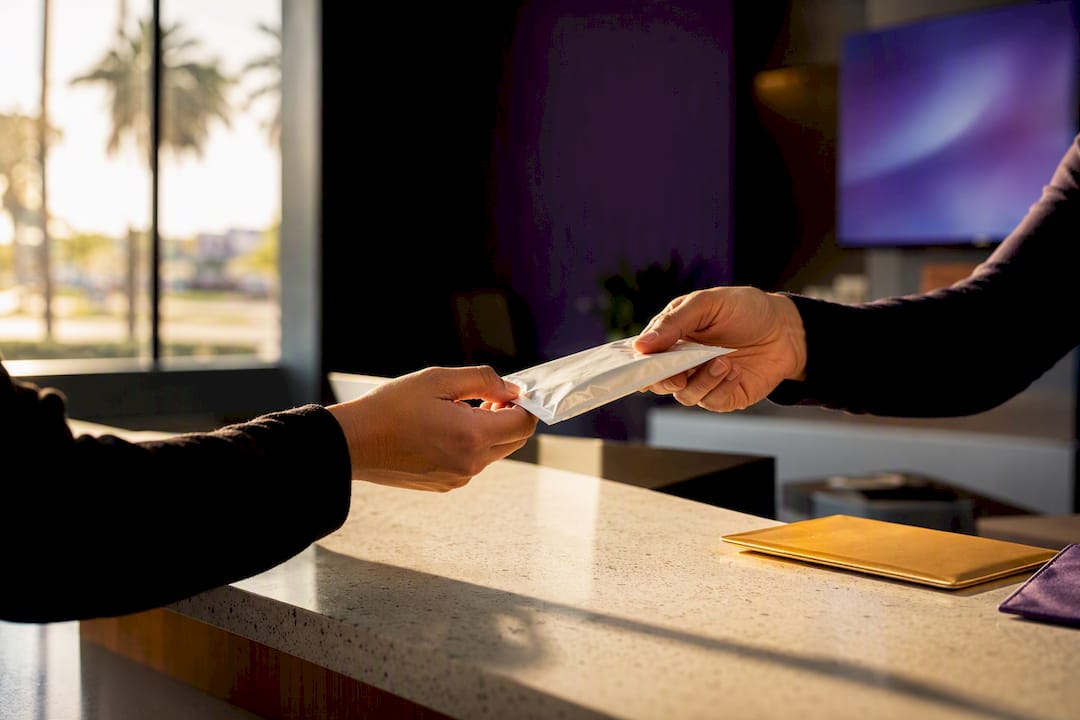
Shipping unused diabetic supplies means printing labels, waiting on buyback checks, and hoping a mail-in buyer doesn’t lowball you after they’ve already opened the box. Some local services inspect sealed, unused diabetic supplies in person and pay same-day cash on the spot, at safe local meeting points, with no shipping and no waiting.
We buy Dexcom G6 and G7 sensors, FreeStyle Libre sensors, Omnipod pods, and major-brand test strips throughout the Orlando area. If you’re holding unused Dexcom G7 boxes, our Dexcom G7 buyback page lists current pricing between $70 and $90 per pack. FreeStyle Libre 2 sensor owners can check our Libre 2 buyback pricing for rates of $15 to $20 per sensor. For everything else, from CGMs to pumps and pods, visit our main buyback page to get started and arrange a same-day, no-shipping cash pickup near you.
Sources
- How To Start an Online Store Without Inventory (2026) – Shopify
- eBay help: Local pickup
- Sell with no inventory — Amazon seller blog
- Sell digital products & downloads — Paddle
FAQ
How Do You Sell Stuff Without Shipping?
List items for local pickup on platforms like Facebook Marketplace, OfferUp, or eBay’s local pickup option, then meet the buyer in a public spot after confirming payment. For items you can’t sell in person, dropshipping, print-on-demand, or digital products let a third party handle delivery so you never pack a box.
What Can I Sell Immediately for Money?
Household electronics, furniture, and unused specialty items like diabetic supplies tend to sell fastest for local cash. Some local buyback services pay same-day cash for unused, sealed Dexcom sensors, FreeStyle Libre sensors, Omnipod pods, and test strips with no shipping required.
Do You Have to Pay for Shipping When Selling on Whatnot?
Whatnot listings typically require the seller to cover or factor in shipping into the item price, since the platform is built around shipped auctions rather than local pickup. If avoiding shipping costs matters to you, a local pickup marketplace or an in-person buyback option is a better fit for that specific goal.
What Is the Easiest Site to Sell Stuff On?
For local pickup, Facebook Marketplace tends to have the largest and fastest-responding buyer pool. For structured, protected transactions with built-in payment confirmation, eBay’s local pickup feature is often the simpler and safer choice.